Latest Posts

Semi-Precious

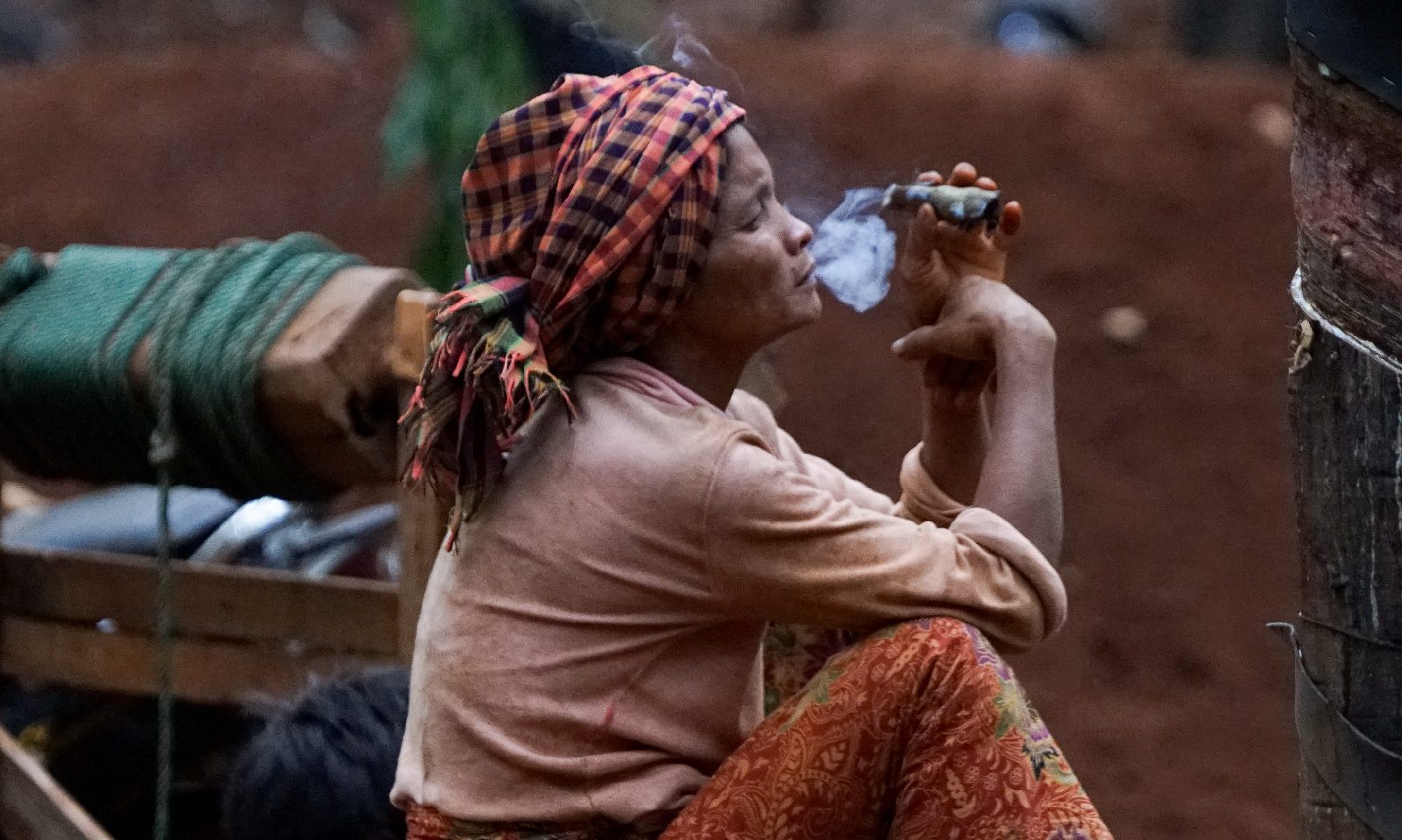
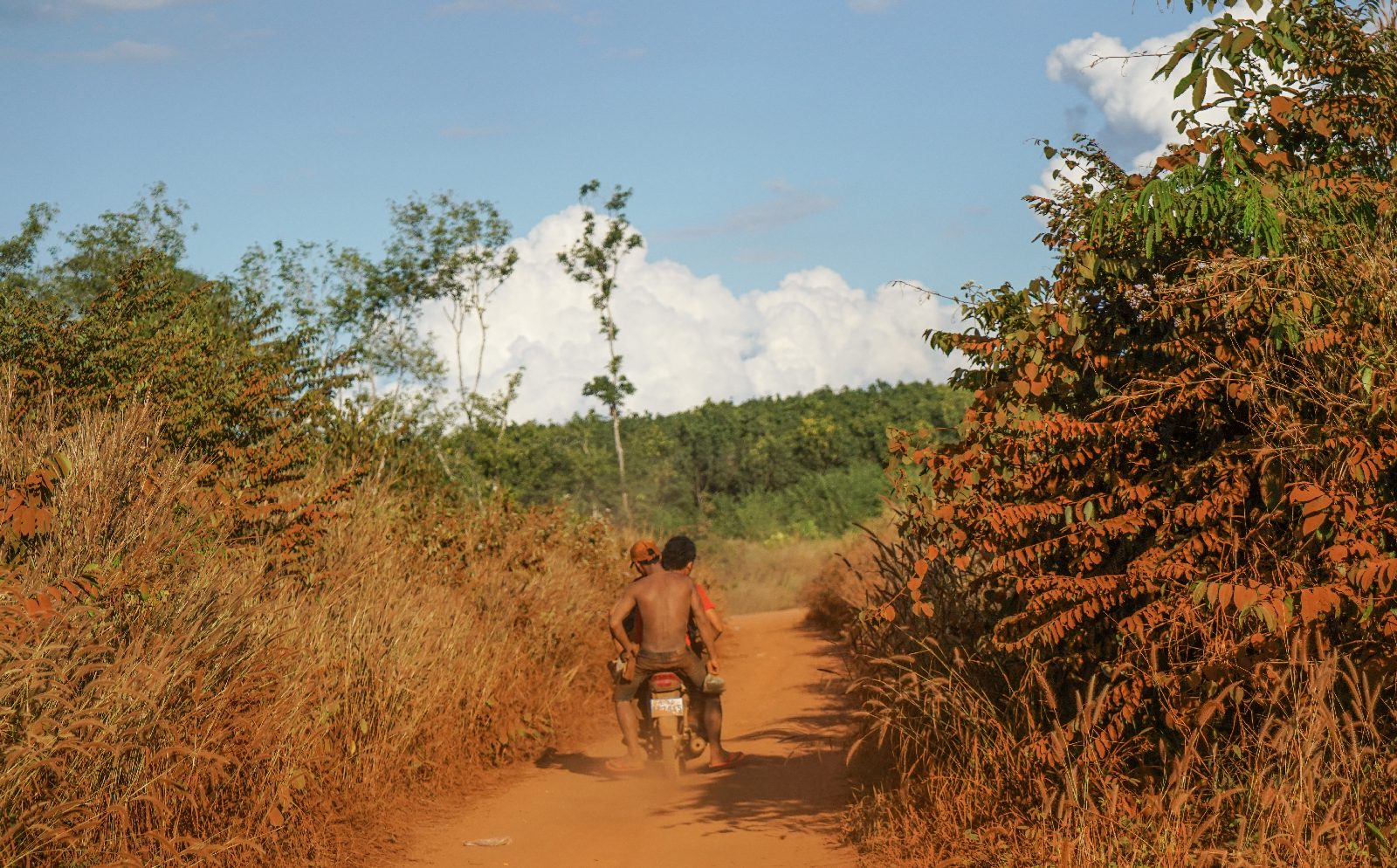
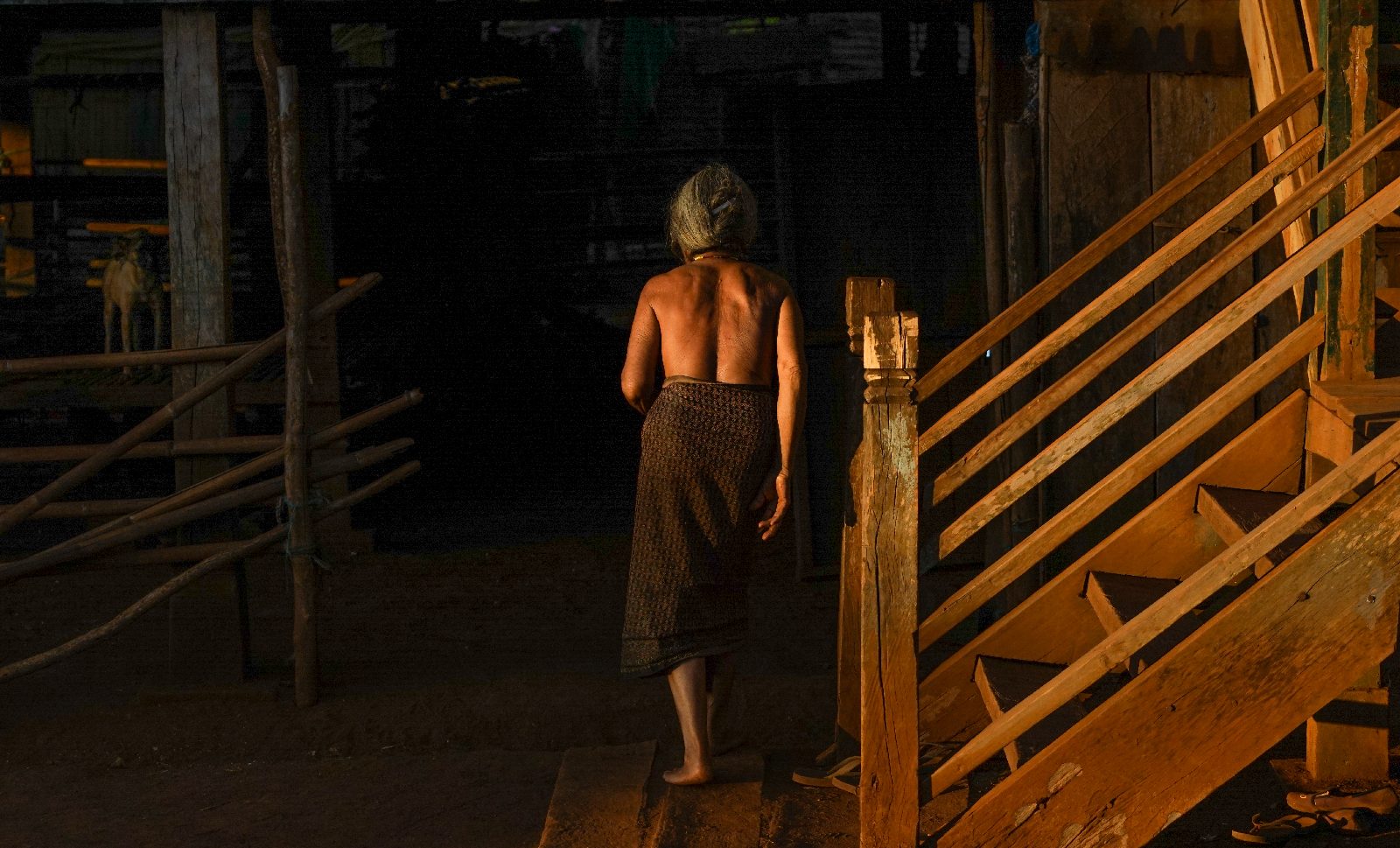
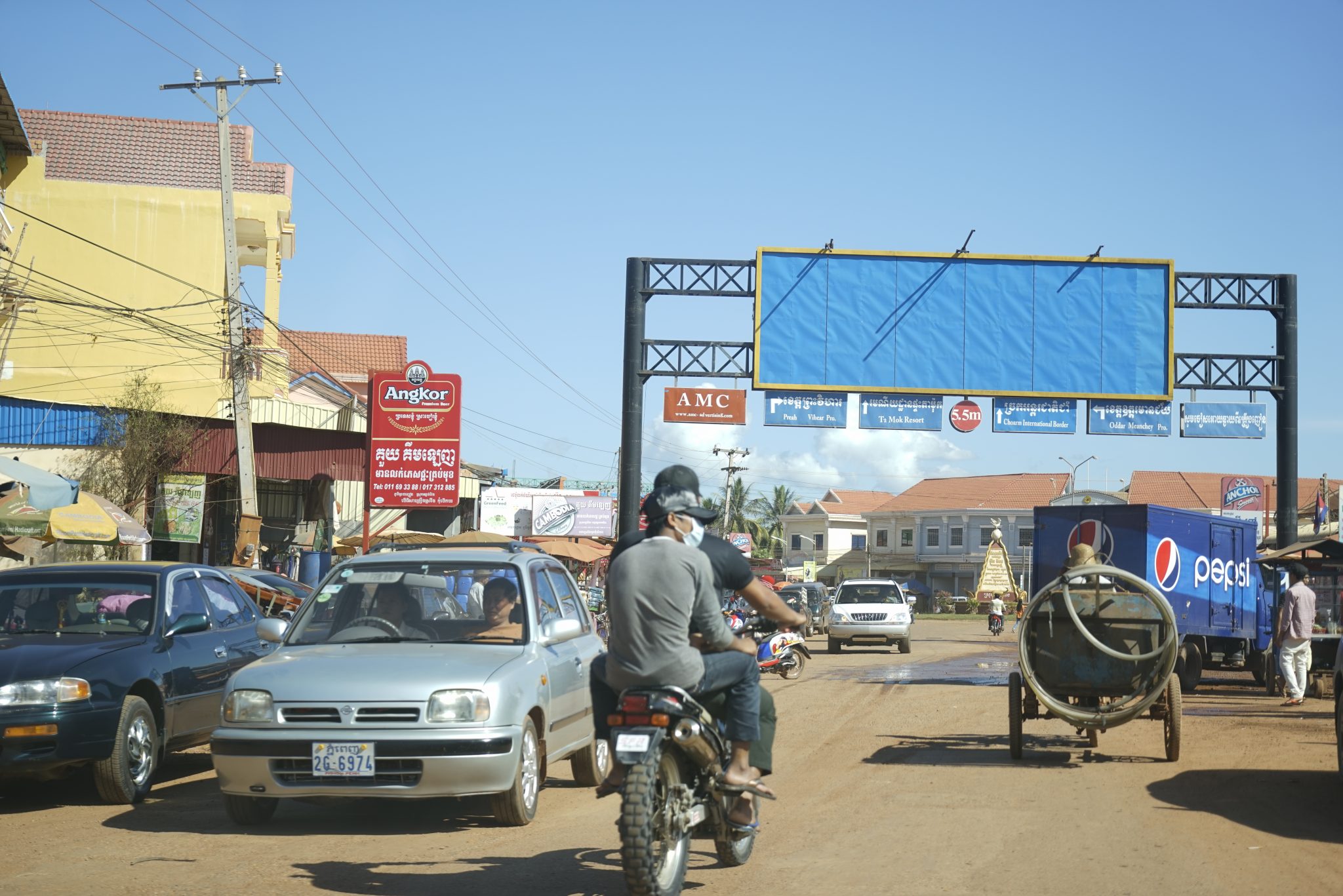
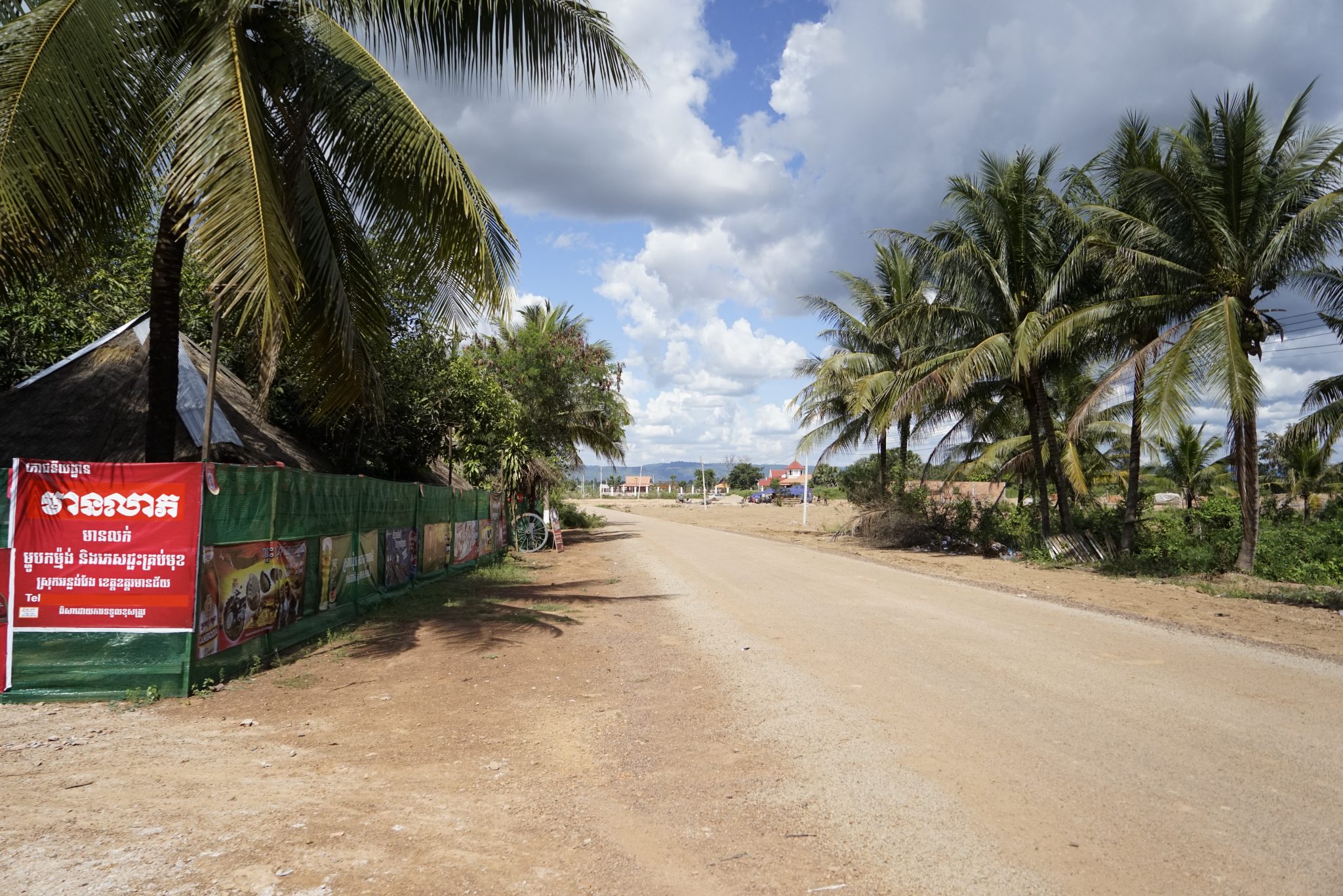
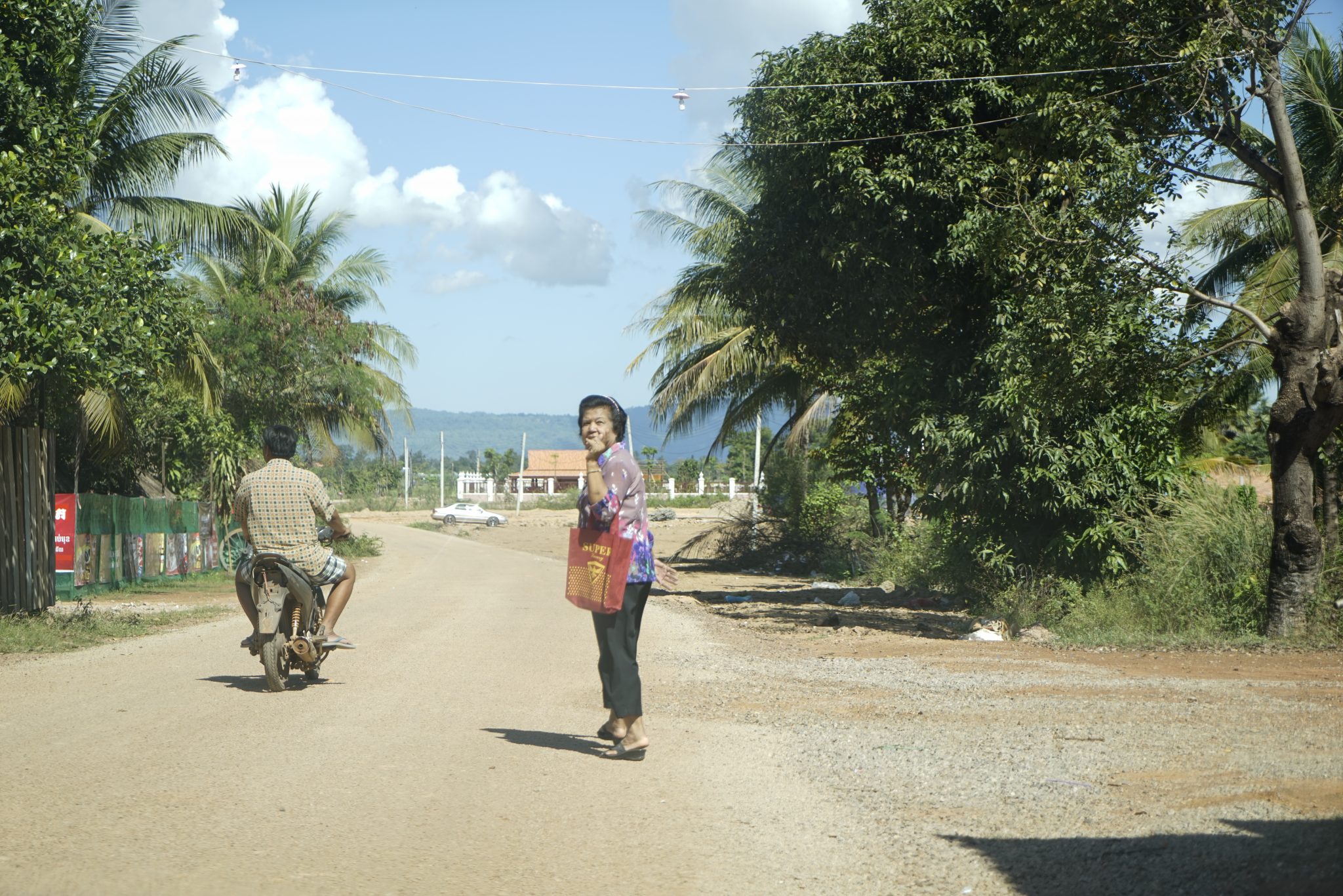
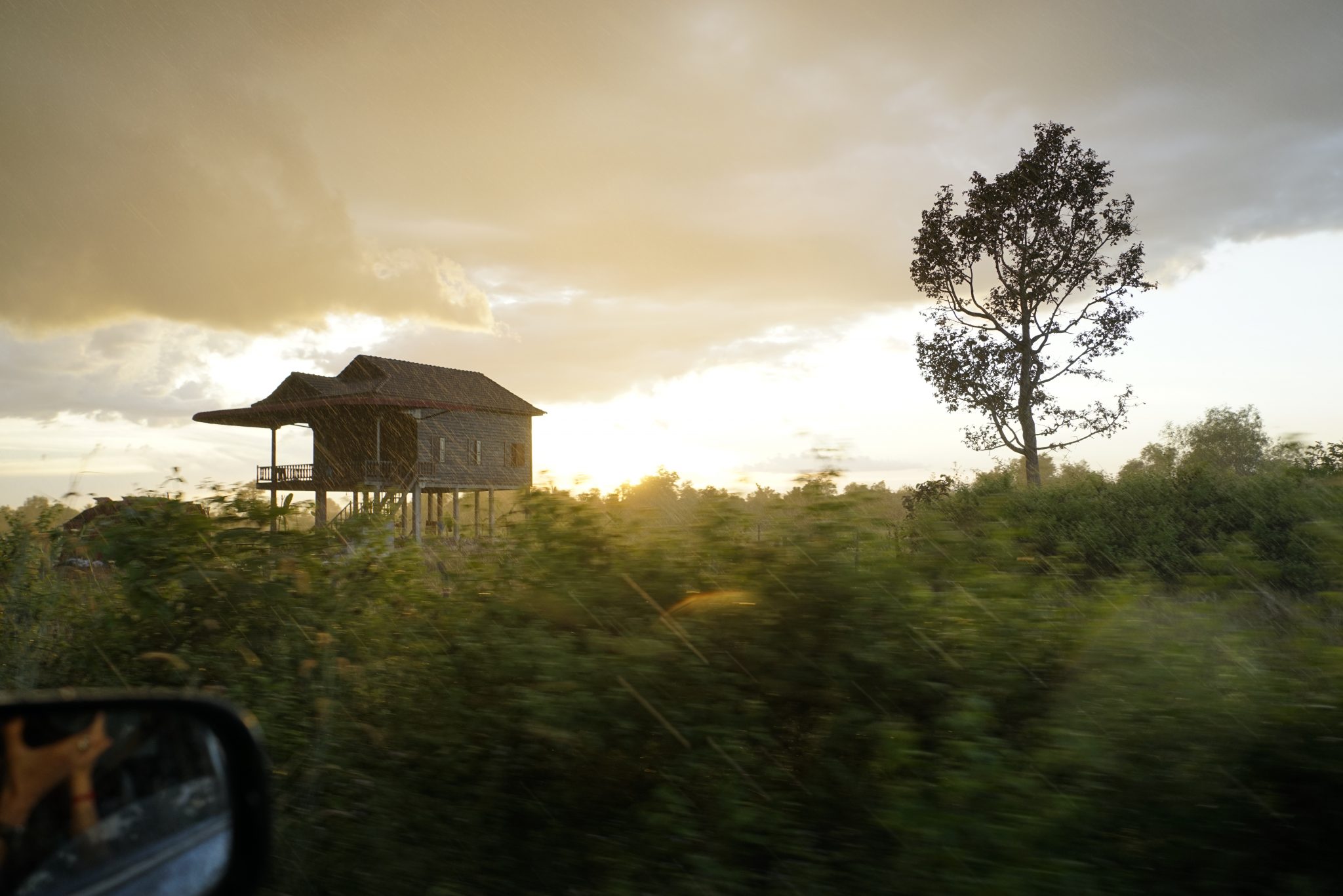
My way to the gem stone miners of Cambodia brings me past honey sellers. The indigenous people from the Tampuan tribe come to the roads to sell their produce. Honey is a treasure and these people are a treasure as well, but no one seems to care about their needs, property or knowledge.

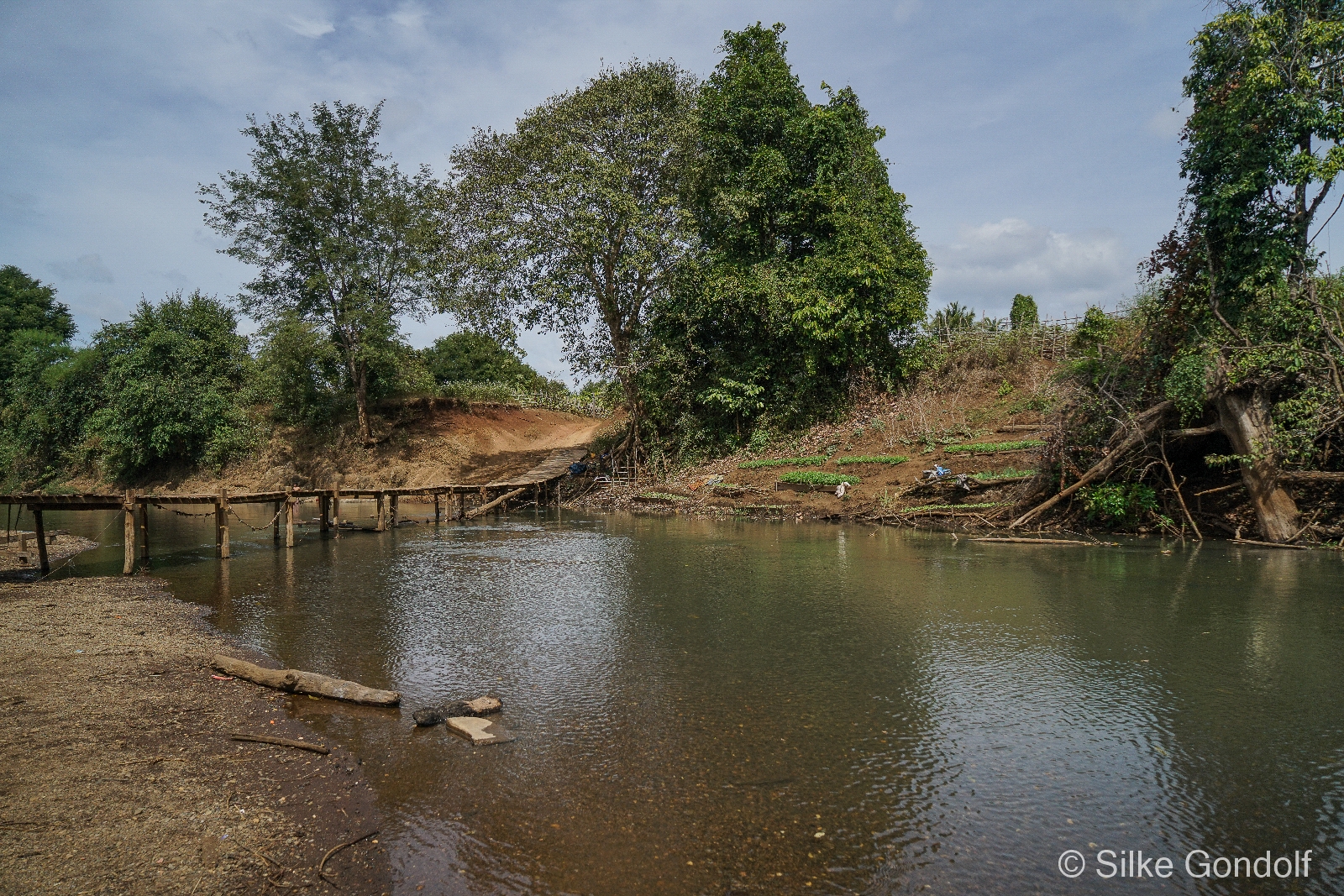
I am travelling in the northeast Ratanakiri province, an area where the so called “ethnic minorities” are actually the majority and where the living conditions are the poorest of the country. The different tribes are referred to as the highlanders, a general term for the indigenous people who live in this mountainous region.


  • The highlanders forests, once partially sacred and a trusted source for their livelihood, has been sold by the government and is still in the process of being sold out.
  • The highlanders forests, once partially sacred and a trusted source for their livelihood, has been sold by the government and is still in the process of being sold out.
  • The highlanders forests, once partially sacred and a trusted source for their livelihood, has been sold by the government and is still in the process of being sold out.
  • The highlanders forests, once partially sacred and a trusted source for their livelihood, has been sold by the government and is still in the process of being sold out.
  • The highlanders forests, once partially sacred and a trusted source for their livelihood, has been sold by the government and is still in the process of being sold out.
  • The highlanders forests, once partially sacred and a trusted source for their livelihood, has been sold by the government and is still in the process of being sold out.
  • The highlanders forests, once partially sacred and a trusted source for their livelihood, has been sold by the government and is still in the process of being sold out.
  • The highlanders forests, once partially sacred and a trusted source for their livelihood, has been sold by the government and is still in the process of being sold out.
  • The highlanders forests, once partially sacred and a trusted source for their livelihood, has been sold by the government and is still in the process of being sold out.
  • The highlanders forests, once partially sacred and a trusted source for their livelihood, has been sold by the government and is still in the process of being sold out.
  • The highlanders forests, once partially sacred and a trusted source for their livelihood, has been sold by the government and is still in the process of being sold out.
  • The highlanders forests, once partially sacred and a trusted source for their livelihood, has been sold by the government and is still in the process of being sold out.
  • The highlanders forests, once partially sacred and a trusted source for their livelihood, has been sold by the government and is still in the process of being sold out.
  • The highlanders forests, once partially sacred and a trusted source for their livelihood, has been sold by the government and is still in the process of being sold out.
  • The highlanders forests, once partially sacred and a trusted source for their livelihood, has been sold by the government and is still in the process of being sold out.
  • The highlanders forests, once partially sacred and a trusted source for their livelihood, has been sold by the government and is still in the process of being sold out.
  • The highlanders forests, once partially sacred and a trusted source for their livelihood, has been sold by the government and is still in the process of being sold out.
  • The highlanders forests, once partially sacred and a trusted source for their livelihood, has been sold by the government and is still in the process of being sold out.
  • The highlanders forests, once partially sacred and a trusted source for their livelihood, has been sold by the government and is still in the process of being sold out.
  • The highlanders forests, once partially sacred and a trusted source for their livelihood, has been sold by the government and is still in the process of being sold out.
  • The highlanders forests, once partially sacred and a trusted source for their livelihood, has been sold by the government and is still in the process of being sold out.
  • The highlanders forests, once partially sacred and a trusted source for their livelihood, has been sold by the government and is still in the process of being sold out.
  • The highlanders forests, once partially sacred and a trusted source for their livelihood, has been sold by the government and is still in the process of being sold out.
  • The highlanders forests, once partially sacred and a trusted source for their livelihood, has been sold by the government and is still in the process of being sold out.
  • The highlanders forests, once partially sacred and a trusted source for their livelihood, has been sold by the government and is still in the process of being sold out.
  • The highlanders forests, once partially sacred and a trusted source for their livelihood, has been sold by the government and is still in the process of being sold out.
  • The highlanders forests, once partially sacred and a trusted source for their livelihood, has been sold by the government and is still in the process of being sold out.
  • The highlanders forests, once partially sacred and a trusted source for their livelihood, has been sold by the government and is still in the process of being sold out.
  • The highlanders forests, once partially sacred and a trusted source for their livelihood, has been sold by the government and is still in the process of being sold out.
  • The highlanders forests, once partially sacred and a trusted source for their livelihood, has been sold by the government and is still in the process of being sold out.
  • The highlanders forests, once partially sacred and a trusted source for their livelihood, has been sold by the government and is still in the process of being sold out.
  • The highlanders forests, once partially sacred and a trusted source for their livelihood, has been sold by the government and is still in the process of being sold out.
  • The highlanders forests, once partially sacred and a trusted source for their livelihood, has been sold by the government and is still in the process of being sold out.
  • The highlanders forests, once partially sacred and a trusted source for their livelihood, has been sold by the government and is still in the process of being sold out.
  • The highlanders forests, once partially sacred and a trusted source for their livelihood, has been sold by the government and is still in the process of being sold out.
  • The highlanders forests, once partially sacred and a trusted source for their livelihood, has been sold by the government and is still in the process of being sold out.
  • The highlanders forests, once partially sacred and a trusted source for their livelihood, has been sold by the government and is still in the process of being sold out.
  • The highlanders forests, once partially sacred and a trusted source for their livelihood, has been sold by the government and is still in the process of being sold out.
  • The highlanders forests, once partially sacred and a trusted source for their livelihood, has been sold by the government and is still in the process of being sold out.
  • The highlanders forests, once partially sacred and a trusted source for their livelihood, has been sold by the government and is still in the process of being sold out.
  • The highlanders forests, once partially sacred and a trusted source for their livelihood, has been sold by the government and is still in the process of being sold out.
  • The highlanders forests, once partially sacred and a trusted source for their livelihood, has been sold by the government and is still in the process of being sold out.
  • The highlanders forests, once partially sacred and a trusted source for their livelihood, has been sold by the government and is still in the process of being sold out.
  • The highlanders forests, once partially sacred and a trusted source for their livelihood, has been sold by the government and is still in the process of being sold out.
  • The highlanders forests, once partially sacred and a trusted source for their livelihood, has been sold by the government and is still in the process of being sold out.
  • The highlanders forests, once partially sacred and a trusted source for their livelihood, has been sold by the government and is still in the process of being sold out.
  • The highlanders forests, once partially sacred and a trusted source for their livelihood, has been sold by the government and is still in the process of being sold out.
  • The highlanders forests, once partially sacred and a trusted source for their livelihood, has been sold by the government and is still in the process of being sold out.
  • The highlanders forests, once partially sacred and a trusted source for their livelihood, has been sold by the government and is still in the process of being sold out.
  • The highlanders forests, once partially sacred and a trusted source for their livelihood, has been sold by the government and is still in the process of being sold out.
  • The highlanders forests, once partially sacred and a trusted source for their livelihood, has been sold by the government and is still in the process of being sold out.
  • The highlanders forests, once partially sacred and a trusted source for their livelihood, has been sold by the government and is still in the process of being sold out.
  • The highlanders forests, once partially sacred and a trusted source for their livelihood, has been sold by the government and is still in the process of being sold out.
  • The highlanders forests, once partially sacred and a trusted source for their livelihood, has been sold by the government and is still in the process of being sold out.
  • The highlanders forests, once partially sacred and a trusted source for their livelihood, has been sold by the government and is still in the process of being sold out.
  • The highlanders forests, once partially sacred and a trusted source for their livelihood, has been sold by the government and is still in the process of being sold out.
  • The highlanders forests, once partially sacred and a trusted source for their livelihood, has been sold by the government and is still in the process of being sold out.
  • The highlanders forests, once partially sacred and a trusted source for their livelihood, has been sold by the government and is still in the process of being sold out.
  • The highlanders forests, once partially sacred and a trusted source for their livelihood, has been sold by the government and is still in the process of being sold out.
  • The highlanders forests, once partially sacred and a trusted source for their livelihood, has been sold by the government and is still in the process of being sold out.
  • The highlanders forests, once partially sacred and a trusted source for their livelihood, has been sold by the government and is still in the process of being sold out.


The highlanders forests, once partially sacred and a trusted source for their livelihood, has been sold by the government and is still in the process of being sold out. The highlanders watch how roads are being built through their property, how electricity cables are mounted through their jungle, how foreigners and Khmer alike take away their land and trees; fields with their precious mountain rice and sesame, spirit mountains and rivers (dams are being build) and wild animals under protection of NGOs.

In the 1950s a Khmerization began, with the ambition to bring highlanders under control and push them towards a modern lifestyle, something the highlanders didn’t want. The Khmer Rouge forged an alliance with the upset highlanders – only to later suppress them. Under the Khmer Rouge regime, the tribes were not allowed to speak their own languages or practice their ancient traditions.

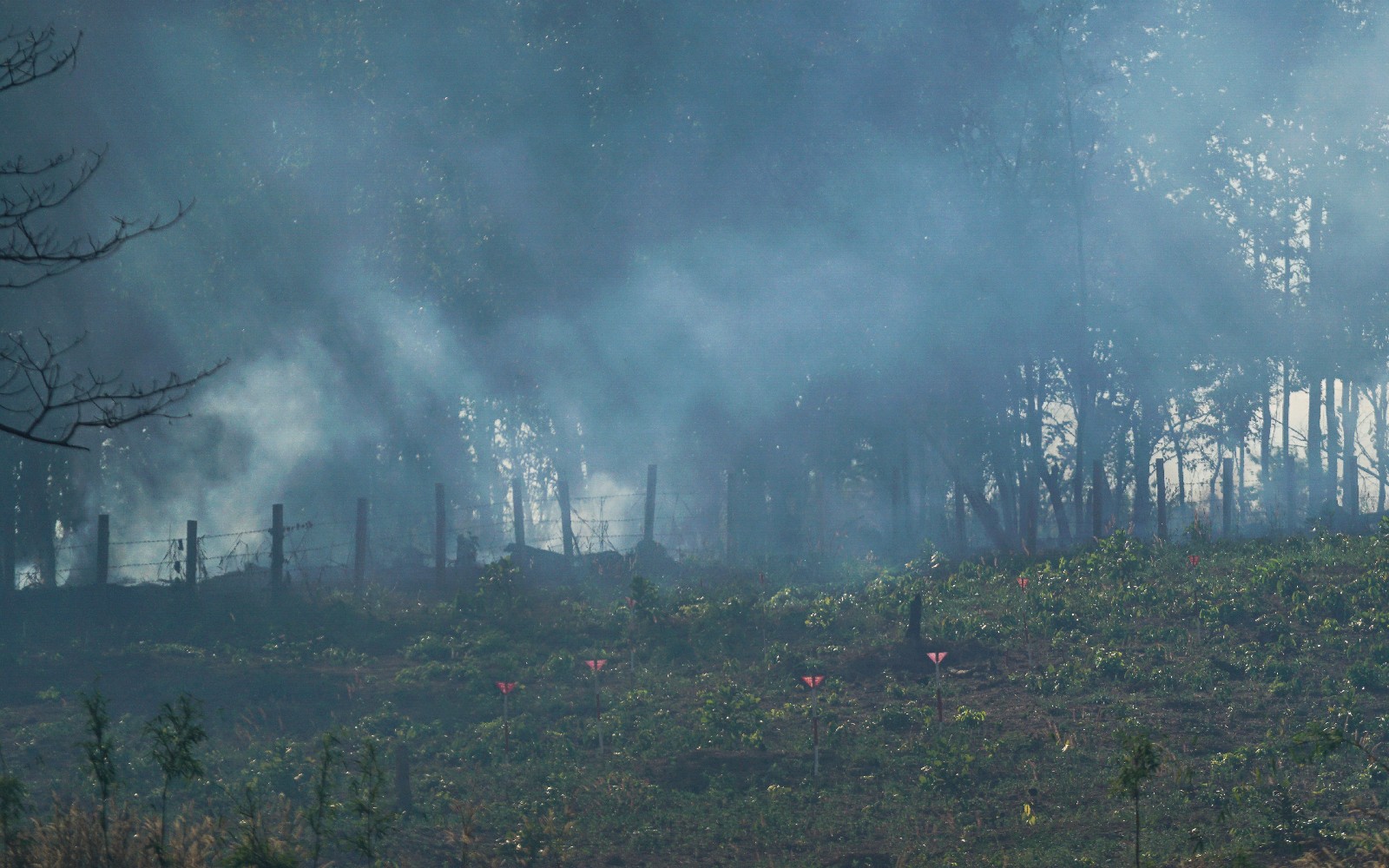
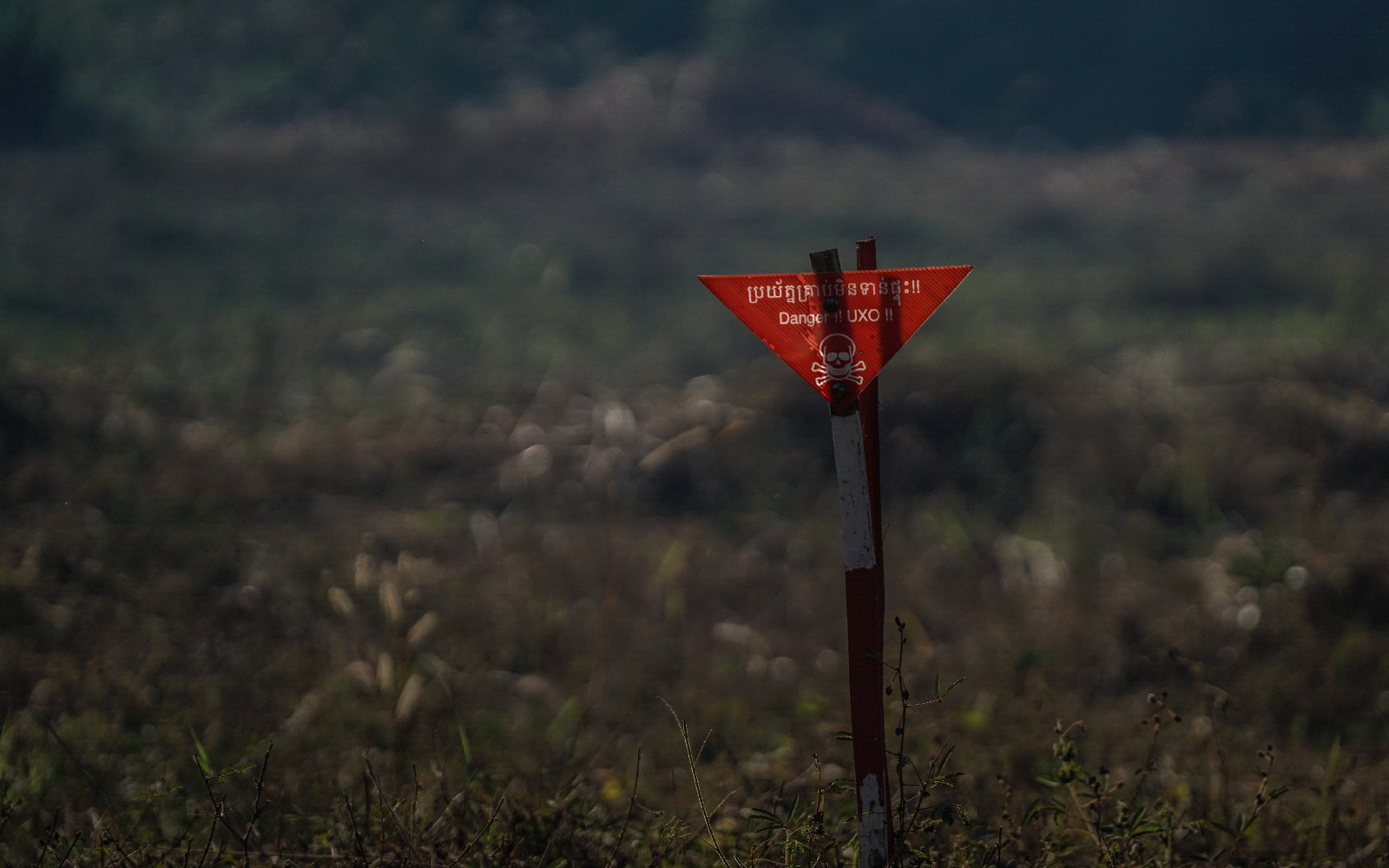
Americans threw cluster bombs over Ratanakiri – the suspected Ho Chi Minh trail runs through it – and there are still UXO – unexploded explosives – in the area causing accidents. Khmer Rouge rebel attacks and threats to the local population were going on, unpunished, until 2002. The government in this province is considered especially weak –  another word for corrupt.

This is just as a short introduction to the area, history and people. Banlung, the capital of the province Ratanakiri, has grown rapidly over the last ten years. There is big business to be made with hardwood logging, gem stone mines, gold, cashew nuts, rubber, cassava and pepper.  Once the forest is chopped off and sold, the land is used for heavy monoculture farming by foreign and local investors.

Ratanakiri translates into “the Gem Mountain” – mining for semi-precious stones has been done here for more than 40 years.

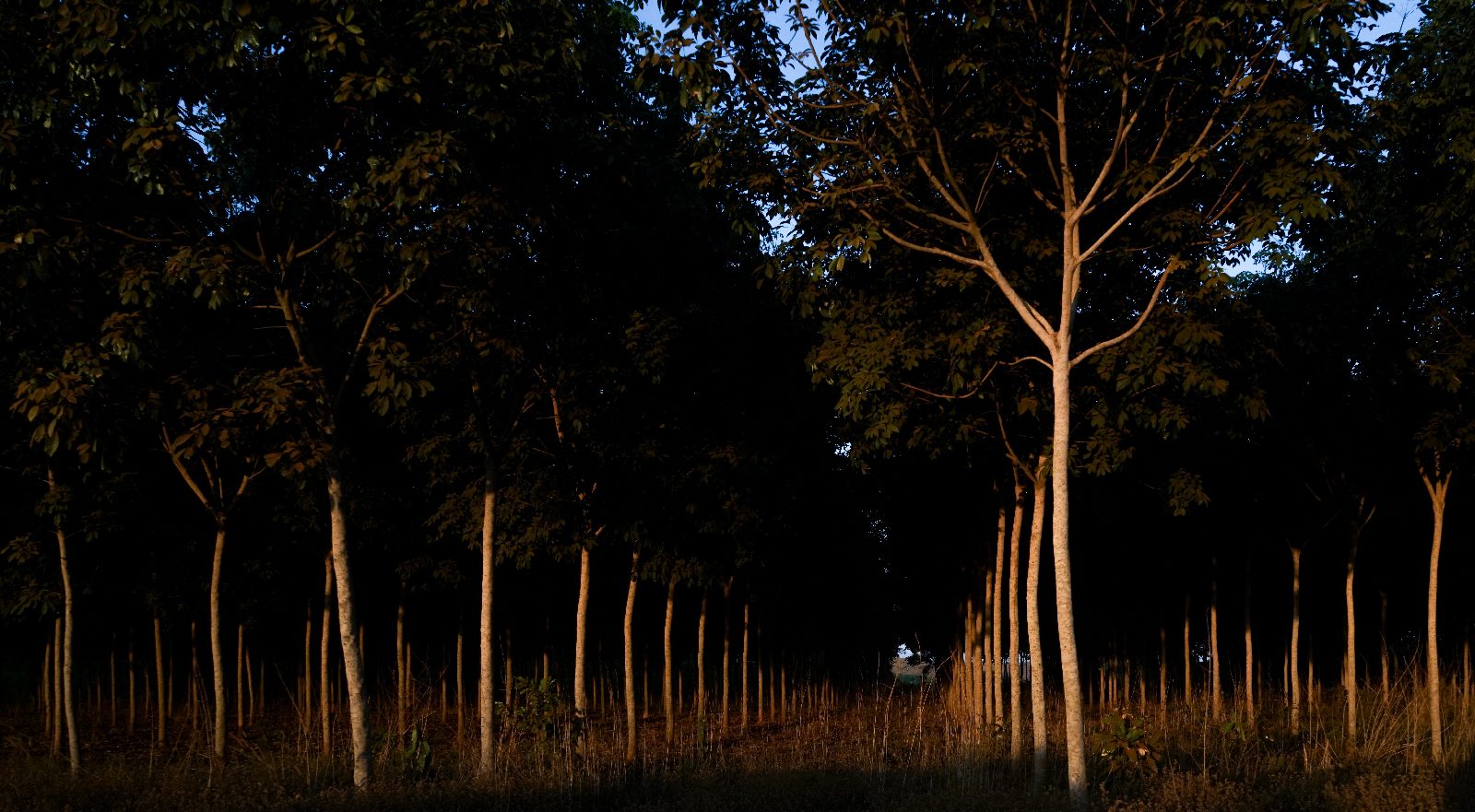
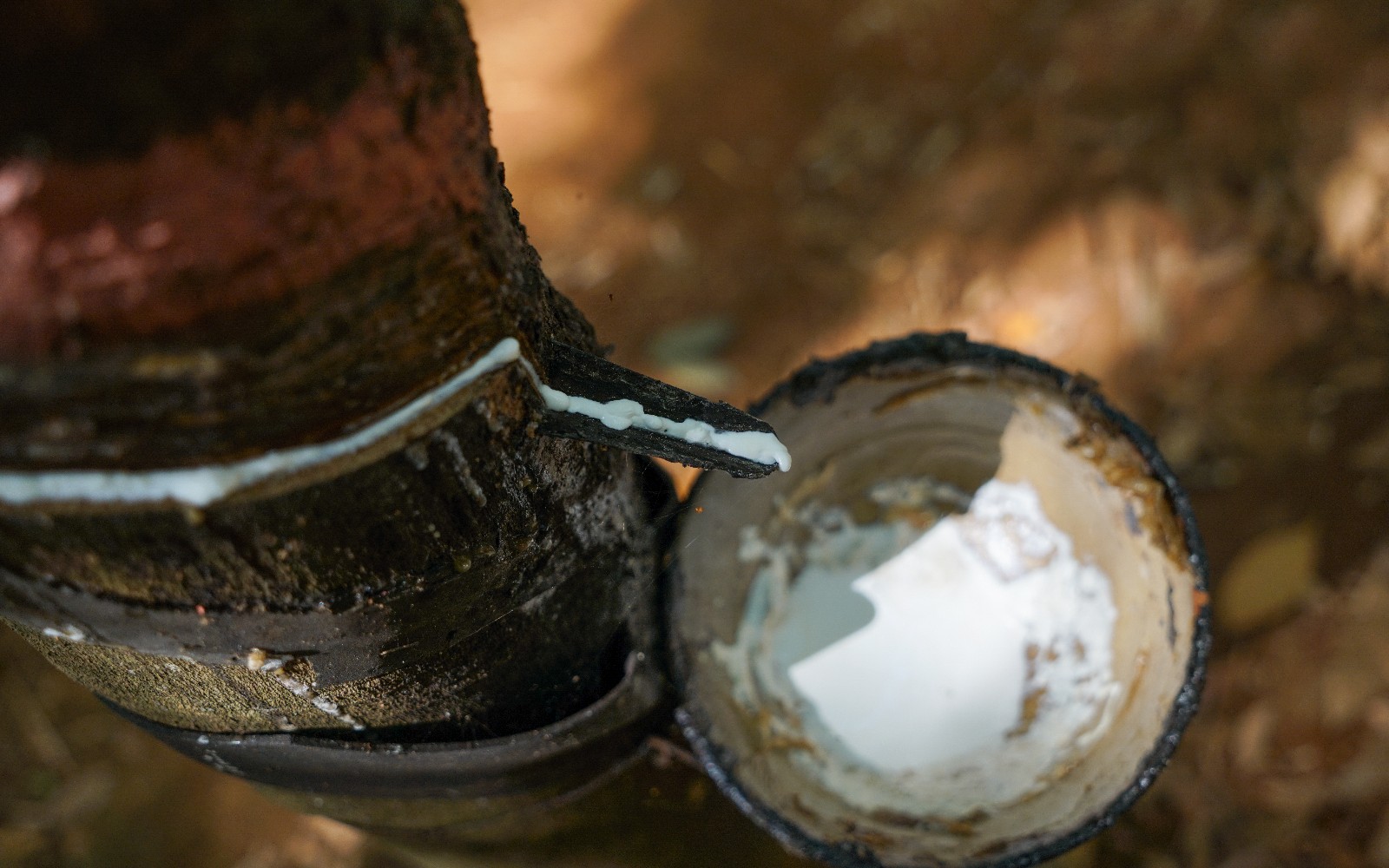
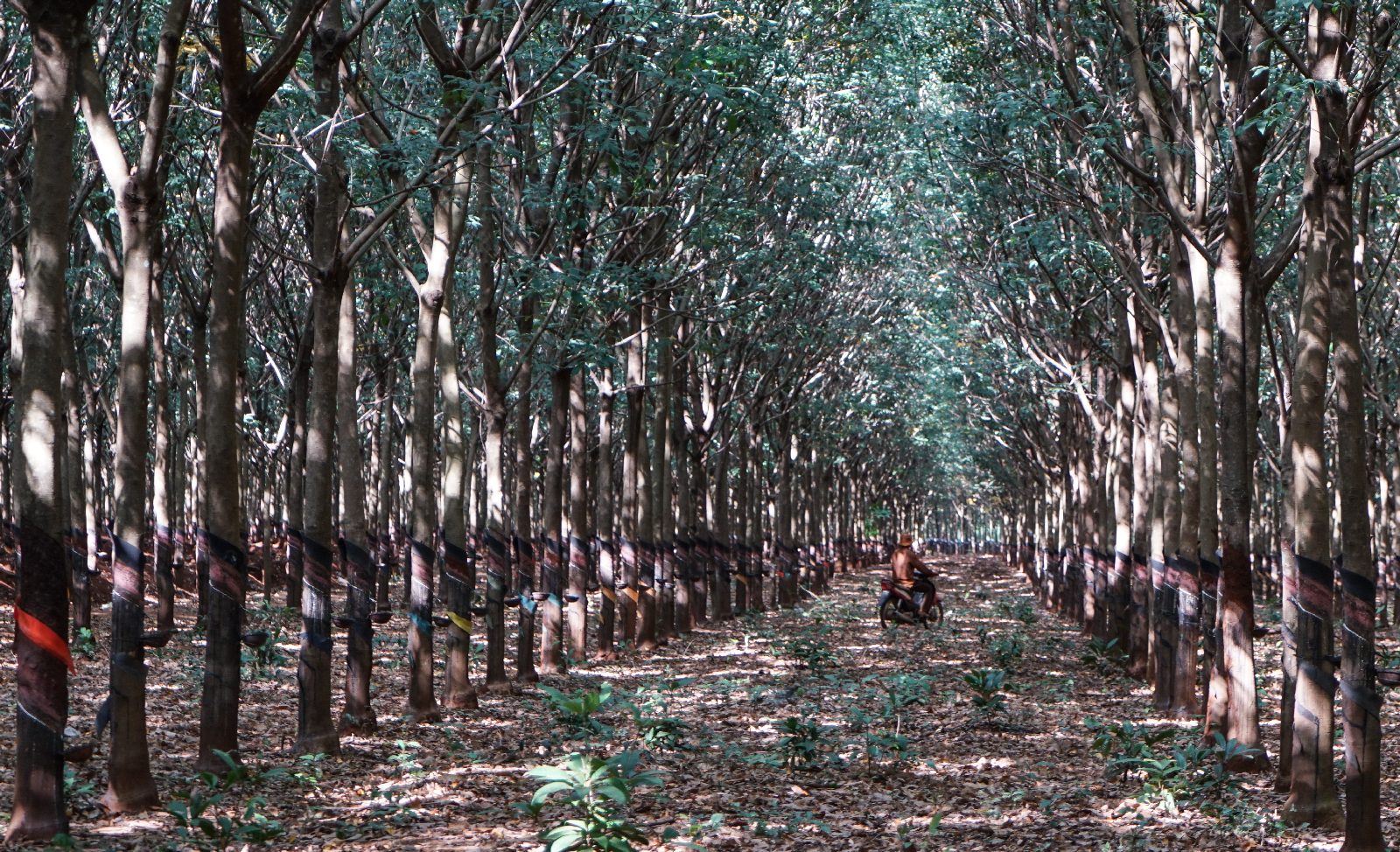
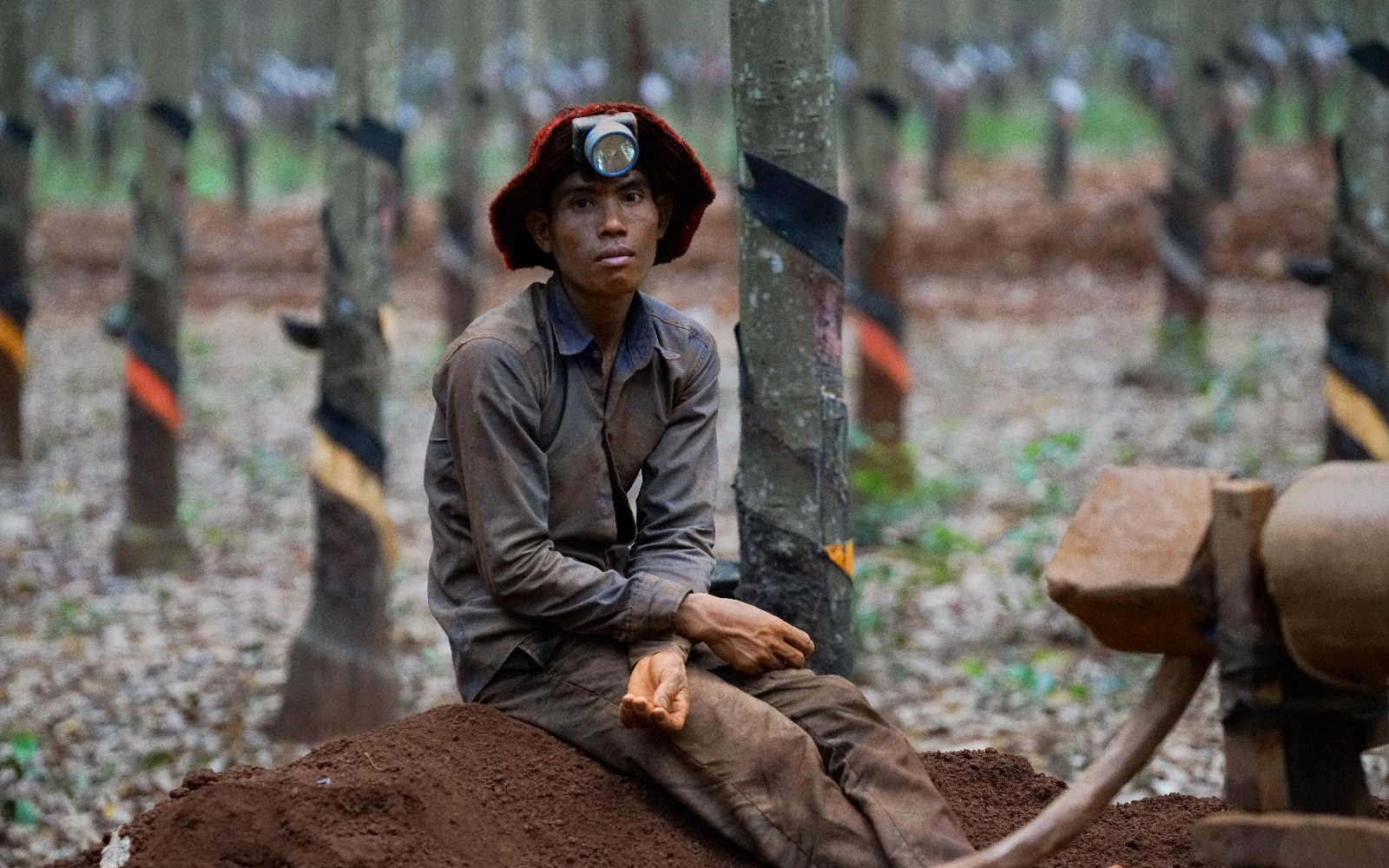
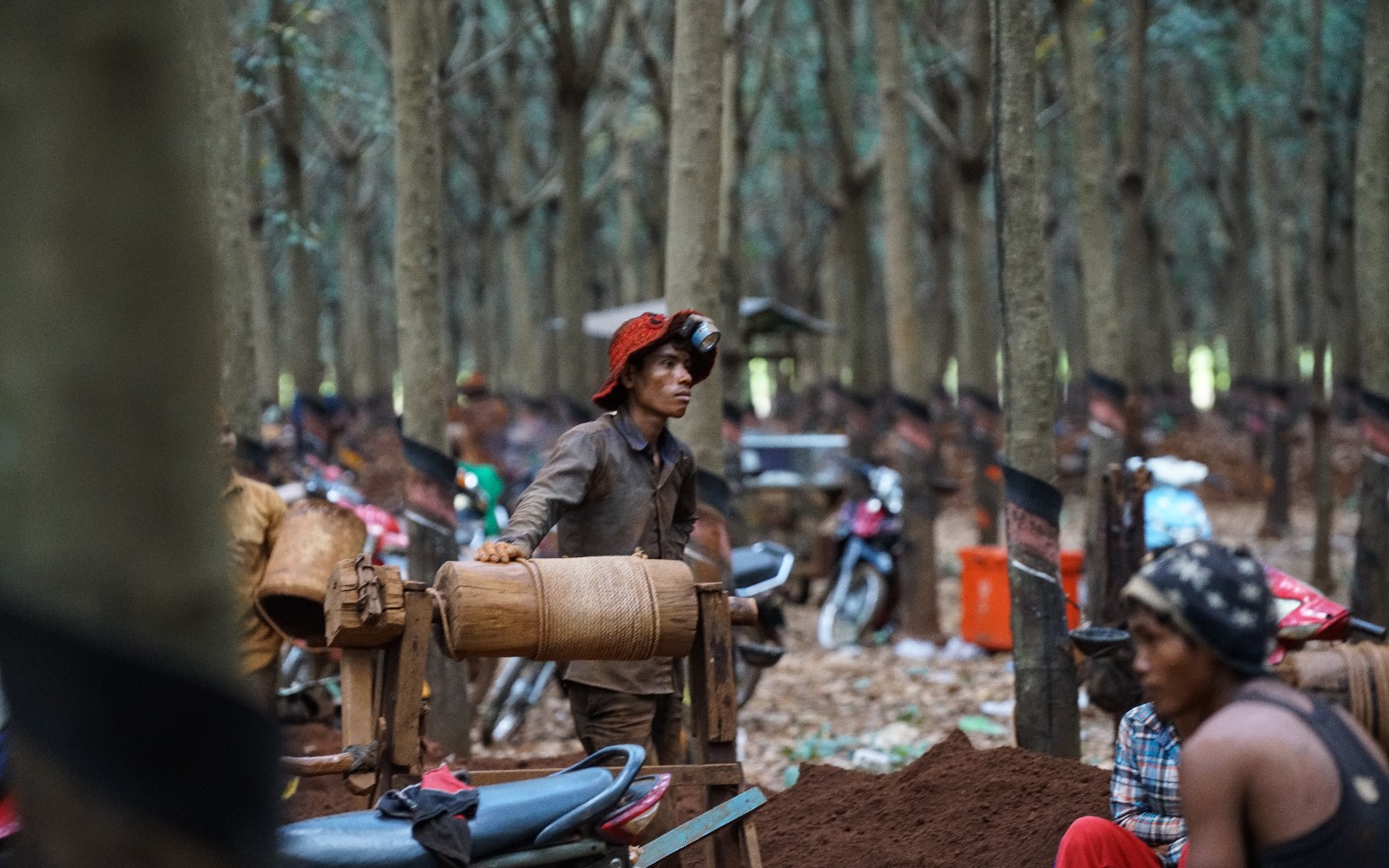
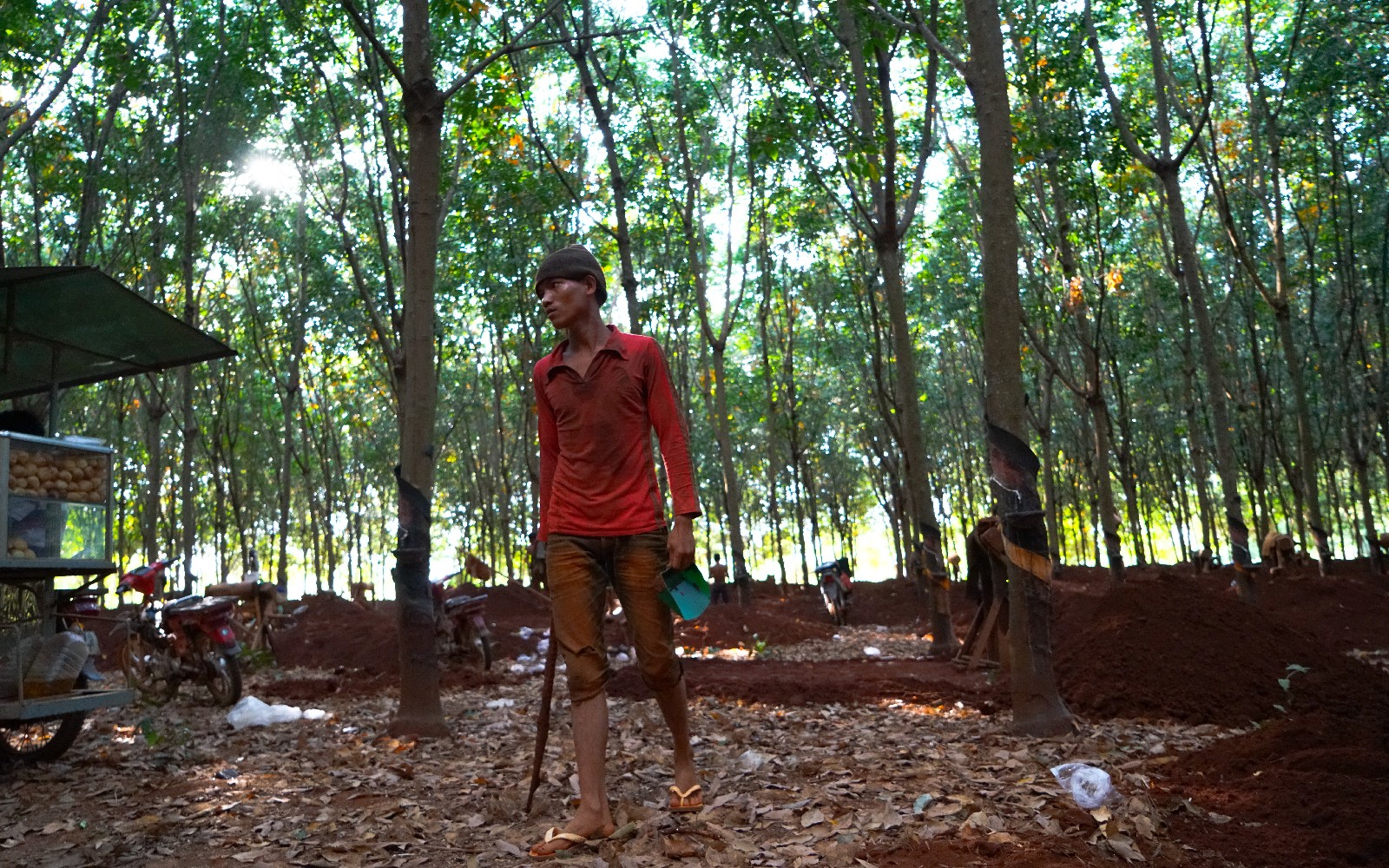
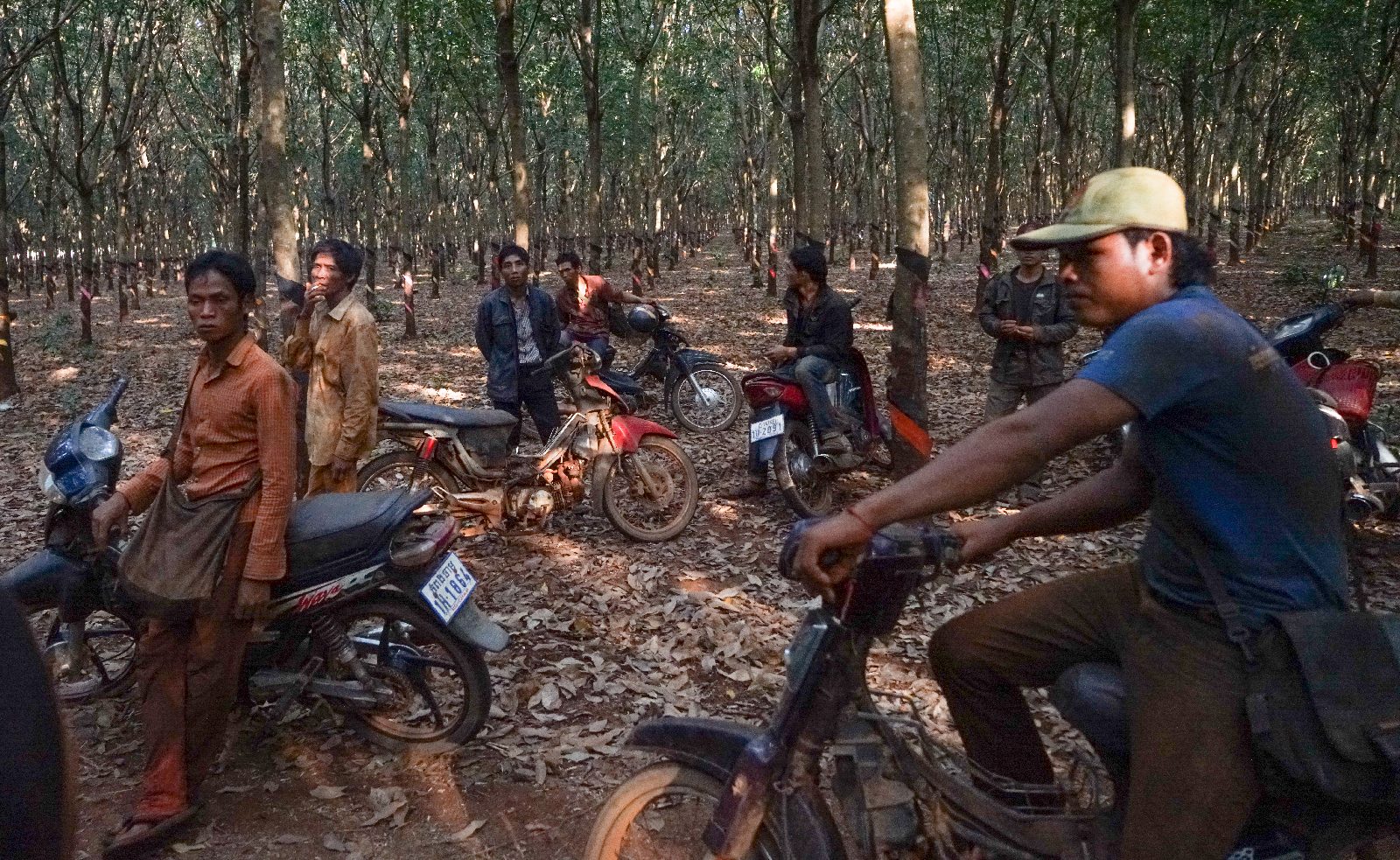
What is new, is that the highlanders are digging between the rubber trees, planted and owned by foreign farmers – and not in their own original forest. Their land was signed away in concessions to investors, many from China, Vietnam and Australia for 99 years. 20 thousand hectare patches of original forest, with valuable hardwood trees, are logged and exported. The highlanders have no right to their land, no legal papers, no marker stones, no lobby to prove that it is the land of their ancestors.  A lot of the logging is illegal activity. With the help of SUVs, who drive recklessly at top speed over the newly build roads, stopped by nothing – a sure sign that they carry illegal cut wood, is how heavily they are loaded, the chassis’ are almost hitting the tires.

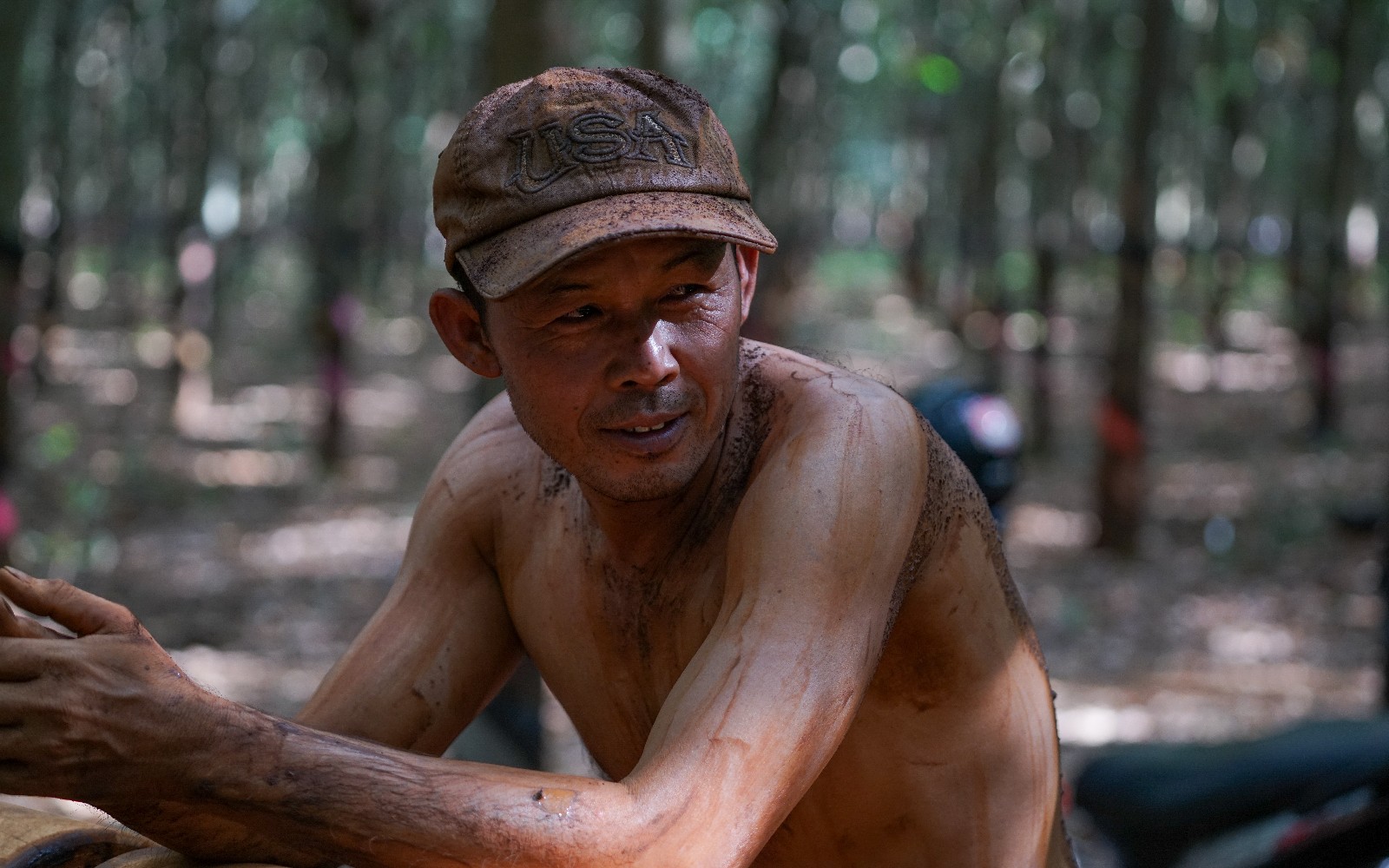
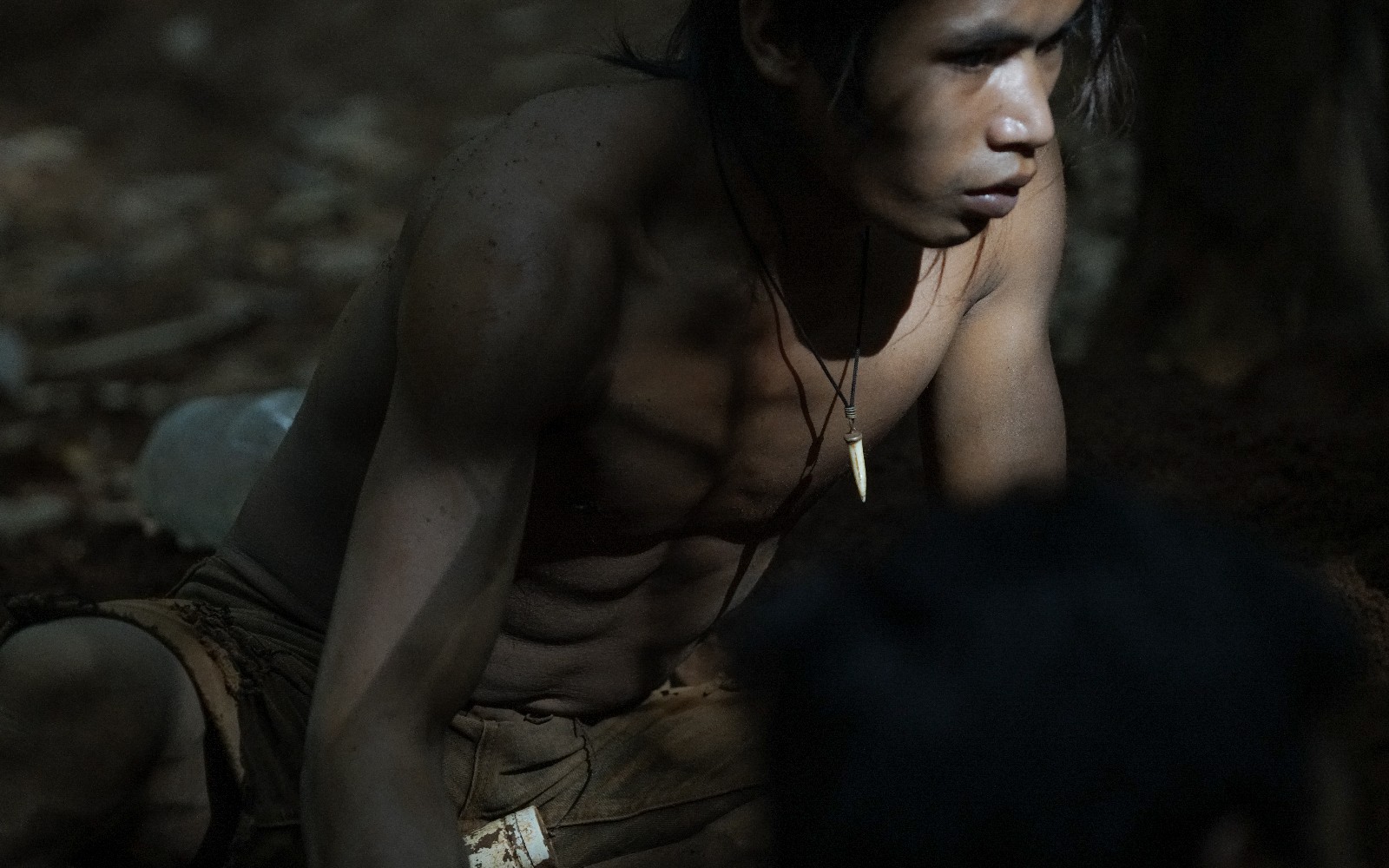
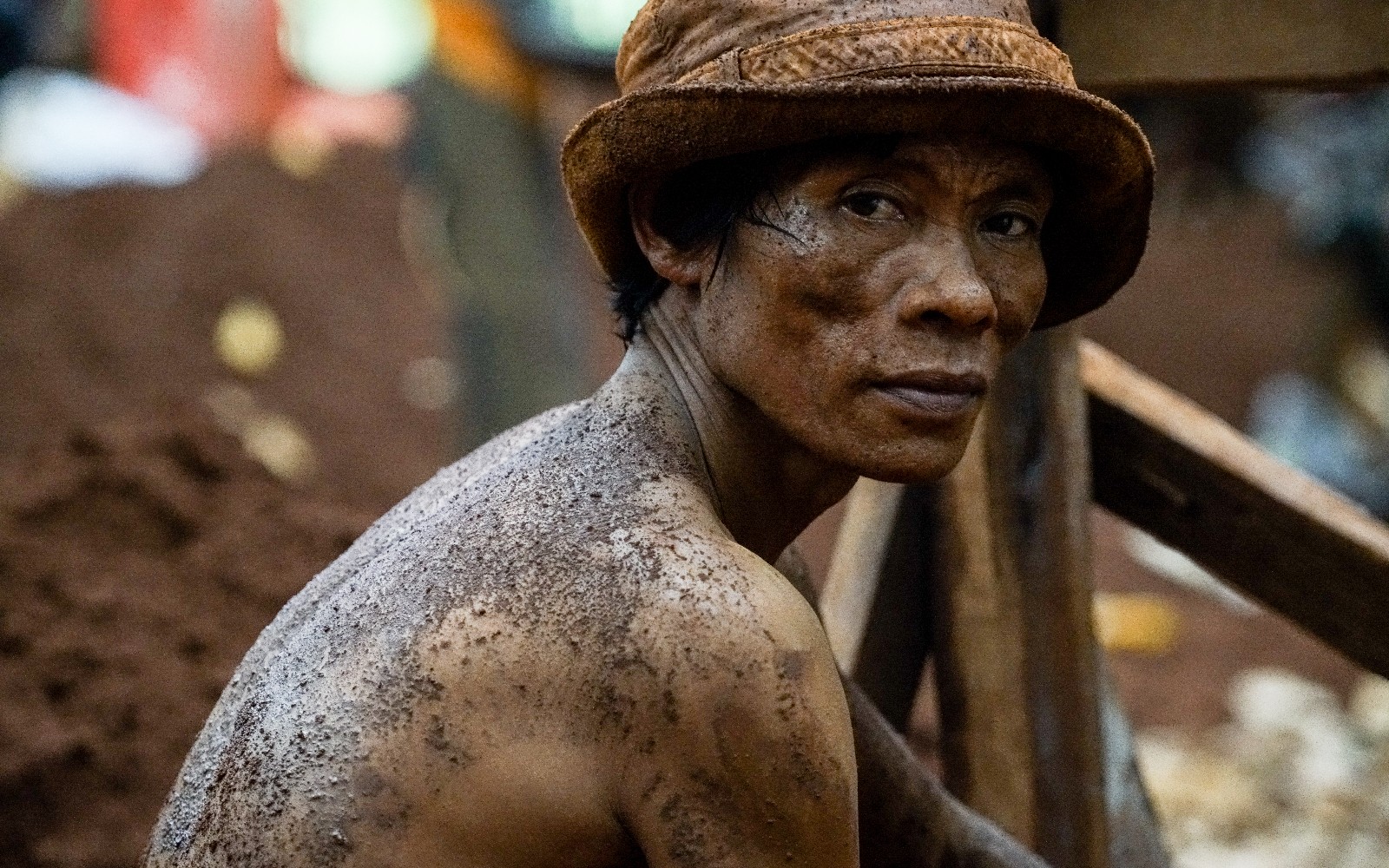
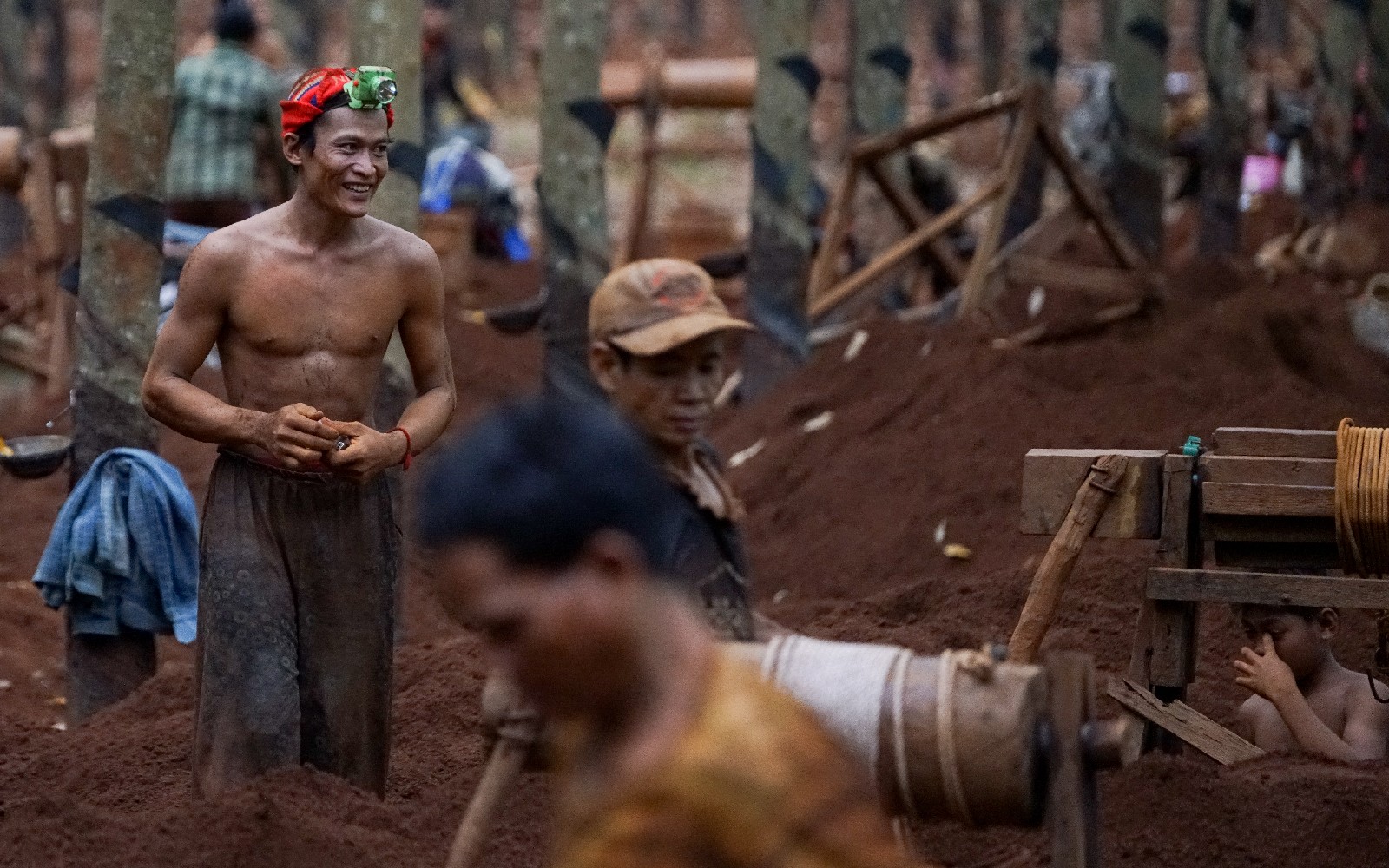
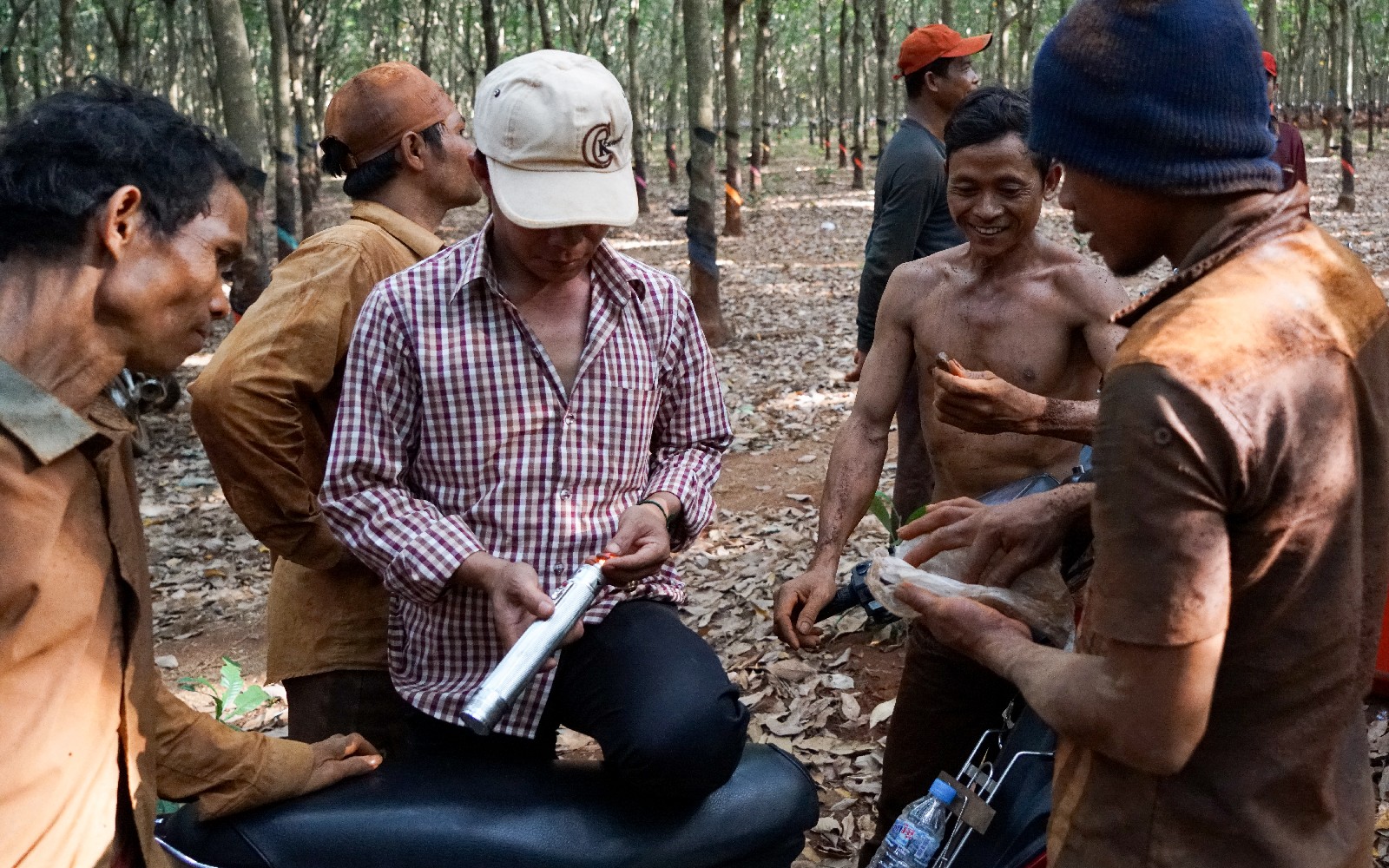
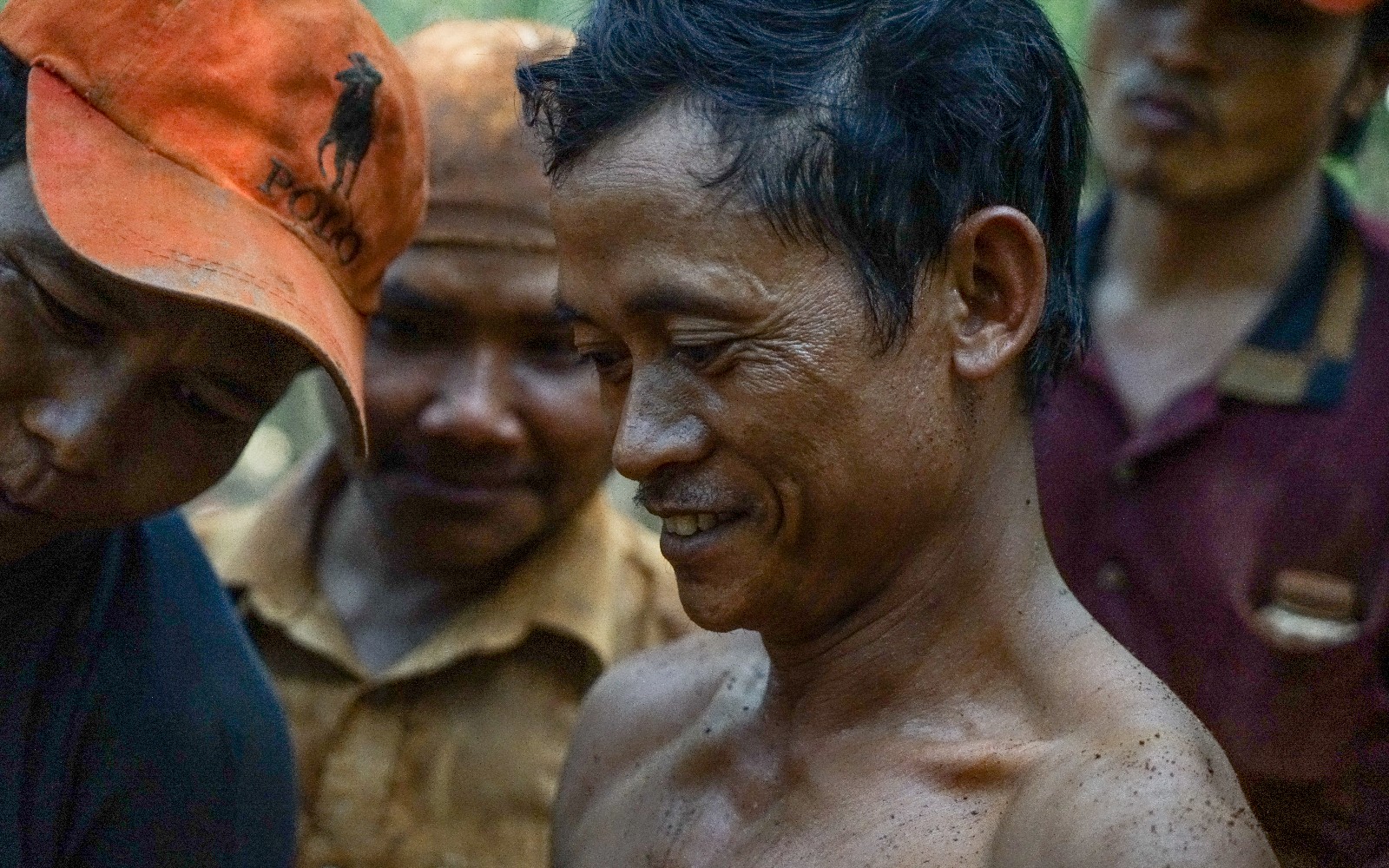
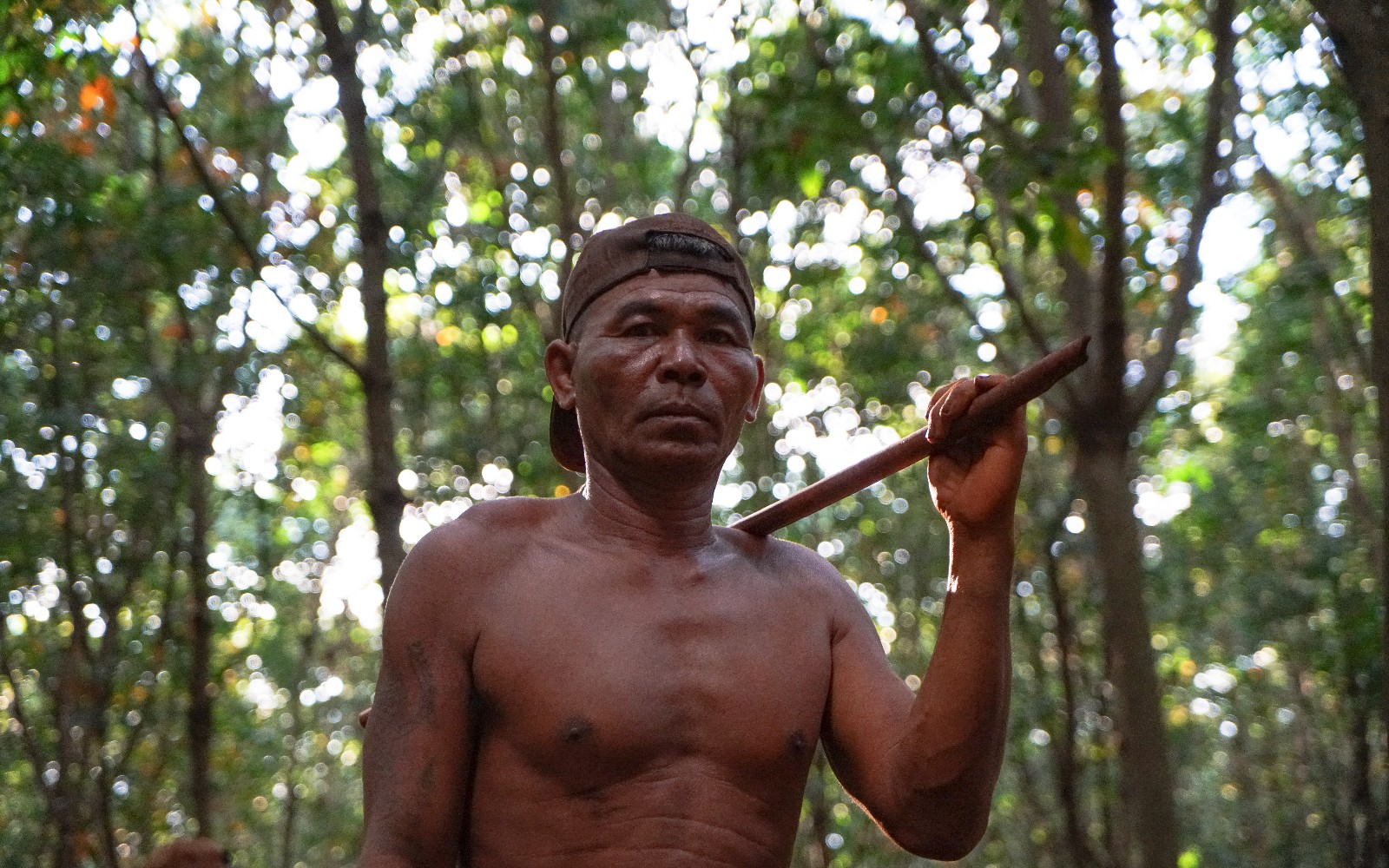
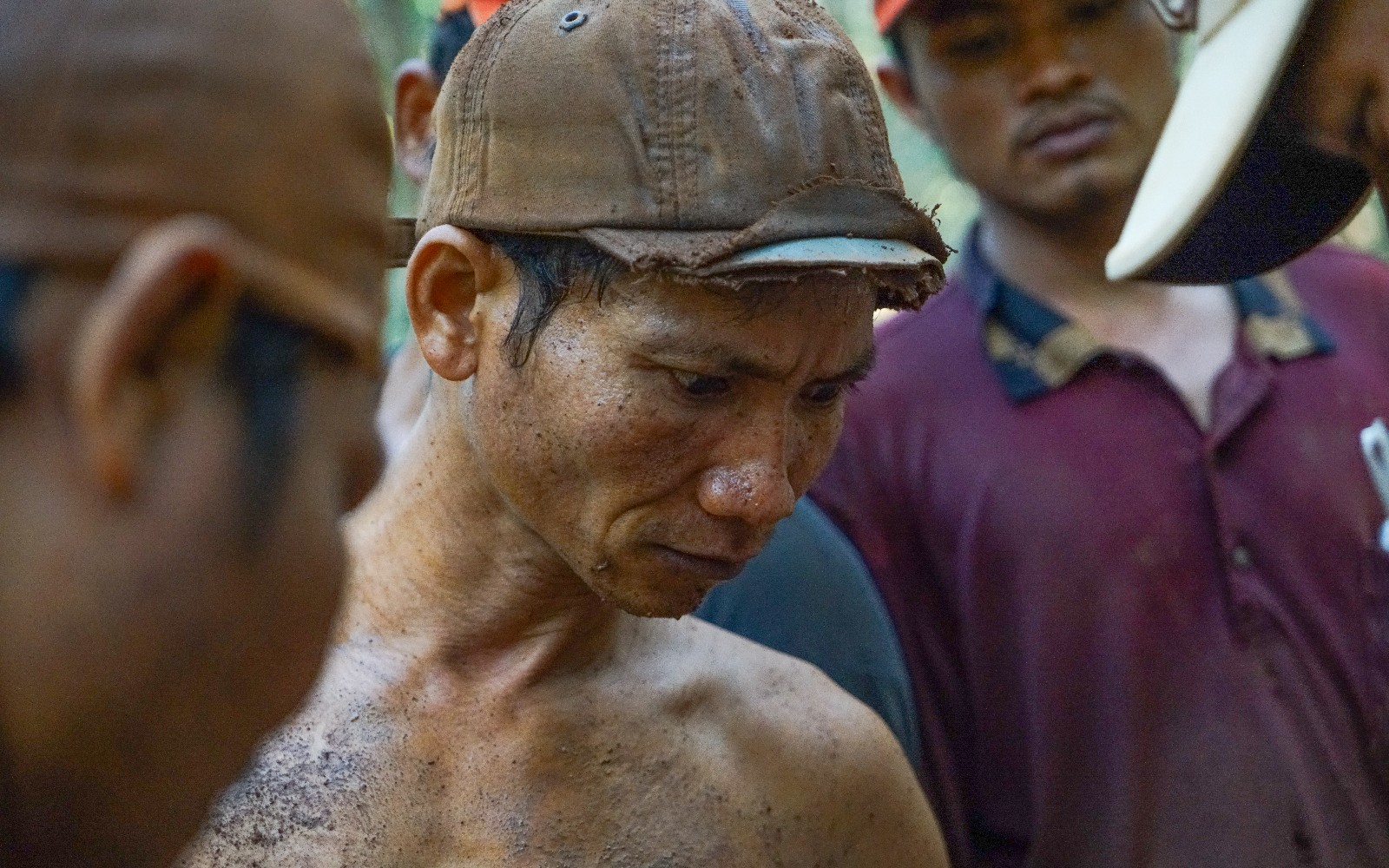
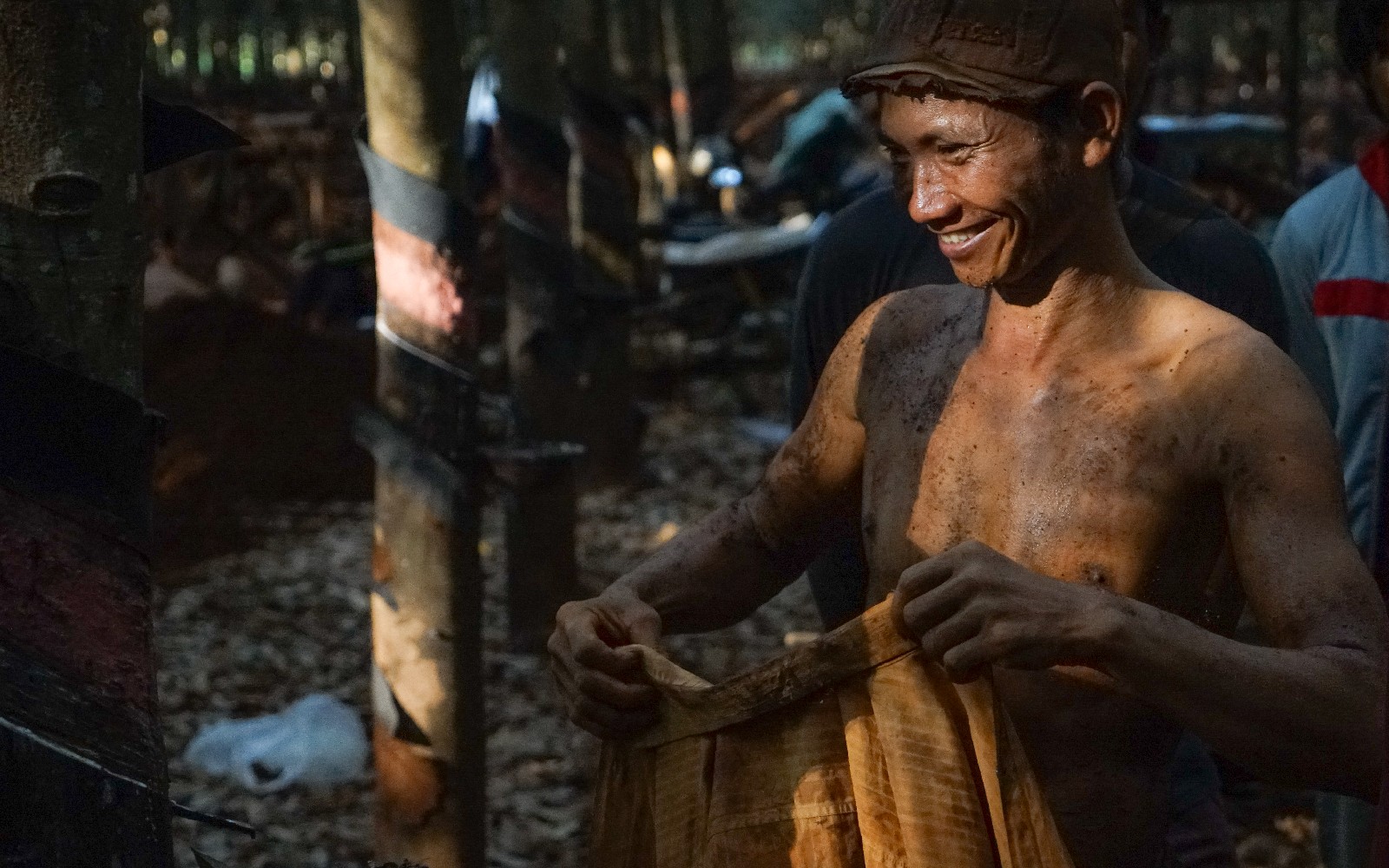
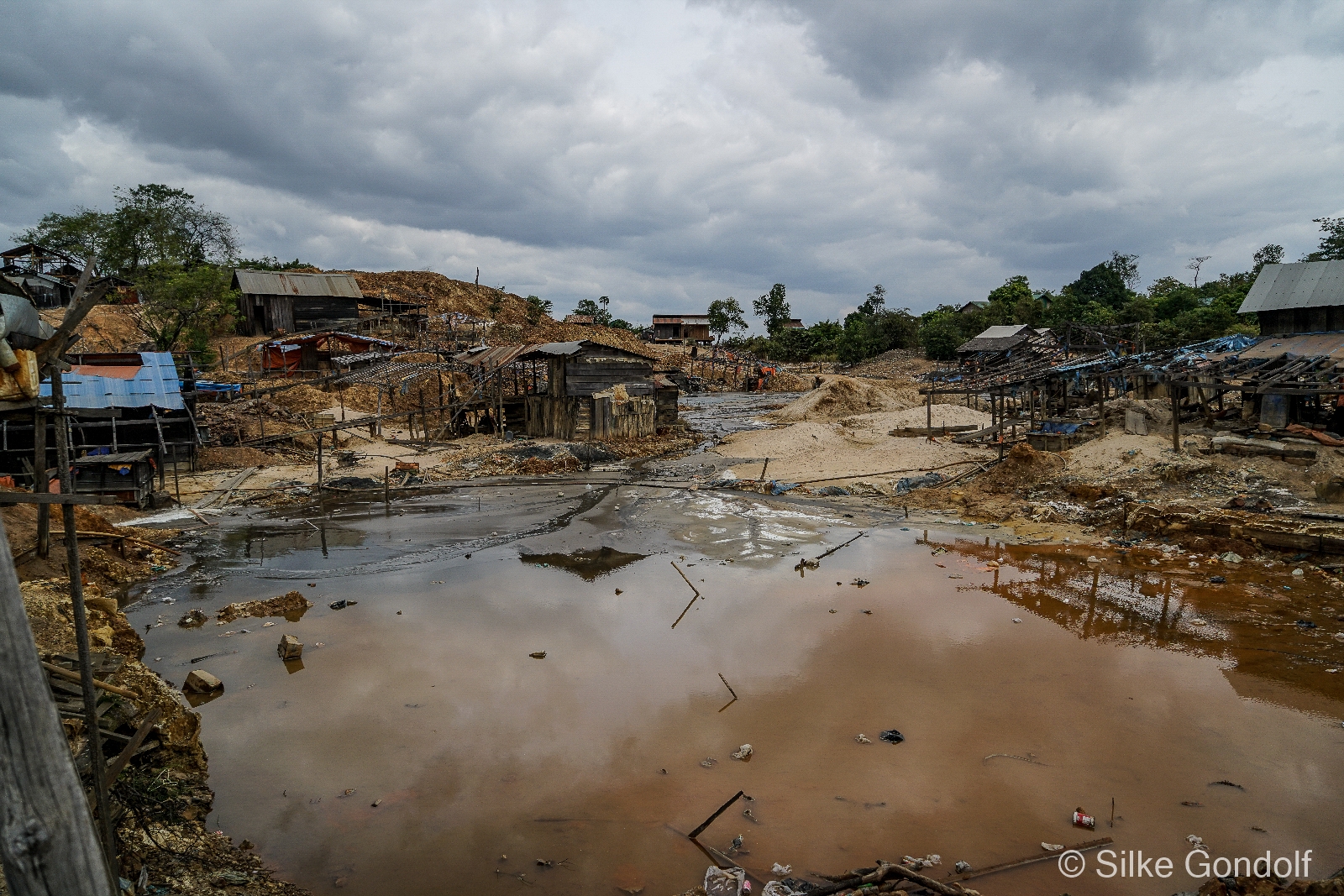
The miners are mostly highlanders, only a few are Khmer or even Vietnamese, and they come from the surrounding villages. Since they lost their forest – and with that their livelihood – to the people who planted the rubber and cashew trees – they have no other choice but to dig to make a living,.

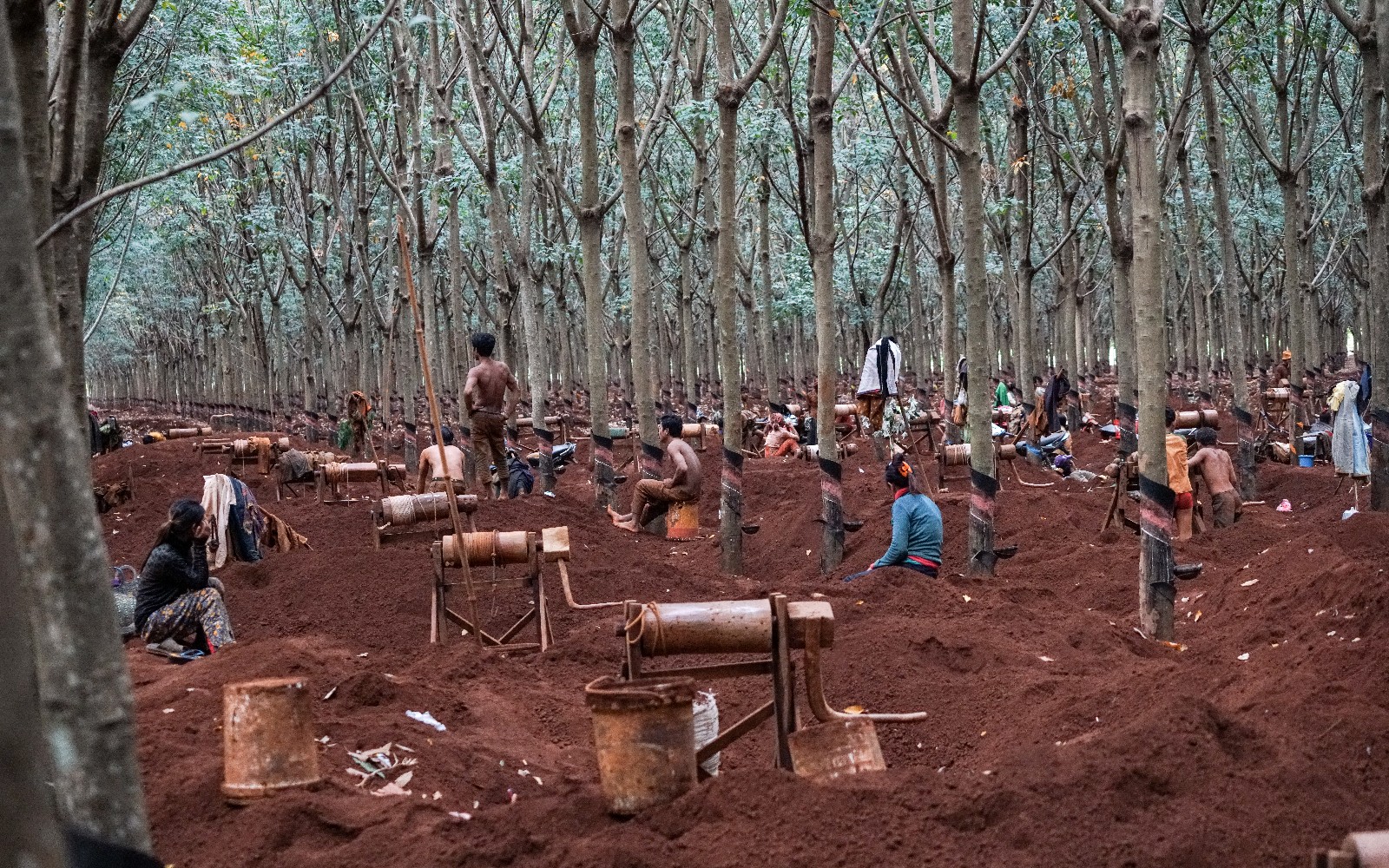
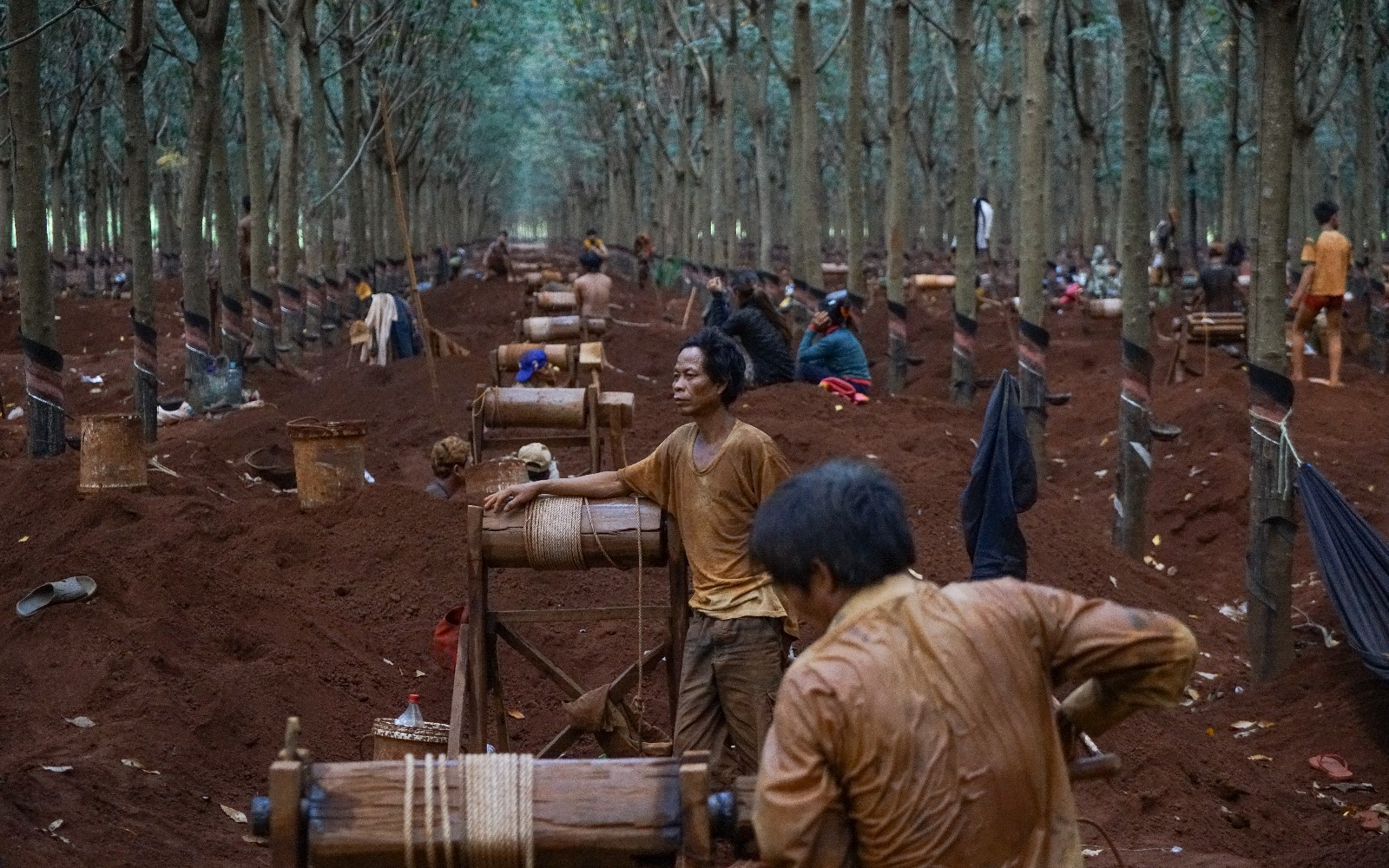
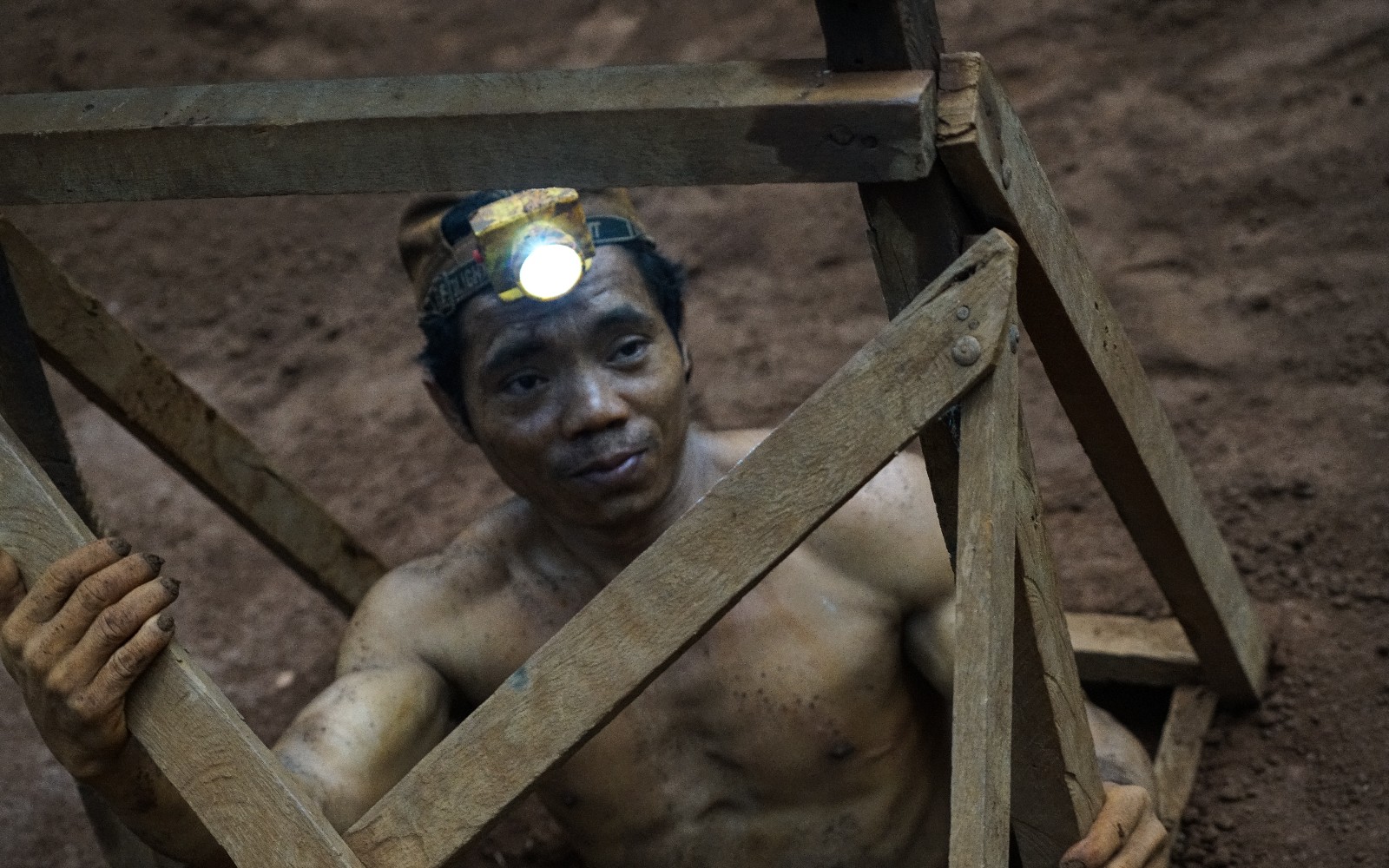
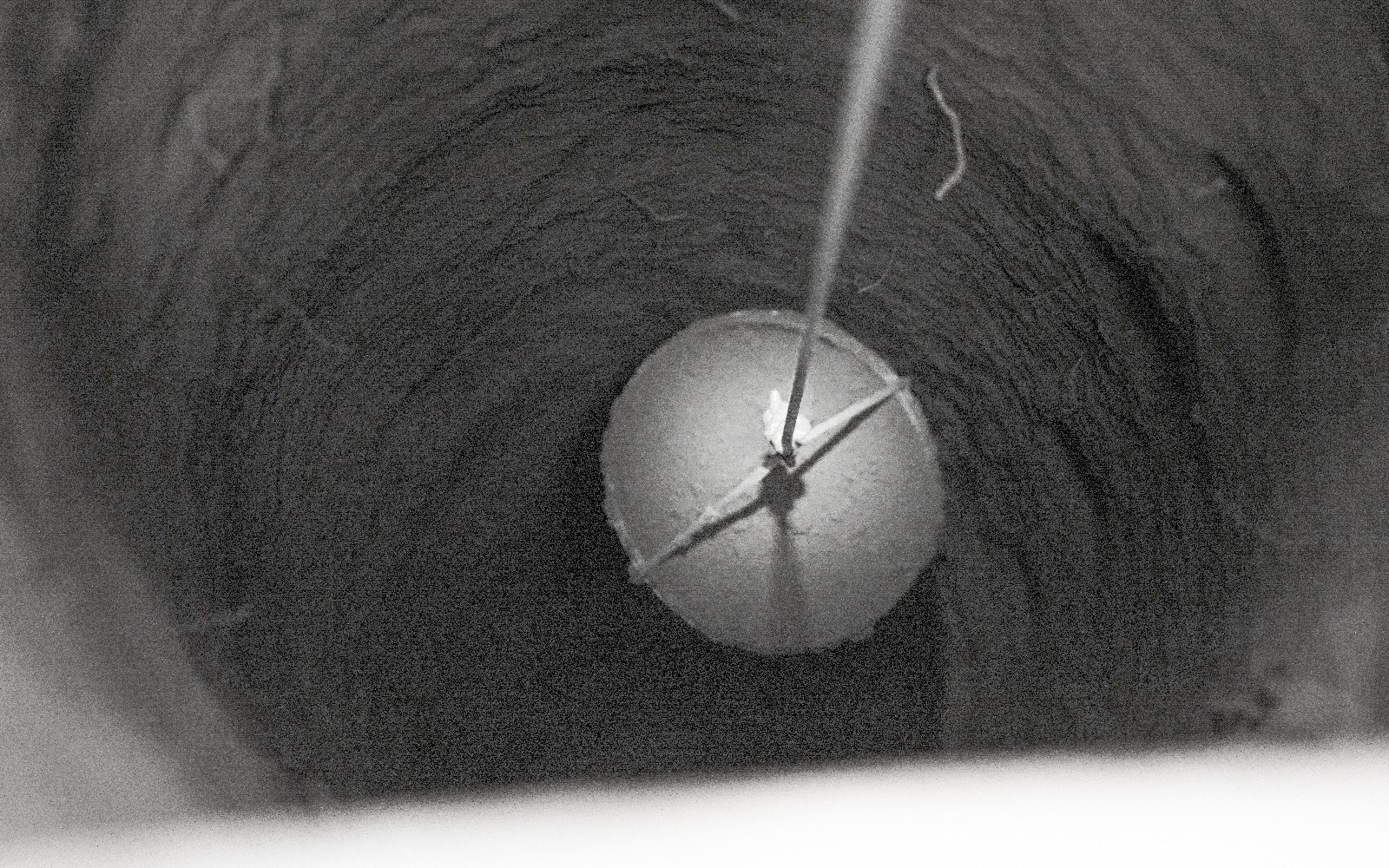
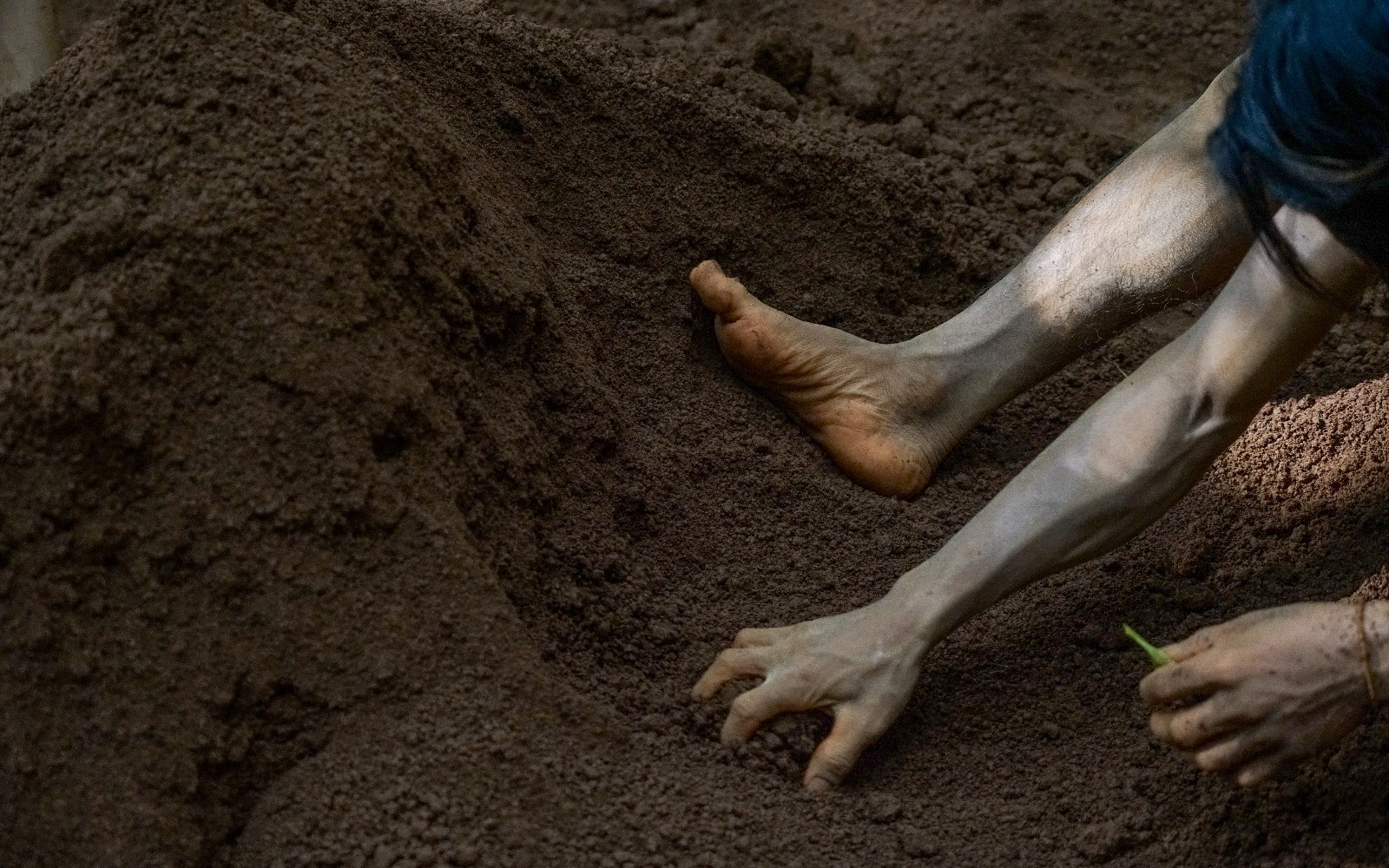
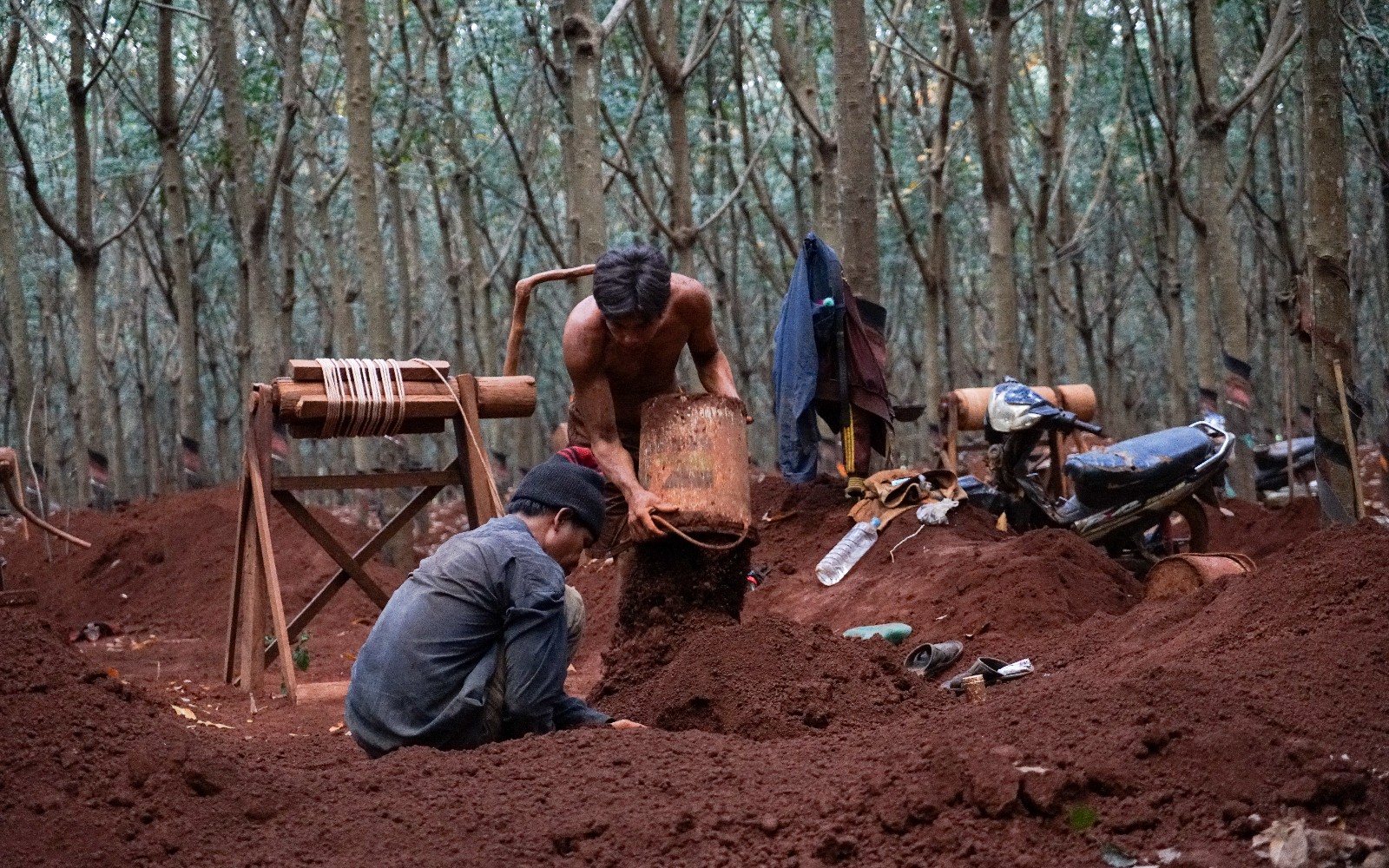
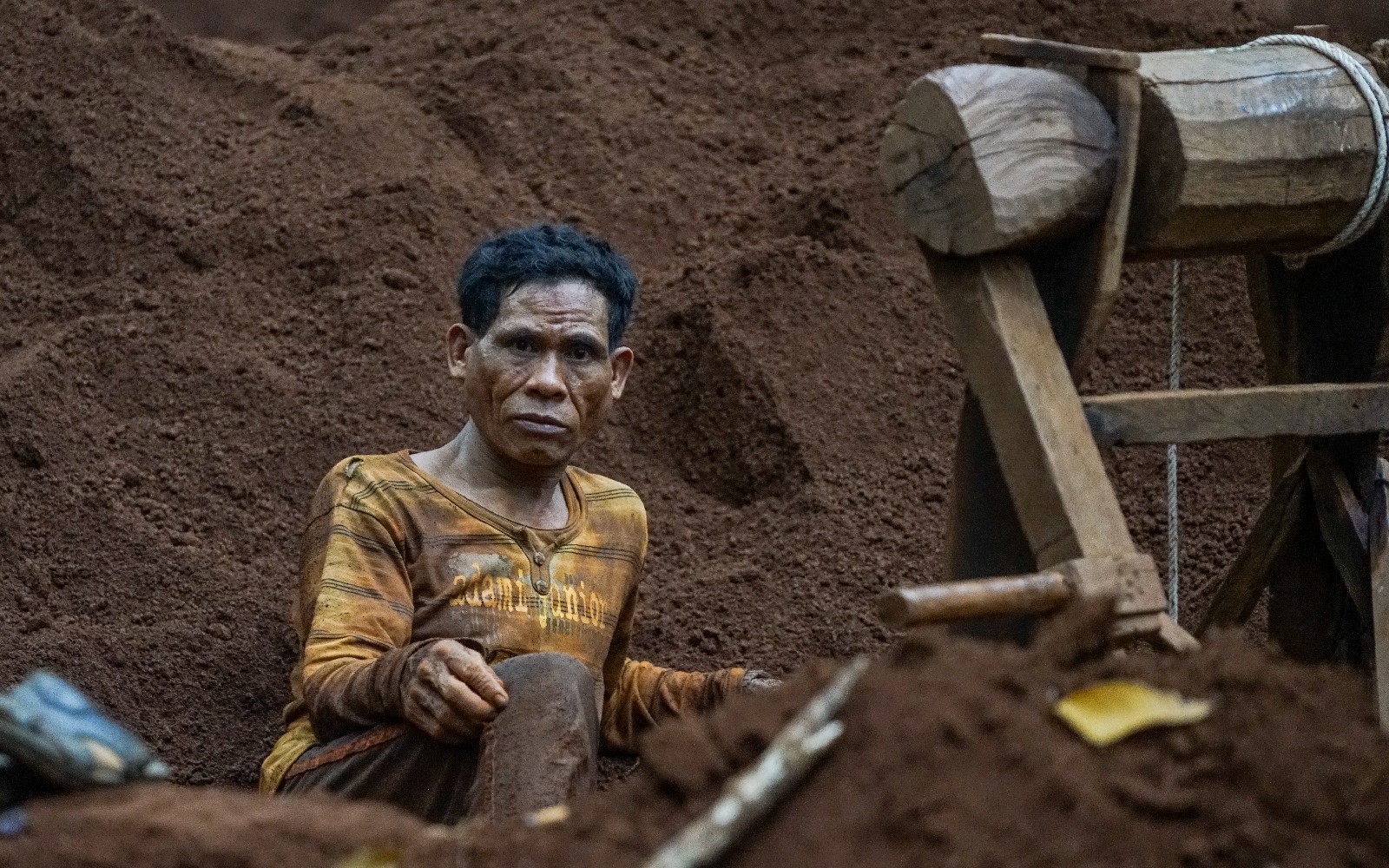
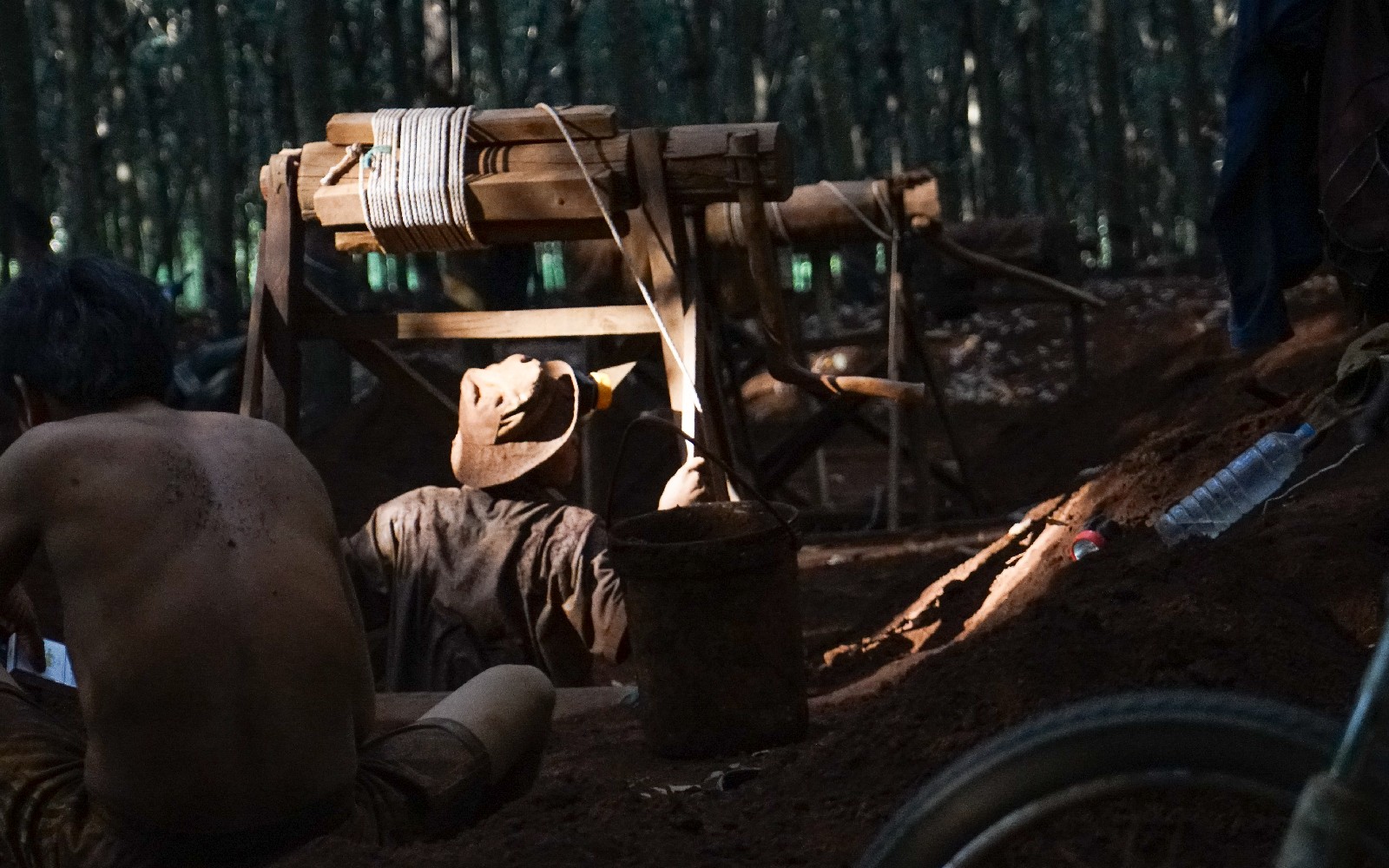
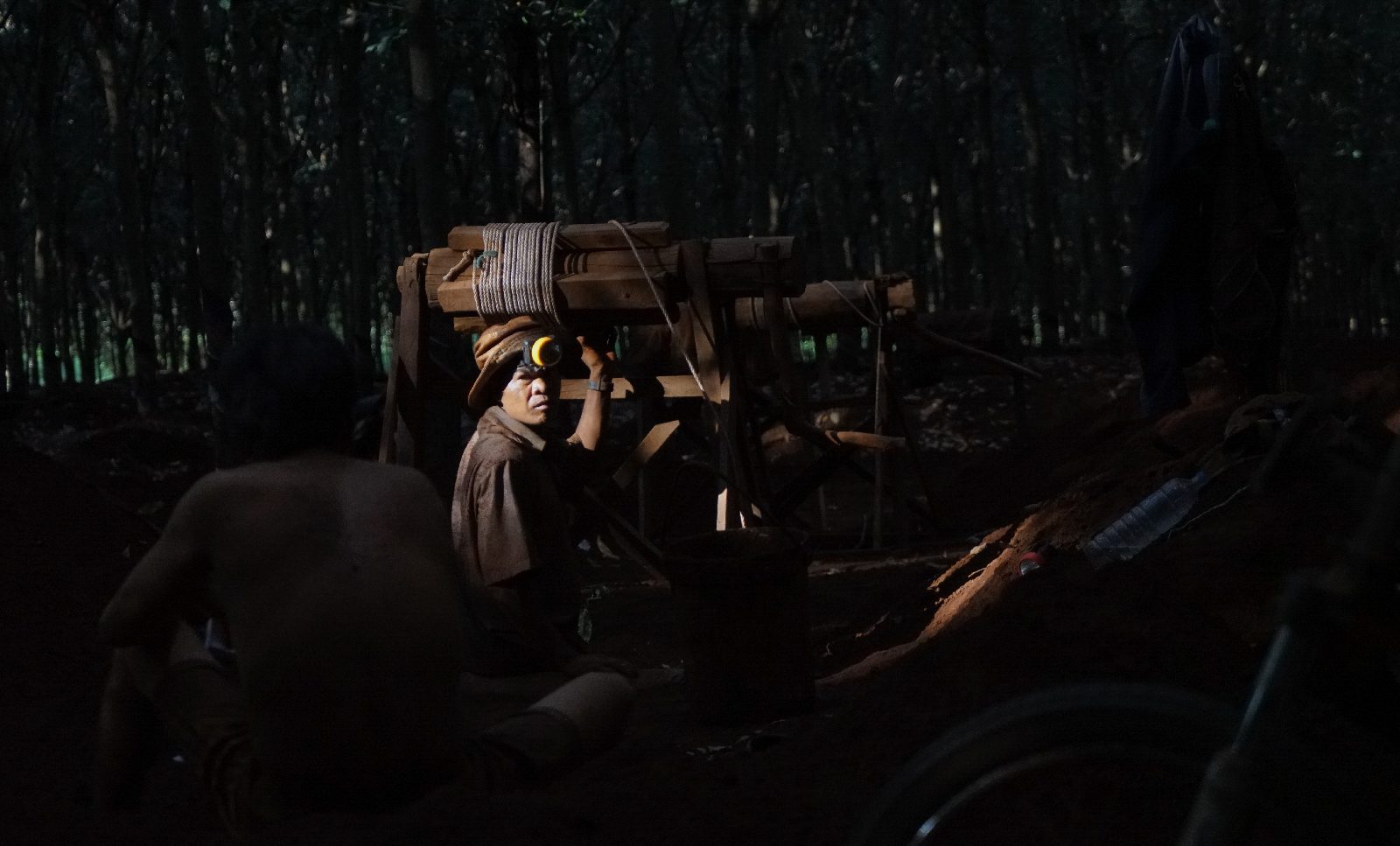
They start in the morning, the shafts are very narrow, less than a meter. They dig up to 12 or 15 meters deep and then start fanning out horizontally. The shaft has no wooden beams, just small steps for elbows and feet to climb down into the hot and humid mud hole. The first hole they dig is the worst because there is no ventilation and the earth spits out the heat and humidity it holds. Once the shafts are connected, the air floats – but the risk of collapsing tunnels triples. People die every day in Bokheo.

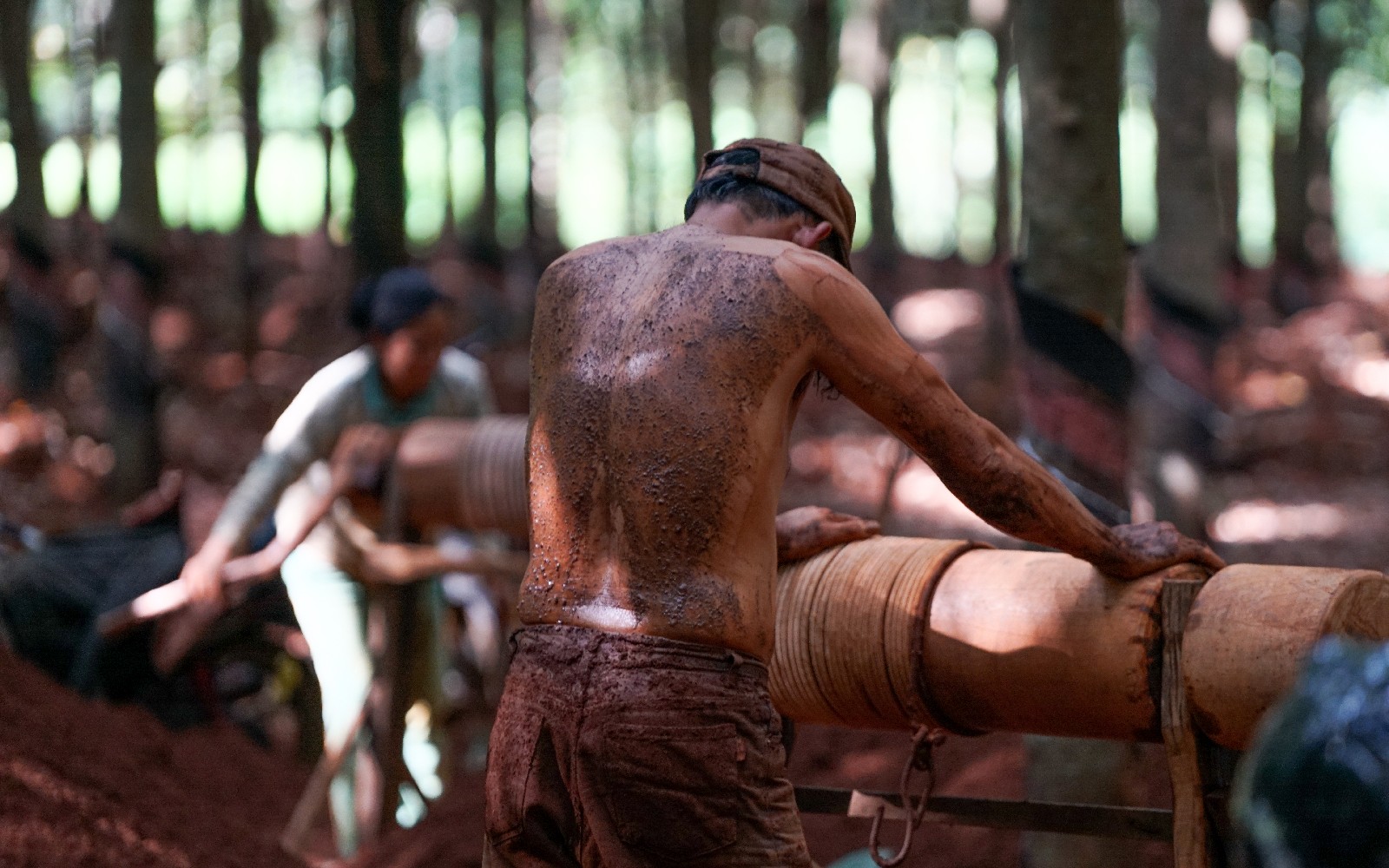
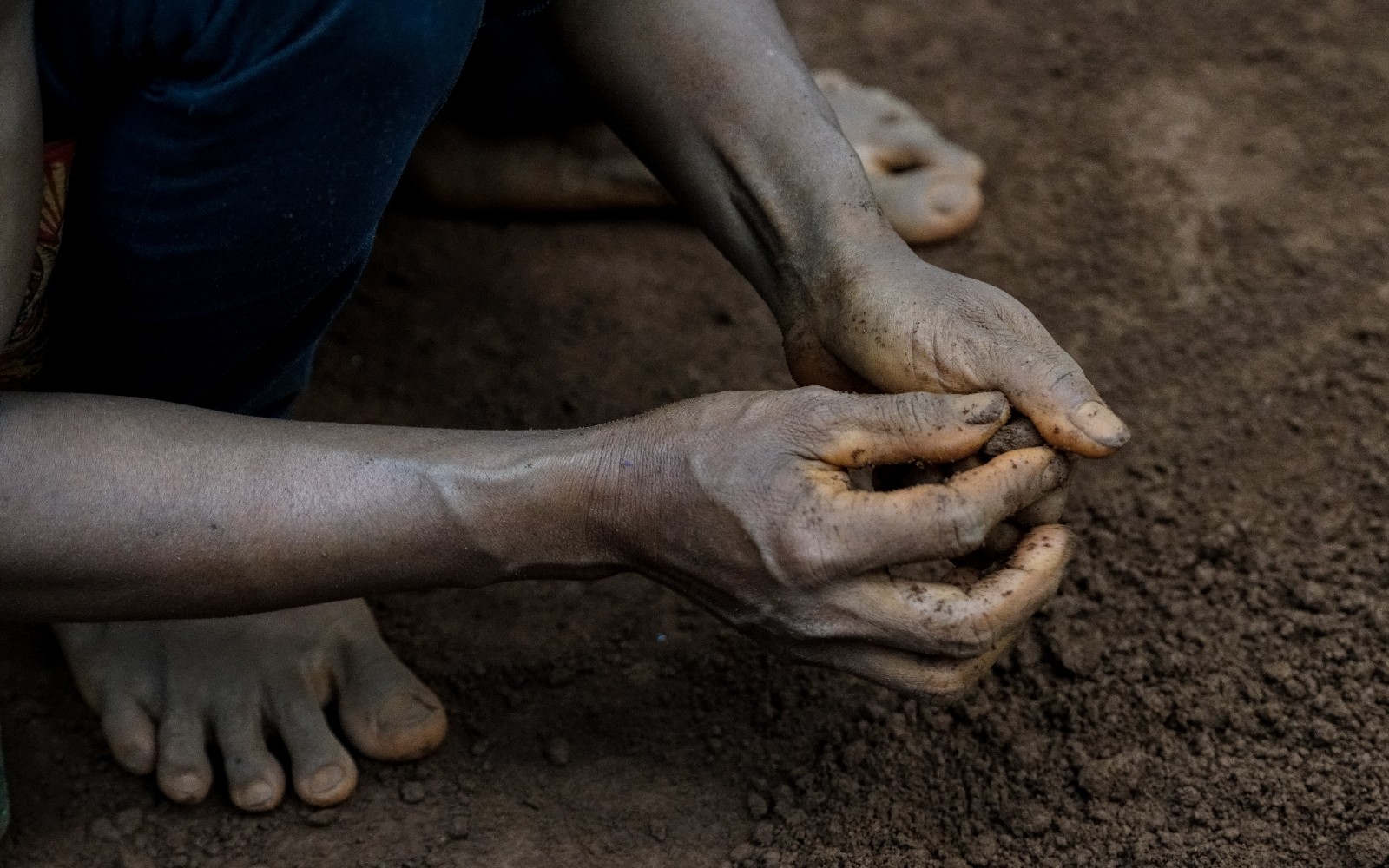
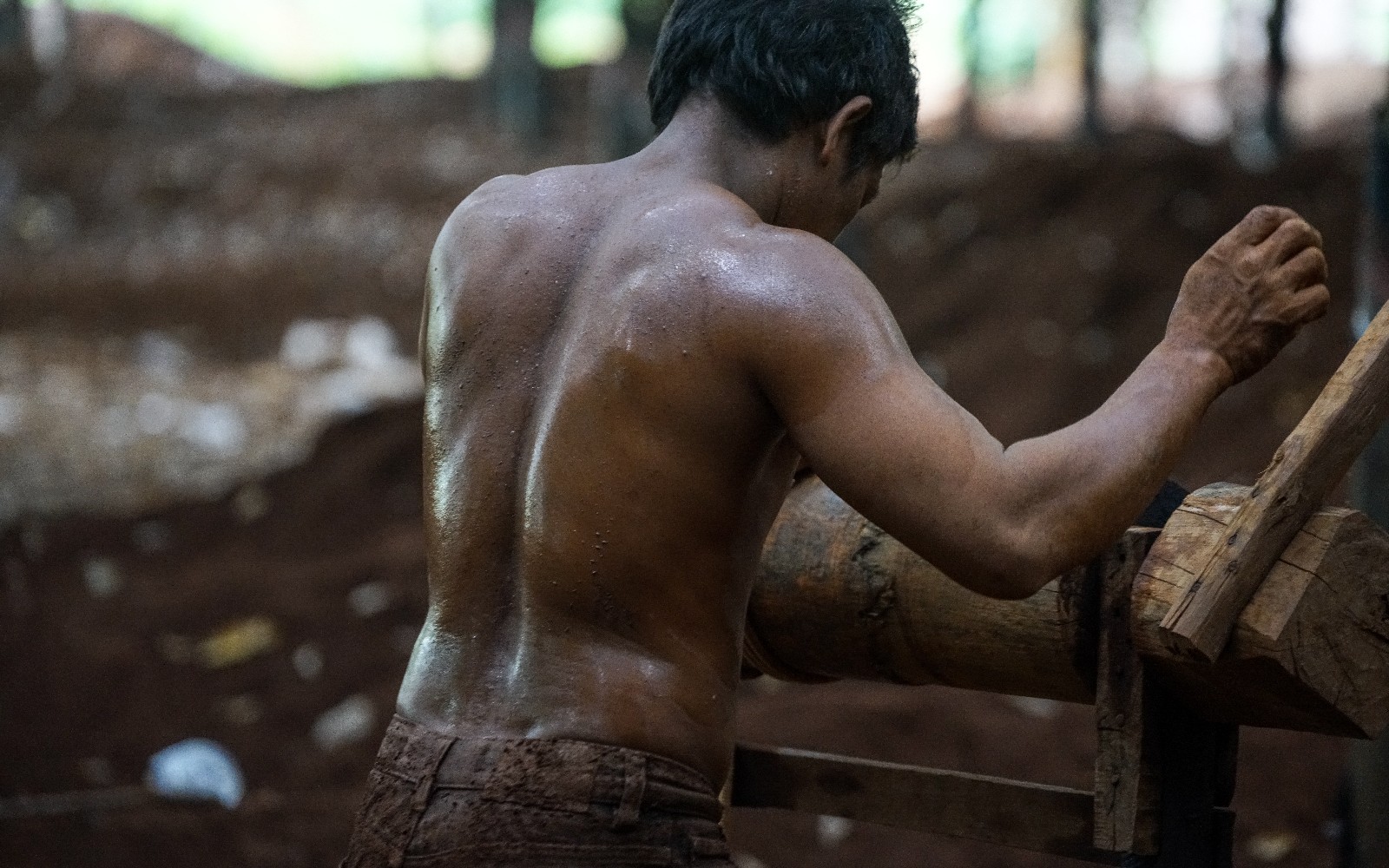
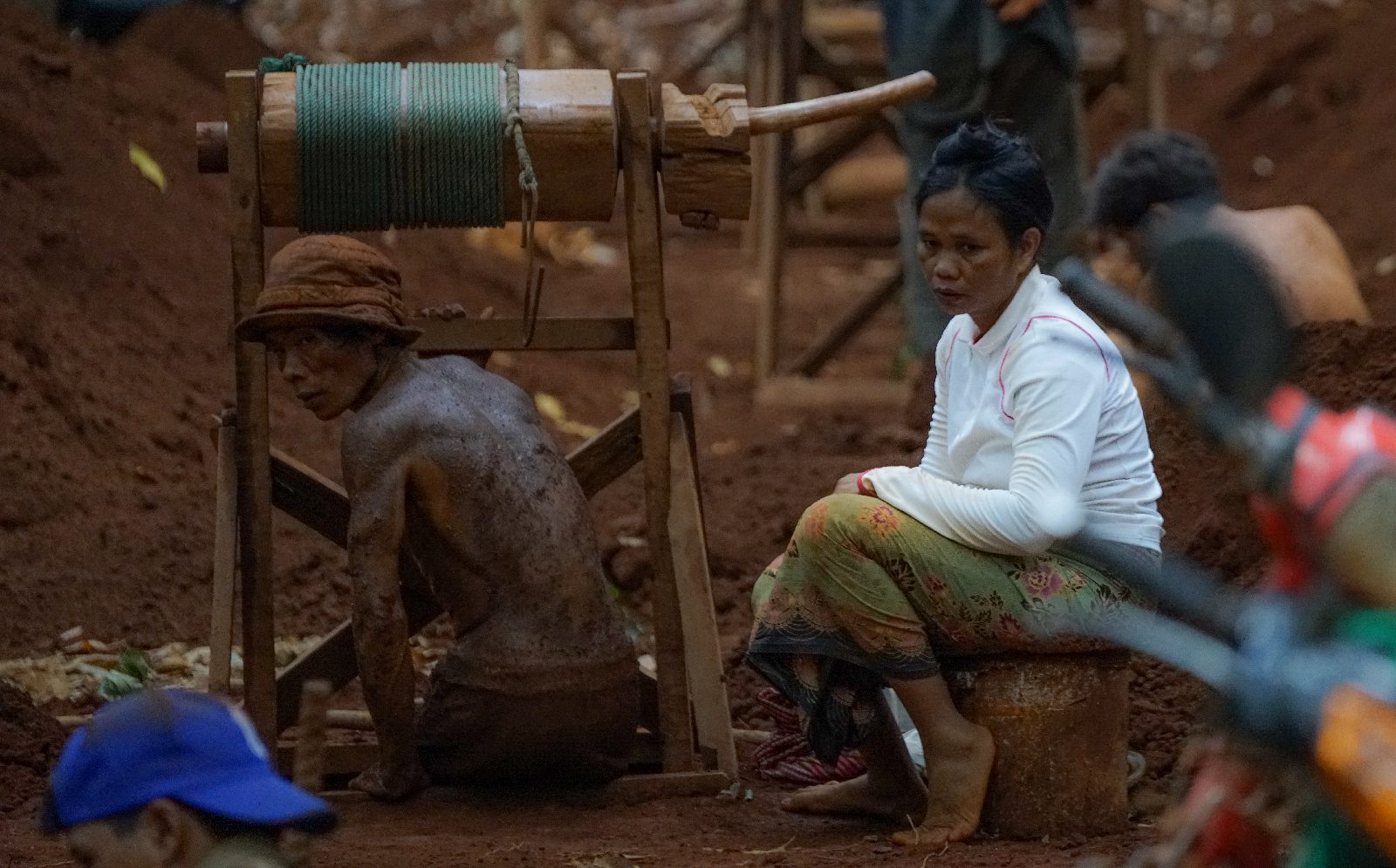
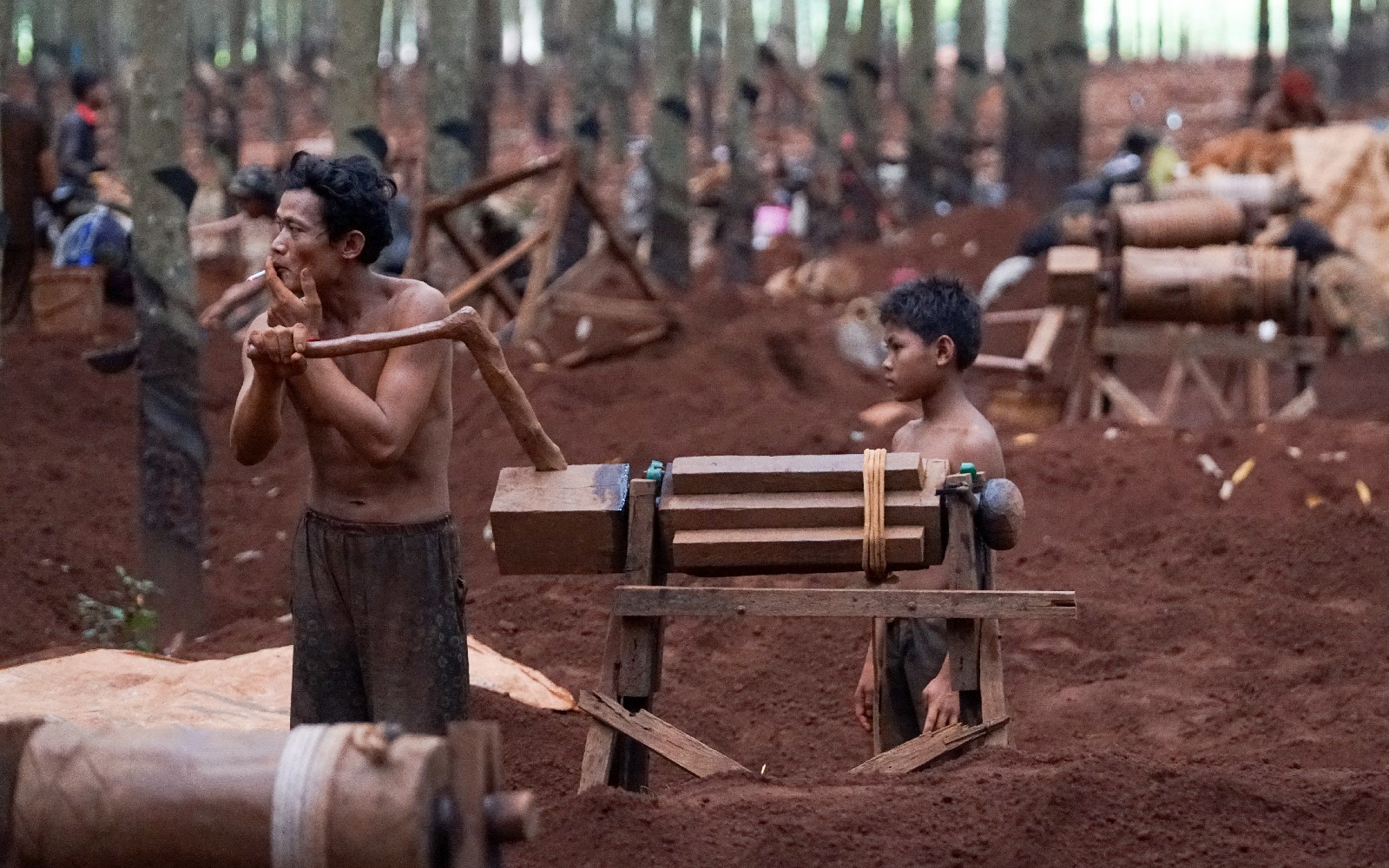
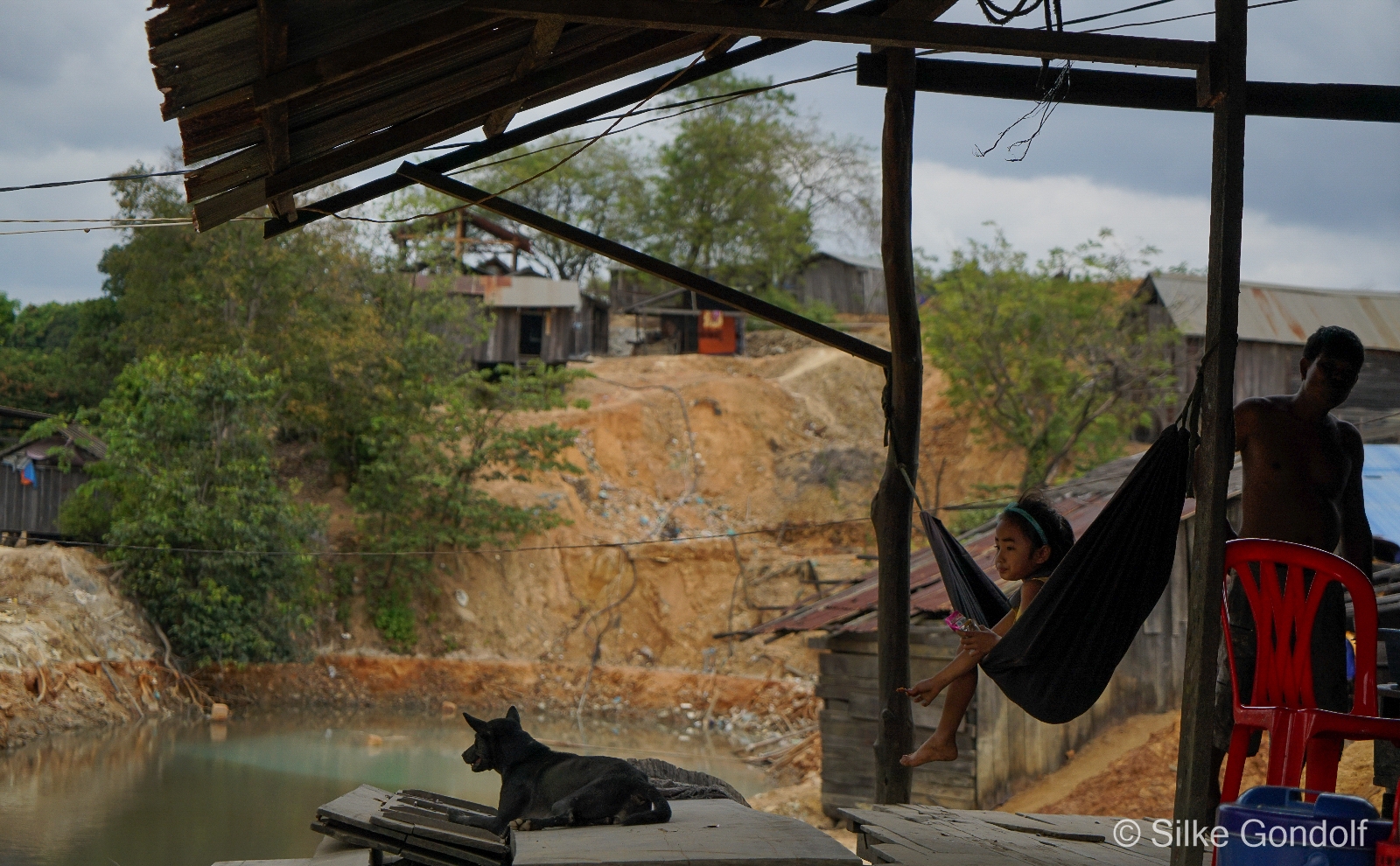
Families work as a team.  Child labor is normal; children need smaller shafts to go down. People dig a seven-meter-deep shaft in one day, one person pulls up the buckets filled with mud. Then the sifting through the sticky earth is done over hours.

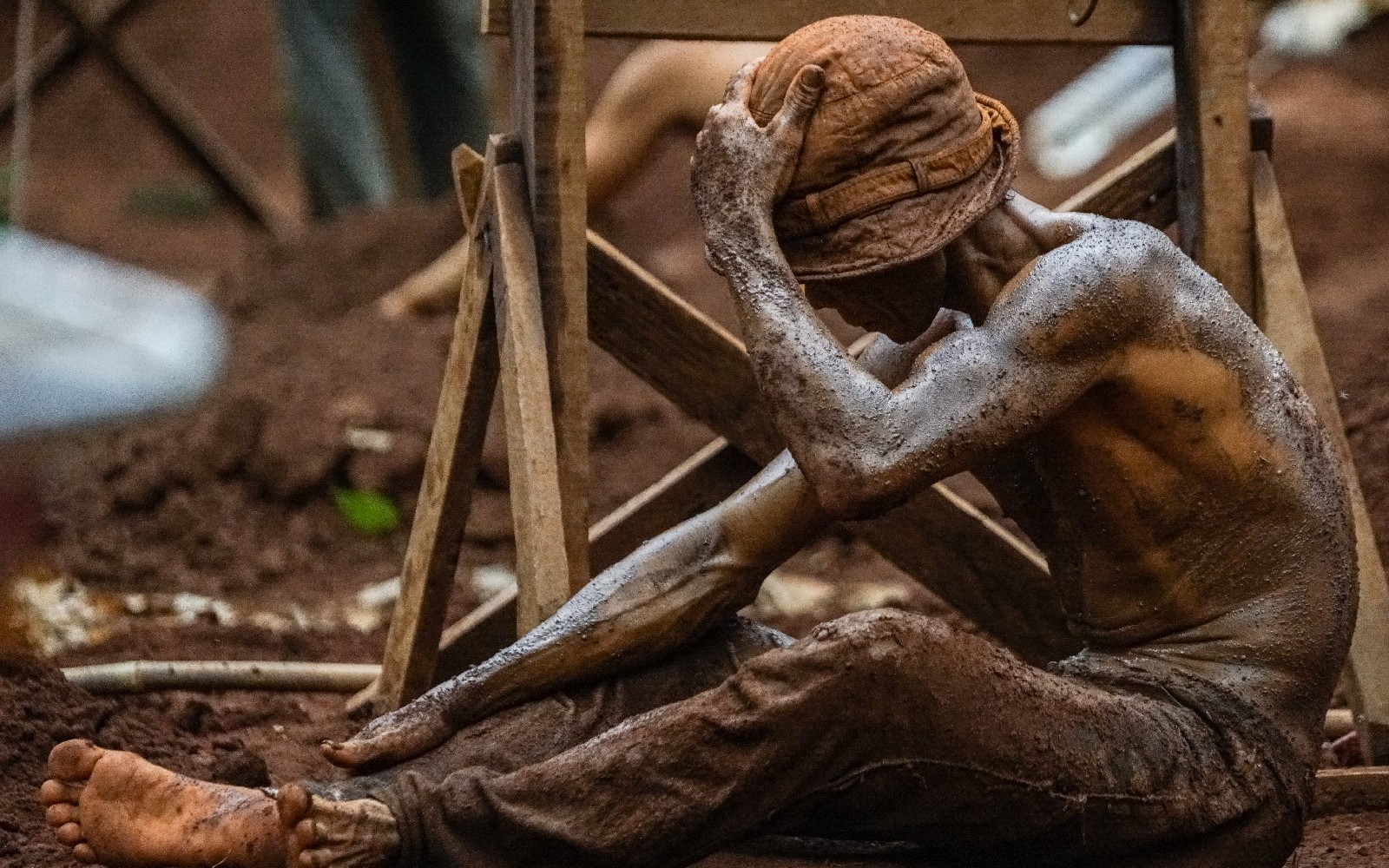
There are probably 3 shafts operated by different miners at a length of 8 meters. It is quiet here, people don’t talk. The ones pulling the buckets look exhausted and sometimes they fall asleep. Husband and wife teams often work together, I saw only the man going into the mine with the women checking the results.

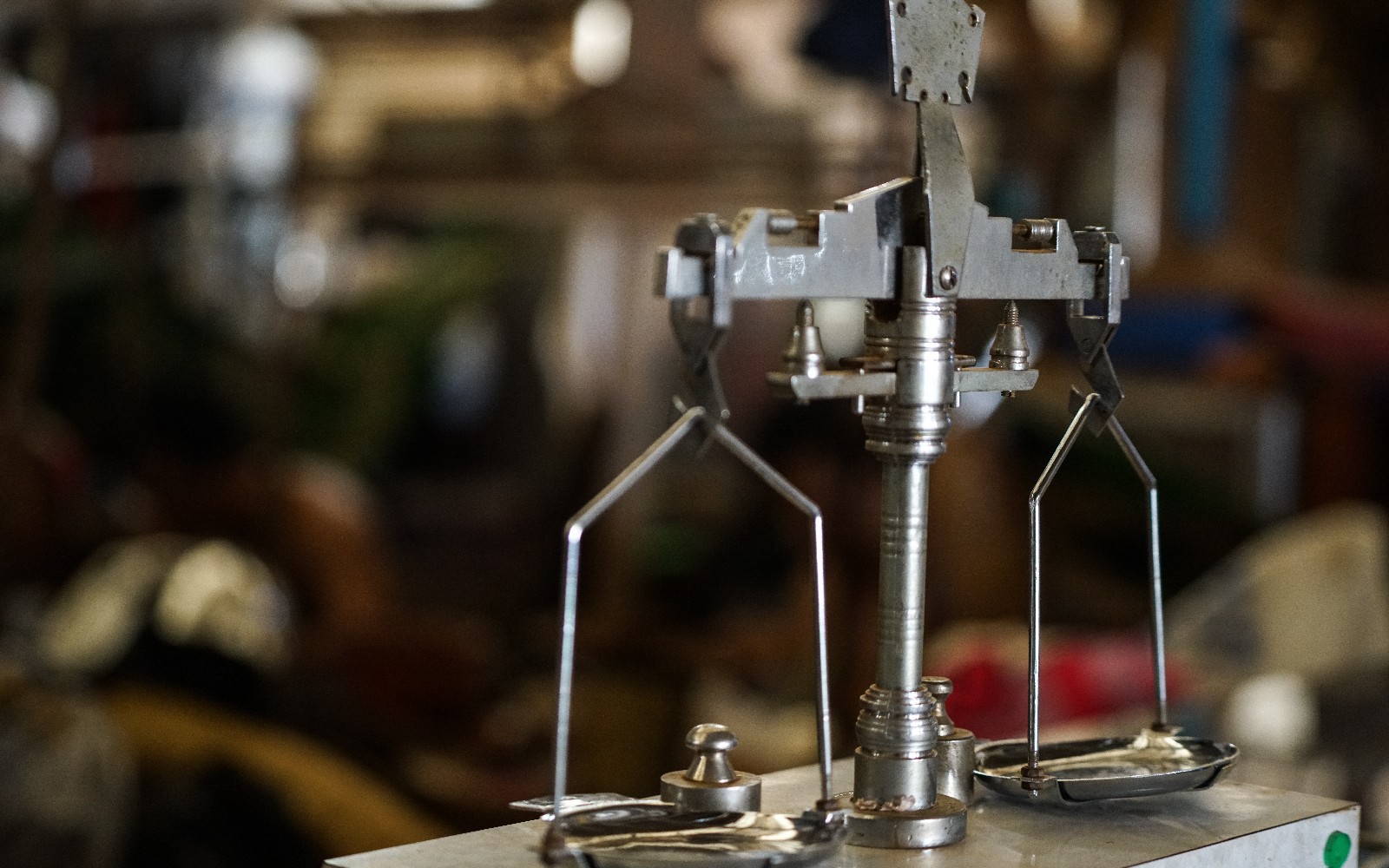
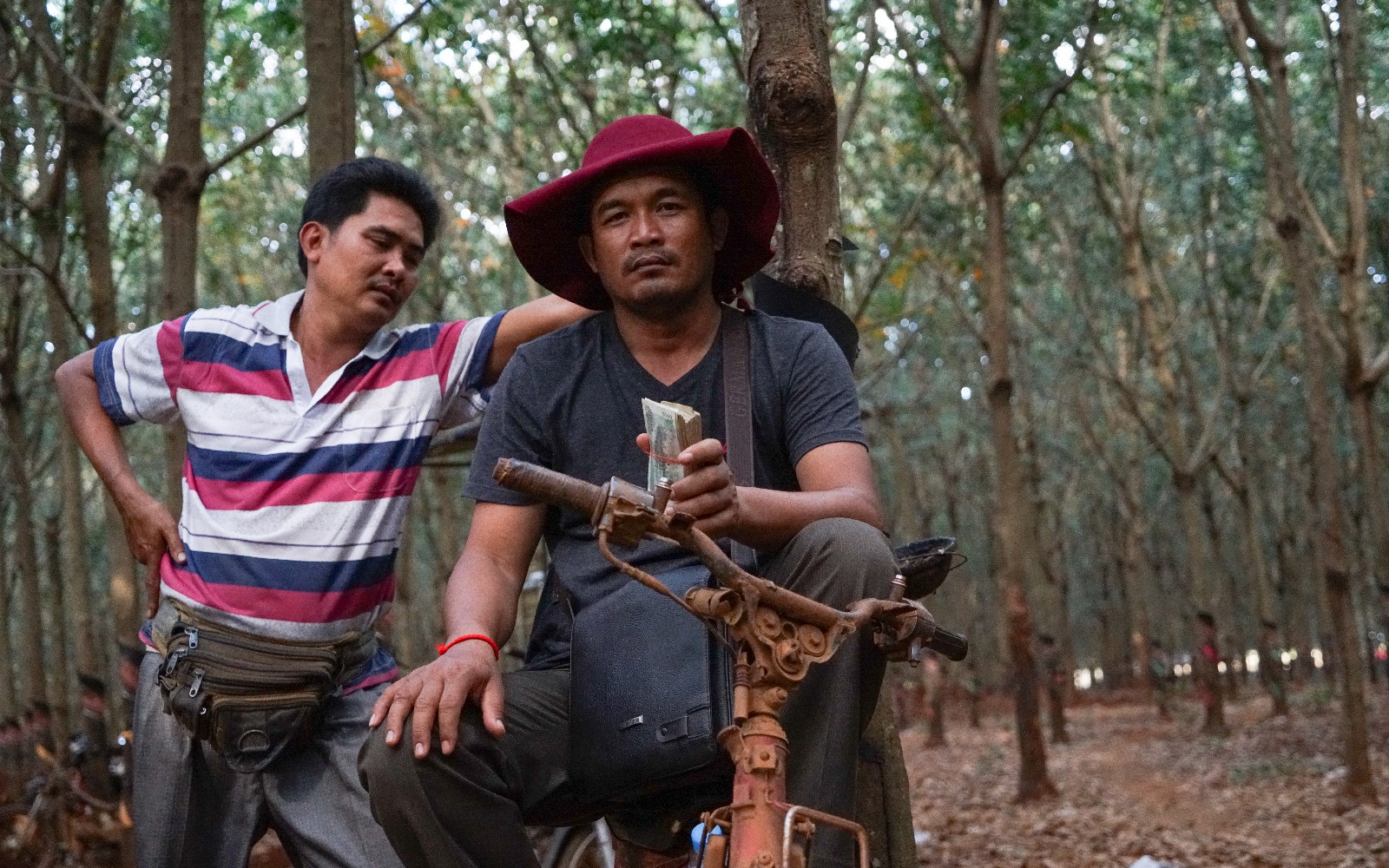
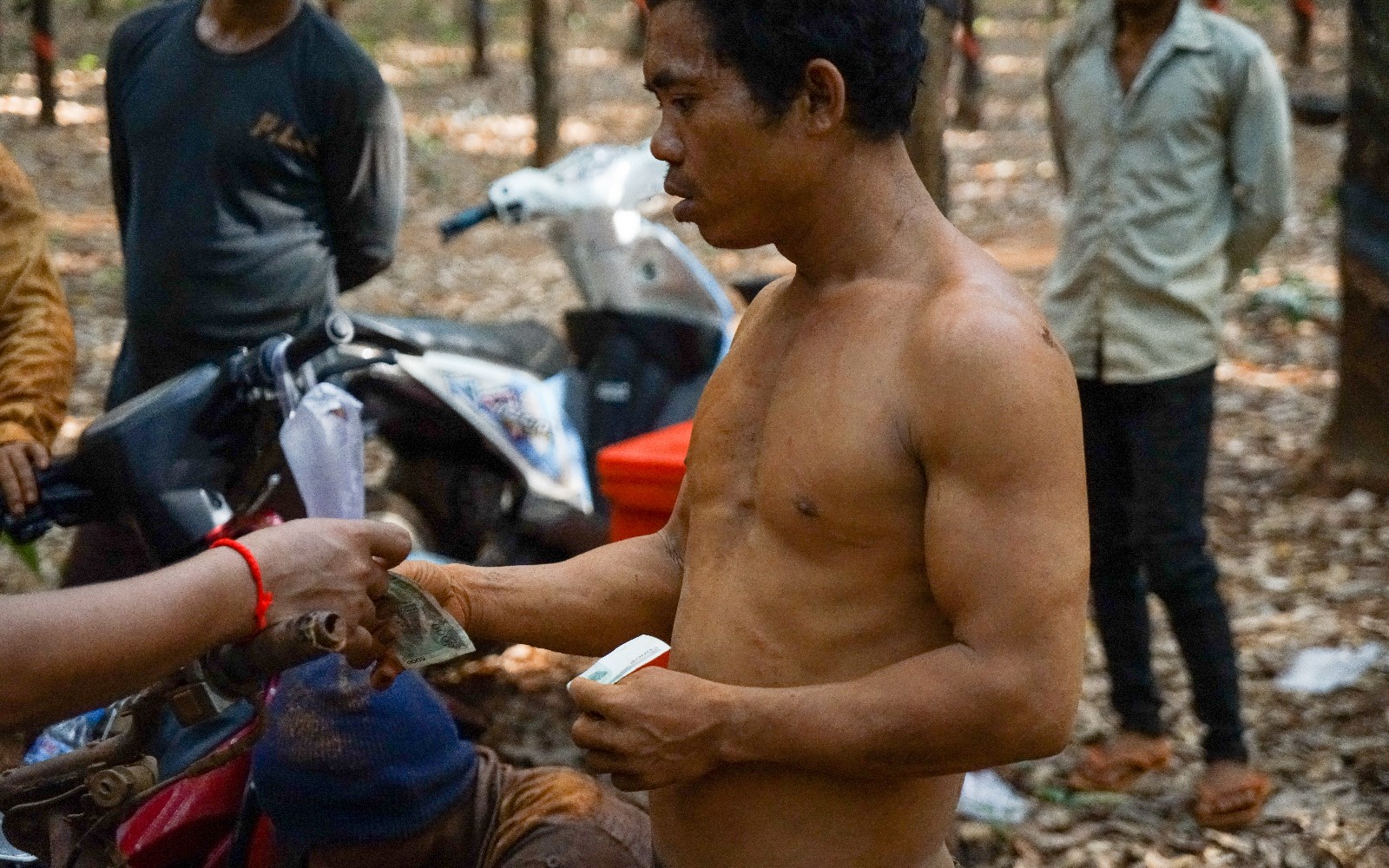
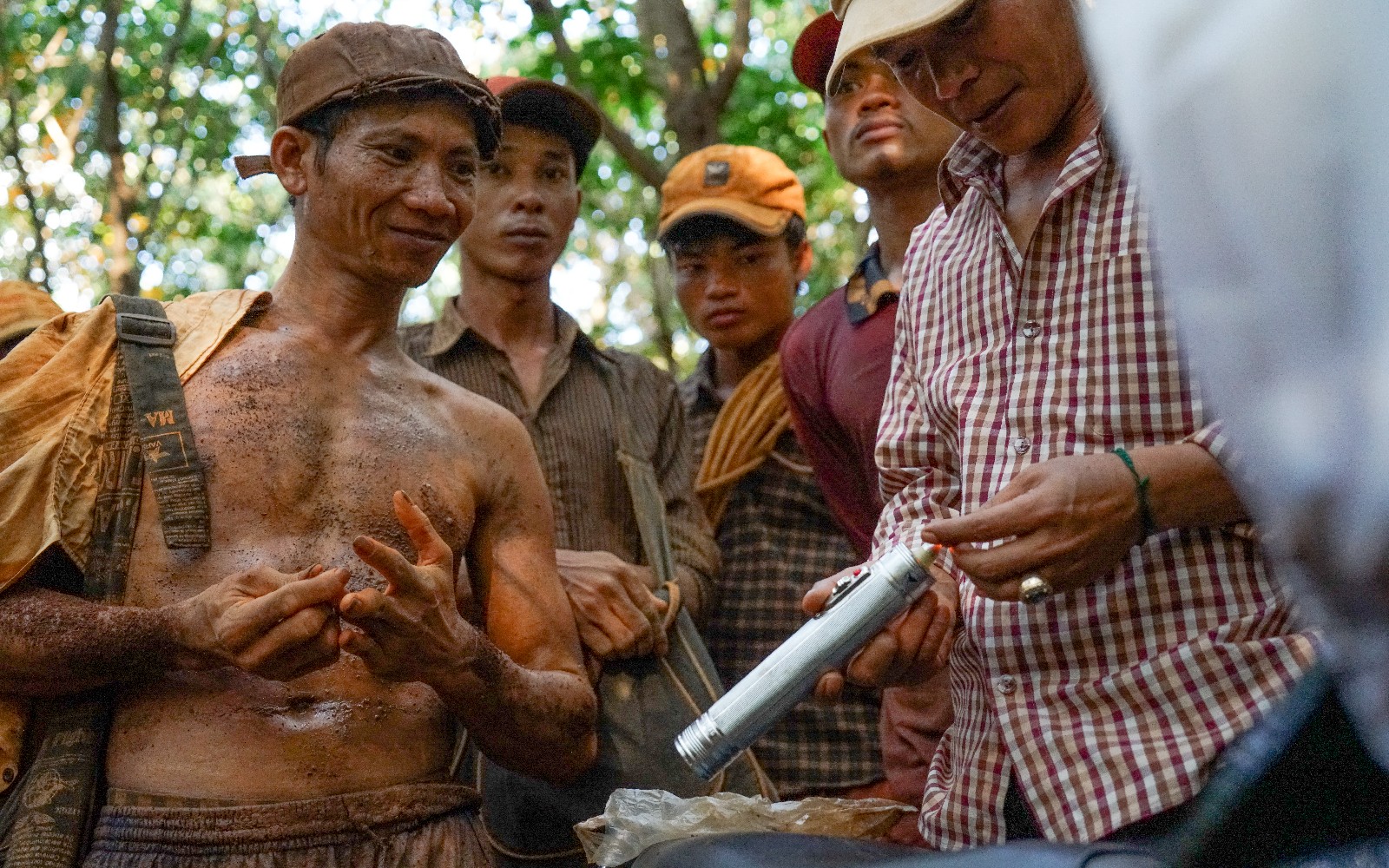
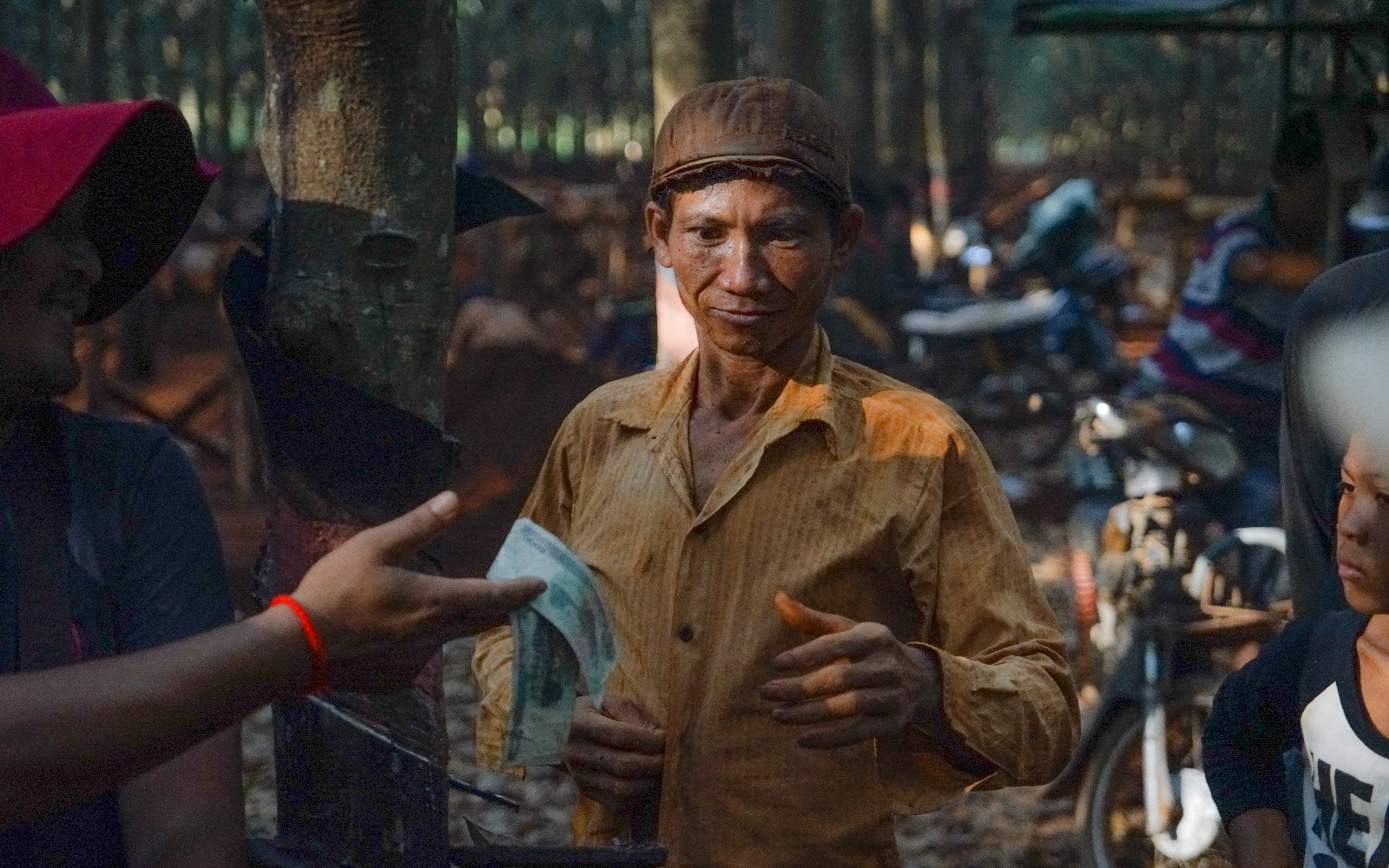
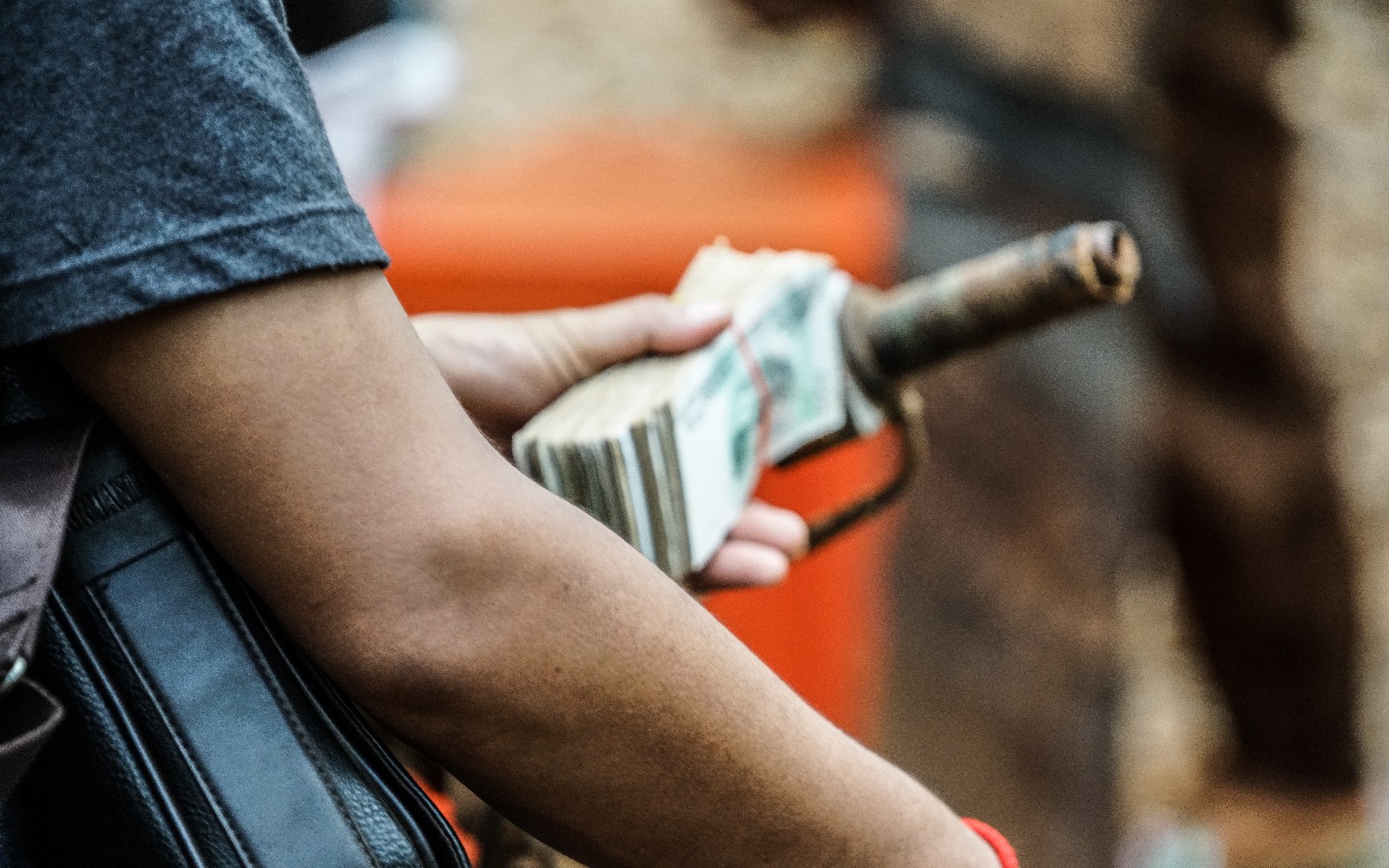
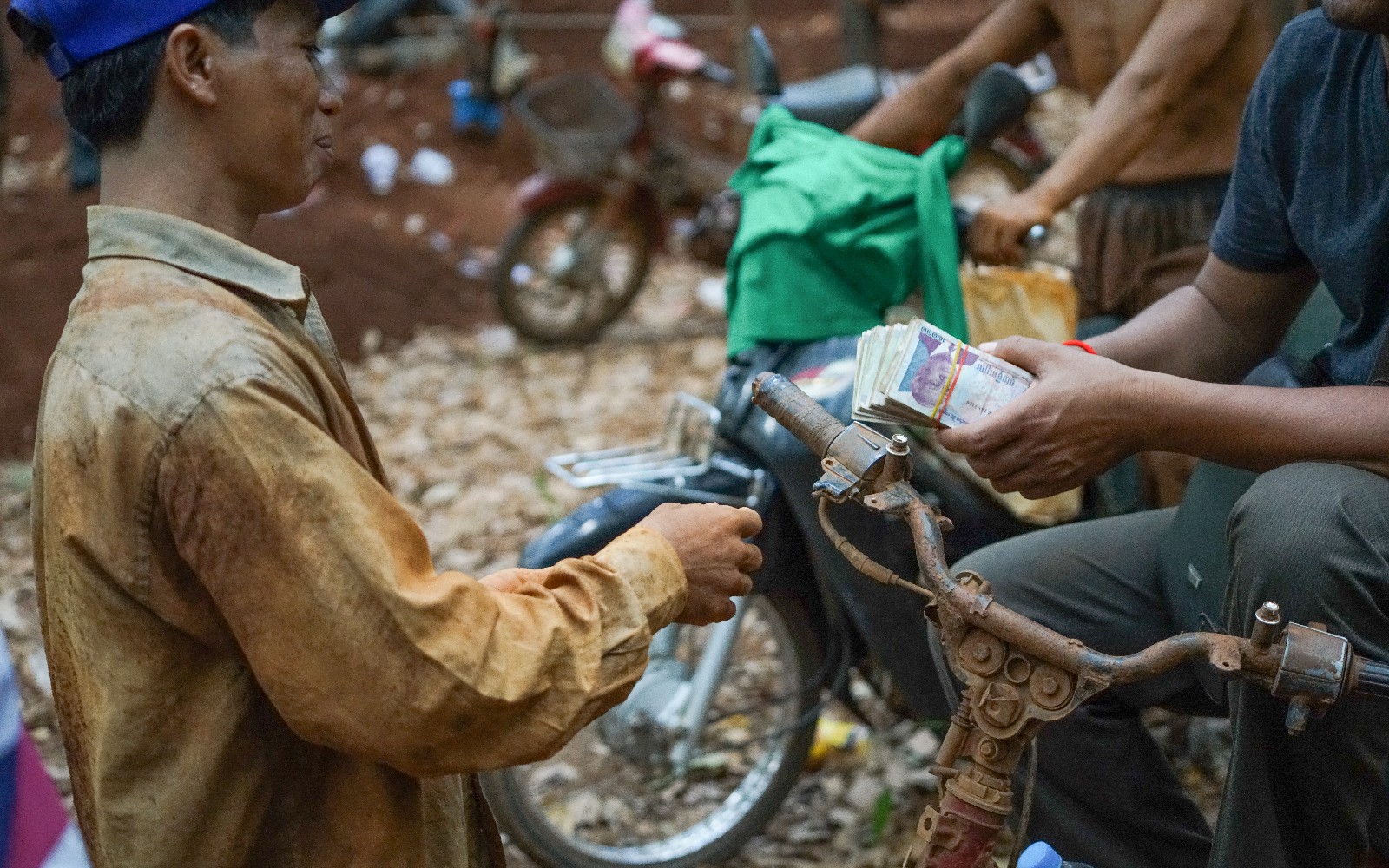
A guy with a huge bundle of 5000 Riel notes (4000 Riel=1 Dollar) and another with a plastic bag for the gemstones found are guarding this place. They have subcontracted the space between the rubber trees, 100 x 100 meters, for 10.000 USD from the foreign investor – the mining bosses are Khmer from the province capital of Banlung.

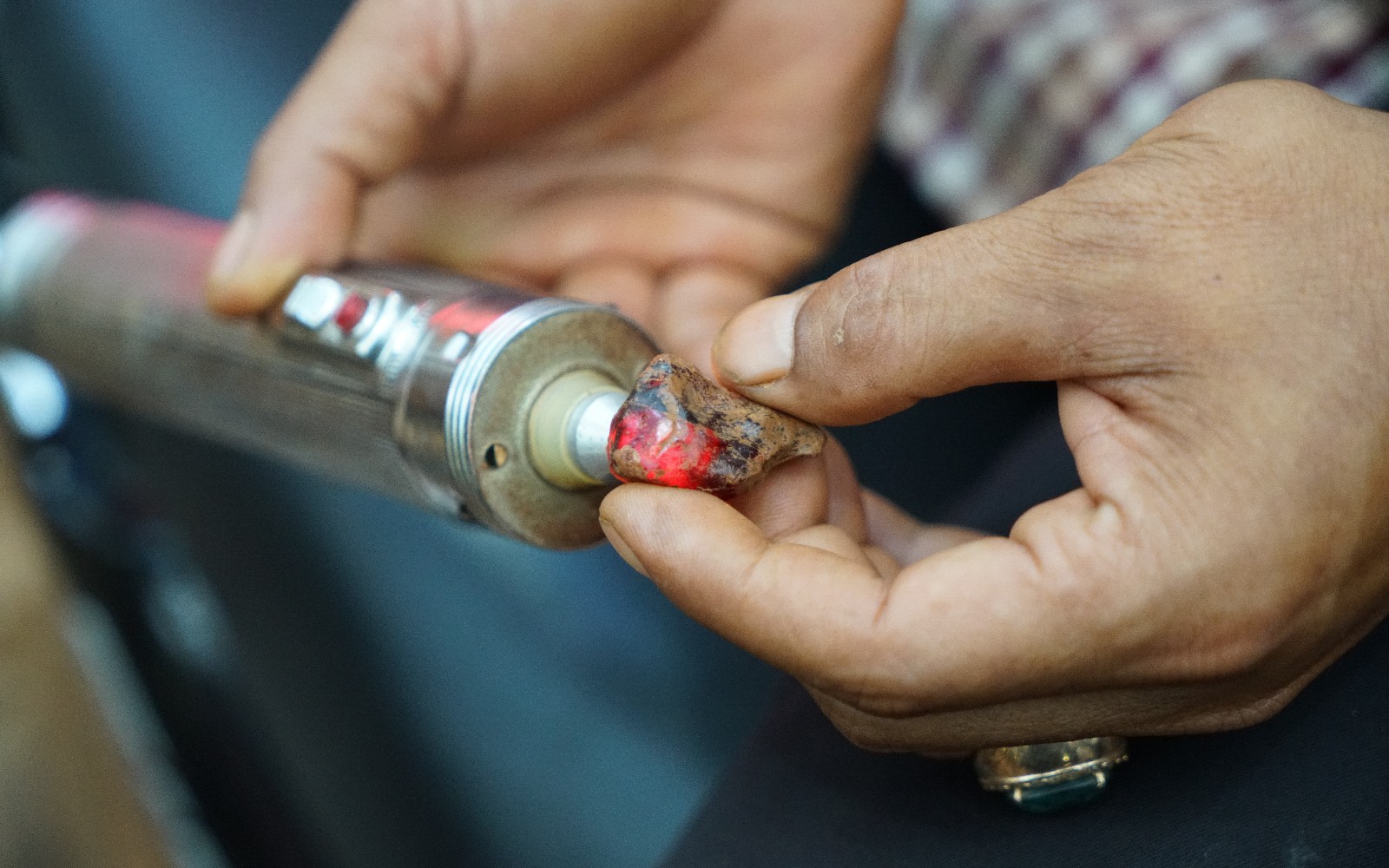
The miners’ work all day every day, they come at dawn and leave at dusk – often they work all day for nothing, because they didn’t find a single stone. They can only sell their finds to these guys – and no one is tempted to challenge them. Everyone knows the bosses are cheating on them, paying very low rates per stone, telling the miners the stones have bad quality or cracks.

But if the miners were to try to independently sell their stones in the public market, they would risk their lives. The monopoly for buying is with the guys holding the subcontract for the 100 by 100 meters between some rubber trees.

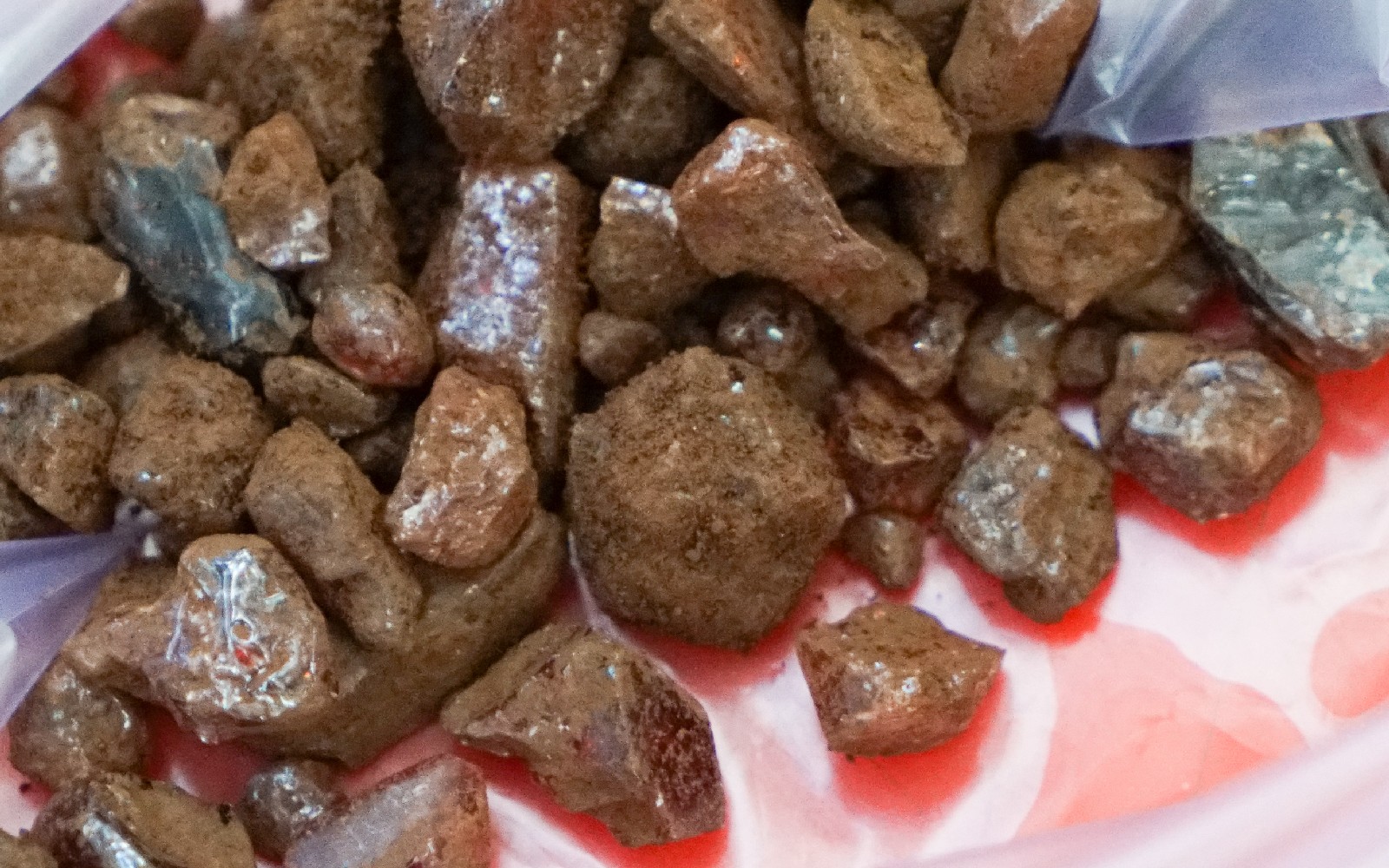
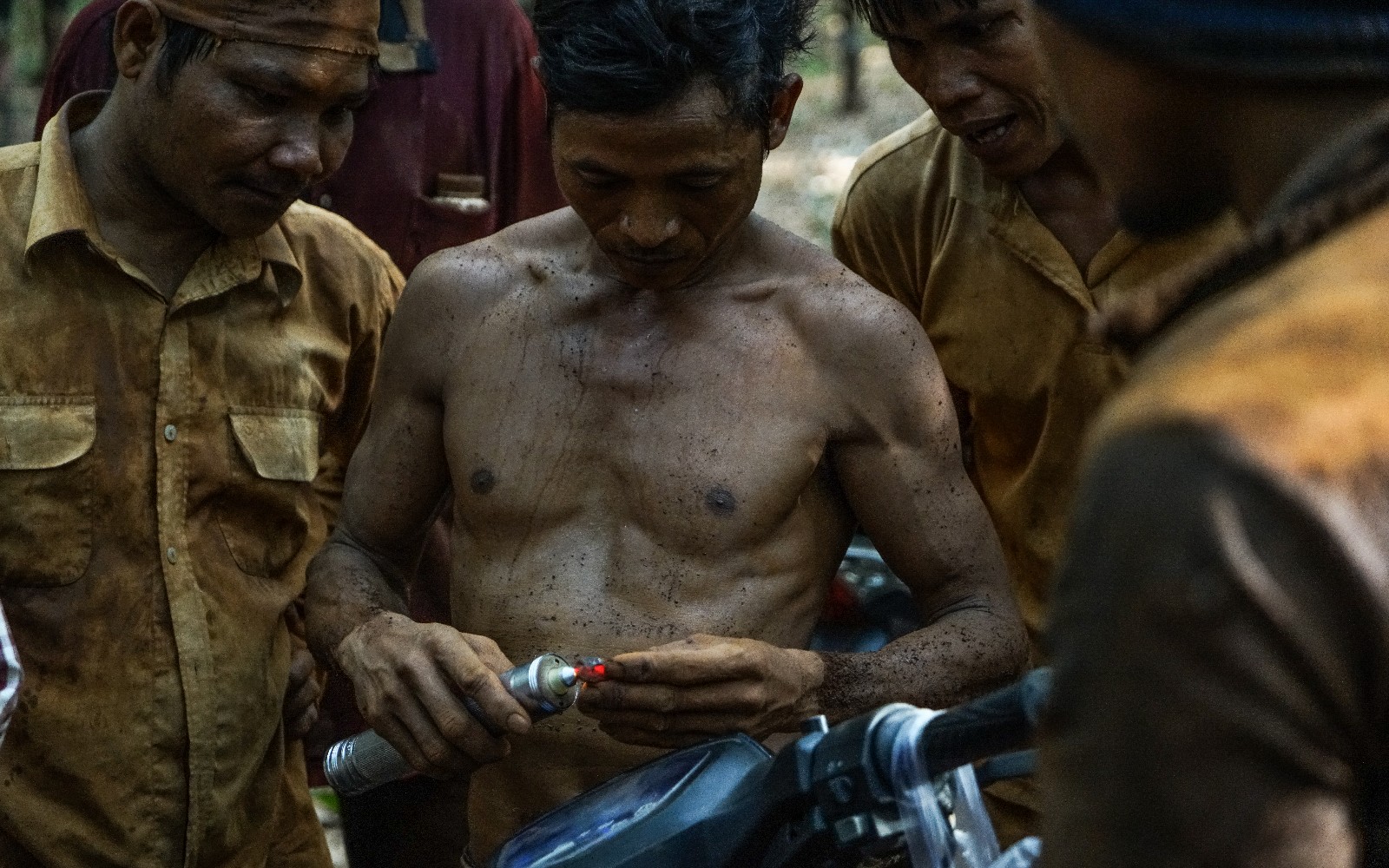
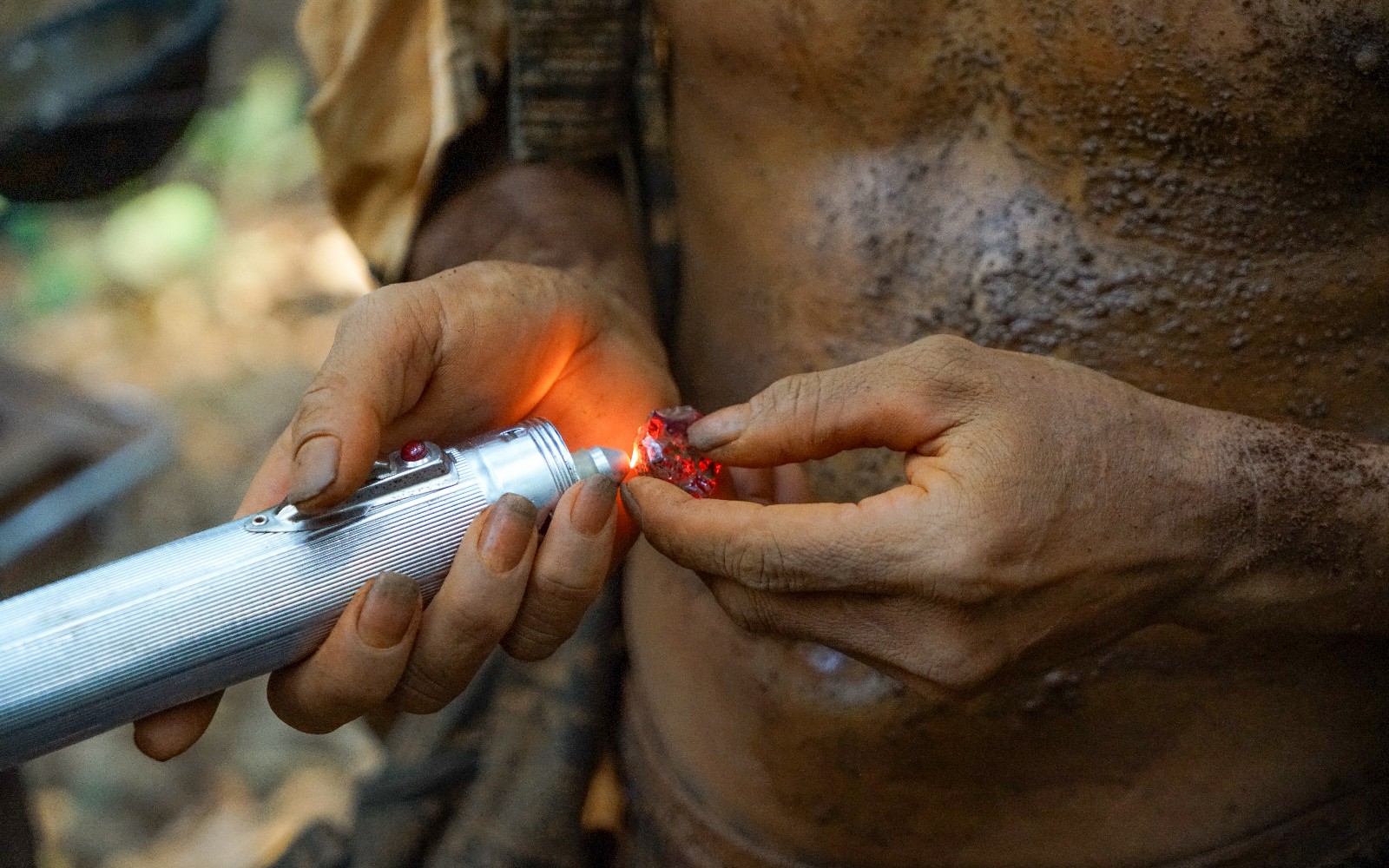
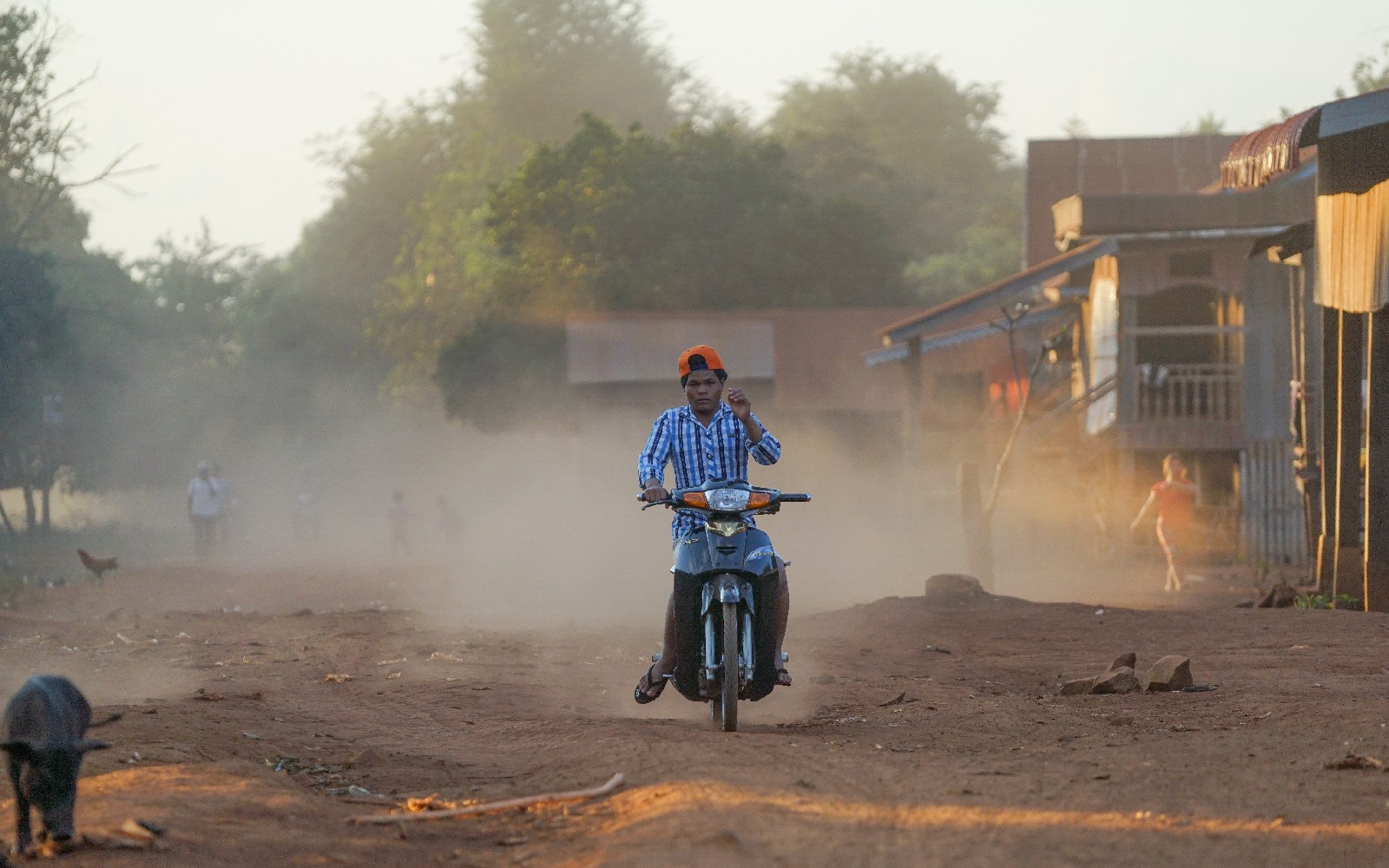
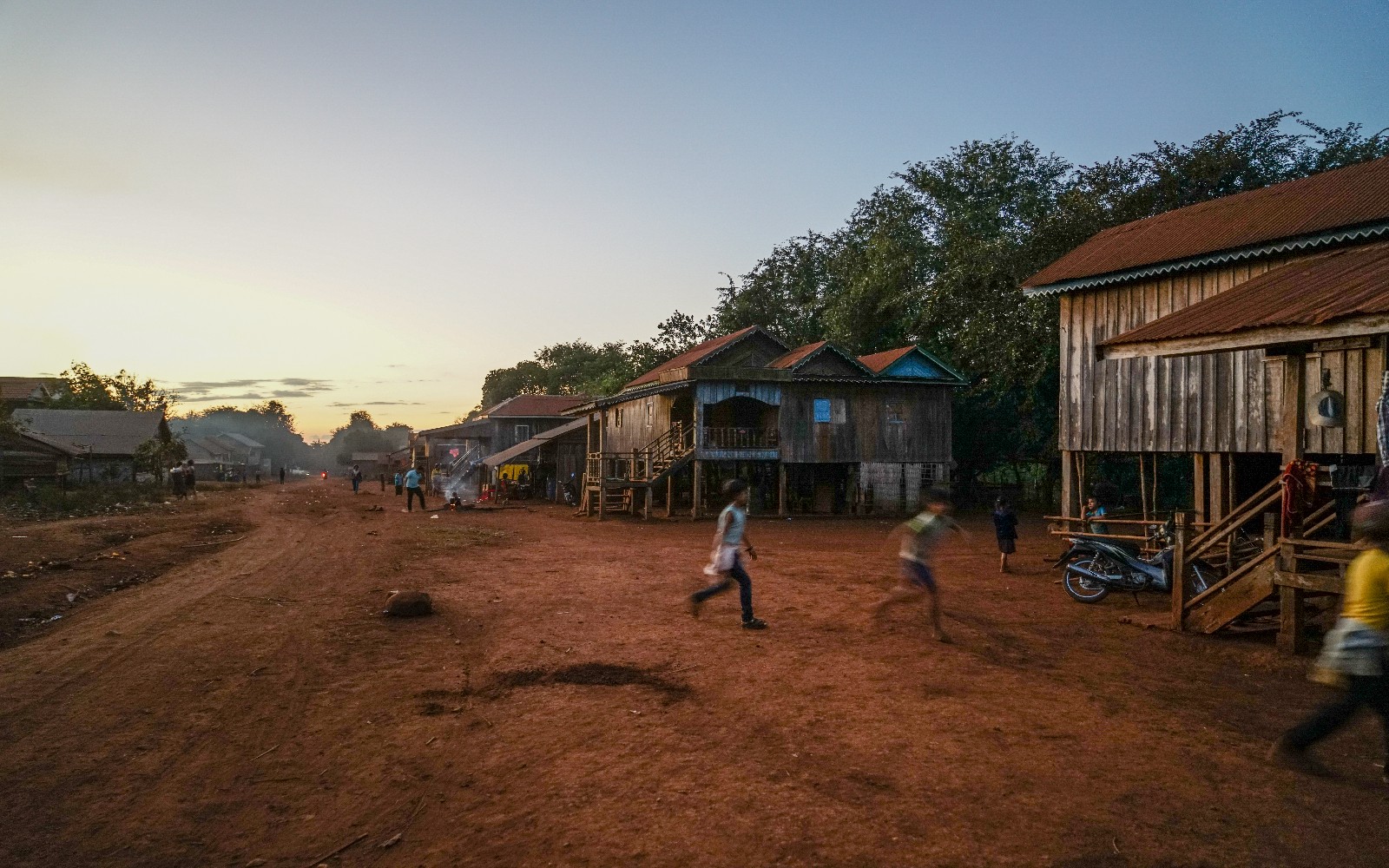
A big stone got the miner 10.000 Riel, $2.50 – that is a lucky day for them. The red zirconia – which will turn bright blue when heated – has a market value of at least $150 – but miners from local villages do not visit the market of Banlung. The highlanders have no idea. They don’t speak Khmer; they live their lives inside a radius of 10 kilometres, maximum. Banlung is as far to them – as the moon is to us. Banlung is 30 kilometres away.

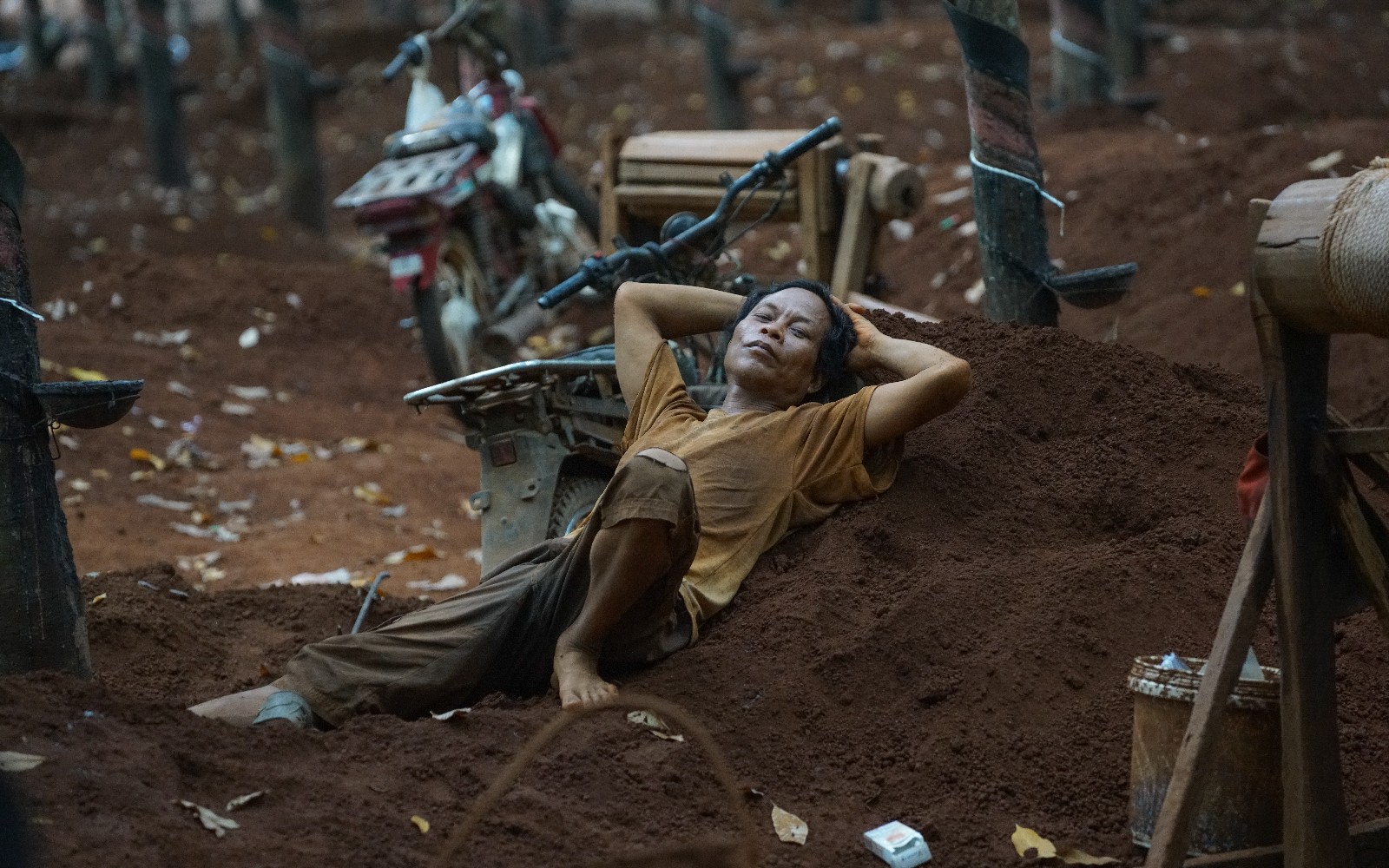
The miners work is concentrated, driven, obsessed. To eat or not to eat on a day is decided by the findings of a stone. They are going into the holes and coming back up almost in trance, maybe they are, maybe they are not under drugs. When they are out of the shaft they smoke and lie down. The amount of flip flops outside of a shaft is proof how many people are inside digging.

Gold Forest – Cambodia

The Gold Forest is an area off limits to everyone not into the gold business. It is a very remote stretch of land with its own rules of law.


2015 Cambodia

Siem Reap, Ratanakiri, Banlung, Bokheo, Yadao, Kospeak, Ou Chum, Lachok, Voen Sai, Tonle San, Boueng Yaek Lom, Mondulkiri, Sen Monorom, Me Mang, Oreang, Dak Dam, Prey Meah, Kampong Cham, Prek Sandek, Phnom Penh

Cambodia is changing at a very fast pace. People and their traditions are left behind for the new modern world. Tough, that the majority can not partake.


2015 Thailand

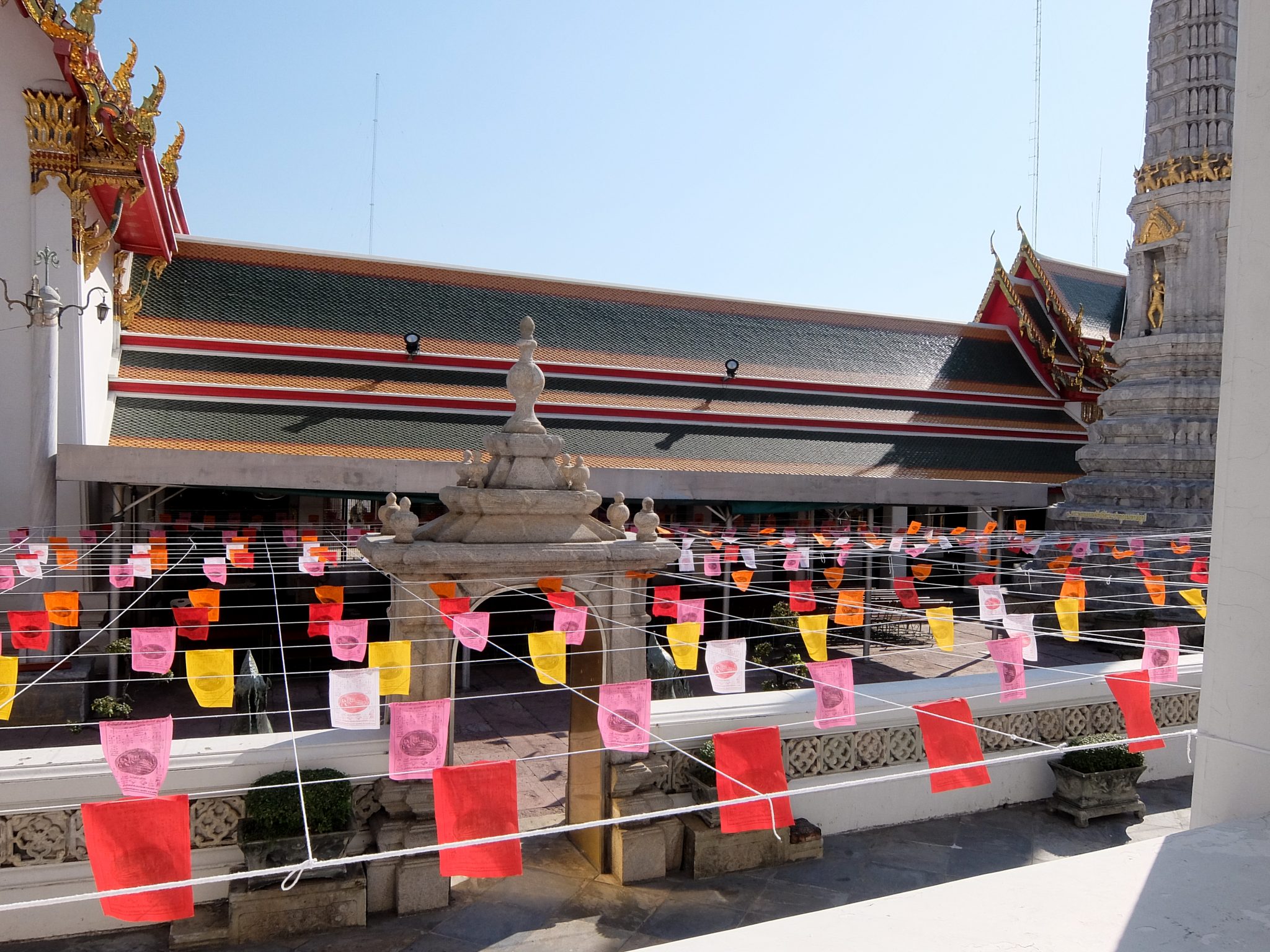
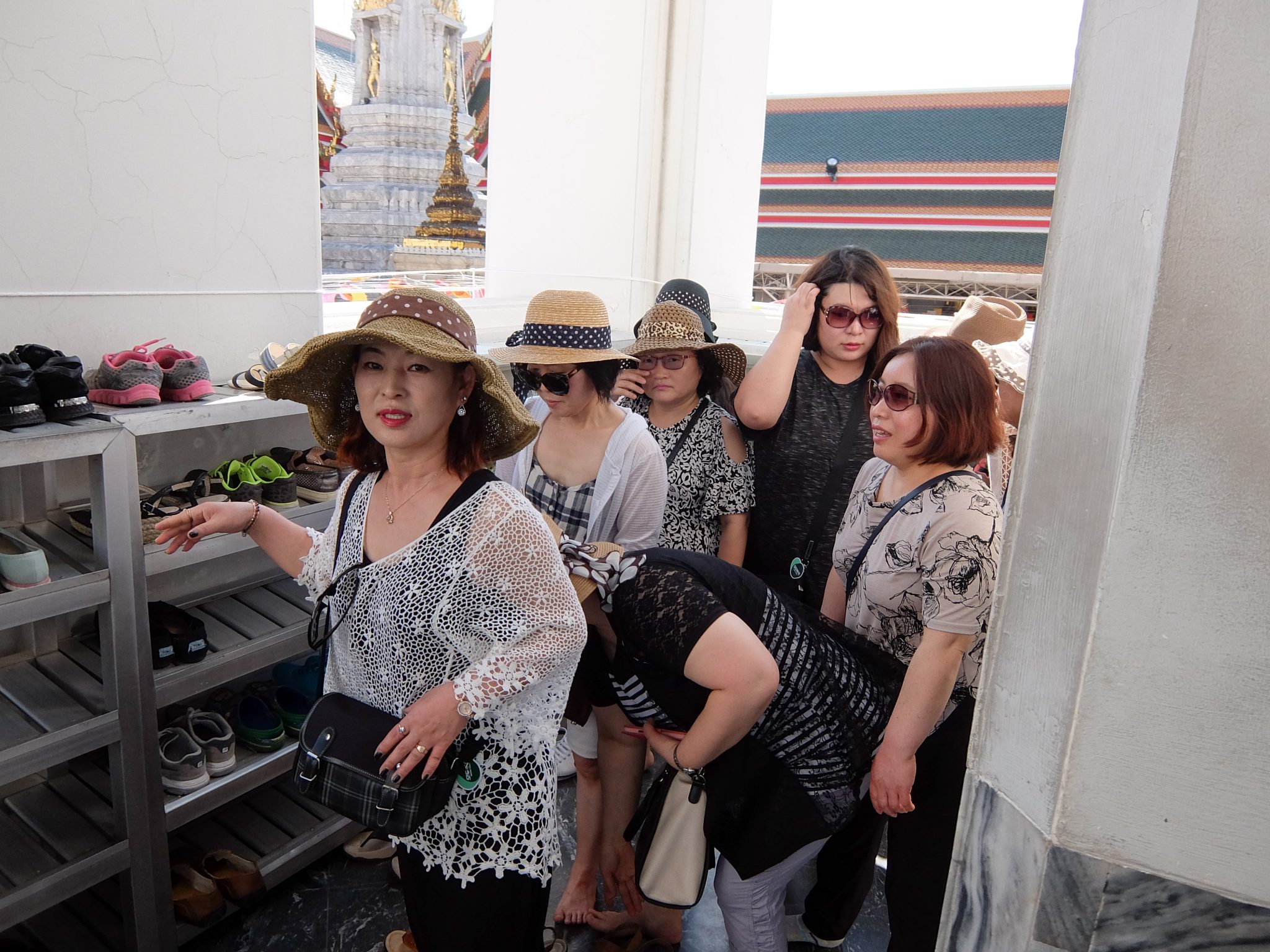
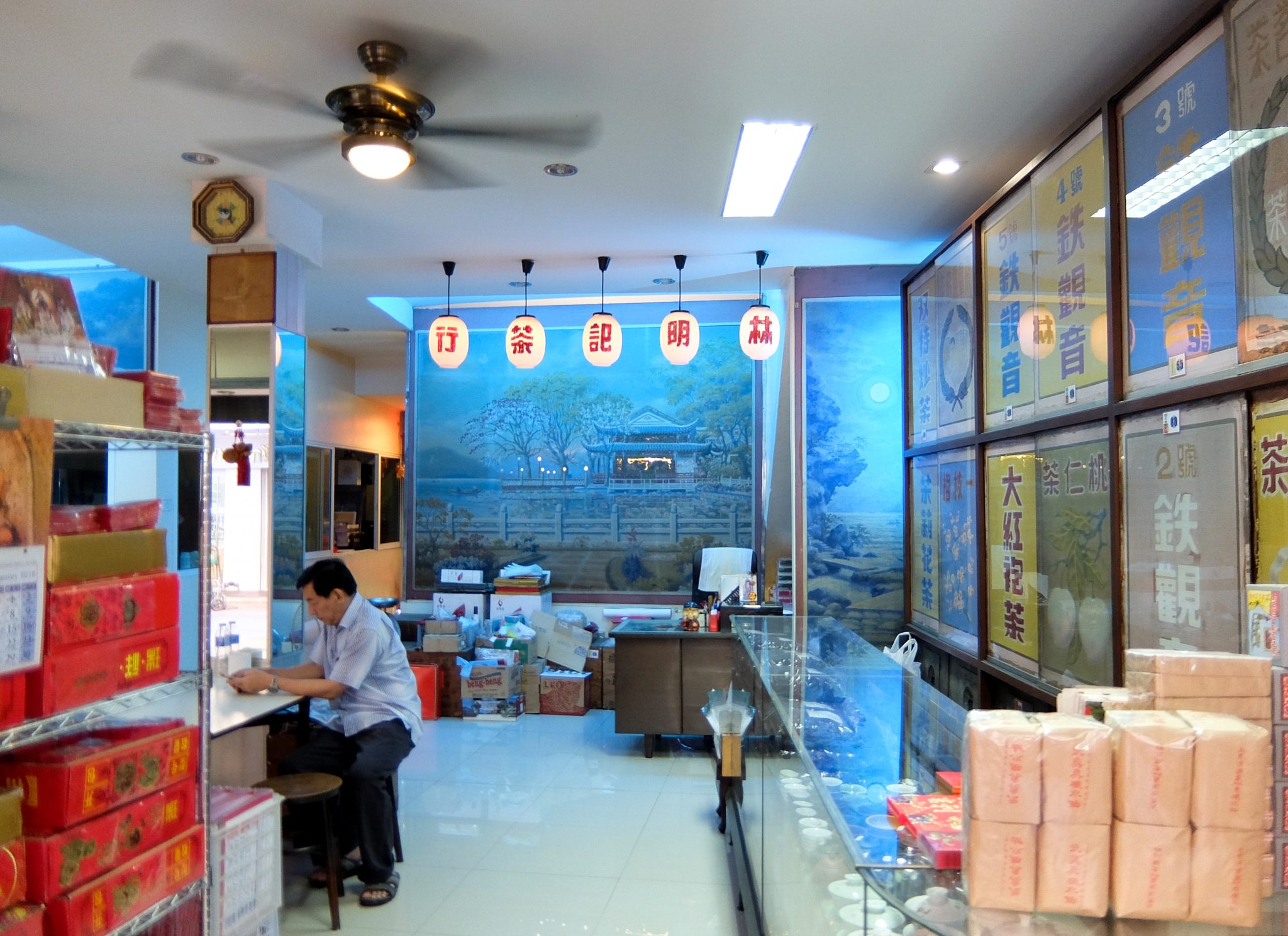
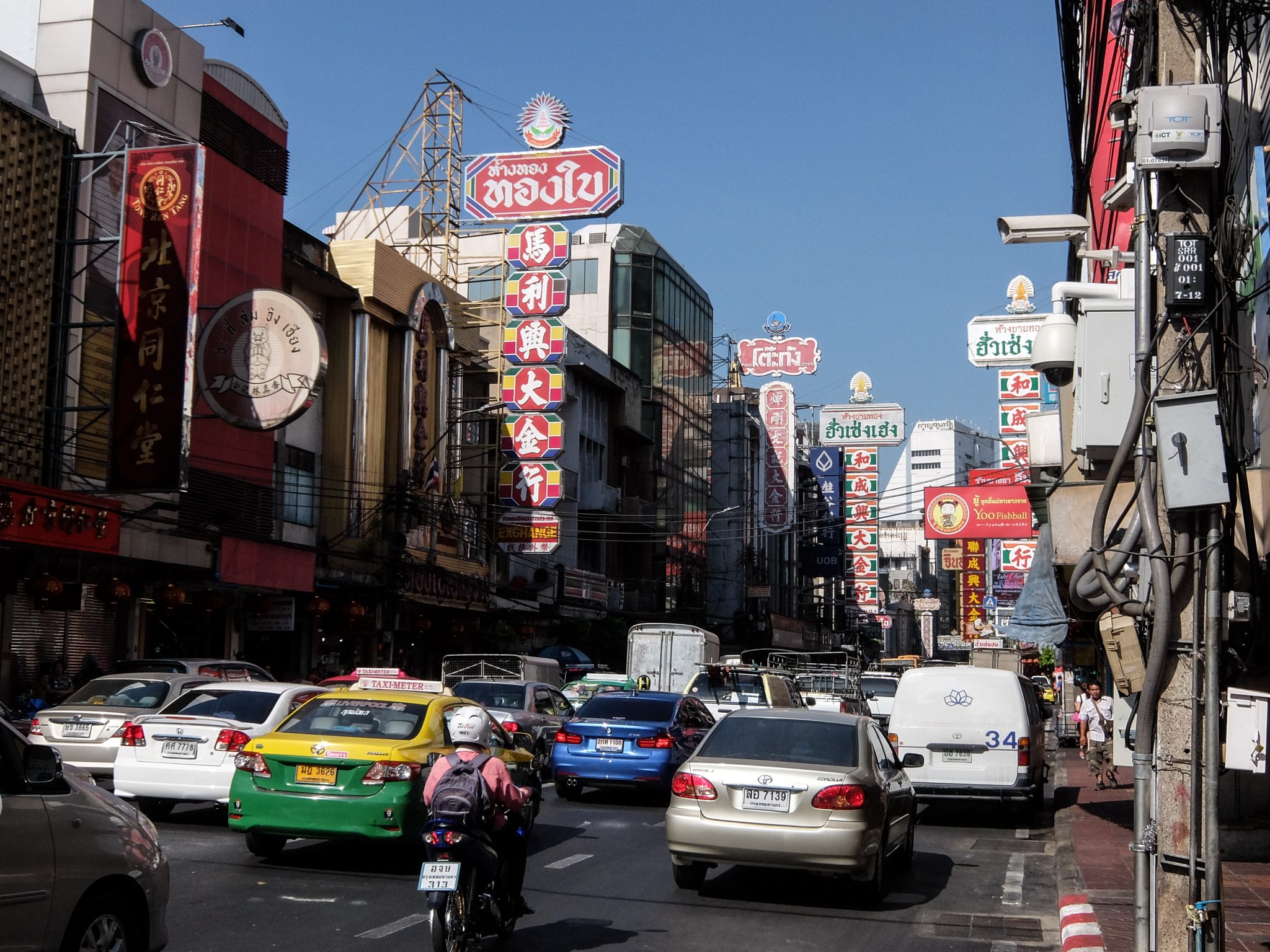
Bangkok

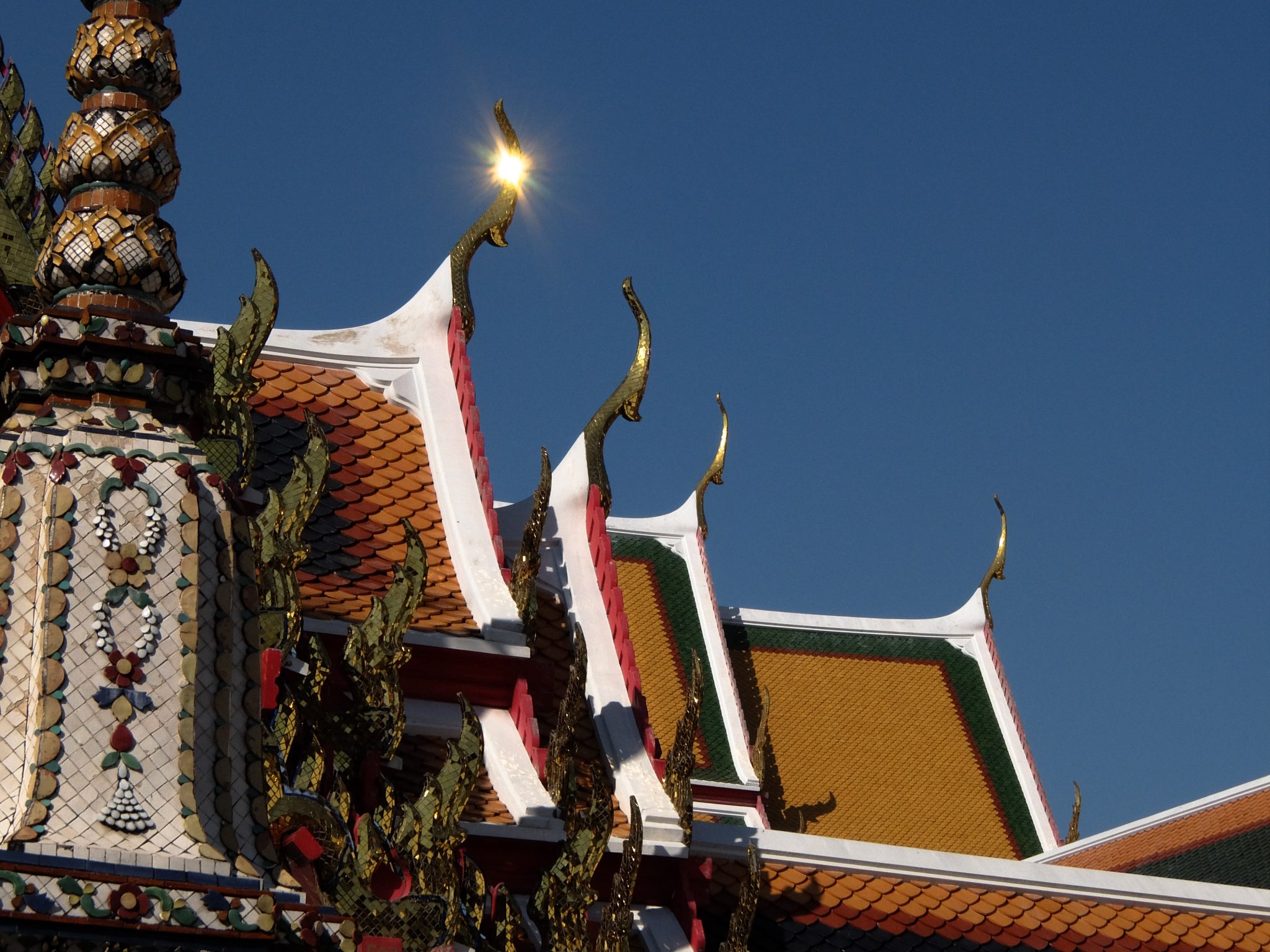
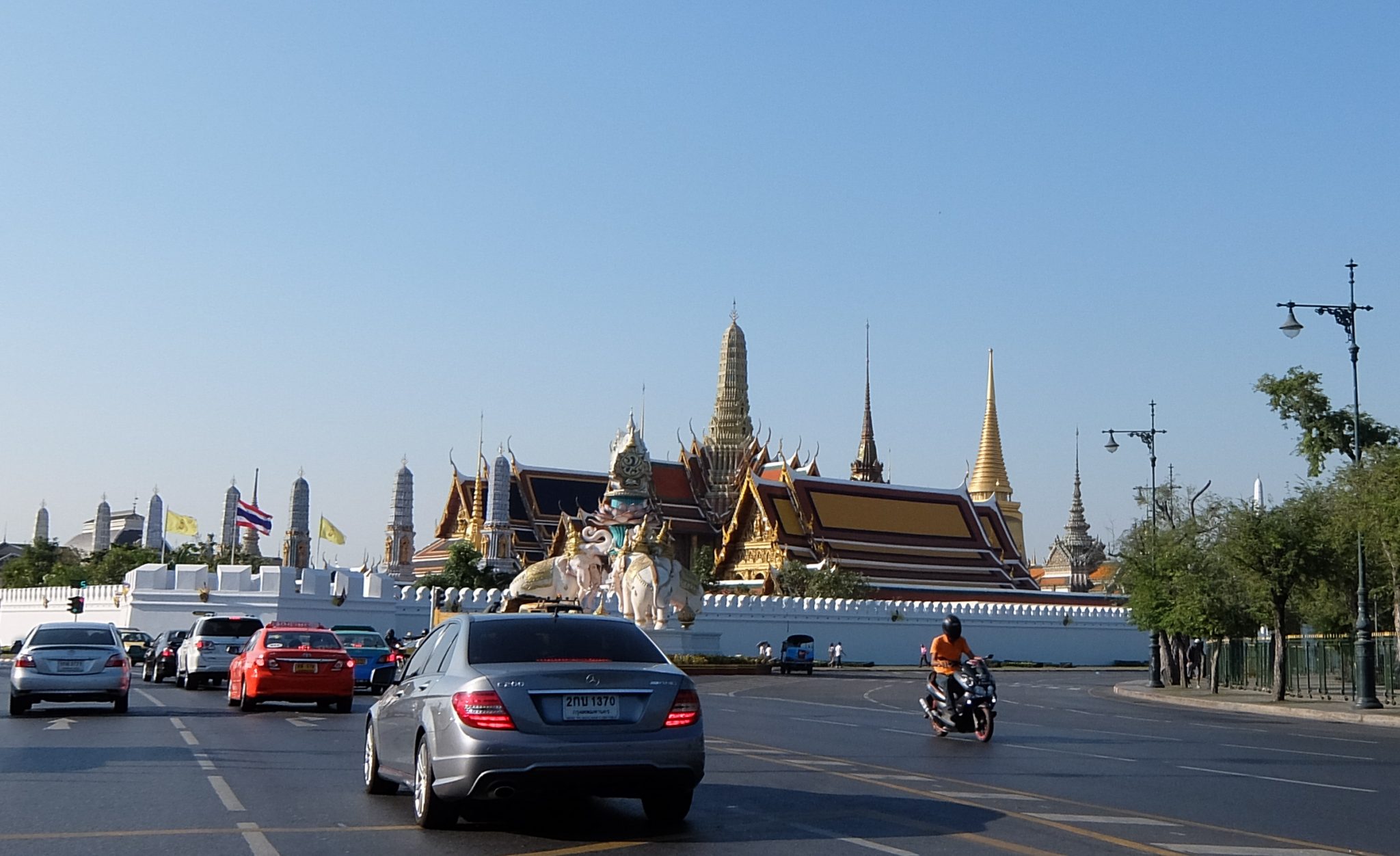
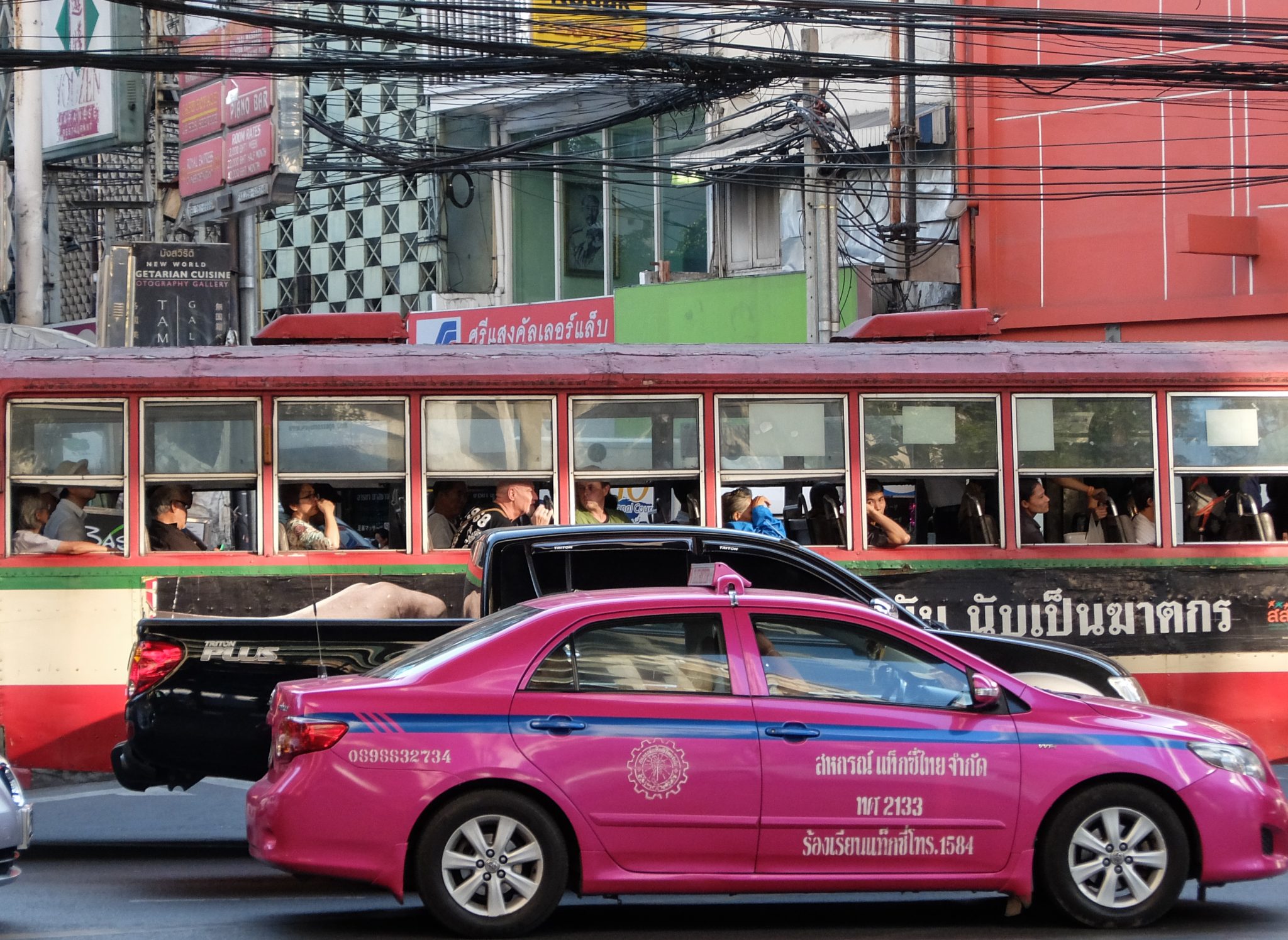
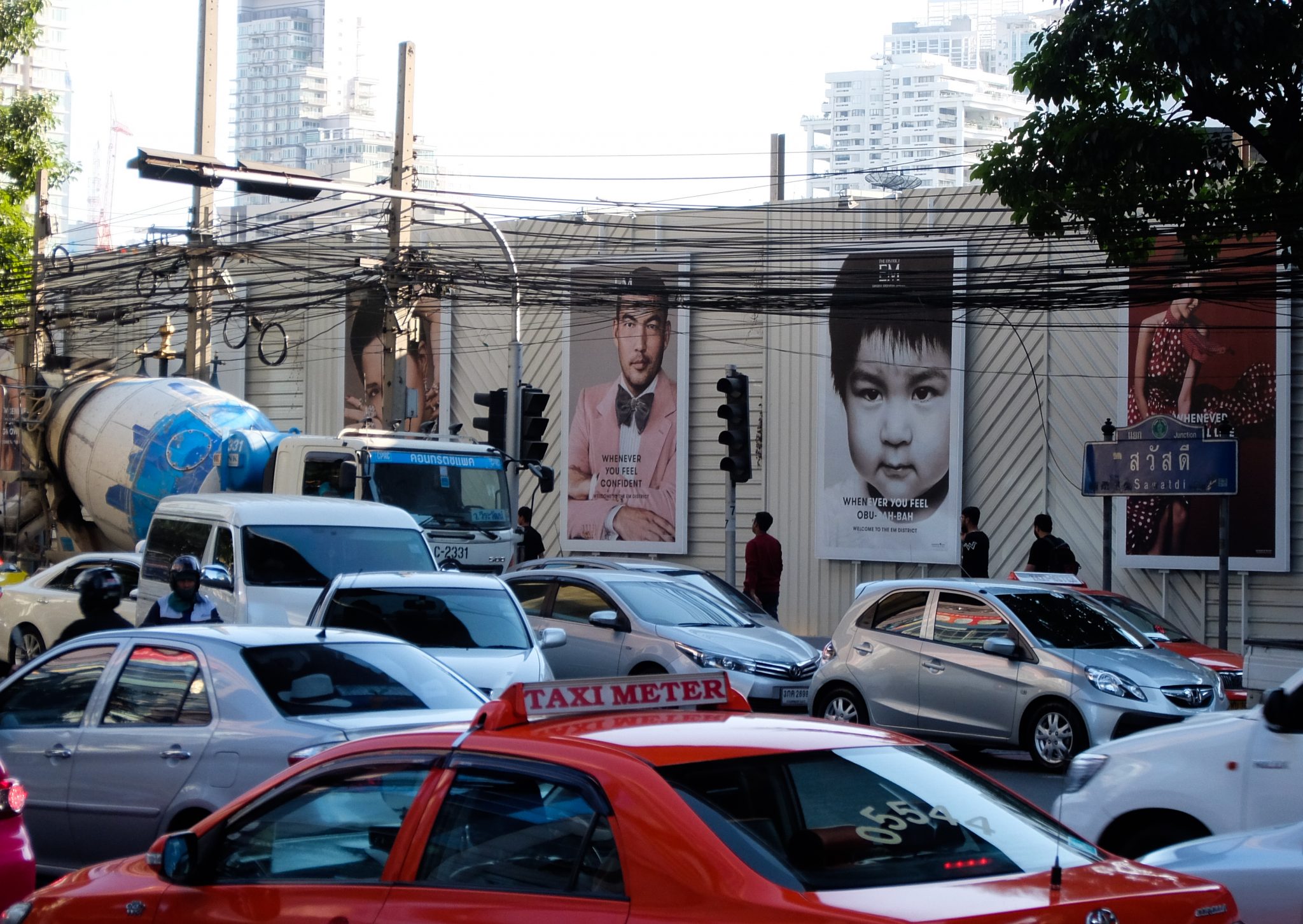
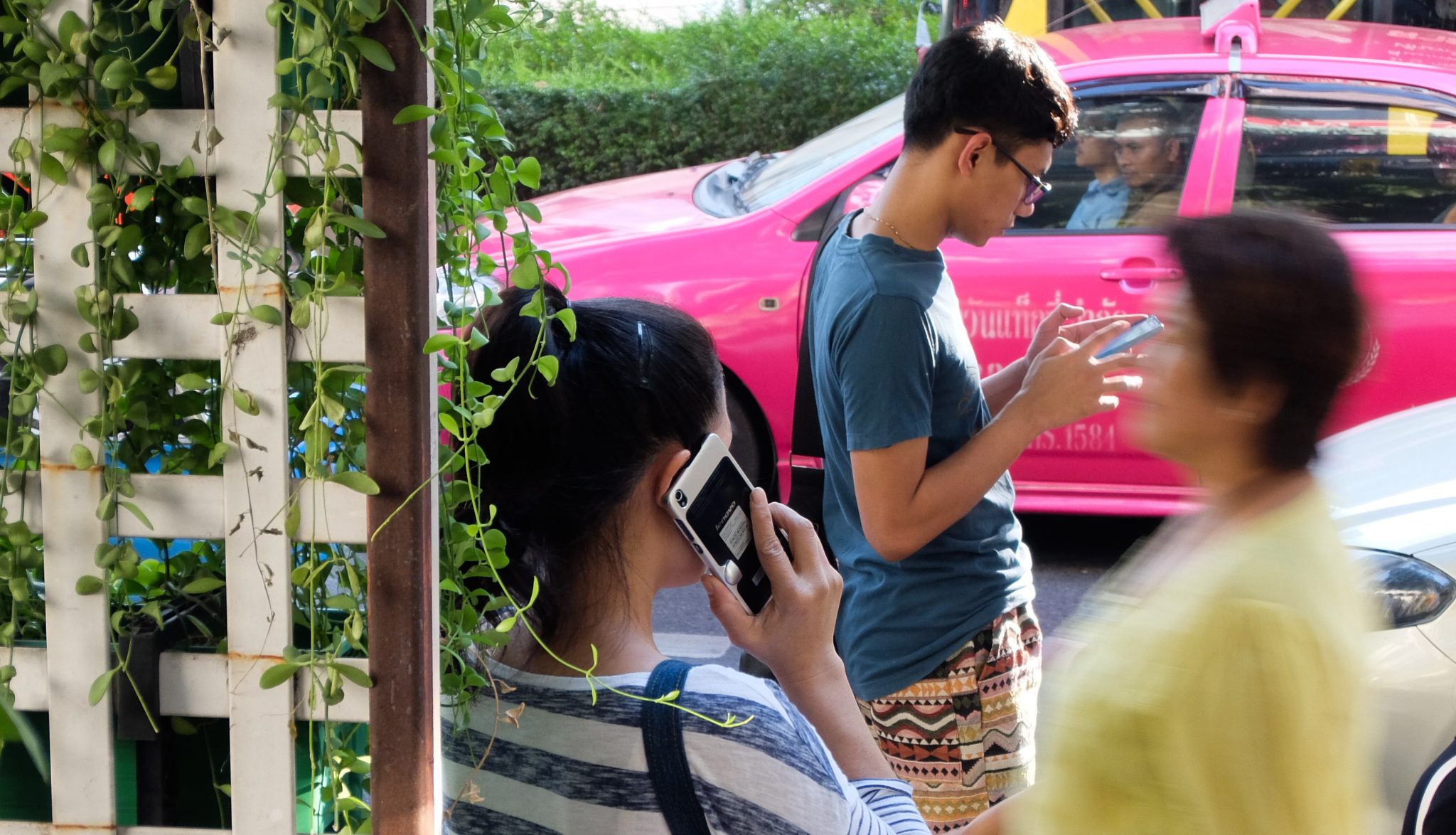
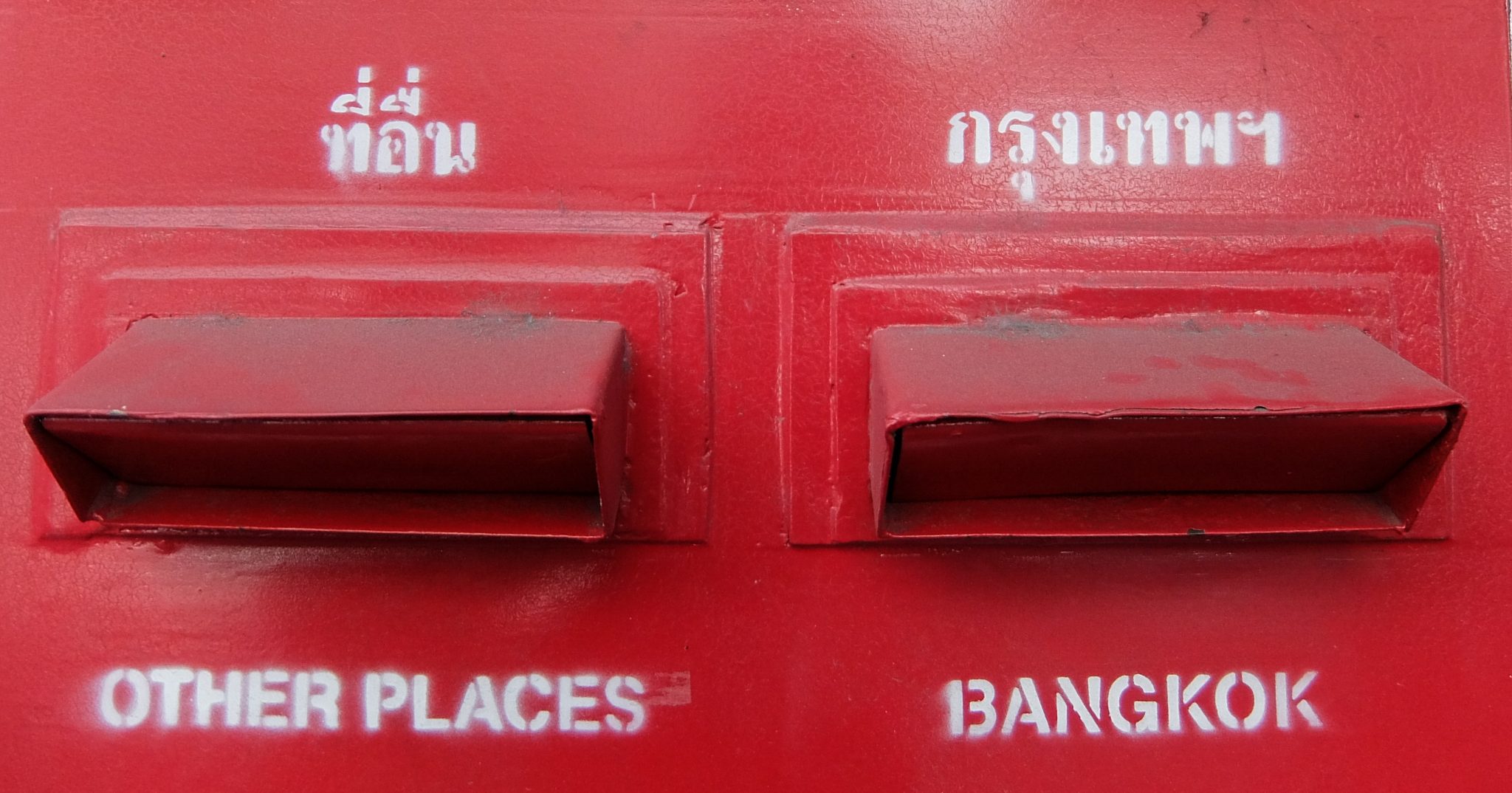
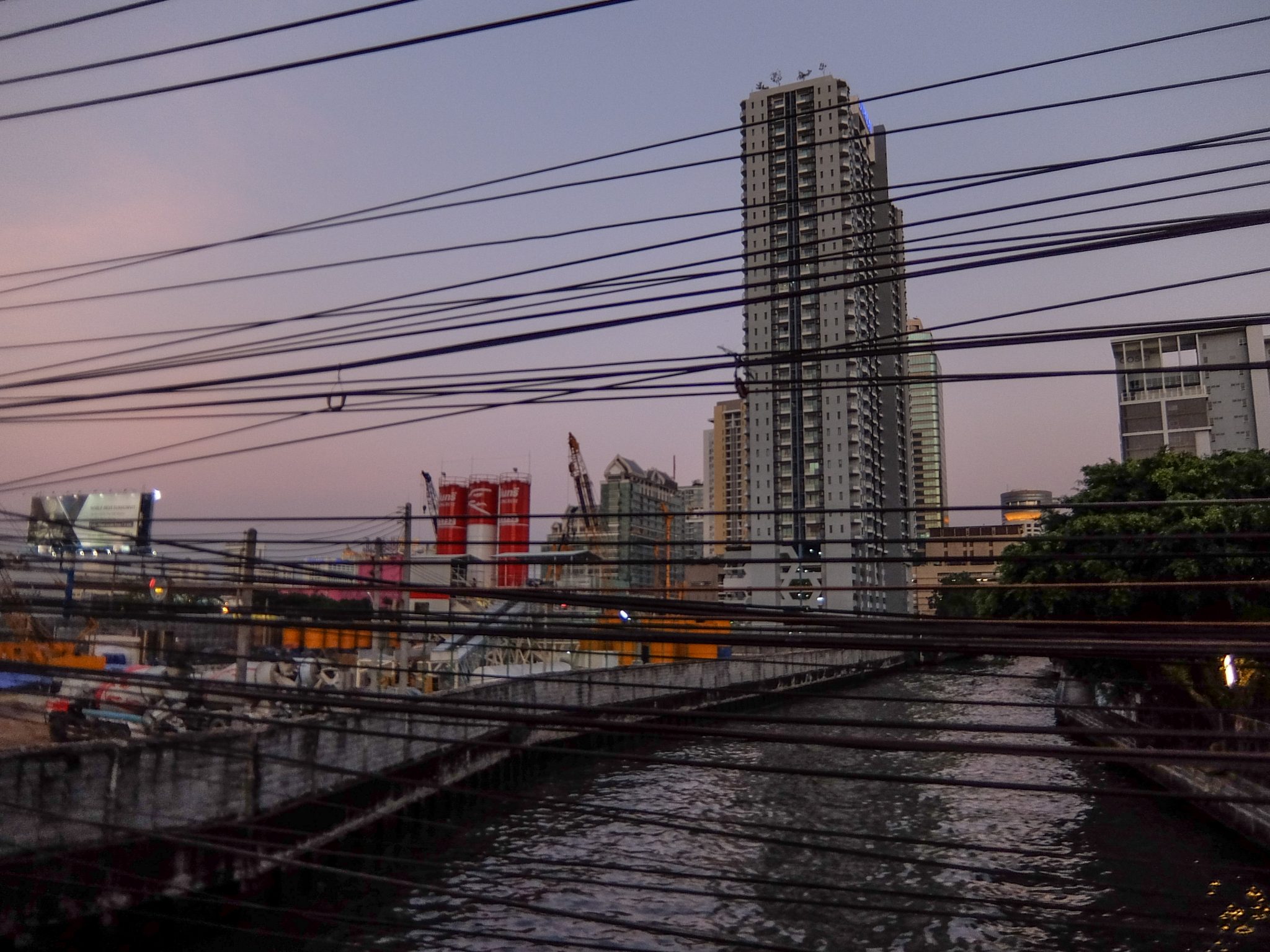
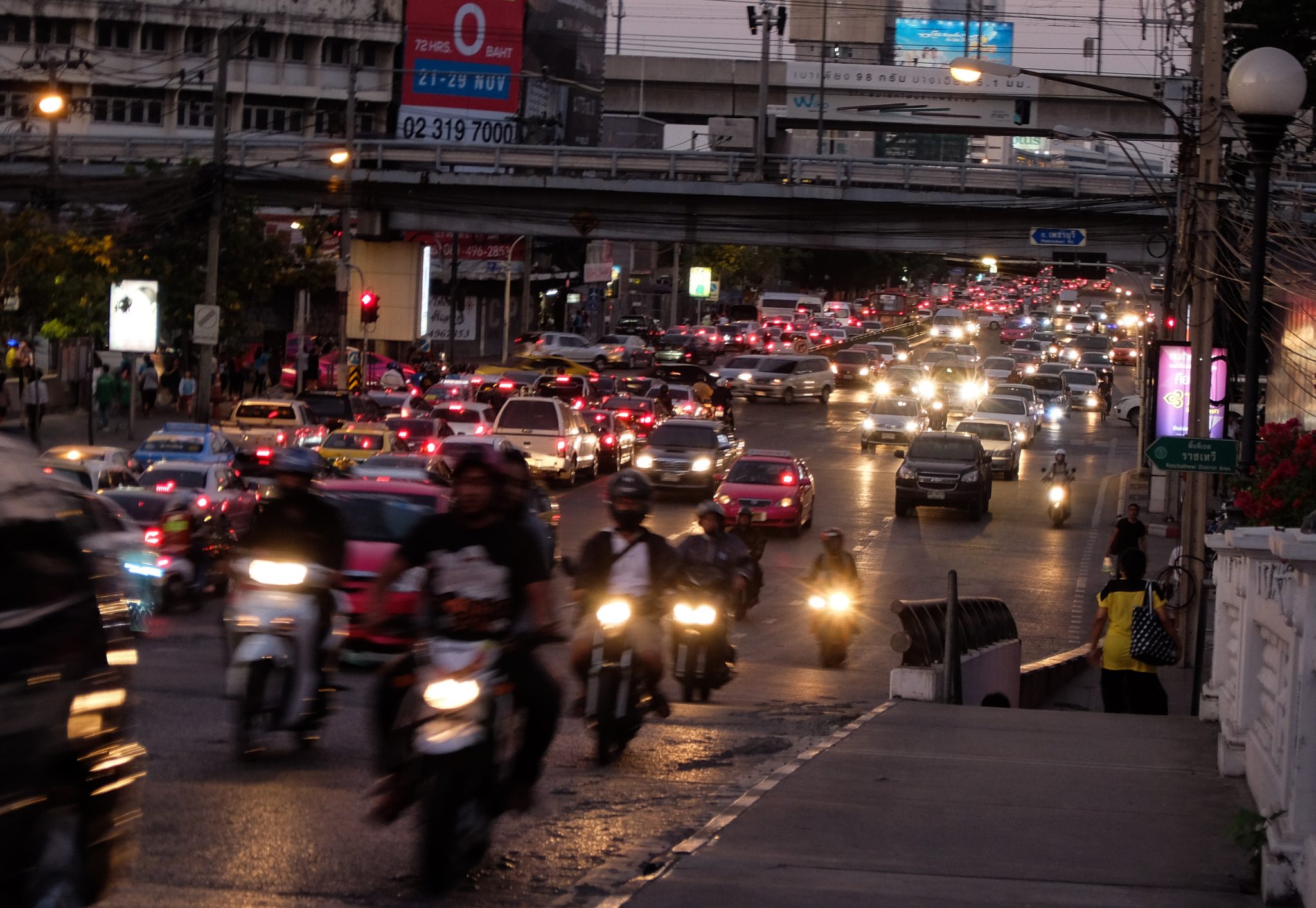
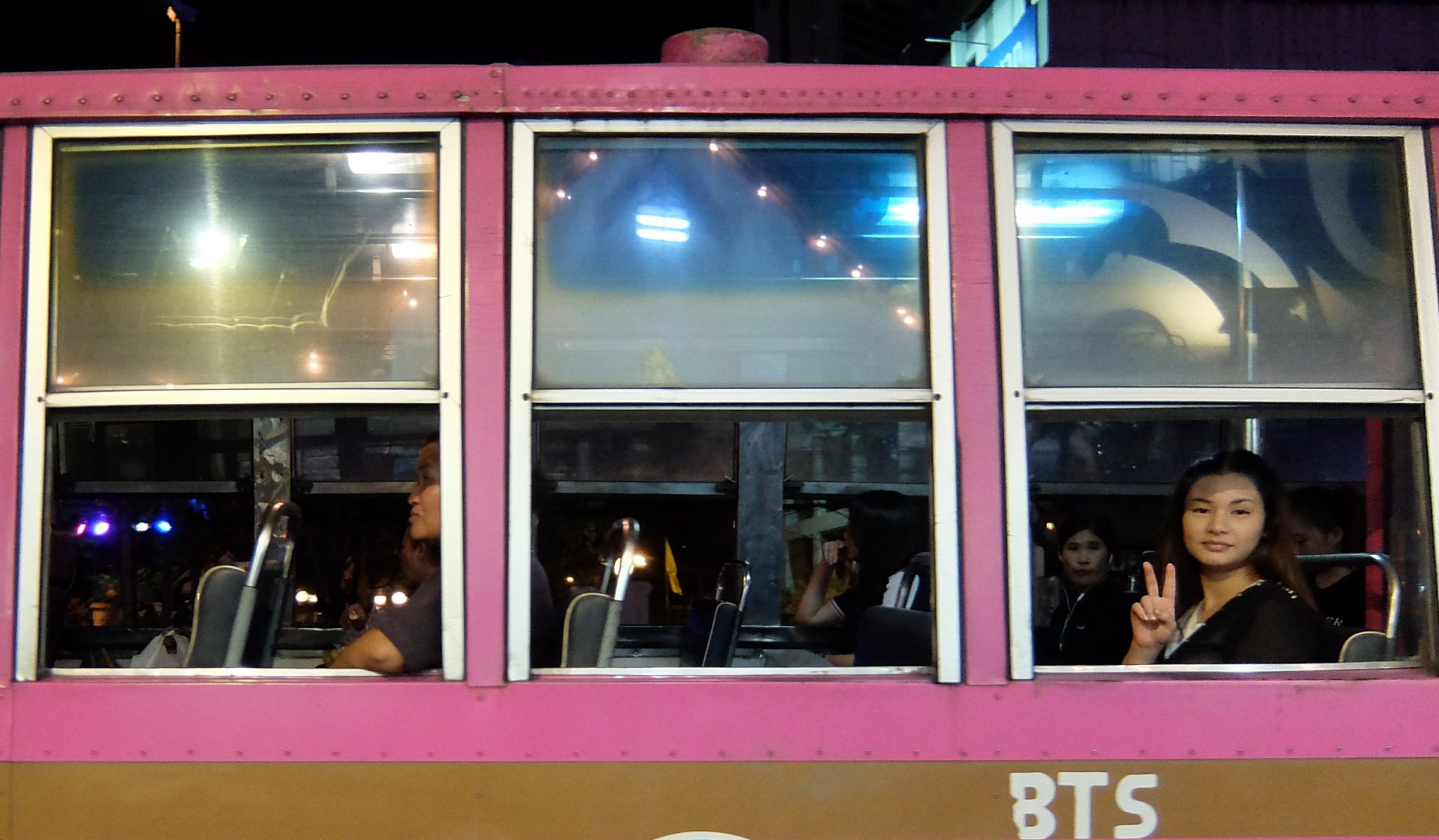
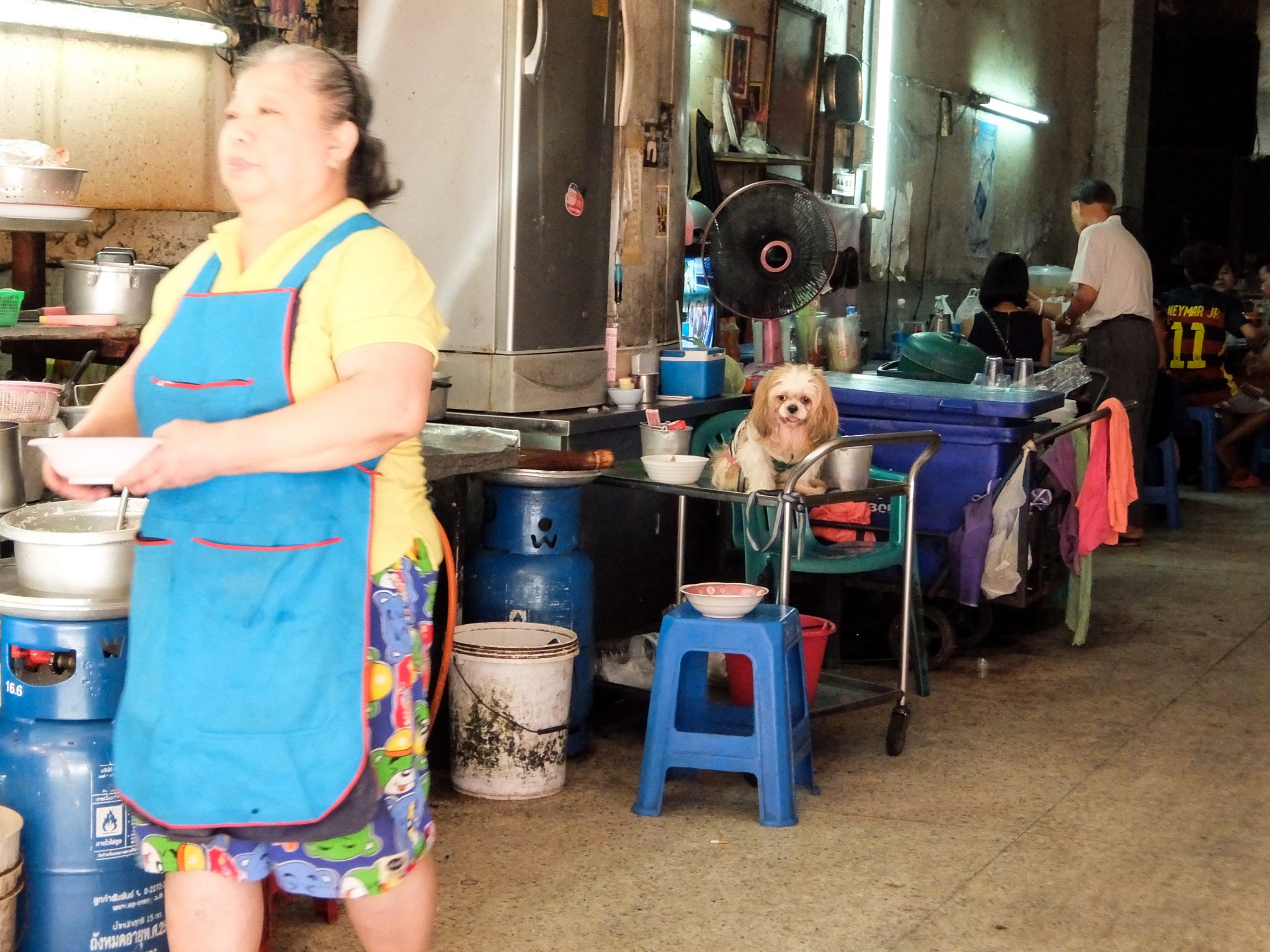
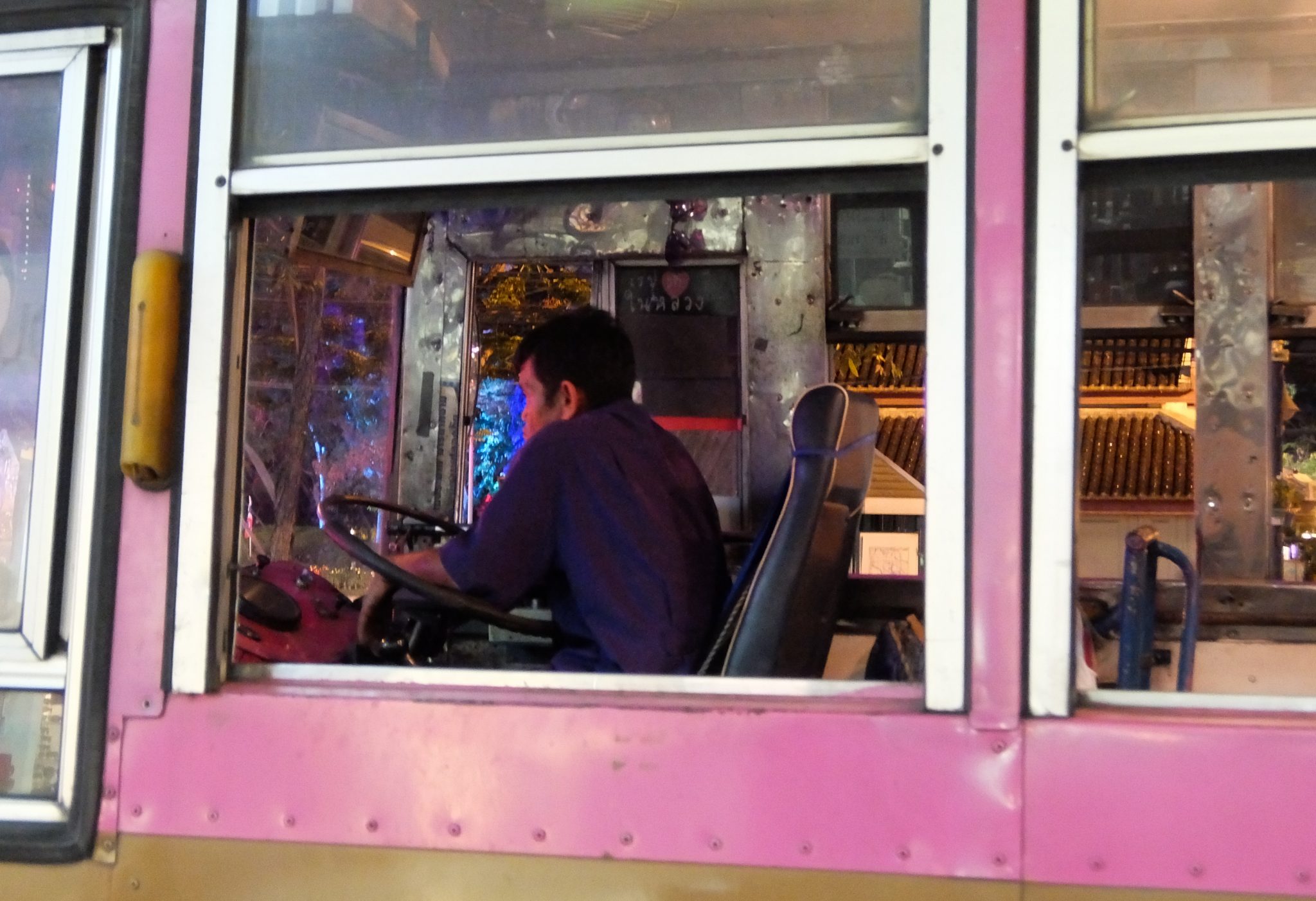
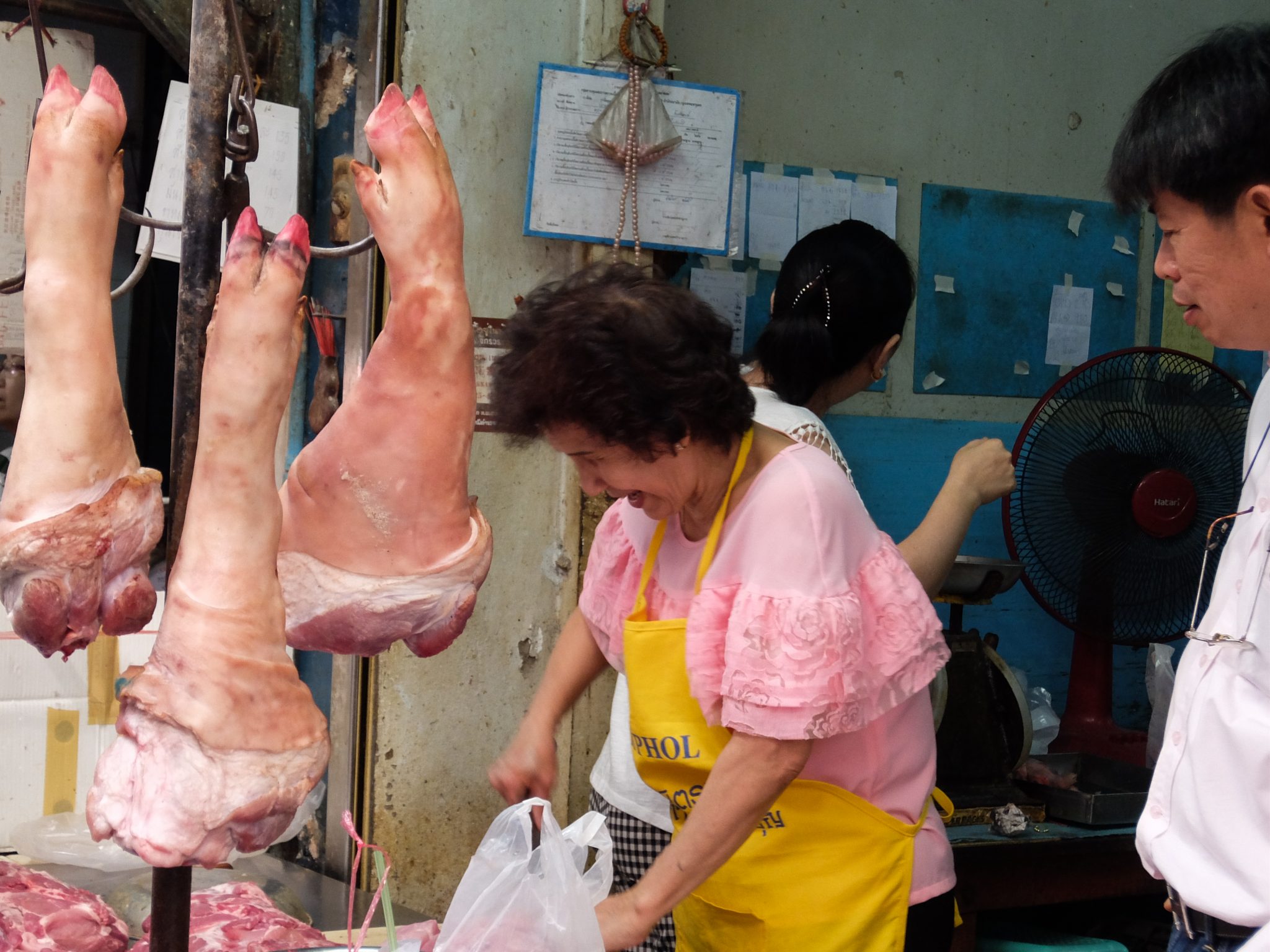
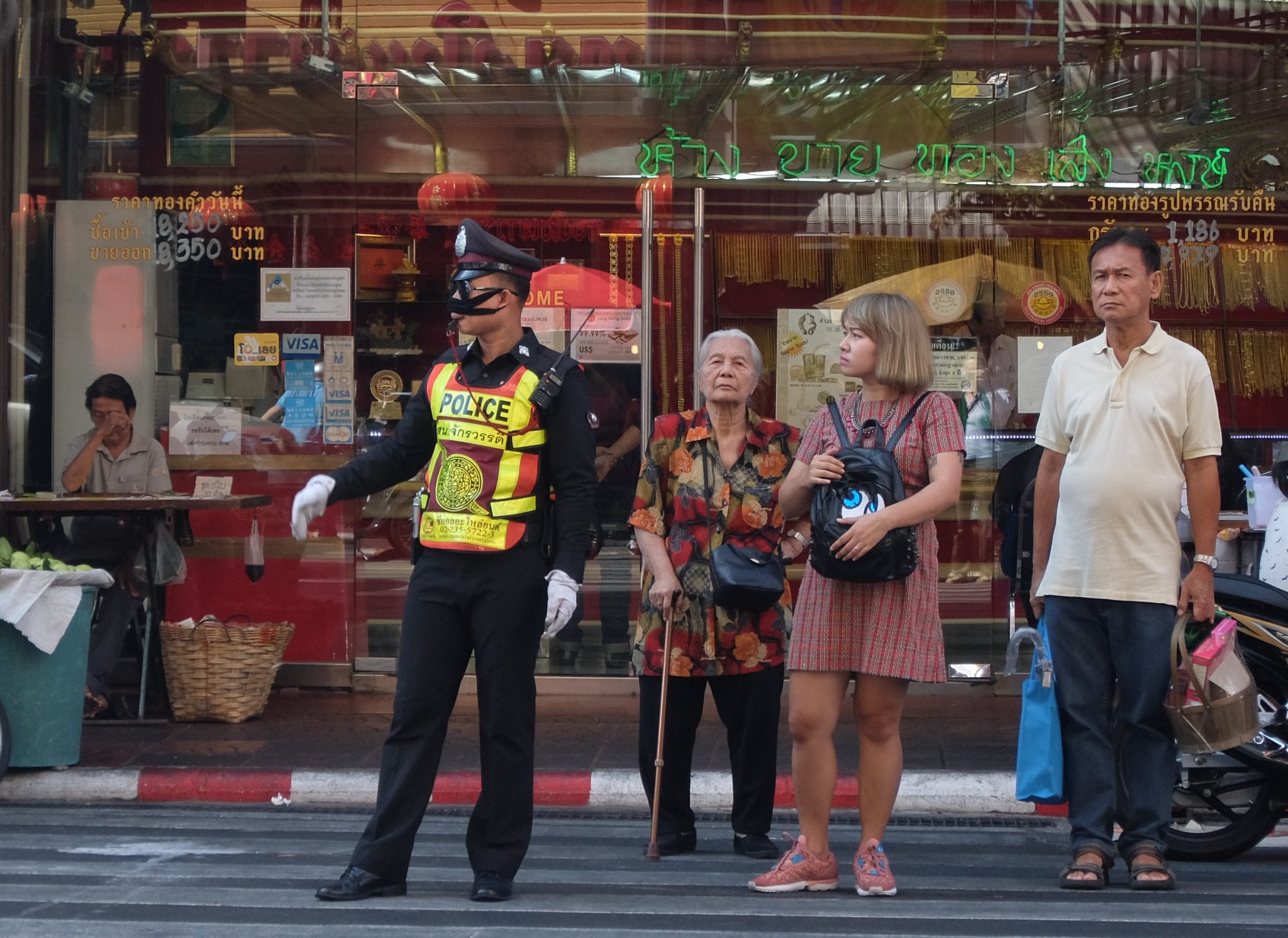
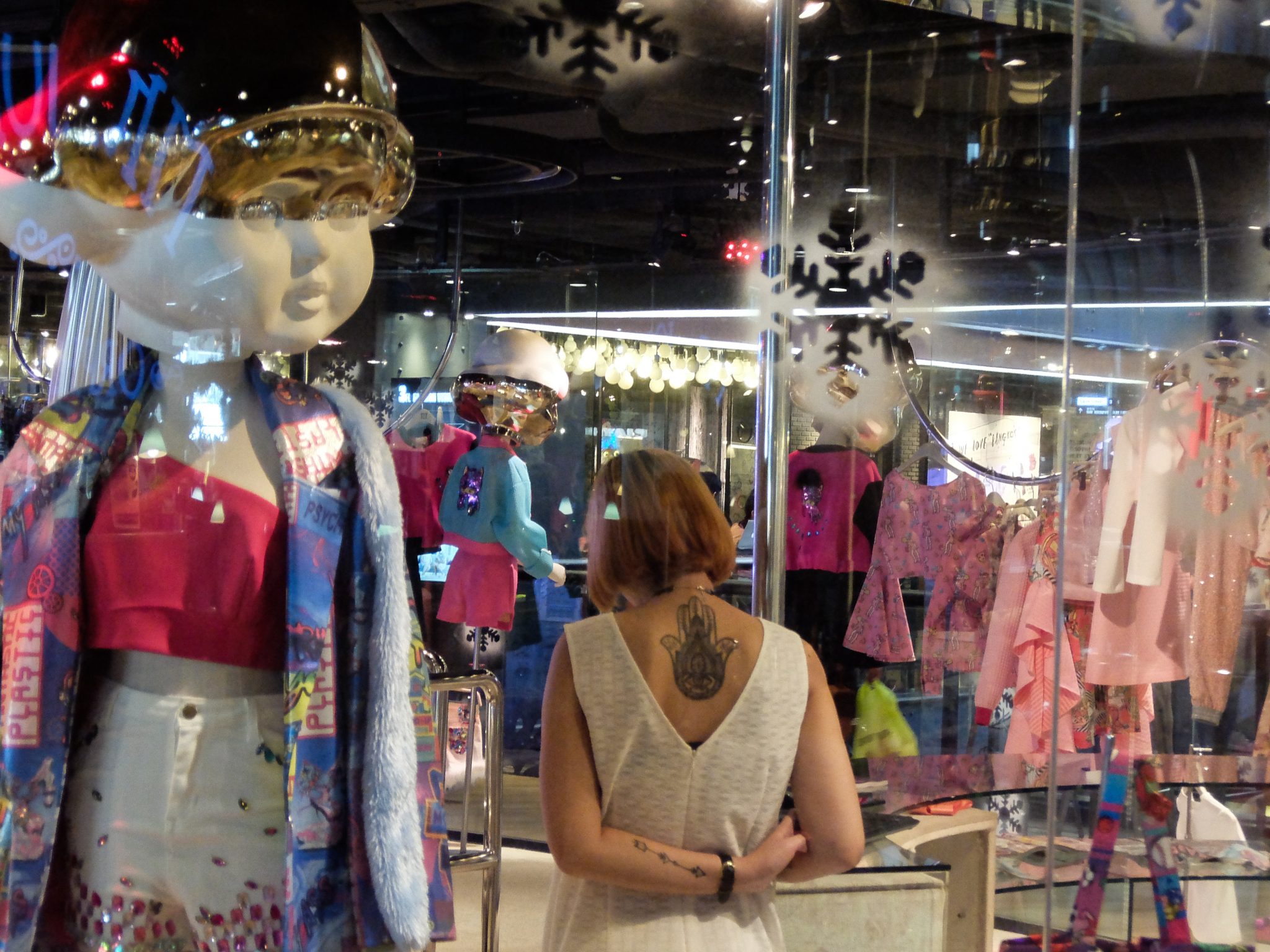
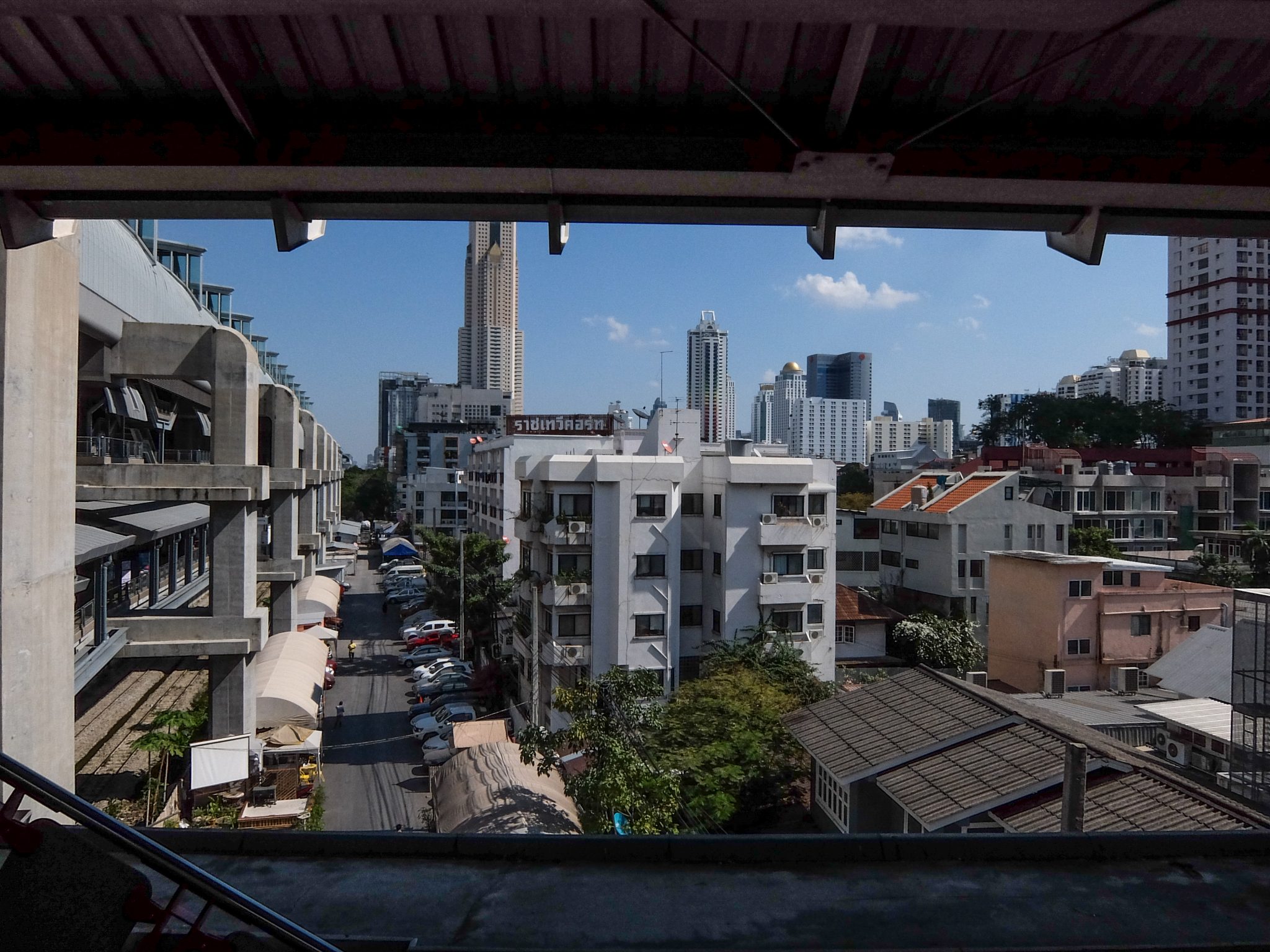
More than 20 years ago I visited Bangkok – how much has it changed! Sukhumvit Road feels like little Tokyo now – wonderful modern architecture, international flair – but still traffic jams you will have nightmares from.


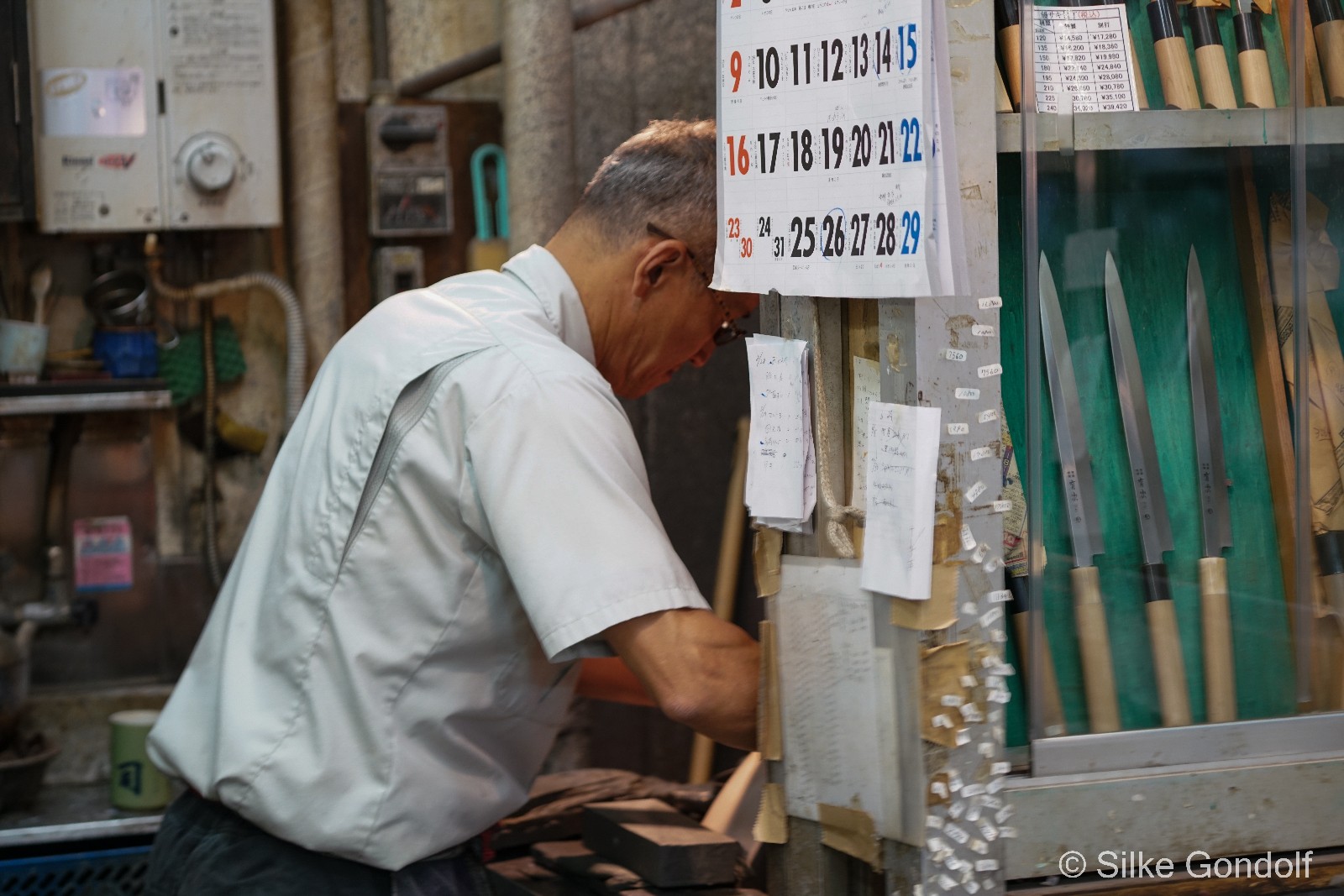
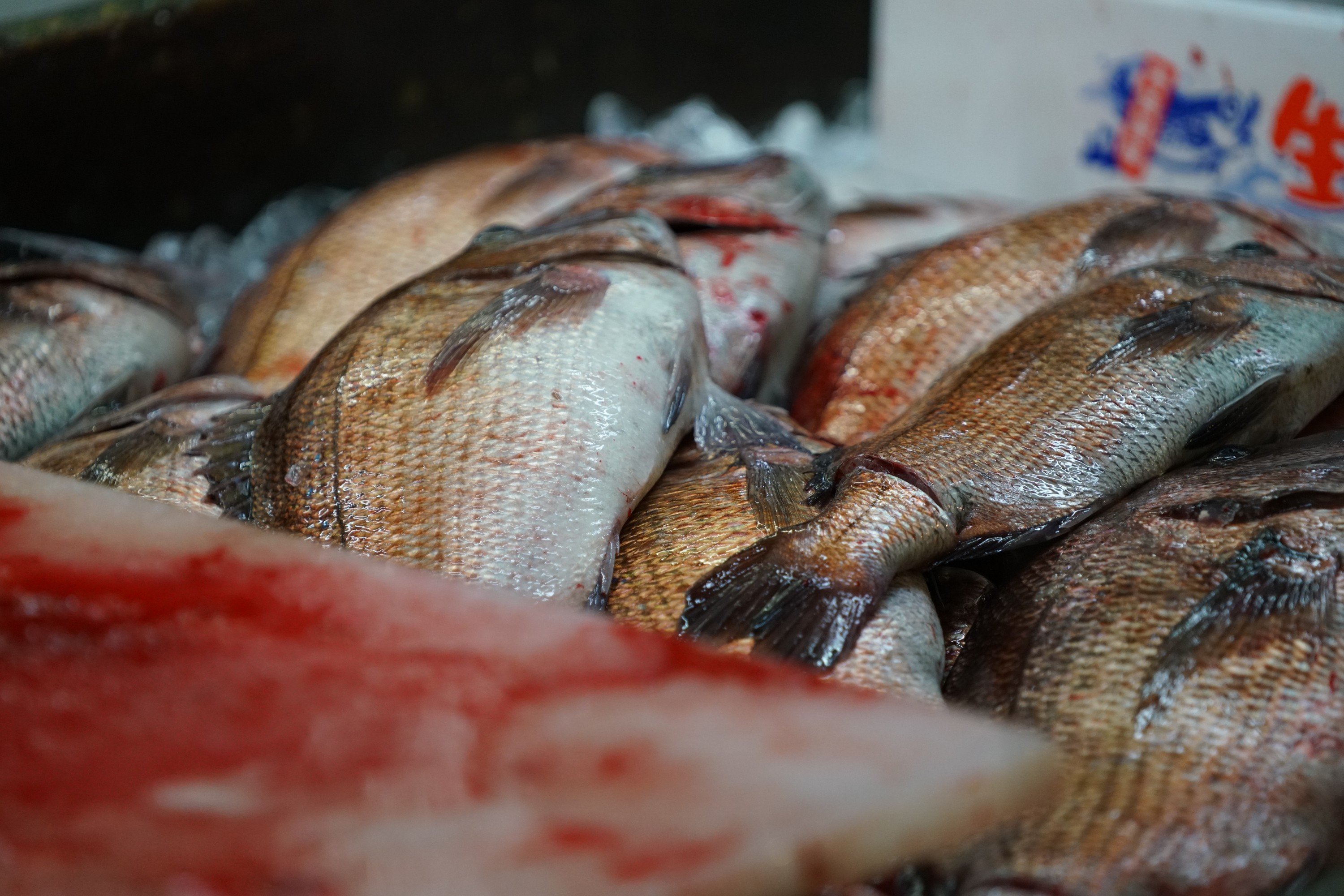
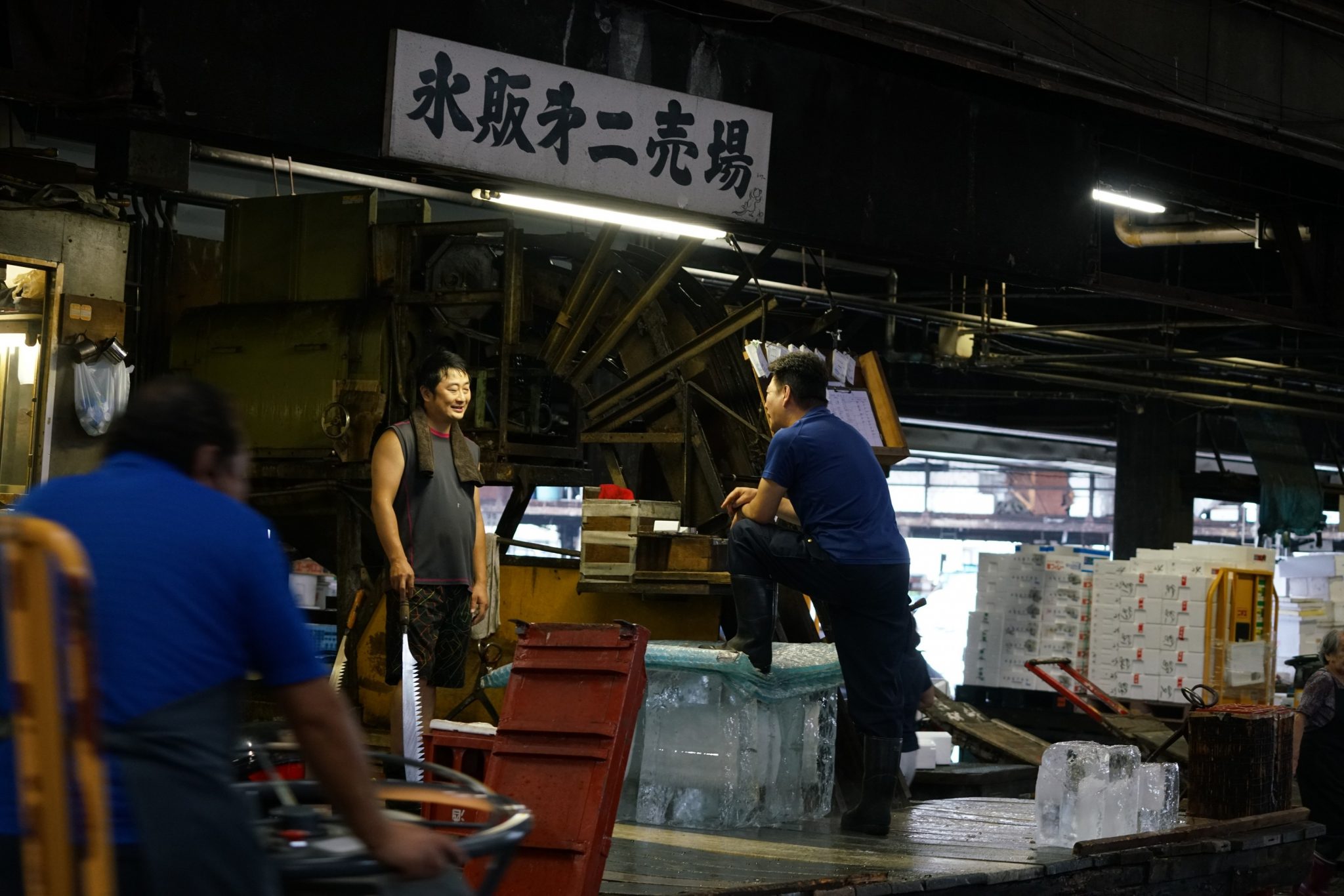
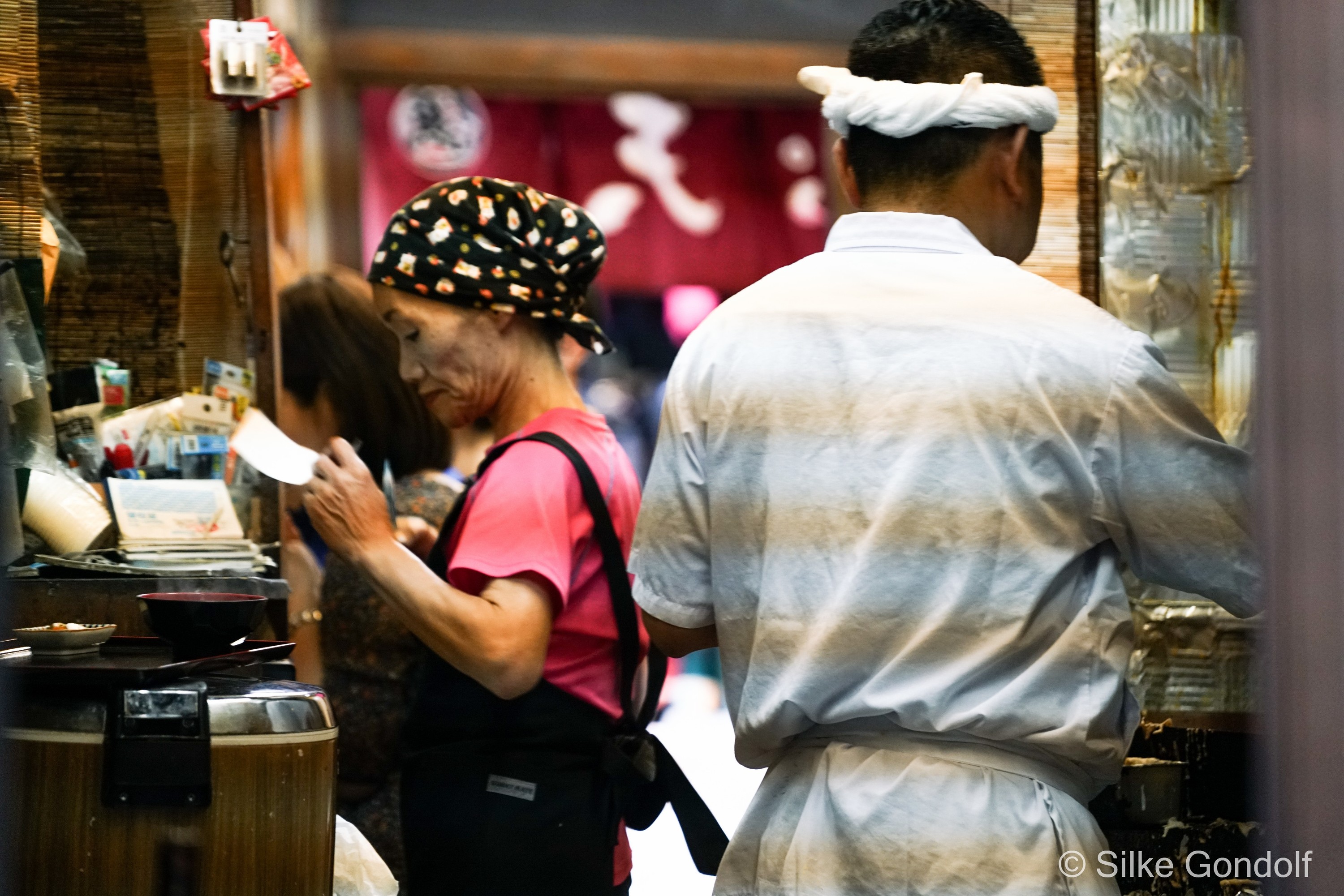
Tsukiji Fish Market

The long-anticipated move to the new market will take place in November 2016, in preparation for the 2020 Tokyo Summer Olympics.

2015 Japan

Osaka, Kobe, Mt Rokko, Tokyo, Tsukiji Fish Market, Kamakura

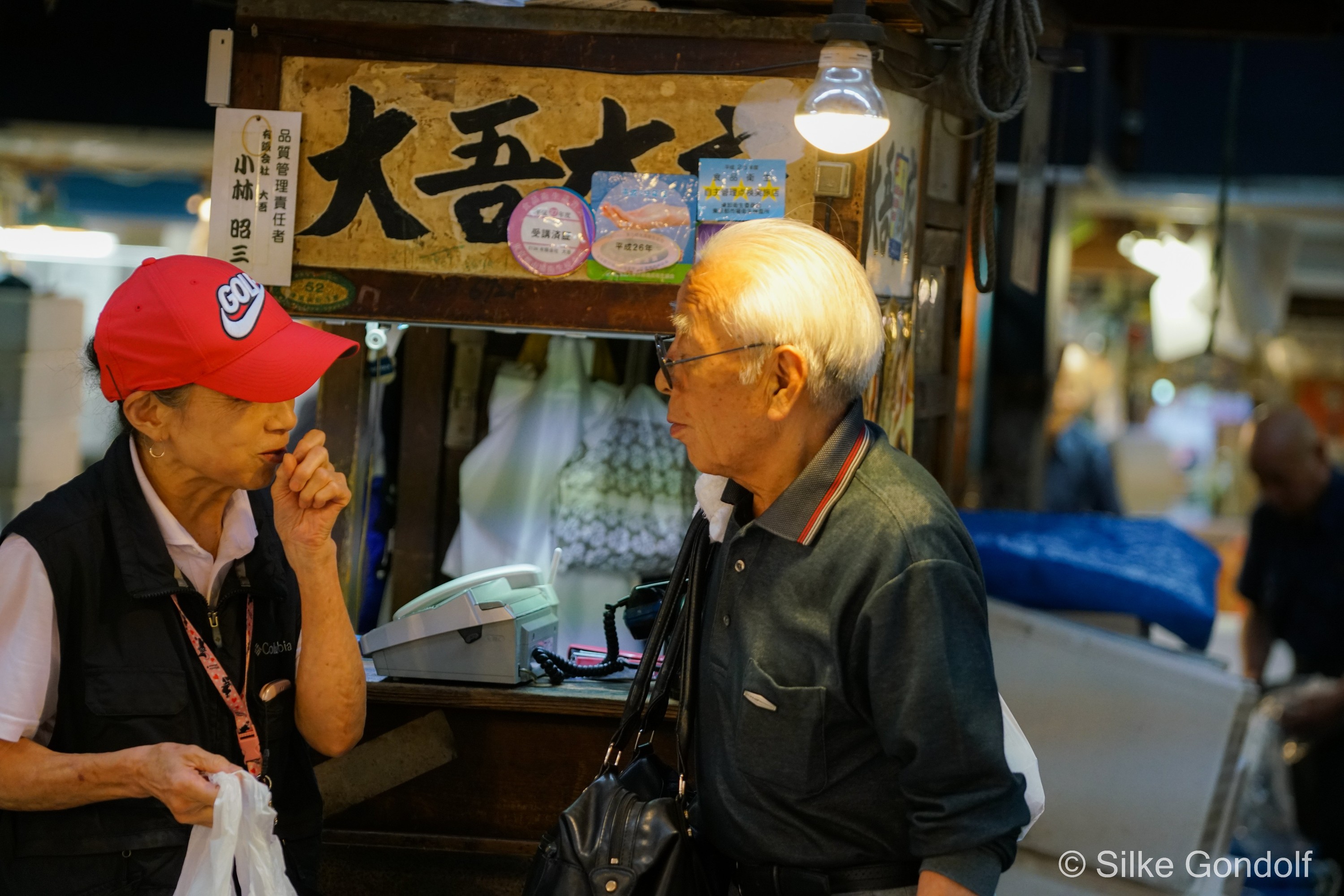
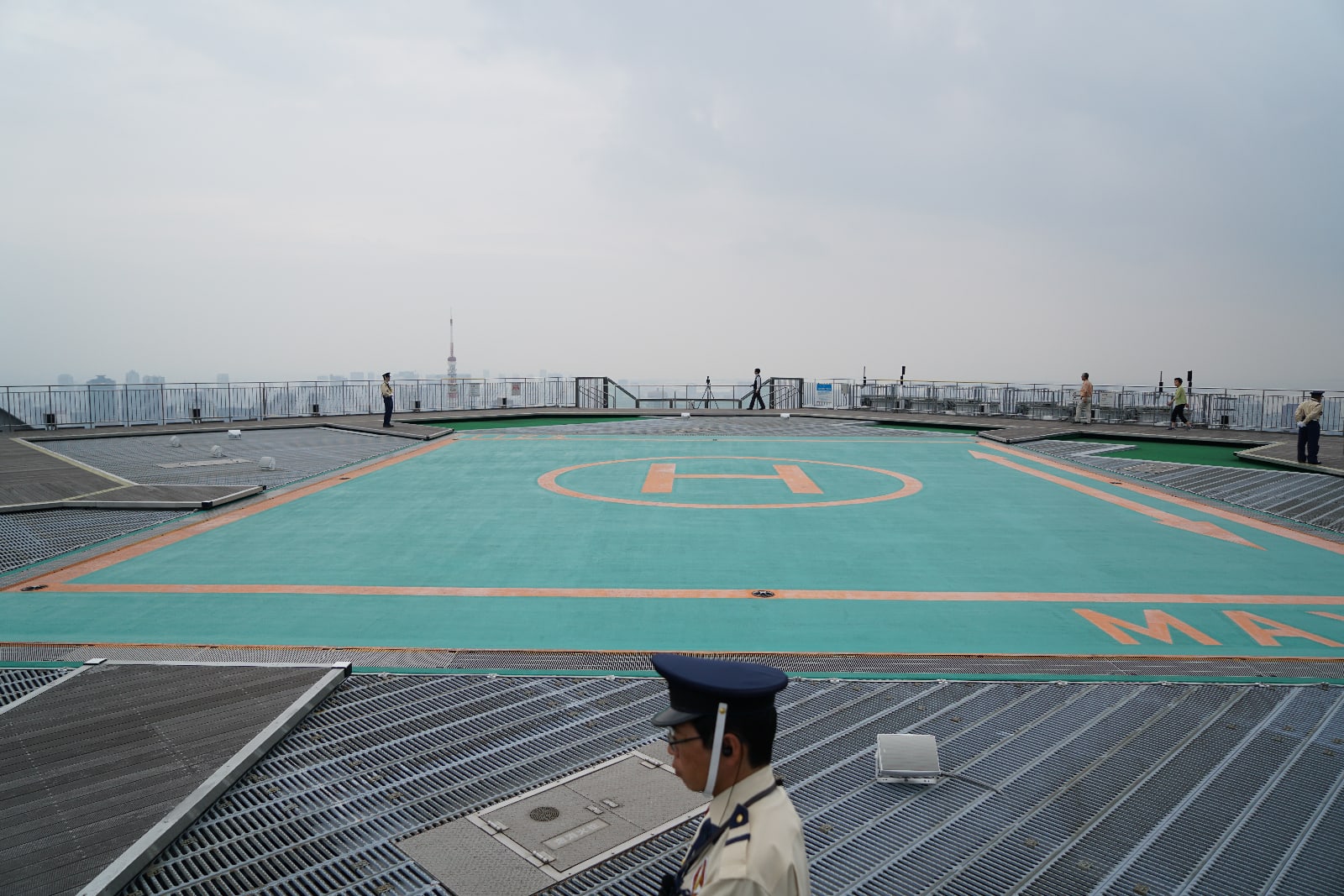
Tokyo is changing quickly. The famous Tsukiji Fish Market will finally be moved in 2016. Tokyo looks different after 14 years of absence. People are more relaxed and casual. There are more recovery and quiet zones in the city. Surprisingly, though, there are almost no functioning public WiFi.


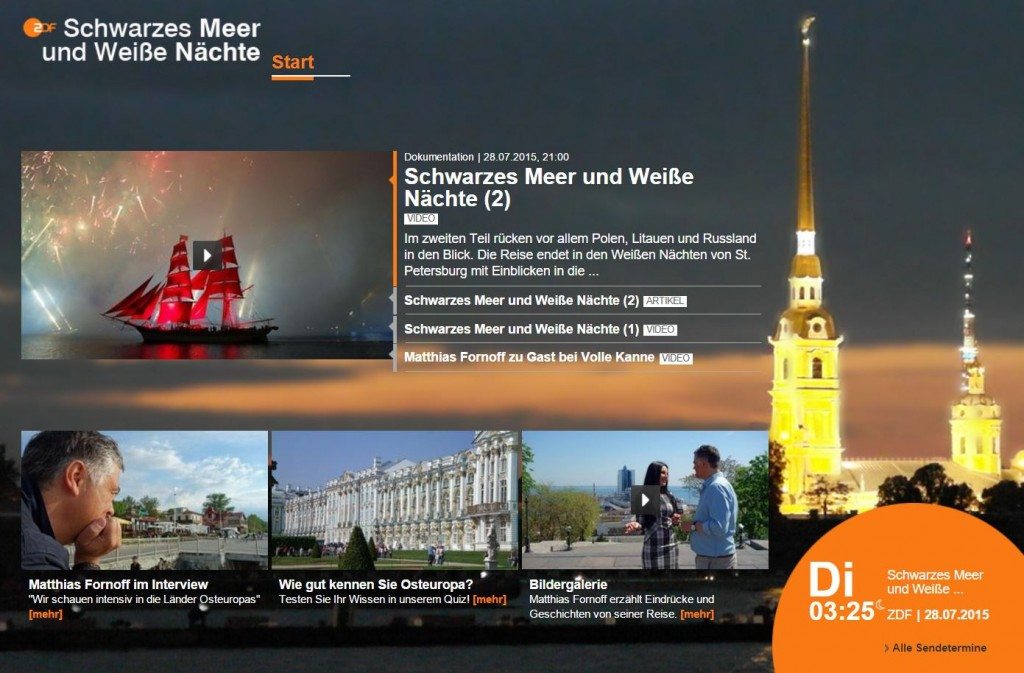
ZDF „Schwarzes Meer und weiße Nächte“

zdf_de

2015 ZDF „Schwarzes Meer und weiße Nächte“

Co-Autorin & Regie 2 x 45 min Reportage mit Matthias Fornoff

Schwarzes Meer und weiße Nächte-Macht und Menschen im Osten Europas Osteuropa: das ist die Faszination des Unfertigen. Wunderschöne Landschaften, Menschen zwischen Aufbruch, Mut und Verunsicherung.Vom Schwarzen Meer bis in die Weißen Nächte erleben Matthias Fornoff und sein Team den Mythos Osteuropa

2015 ZDF “From the Black Sea to the White Nights ” Co-Author & Director 2×45 min. reportage with Matthias Fornoff

We traveled through Eastern Europe to film its beauty and changing political landscape. Matthias Fornoff interviewed regular people to see how these changes have affected – and continue to affect them

2015 ZDF Schwarzes Meer und weiße Nächte

2015 Bulgaria

Varna, Balschik

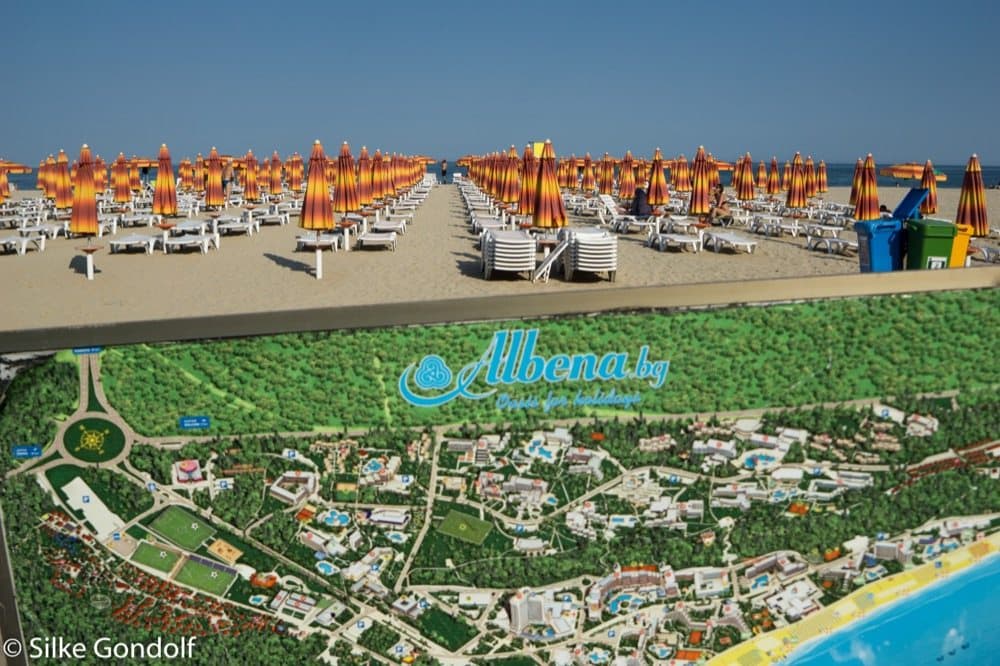
Cheap Thrills: Golden Sands Tourism. This is the place where European schoolkids party and things get out of control – intentionally.


2015 Moldova

Chisinau, Dorotcaia, Crocmaz

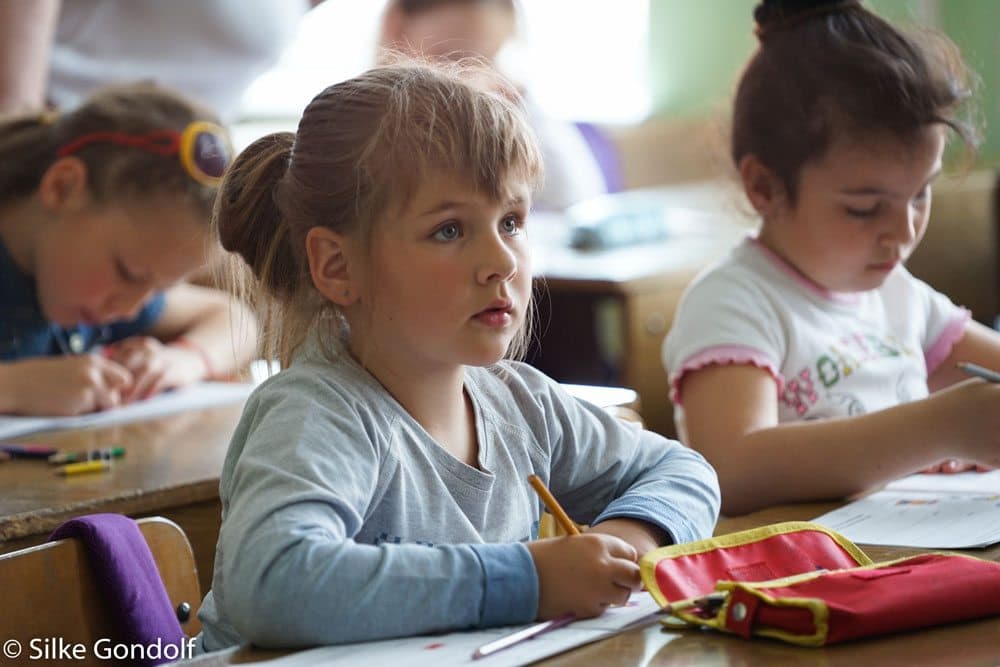
Moldova’s simplicity is comforting. Spending a couple of days in a public school, at the border of Transnistria, was inspiring. Students and teachers want to live a life in peace. Transnistria is a threatening reality. But Moldovans have solutions for almost everything.


2015 Poland

Galiny, Bartoczyce, Wegorzewo

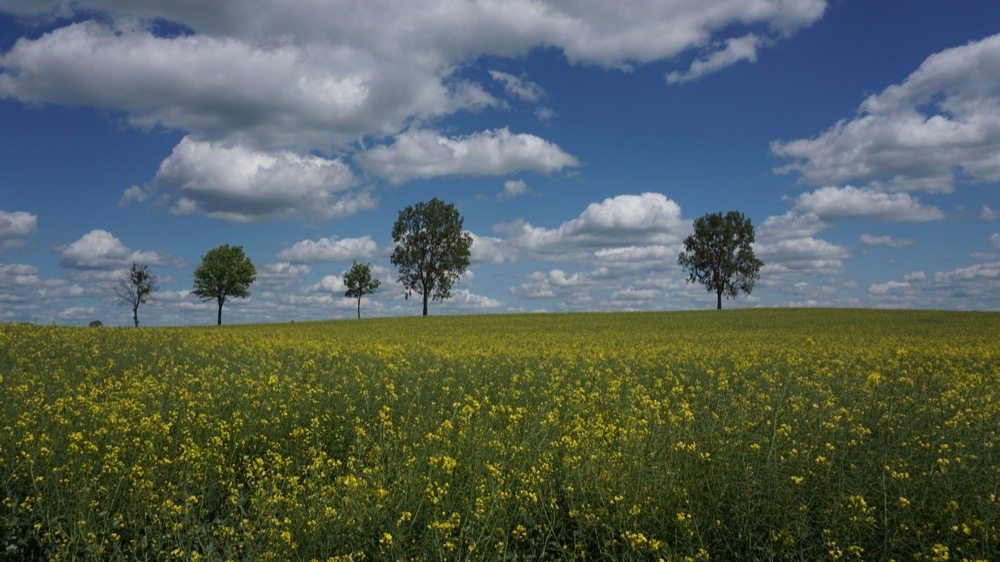
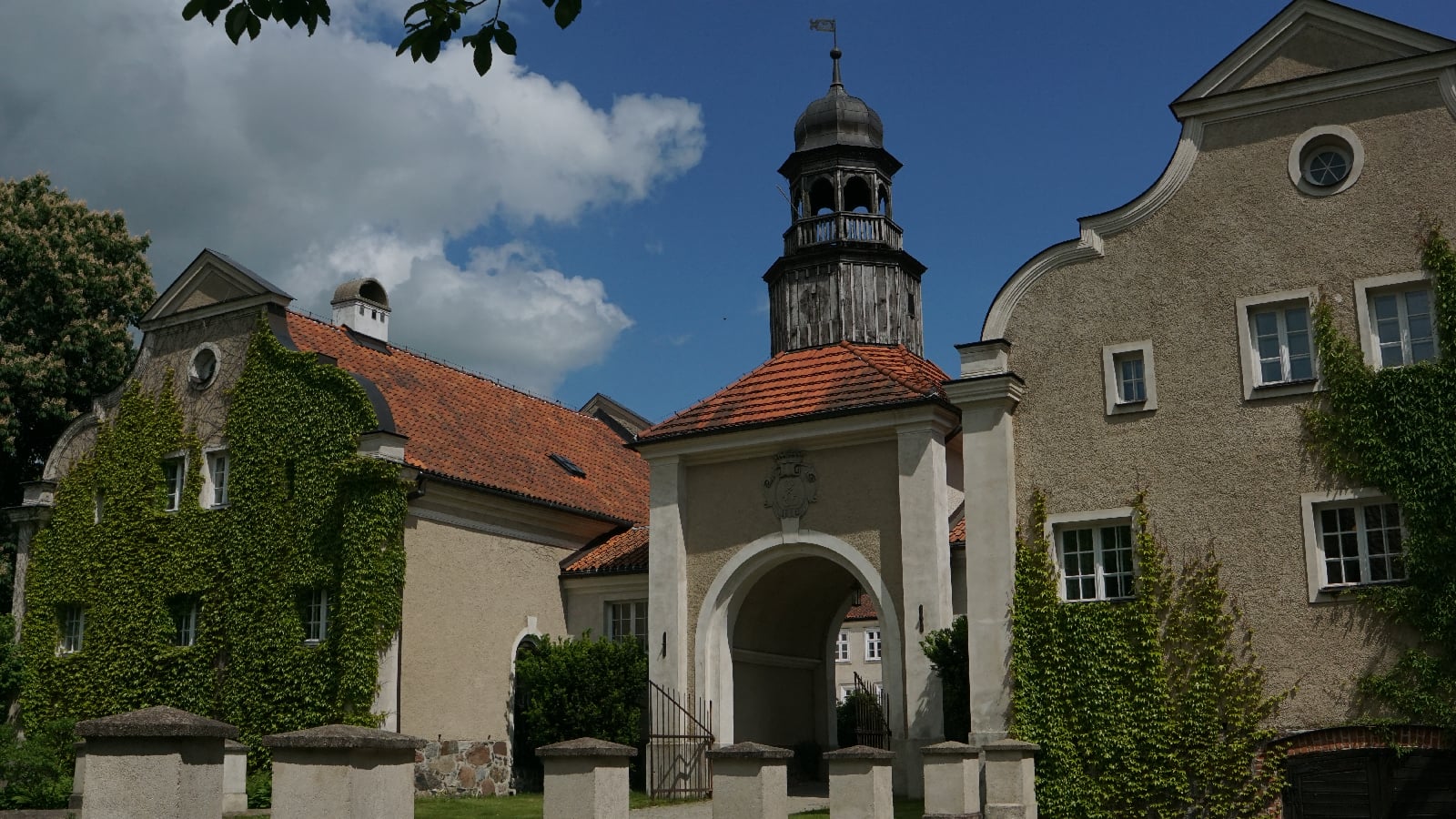
The north of Poland, with its tree-lined avenues, the never-ending horizon and storks nesting in small villages. Peaceful.


Myanmar

Travel Notes: Steaming hot streets, everything pushes its way through the old narrow streets of Yangon’s Chinatown. There is no escape from the intensity of people and their creations. Walking past some cycle rickshaws that carry their human load one forward and the other backward facing. Chinese style rickshaws: narrow, efficient and the perfect vehicle for the old roads, lined with parked trucks and garbage deposits. The houses are decorated with mold. The sewers are open. There are streets dedicated to local professions and some just for tourists. Small and big temples everywhere, people carrying their offerings to them day and night.

  • If you ask the Burmese, they say they don’t like Myanmar.
  • If you ask the Burmese, they say they don’t like Myanmar.
  • If you ask the Burmese, they say they don’t like Myanmar.
  • If you ask the Burmese, they say they don’t like Myanmar.
  • If you ask the Burmese, they say they don’t like Myanmar.
  • If you ask the Burmese, they say they don’t like Myanmar.
  • If you ask the Burmese, they say they don’t like Myanmar.
  • If you ask the Burmese, they say they don’t like Myanmar.
  • If you ask the Burmese, they say they don’t like Myanmar.
  • If you ask the Burmese, they say they don’t like Myanmar.
  • If you ask the Burmese, they say they don’t like Myanmar.
  • If you ask the Burmese, they say they don’t like Myanmar.
  • If you ask the Burmese, they say they don’t like Myanmar.
  • If you ask the Burmese, they say they don’t like Myanmar.
  • If you ask the Burmese, they say they don’t like Myanmar.
  • If you ask the Burmese, they say they don’t like Myanmar.
  • If you ask the Burmese, they say they don’t like Myanmar.
  • If you ask the Burmese, they say they don’t like Myanmar.
  • If you ask the Burmese, they say they don’t like Myanmar.
  • If you ask the Burmese, they say they don’t like Myanmar.
  • If you ask the Burmese, they say they don’t like Myanmar.
  • If you ask the Burmese, they say they don’t like Myanmar.
  • If you ask the Burmese, they say they don’t like Myanmar.
  • If you ask the Burmese, they say they don’t like Myanmar.
  • If you ask the Burmese, they say they don’t like Myanmar.
  • If you ask the Burmese, they say they don’t like Myanmar.
  • If you ask the Burmese, they say they don’t like Myanmar.
  • If you ask the Burmese, they say they don’t like Myanmar.
  • If you ask the Burmese, they say they don’t like Myanmar.
  • If you ask the Burmese, they say they don’t like Myanmar.
  • If you ask the Burmese, they say they don’t like Myanmar.
  • If you ask the Burmese, they say they don’t like Myanmar.
  • If you ask the Burmese, they say they don’t like Myanmar.
  • If you ask the Burmese, they say they don’t like Myanmar.
  • If you ask the Burmese, they say they don’t like Myanmar.
  • If you ask the Burmese, they say they don’t like Myanmar.
  • If you ask the Burmese, they say they don’t like Myanmar.
  • If you ask the Burmese, they say they don’t like Myanmar.
  • If you ask the Burmese, they say they don’t like Myanmar.
  • If you ask the Burmese, they say they don’t like Myanmar.
  • If you ask the Burmese, they say they don’t like Myanmar.
  • If you ask the Burmese, they say they don’t like Myanmar.
  • If you ask the Burmese, they say they don’t like Myanmar.
  • If you ask the Burmese, they say they don’t like Myanmar.
  • If you ask the Burmese, they say they don’t like Myanmar.
  • If you ask the Burmese, they say they don’t like Myanmar.
  • If you ask the Burmese, they say they don’t like Myanmar.
  • If you ask the Burmese, they say they don’t like Myanmar.
  • If you ask the Burmese, they say they don’t like Myanmar.
  • If you ask the Burmese, they say they don’t like Myanmar.
  • If you ask the Burmese, they say they don’t like Myanmar.
  • If you ask the Burmese, they say they don’t like Myanmar.
  • If you ask the Burmese, they say they don’t like Myanmar.
  • If you ask the Burmese, they say they don’t like Myanmar.


In the morning, the smog – mostly created by burned garbage -is lifting slowly, dissolved by the morning breeze and the sun. The curtain opens for another day in this new melting pot of foreign interests and opportunity.
Meanwhile the other side of the Hlaing River is pure countryside: ox carts and small little shacks, village life all slow paced just a mile away. The small town of Dalah is the entry port to another Burma – the opposite of Yangon’s sudden leap into the 21st century.

After you have made it past the harassing taxis and rickshaws at the port, you are on your potholed way to the Stone Age. The snake temple, home of twenty lovely and friendly python snakes – in the care of pink dressed nuns – is something like a live horror movie. Local visitors and tourists are frightened of the snakes but still they go close, take pictures and make offerings: it’s about beating your inner fear. A huge pond surrounds the snake temple. Here you can fatten the gigantic fishes with a bowl of holy popcorn, sold by nuns. The same nuns who would certainly kill you, if you forget to take your shoes off.

In one of these villages on the other side of the river, boys played a soccer match -it seemed to be an important game between local 12-year olds. The village elders blocked the whole intersection, now fancying bamboo made goals with fishing nets. The whole village came to watch and cheer. It was touching to see the importance of this game for everyone living here.

There are huge huts made from palm leaves and straw with big ovens for the pottery works. Pottery is done everywhere. They produce small kitchen items like bowls and tea pots – but also, the huge buckets that will contain the daily ration of water for the household.

An interesting feature in this country is the water bowls left outside of every houses, for passersby or thirsty spirits to refresh themselves. Sometimes they also have a water bowl on the ground, for animals passing by.

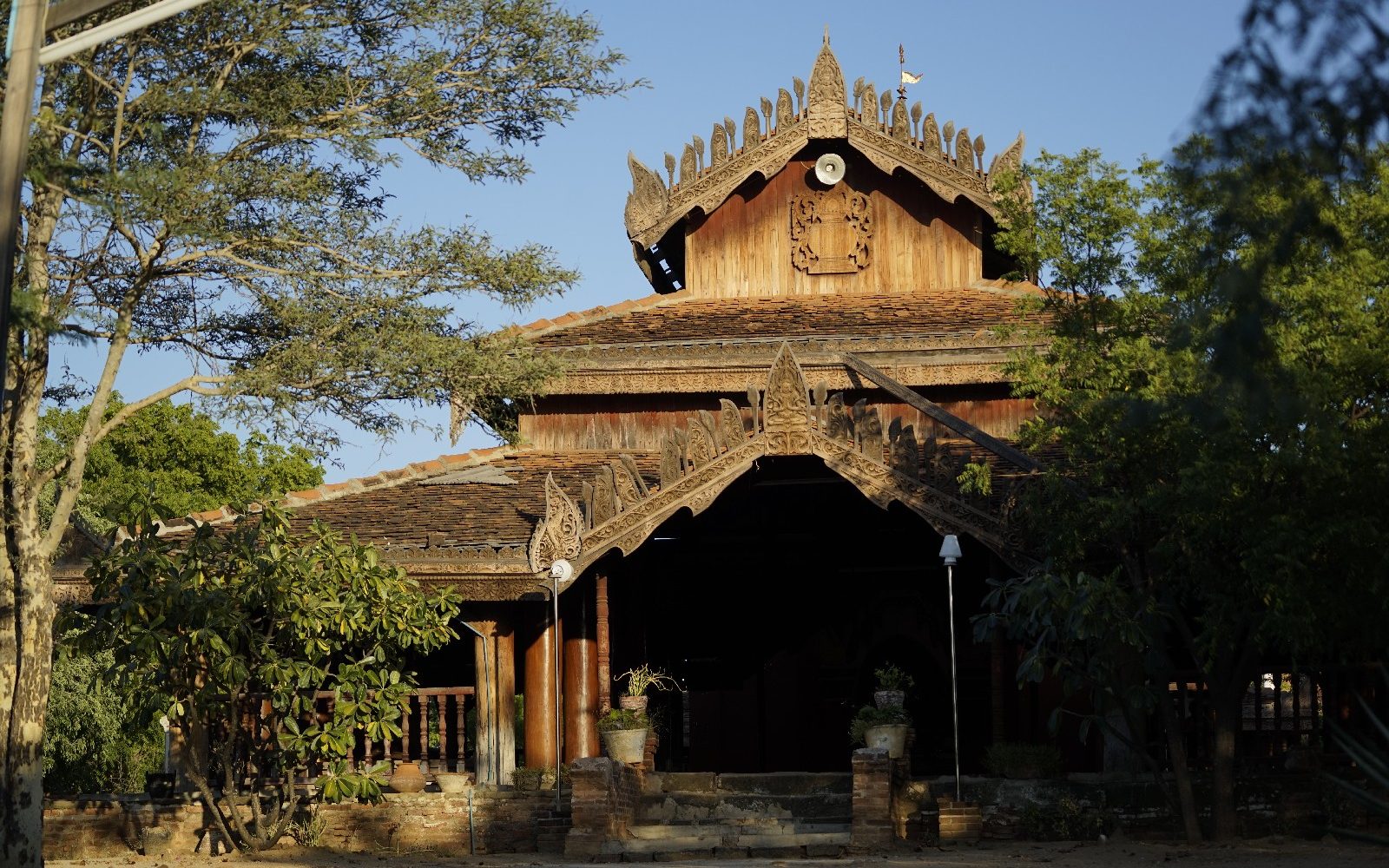
The villages have different styles of houses, some of them are very old and built from hard wood. These structures last, because in the countryside mold is not such a problem: the air does not stand between the buildings like in the city.
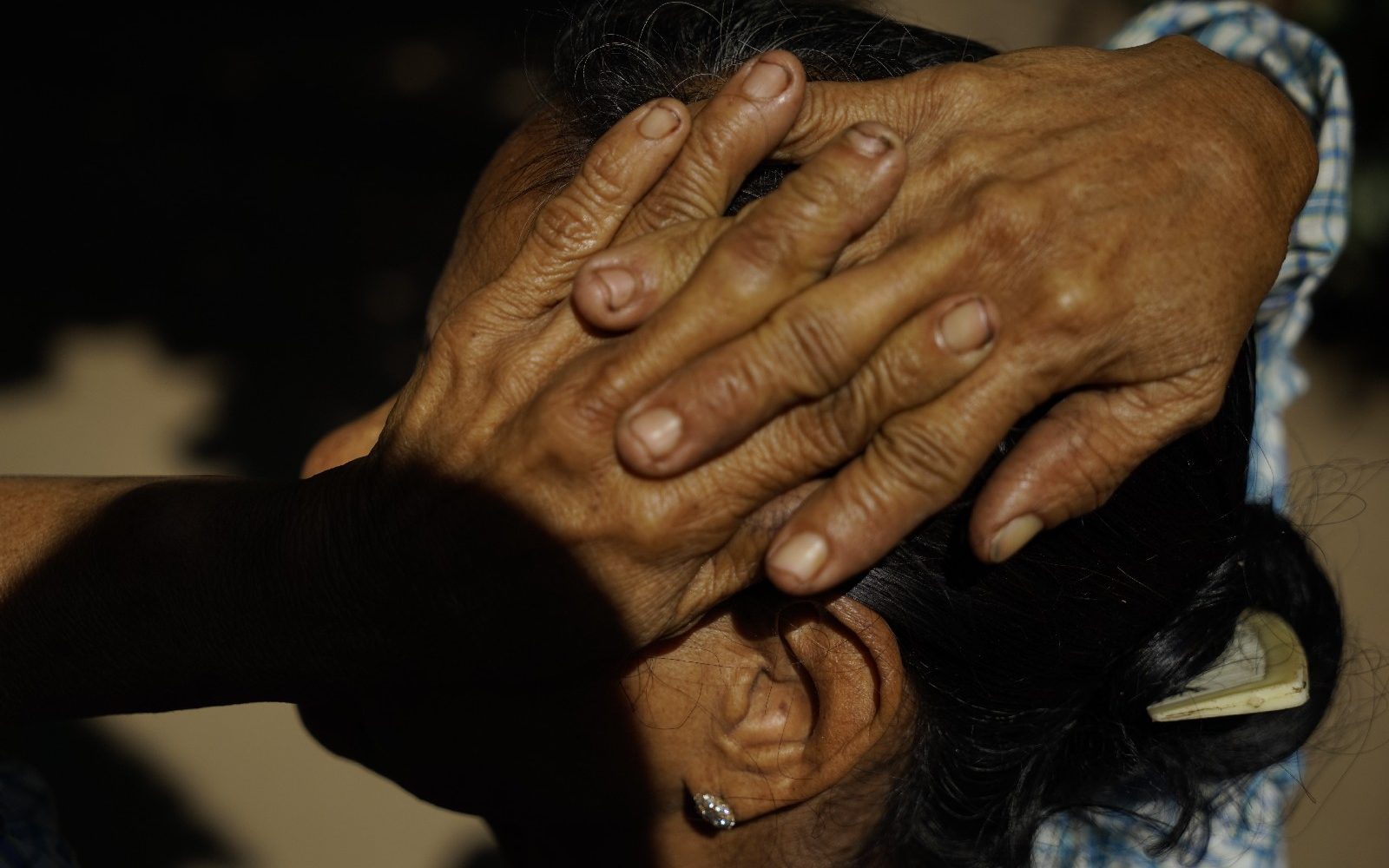
I was invited into one such house. Inside was an old lady sitting like a Buddha on a plastic chair, folded up like a doll without eyes. The lady just had her 104th birthday and was happy to hear visitors in her home. She suddenly stood up and walked towards me, sitting down quickly on the wooden floor right in front of me. She cannot see a thing anymore, but she was listening and liked to have her hand held. Her family was very proud of her. She was the most respected person of the household.

Heading back to the city of Yangon, crossing the river at dawn and listening to the announcement of the many different mobile sellers on board of the ferry, was a nice introduction back into the Burmese civilization.

Yangon Harbor now has a couple of cool hangouts for expats and tourists. The sheds were used for storage in former times, and some of them are still in use. A businessman started to transform a couple of sheds, one into an art gallery and another one into a bistro and restaurant. The roughness of the structures was kept, so it still looks like an old shed, and all the life around it makes you feel you are a harbor worker – just having a cappuccino and a burger. Rickshaw drivers pick up their customers from there, charging them 2 dollars to go anywhere in Rangoon – customers who easily spent 6 dollars for a cocktail a minute before. The clashes between new world and old world are going well – so far.

People in general are concerned with the development of their country, they want to go forward faster, more new roads, tearing down the old buildings, opening media and businesses with the rest of the world. For them things go too slow. Even though every rickshaw driver has a cellphone as big as tray – they do not have internet access, but they want it. Restrictions apply; access to information is limited. The world is watching Burma and Burma is watching the world. The 2015 elections will probably create some unrest. The surface looks nice, tourists travel in droves to this place.

If you ask the Burmese, they say they don’t like Myanmar. If you ask Tourists which country in Asia they like best, it’s Myanmar.

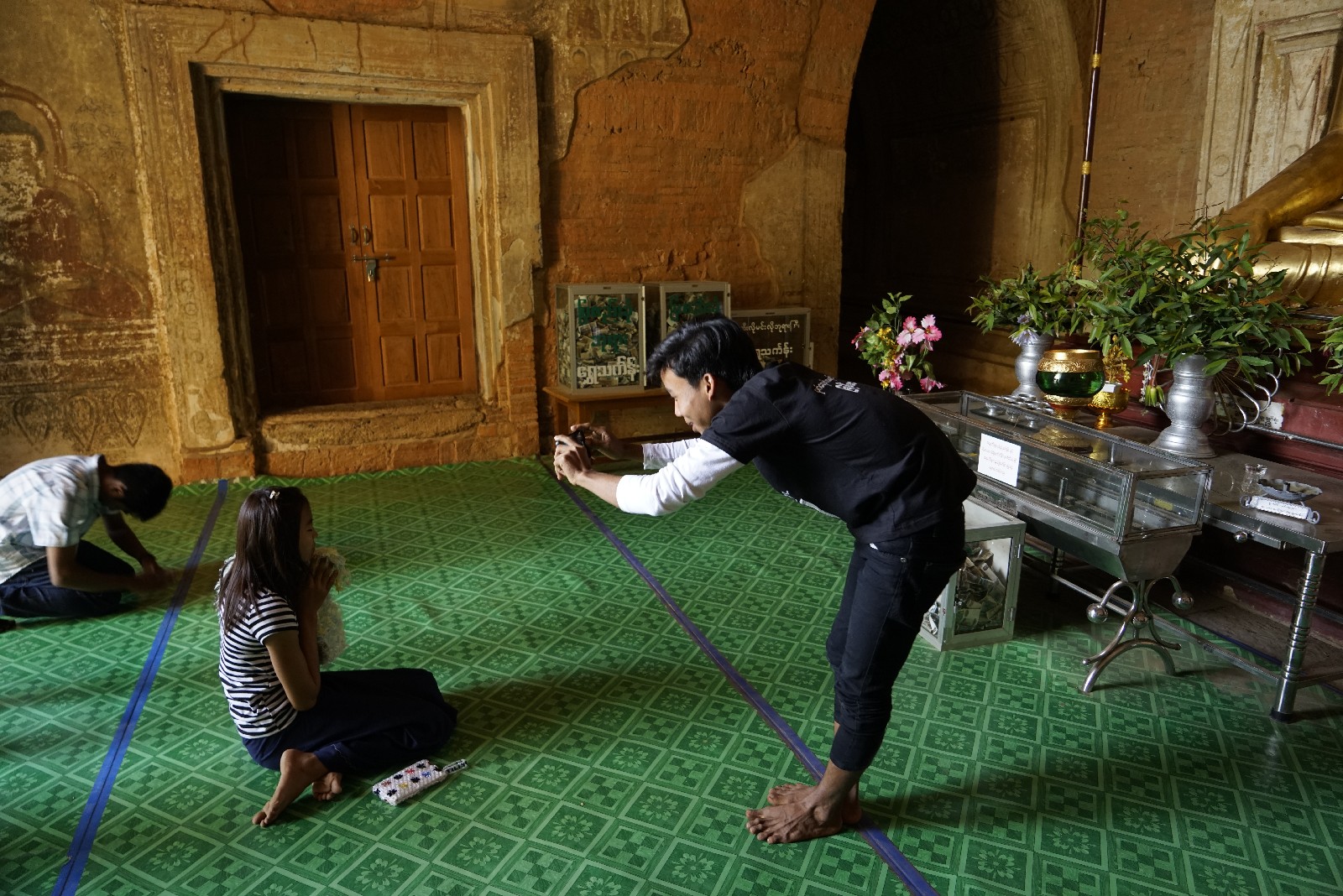
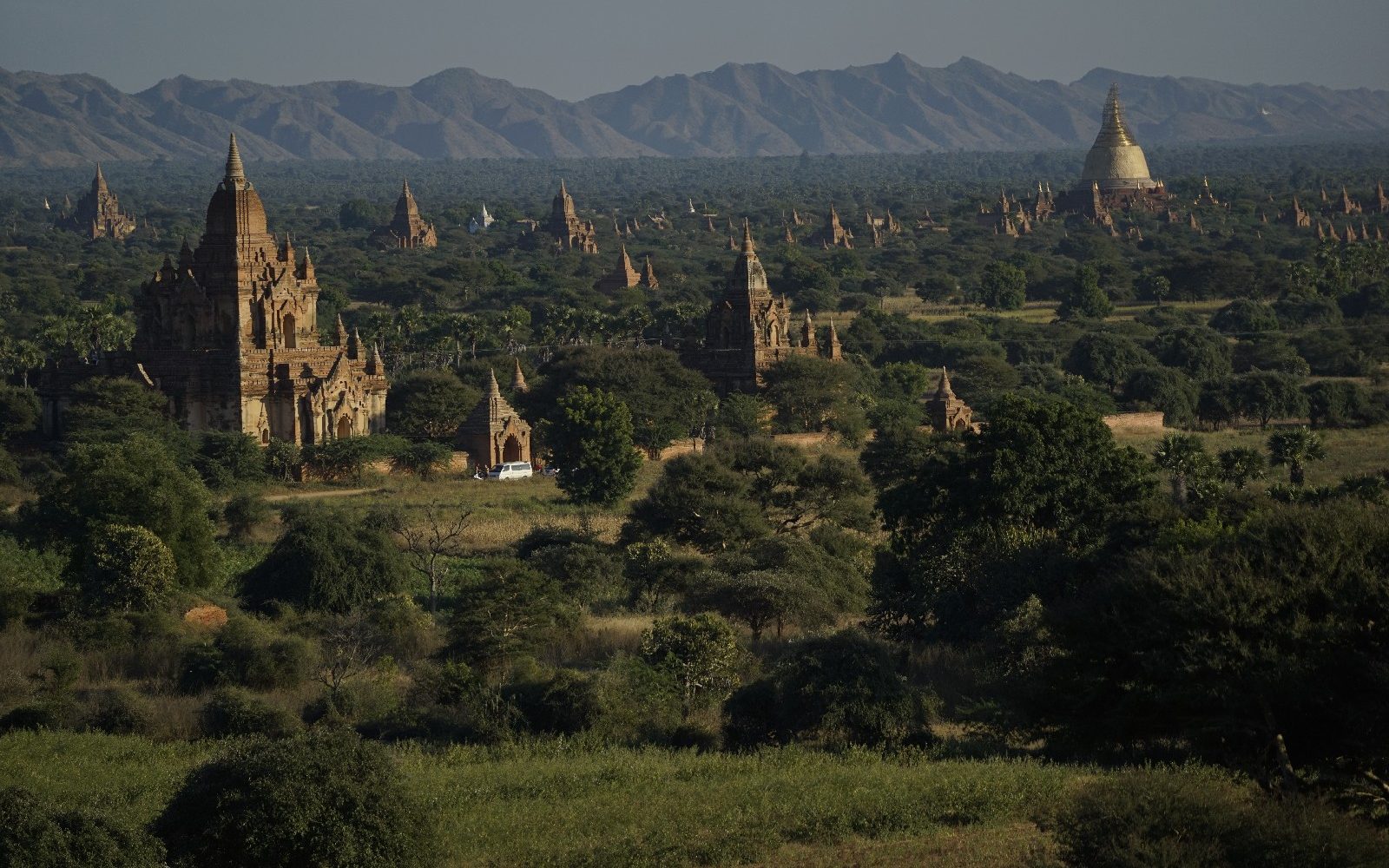
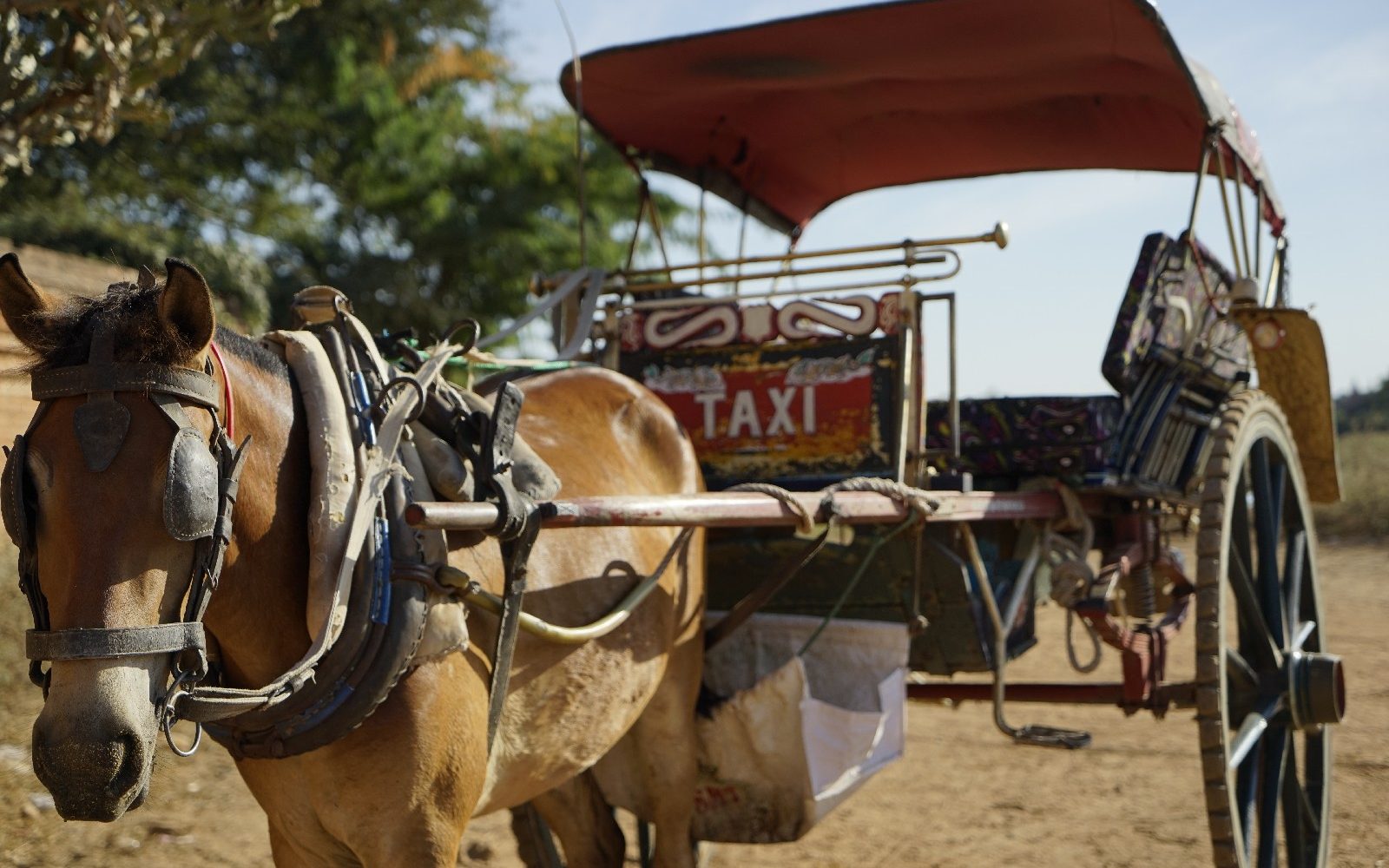
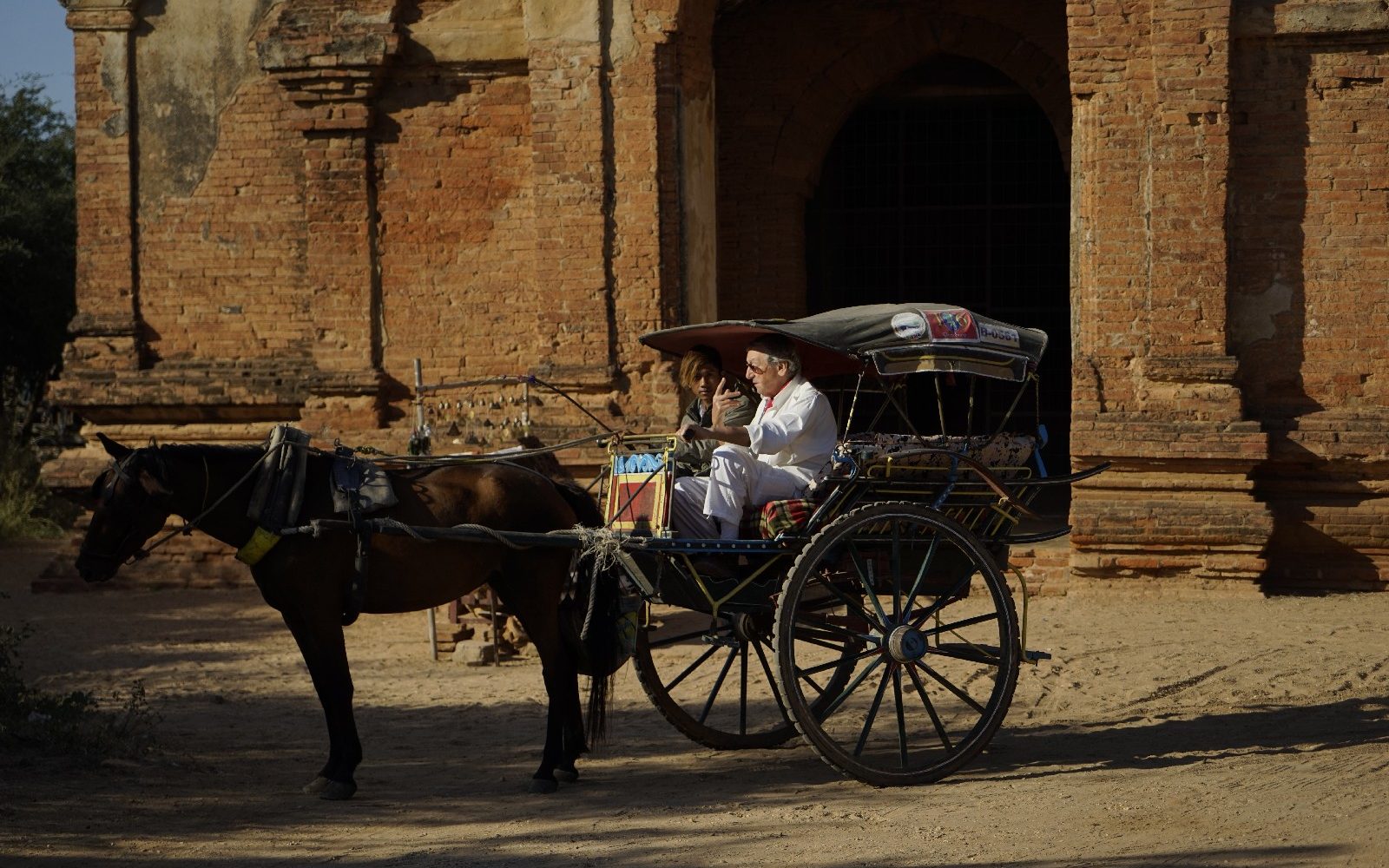
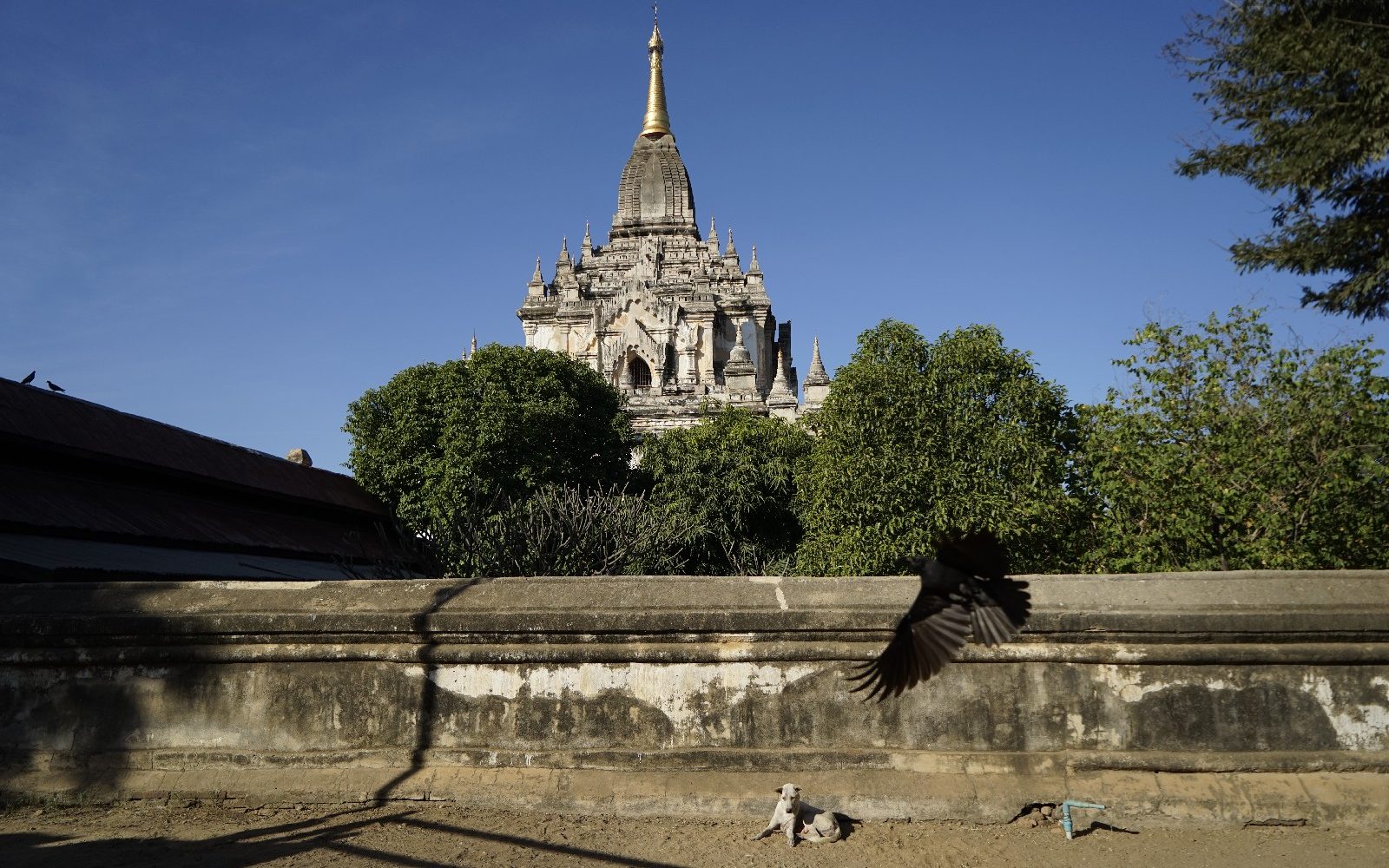
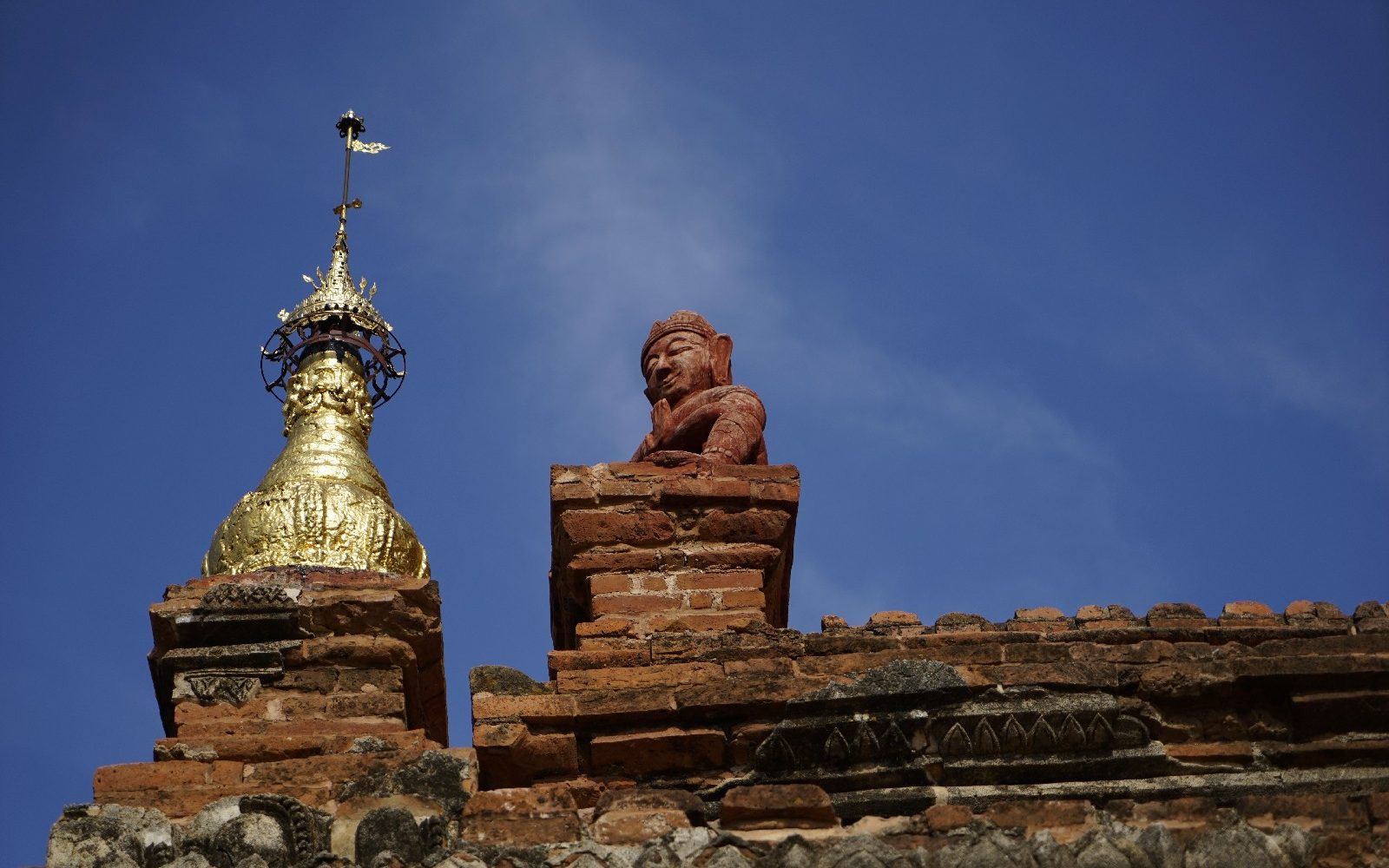
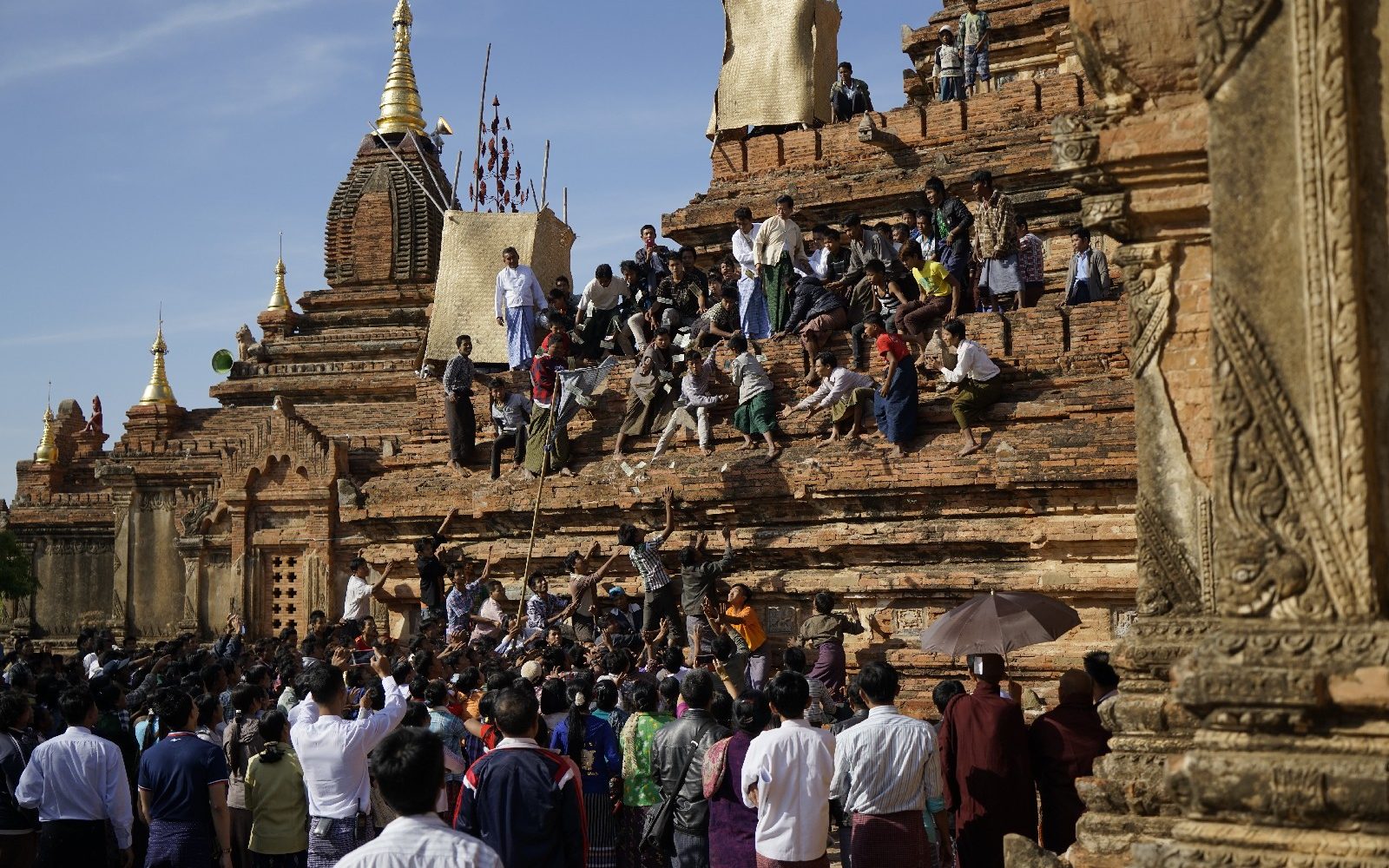
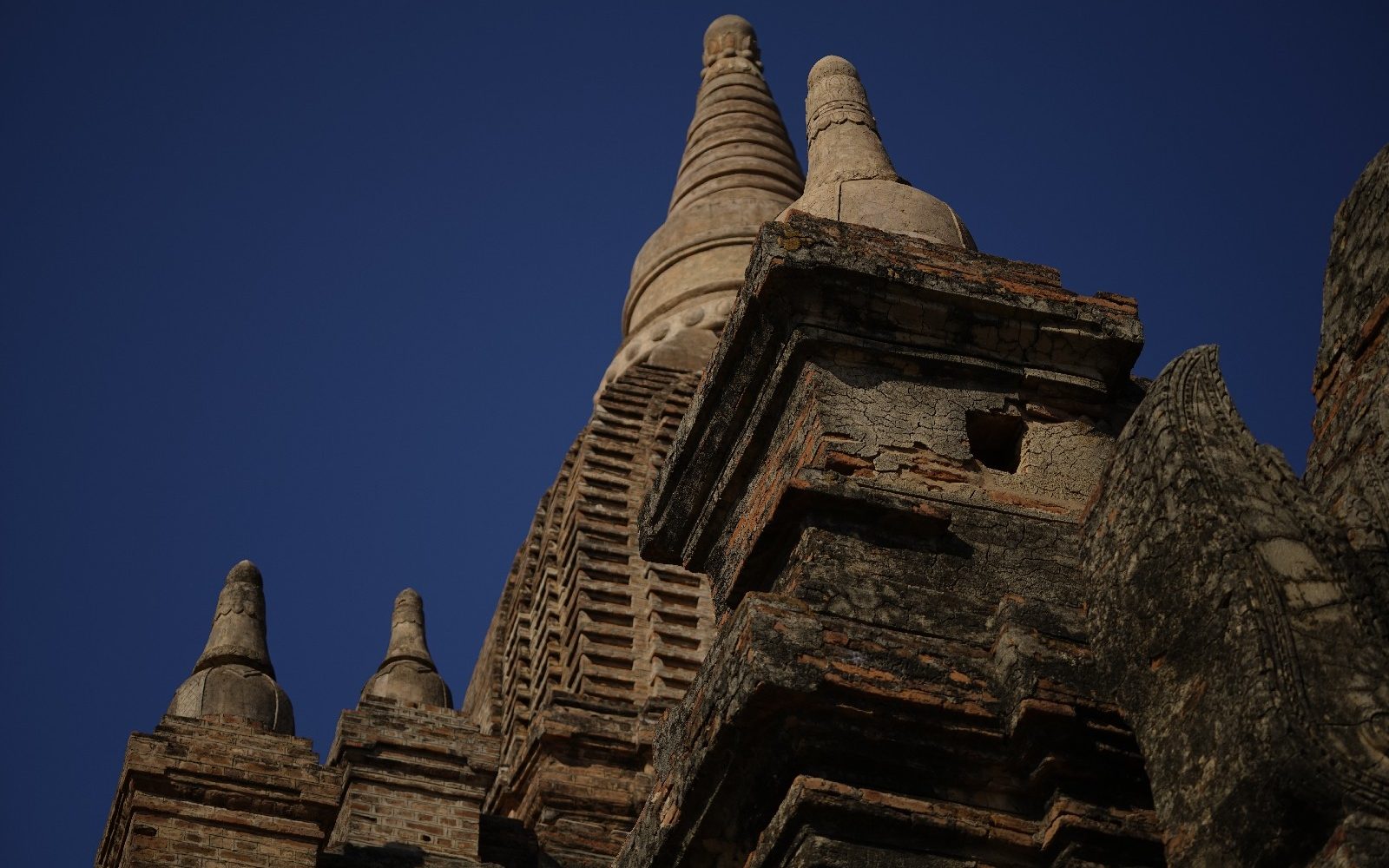
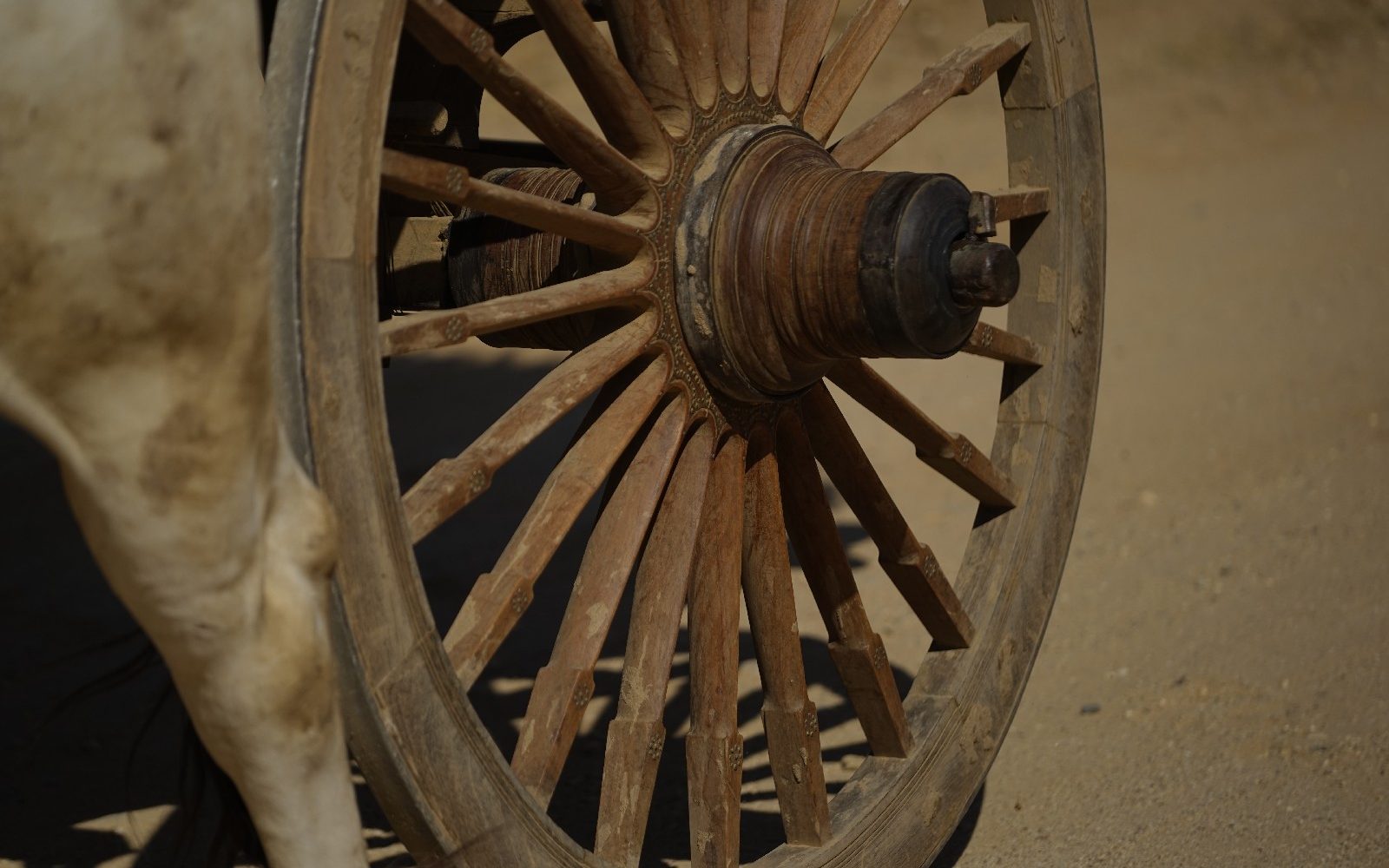
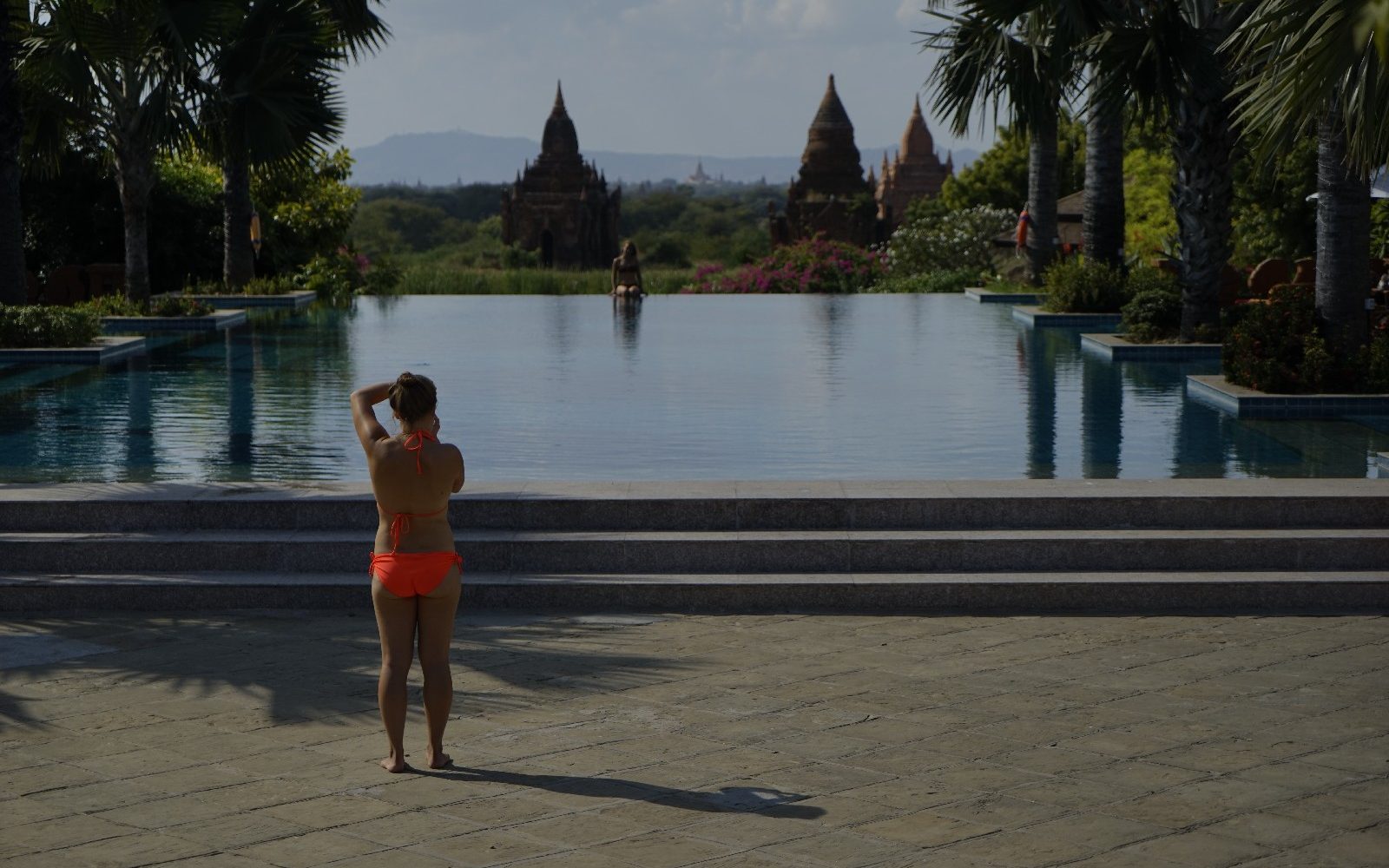
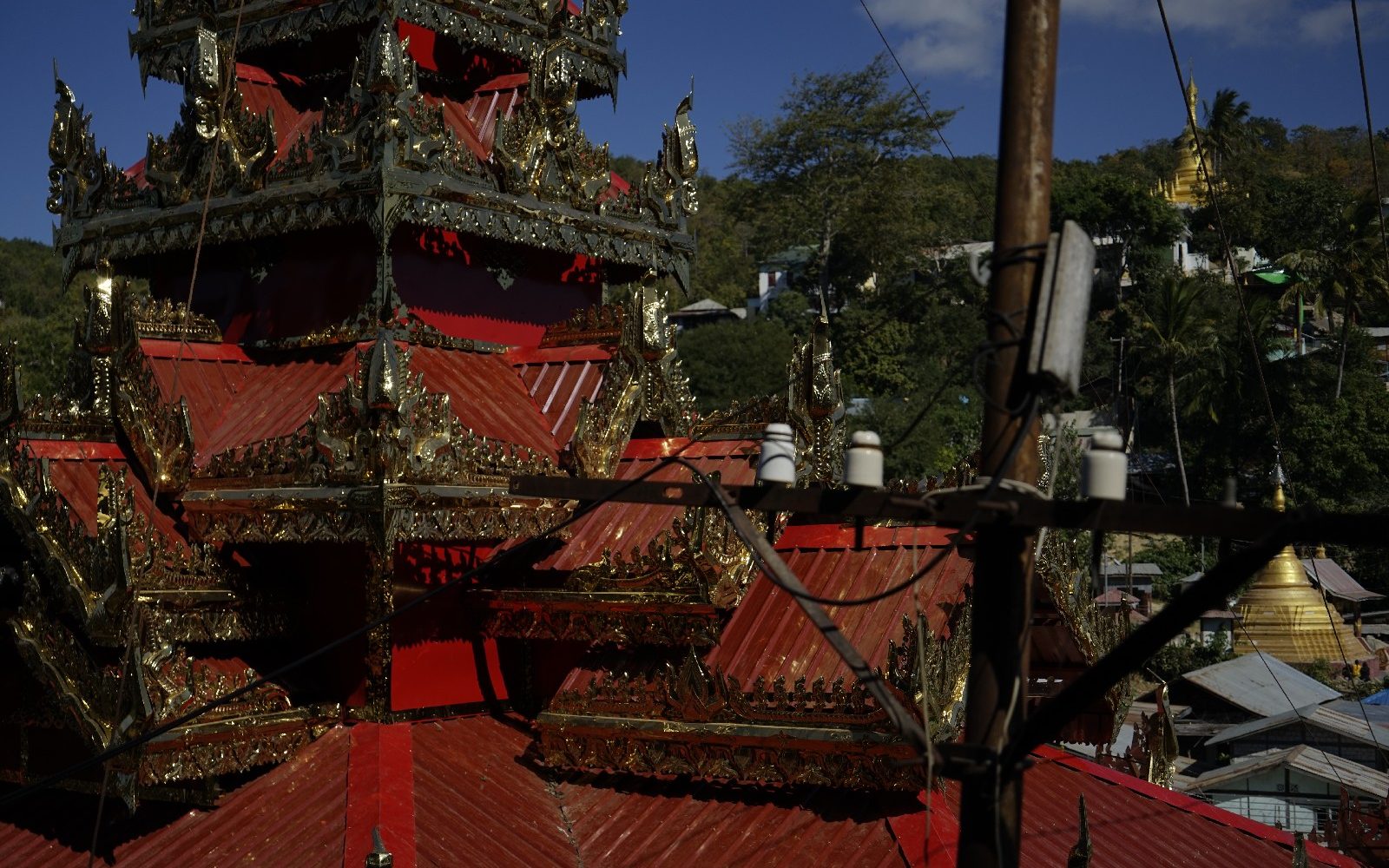
I arrived in Bagan -prepared for tourist crowds like in Angkor Wat, but it was surprisingly empty. The area is vast and accessible by e-bike, bicycles and horse carts. Locals try to make some business in front of the main temples, selling lacquer-ware, paintings and long pants for tourists who wear indecent clothing for the temples. The whole experience is very pleasant, the e-bikes are a bit cheap and most of them run out of juice after 3 hours and leave you in the ditches of Bagan’s archaeological site.  The dirt roads best version is “dirt” – the nastier ones are sand roads, impossible to navigate with a bicycle and difficult for e-bikes. You can feel the horse cart drivers laughing at you.

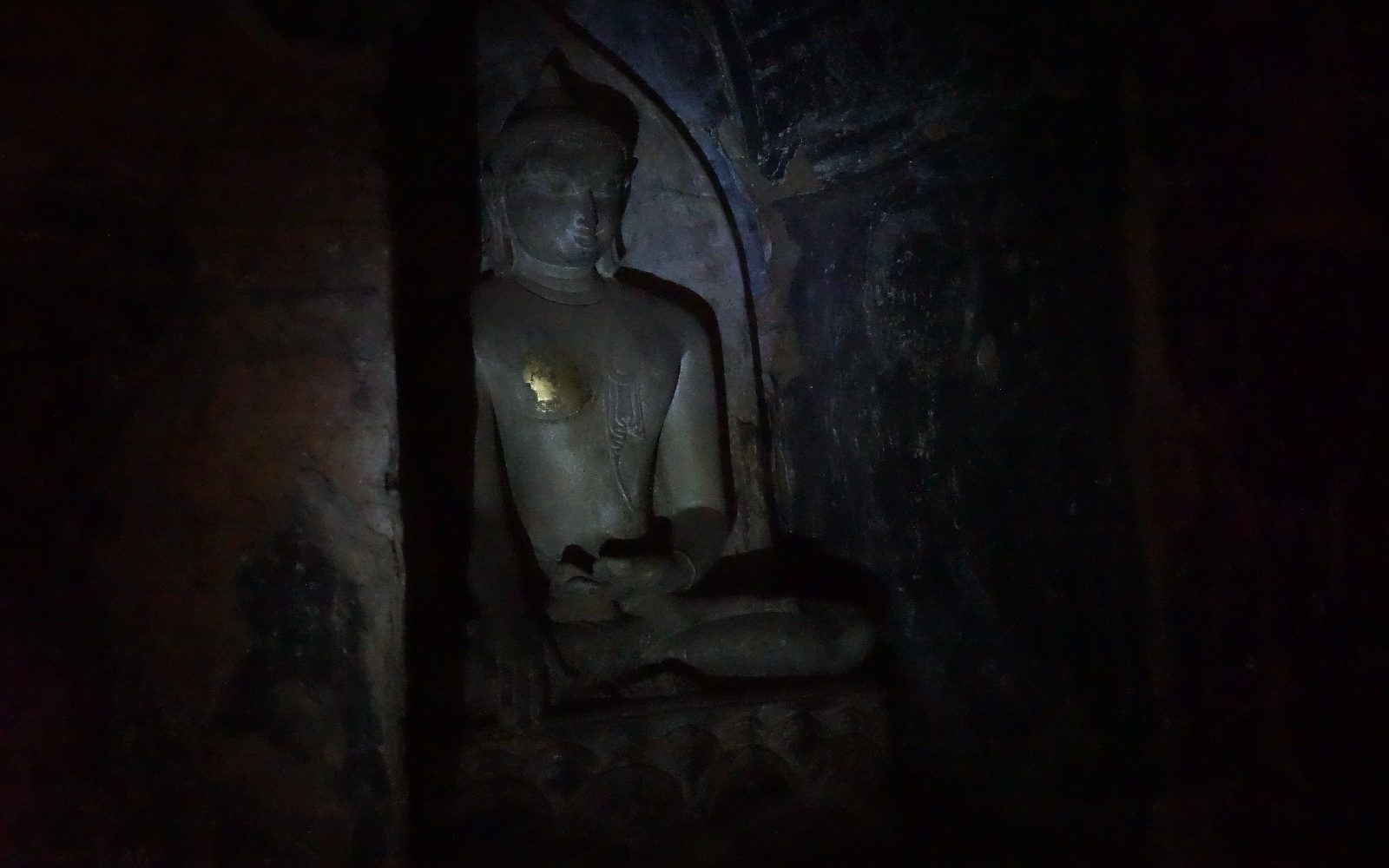
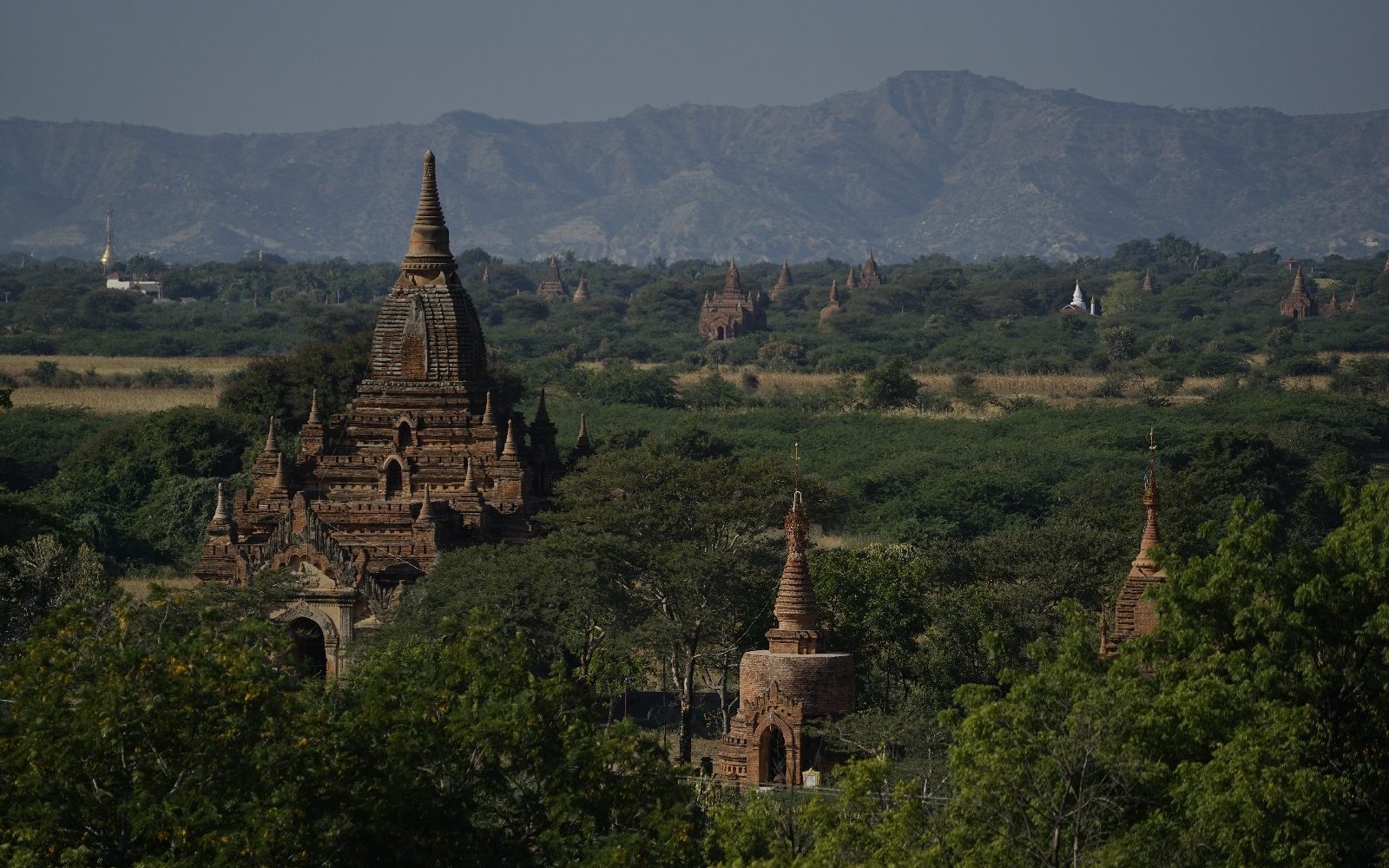
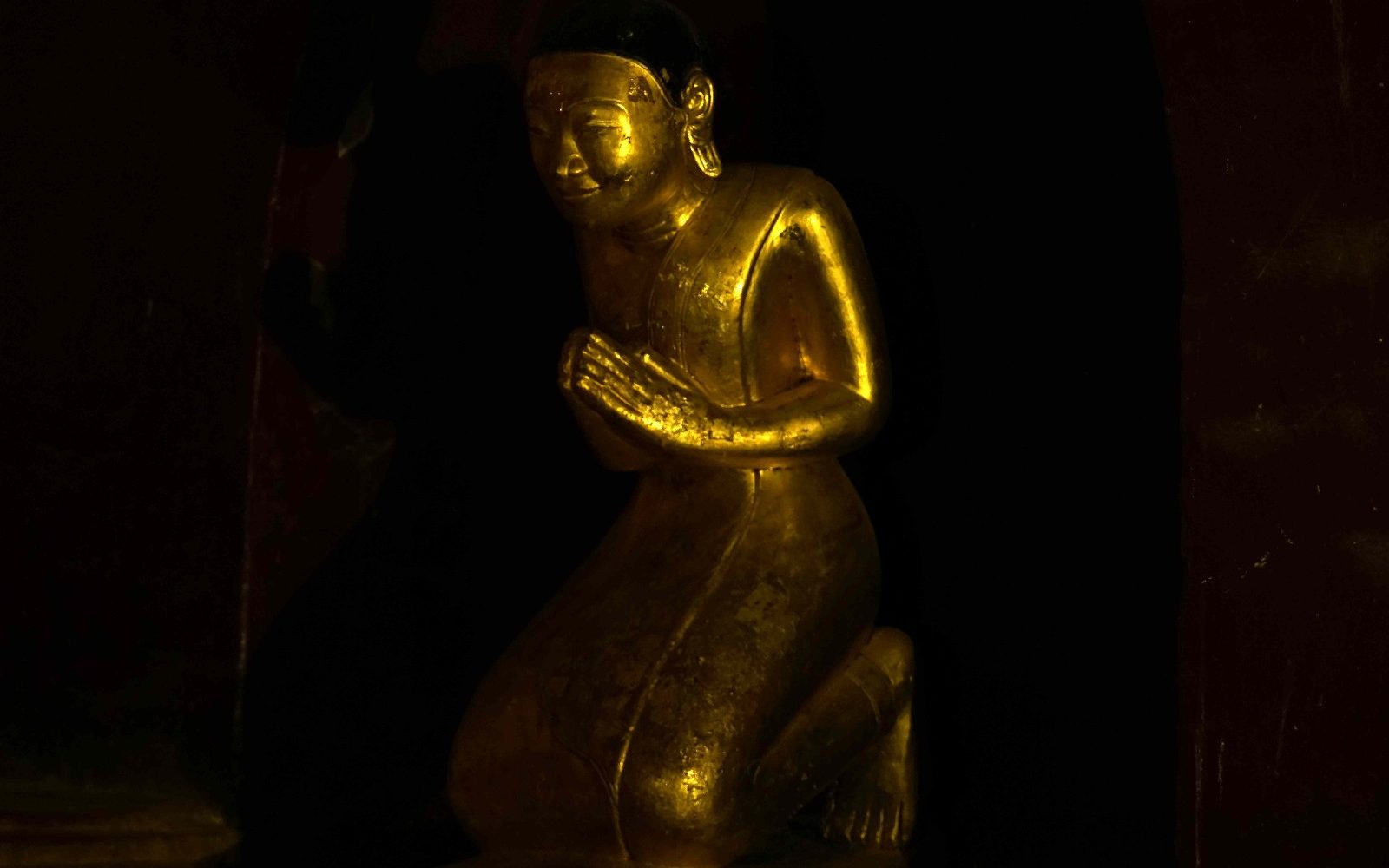
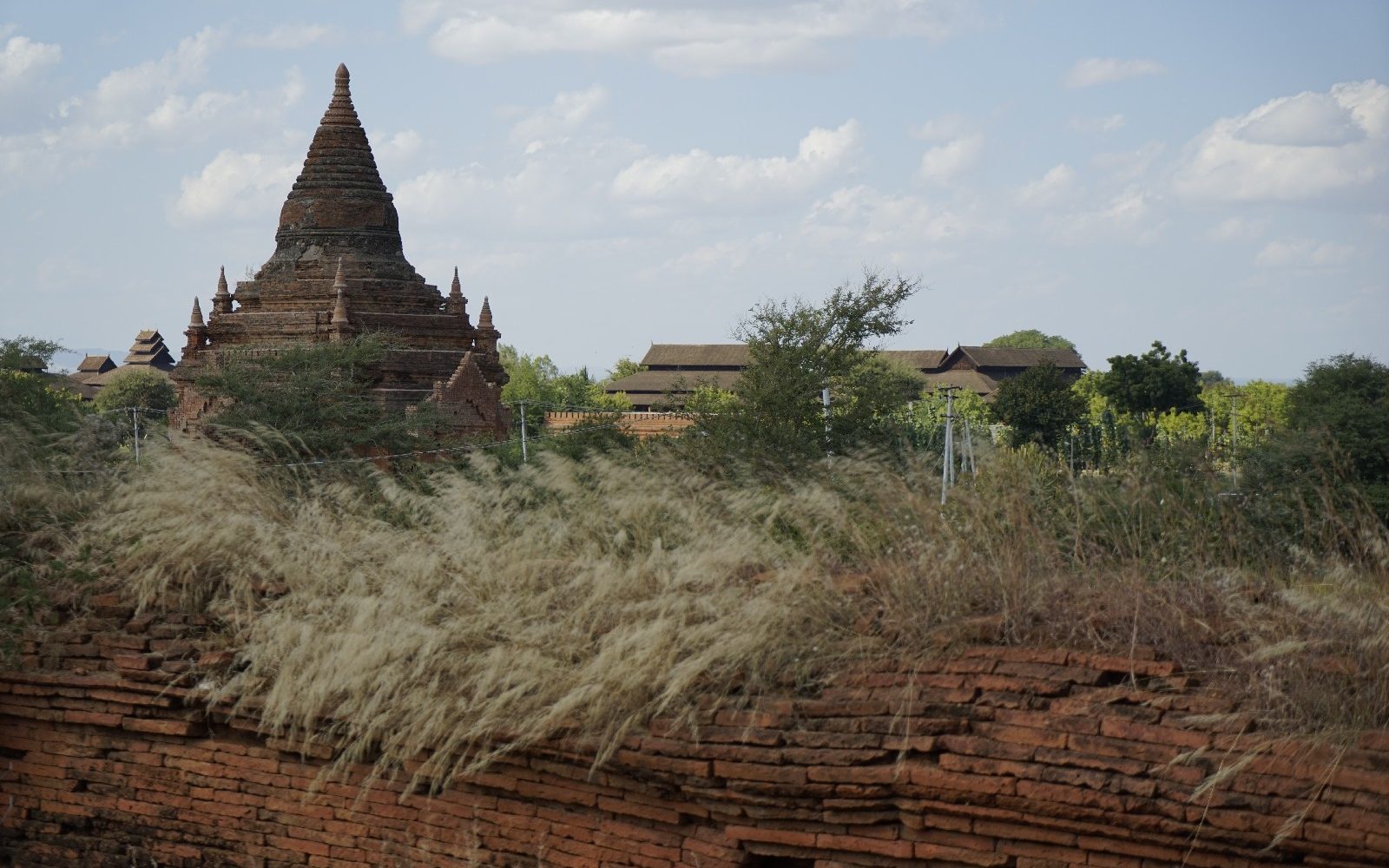
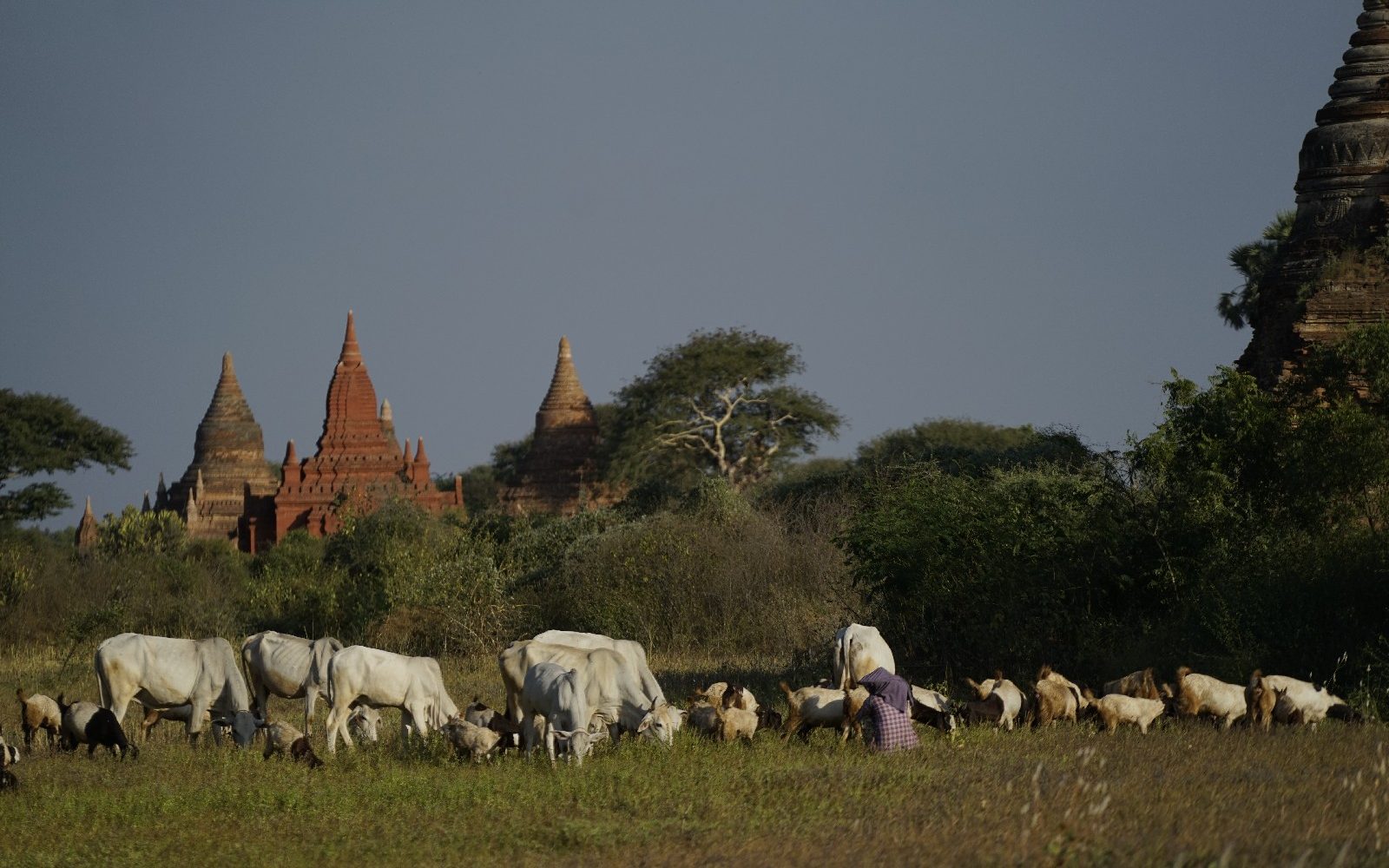
As soon as you climb up one of the taller structures, you will see pagodas, temples, sadis as far as you can see, all plopped into the landscape without a certain pattern. The structures have been built hundreds of years apart and most of them have gotten a makeover, from whoever thought they needed one. Most of the Buddhas inside are still intact, replicated or restored, some of them badly. I read that some Indian archaeologists used acid to “clean” the walls of the “old paint” –
leaving sad leftovers from the past.

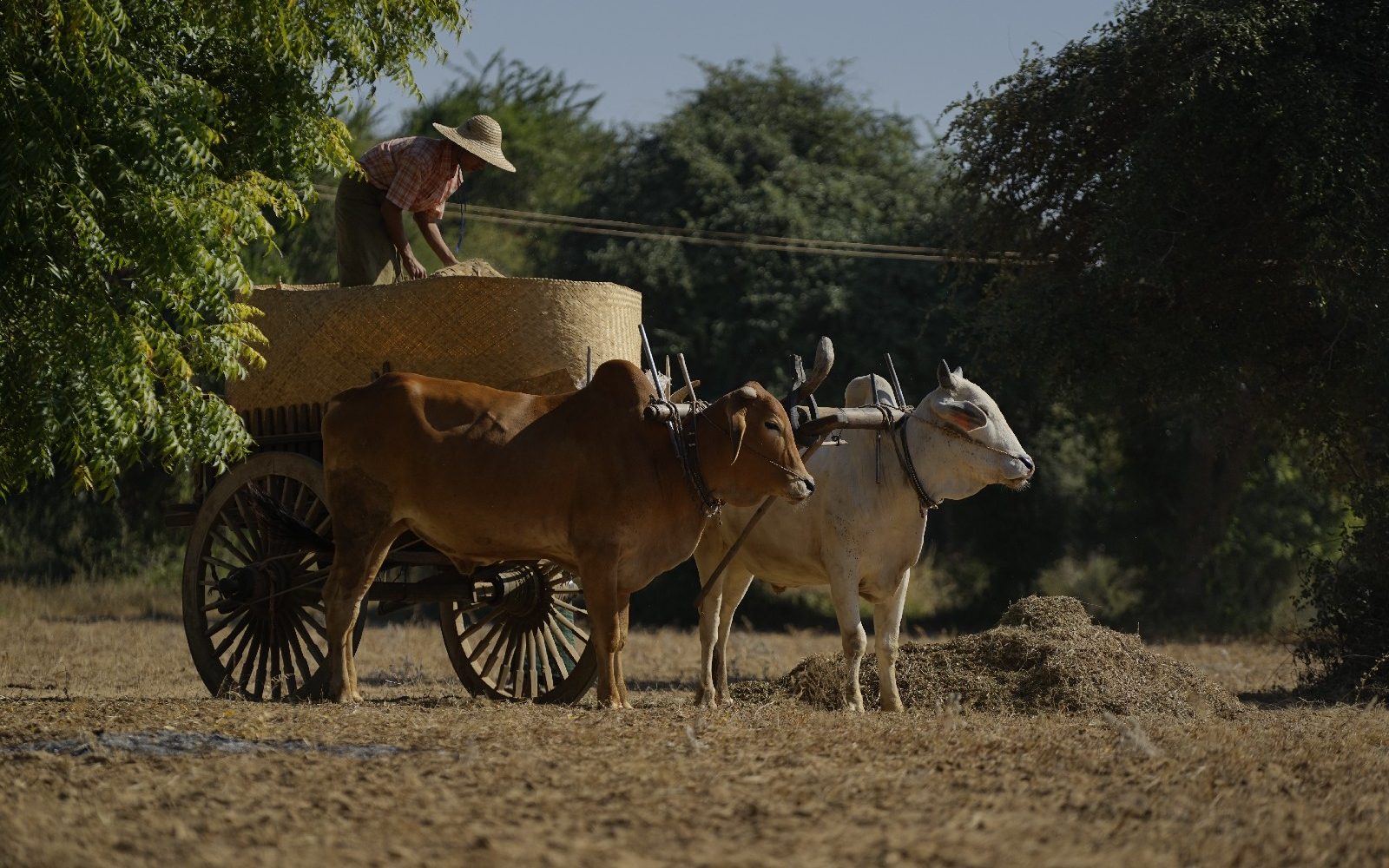
In-between the temples are small farms, where people live in the simplest huts made from palm leaves. They have access to wells but have to carry the water quite far, or buy it from water dealers who deliver by ox cart. The farmers grow peanuts and palm sap for toddy and palm sugar. There are some goats and cows and the whole area seems to have looked like this
thousands of years ago.

Off the main roads it is quiet, peaceful and pure enjoyable.

In Bagan it gets really cold in the night, about 5 to 10 degrees Celsius. Locals wear woolen hats and gloves. This is the main spot for watching and photographing the sunset is “Sunset Pagoda”. Like a magnet, this huge white Pagoda, where you climb up very high to get the best spot, attracts ALL the tourists at 5pm. You hear a chorus of people saying “Wow” and then the clicks of probably 2,000 cameras going off continuously until the sun is gone behind the hills, the Irrawaddy and the Bagan Temples.

After witnessing something as marvelous as a sunset in a field of temples starts the run down. All the tourists, many of them very old, have to climb down the small stairs, each step hammered thousands of years ago, before the invention of DIN norms, with individual height and width – perfect for fit young monks, and not so pleasant for big fat tourists with shoe size 46.

Bagan’s population was forced to relocate in 1990. There are now two “Bagans”, one called “old” and one called “new”. The two parts are a 15 minute drive apart and have developed into substantial tourist towns; many first class resorts with prices of more than 300 dollars a night are booked.

The backpacker, with filthy hair and smelly clothes seemed to be a thing of the past, the youngsters come with more money in their pockets than the old ones – and they impress the local youth. Burmese youngsters imitate western attitudes and speech. Military police in full combat gear, with weapons and shields are positioned on every major intersection. Most of them are playing on their cellphones like the rest of their gadget mad countrymen.

I saw them in action, all going into a village. The road was blocked immediately for everyone to pass, for sure you will not read in the papers about it. This is all happening while tourists worry about if they have enough sun protection on their face. Local people speak just the smallest fragments of English.

Myitkyina, once a battleground for the colonialists and now won over by the missionaries: American Baptist and Catholics churches have a strong following of Kachin Nationals and other ethnic minorities. Wikipedia says that Myitkyina is the heroin capital of Asia. Heroin is locally known as “Number 4”. I could not find out what numbers 1,2 or 3 are though. The hotel I am
staying in is one of the best in the area; still, Wi- Fi and hot water come by the drop and Jesus greets me in the entrance hall. Tourists are a rare sight.

Christmas here got me a bit paranoid, people really geared up for it and I missed the Catholic Church invitation from my noodle soup food stall for the midnight prayer service. The main reason for tourists to come to Myitkyina is the confluence of the two rivers who then form the famous Irrawaddy. Directly located at the Irrawaddy, people arrive with their produce at the shore and dissolve into the never-ending stream of people and voices and colors.

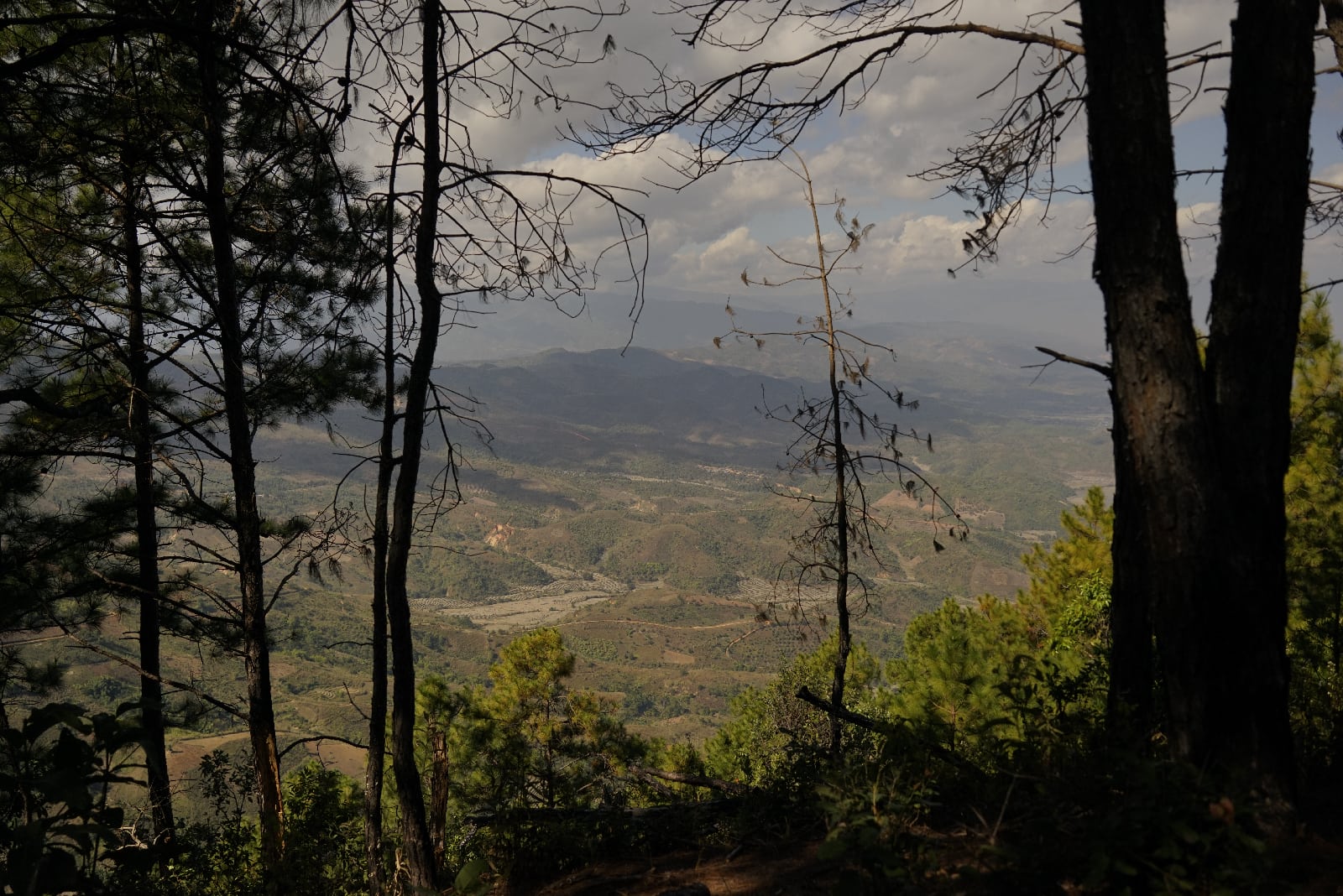
The north of Burma is heavily deforested now, it must have been dense jungle before that. The famous Ledo Road or Stilwell Road just sliced through. Today some very sturdy iron bridges have been built. I assume this is not to benefit just the locals, but to assure transport of wood and military into and through the area which is still a source for conflict. I just
read there were clashes in the northeastern part of India, bordering Burma.

People complain about their government saying they are selling out Burma and its resources in oil, wood, precious stones, gold and culture to China. I drove past the Chinese build dam that generates energy from the Irrawaddy. That dam sits right on the top of major tectonic plates and it knowingly dries up the landmark river of Burma, jeopardizing the lives of locals. It is said that all the energy generated by the dam will be exported to China.

China takes over Myanmar and people are very upset about it. The old WWII Stilwell Road gets rebuilt and will get ready for business with India and China. No one is happy here that the road gets back to life again. The way this is portrayed in international news is a lot different from what is happening here.

Mandalay, one-night stopover in this beautiful sounding city. Hoping it would be a little bit like
what I thought it was.

Inle Lake: Simple wooden barracks with shops lining the dusty road, filled with traffic of all imaginable kinds and tourists. Literally hundreds of boats leave the jetty every morning to transport foreigners, all bundled up and with straw hats on – into the beauty of Inle Lake. The reality of it: unbearable noise of hundreds of boats on the lake, the posing for a dollar Inle fisherman who paddles his boat standing, with legs and arms free dangling.

Very authentic was a quiet moment at night where I could visit the installation of the first traffic
light ever in Nyaungshwe – the main hub for everyone around the Inle Lake. It was all dark, just a couple of men and police officers playing with a freshly installed fuse box at the “main intersection”. The red traffic light was illuminating the whole village for at least 50 seconds, before turning successfully to yellow and green. For sure, the next day no one even noticed that the future had arrived.

People and their vehicles crossing the main intersection from all sides at the same time, like they did before – and the local police man sitting right at the crossroads enjoying his dark coffee with sweetened milk together with the locals and the world’s most lovely fried cookies. They were proud to have a traffic light.

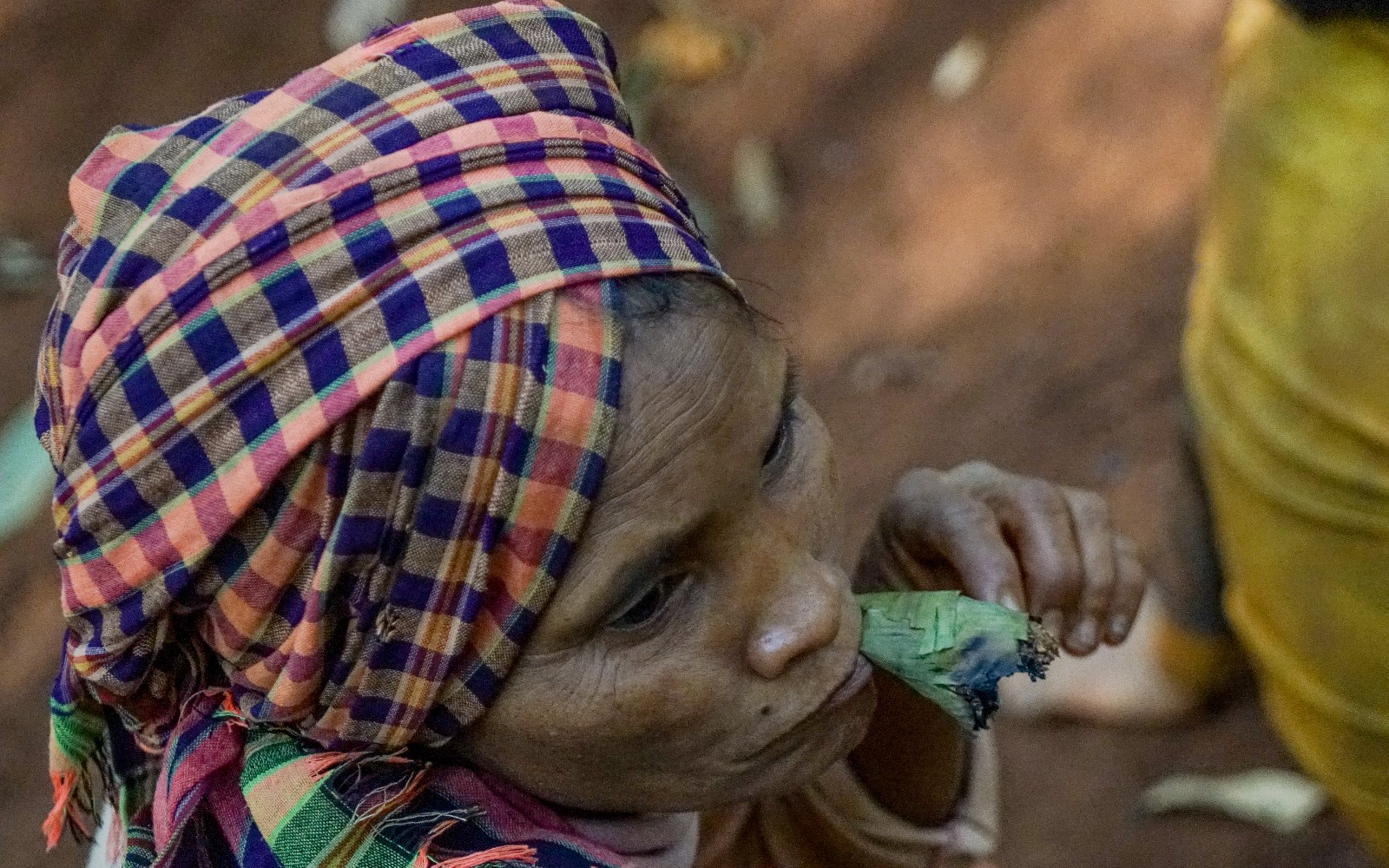
A simple local market in Heho, a couple of kilometers from Nyaungshwe. It was main market day, the whole place was flooded with people and local goods, noise and fun and colors and tastes and smells. Ethnic minorities, wrapped in the most beautiful costumes, people beaming with joy and energy. I got presents, offers to sit down or smoke local cigarettes with the ladies and drink darkest teas with the traders. Local people buy and sell gold and precious stone, there are bundles of money laying openly on counters – the concept of stealing is not known here. Women loaded with produce on their backs breast feed their babies, while chewing betel nuts and looking so cool. The men sitting at the market stall restaurants, or they also go shopping together. Men buying clothes together, considering together which is the nicest belt to wear, enjoying time together while their women run the real businesses.

Kyaing Tong (or Kengtung) is a strange little town. The Golden Triangle is well known for its opium business, it feels more like a gold digger, border town, and lawless business area with things happening you will never read in the international news. This the hub for tourists to prove their nerves and stamina with foreignness. Mine weren’t so good.

The first hotel I wanted to check in was a brothel, located right at the foot of the main market. The next hotel I checked had bad karma, because the government built it on top of a torn down palace of the former king. The hotel staff were the only ones staying there, it was spooky. Finally hotel number three was livable, the room was mold free and the chickens enjoyed sitting on my gated windows. It also had a nice breakfast room with neon light, bright green curtains and long tables for a communal breakfast in the basement of the house. No tourist under 50 – probably all either retired teachers or insurance brokers. Entering the communal tourist breakfast areas in Myanmar – in general – do not expect anyone to look up or to greet you. Besides my trip to Bhutan, this is another destination where you should not go to meet people. The average Myanmar tourist wants to be alone and nasty.

The reason for coming to Kyaing Tong are the tribes, the ethnic minorities who live in mountain areas. You can visit them with a local guide – good luck by finding a good one. Mine couldn’t tell a deadly poisonous cobra from a blind worm and sounded like a robot with implemented  software from the Myanmar Tourist Board.

On one of the excursions into the wilderness I took a photograph of a very pretty cobra which was just coming out of the bushes two meters away from my ankles. I walked past it, getting my camera settings ready and peacefully and impressed by her beauty took two pictures. In the second shot you can see how her body proportion is already changing – she was building the “hood” – the cobras USP.

Besides that I met some very poor people from the Eng Tribe in Pin Tauk, people who live life as in the 12th century and I said Hello to some people from the Akha Tribe in Wan Pin.

There was a celebration for the rice spirits, a local version of a Harvest Festival going on. These ethnic minorities have nothing and would sell you whatever they have, selling out their personal jewelry, their costumes and instruments. It was another Myanmar Disney Experience.

Back in Mandalay I wanted to do the tourist thing: running up Mandalay Hill, visit the famous Mahamuni Pagoda. Luckily I met Mr. Fatty and Mr. Fatty saved my belief in humankind. Mr. Fatty is a motorcycle driver, a fat one. Most tourists use car taxis – but taking photographs it is much easier to hop on and off motorcycles. Mr. Fatty and I spend 3 days zooming around Mandalay, talking about politics, tourists, the Chinese and fellow Burmese people. He showed me his city, he walked with me everywhere and translated. It was so interesting to see Myanmar from his perspective. He had a shopping bag with Aung Suu Kyi’s face on it, his heart stopped every time we got pulled over by traffic police for license checks. He introduced me to some good restaurants and the community of motorbike taxi drivers of Mandalay. They all stick together, they are friends – and they all hope for a better Myanmar, after the elections.

2014 Myanmar

Yangon, Bagu, Bagan, Mandalay, Myitikyna, Wai Maw, Kyaing Tong, Inle Lake

A gold mine for foreign investments. Very trendy bars and restaurants combined with poorest living conditions for the locals. The Burmese government is selling the land and their people. Myanmar has a Chinese touch already.


2014 Cambodia

Siem Reap, Anlong Veng, Cambodia, Northern Thai Border Area

20 years later: Cambodia is still recovering from the tragic loss and harm during the Khmer Rouge regime. The northern territories slowly recovering and under threat again.


Pol Pots Cook

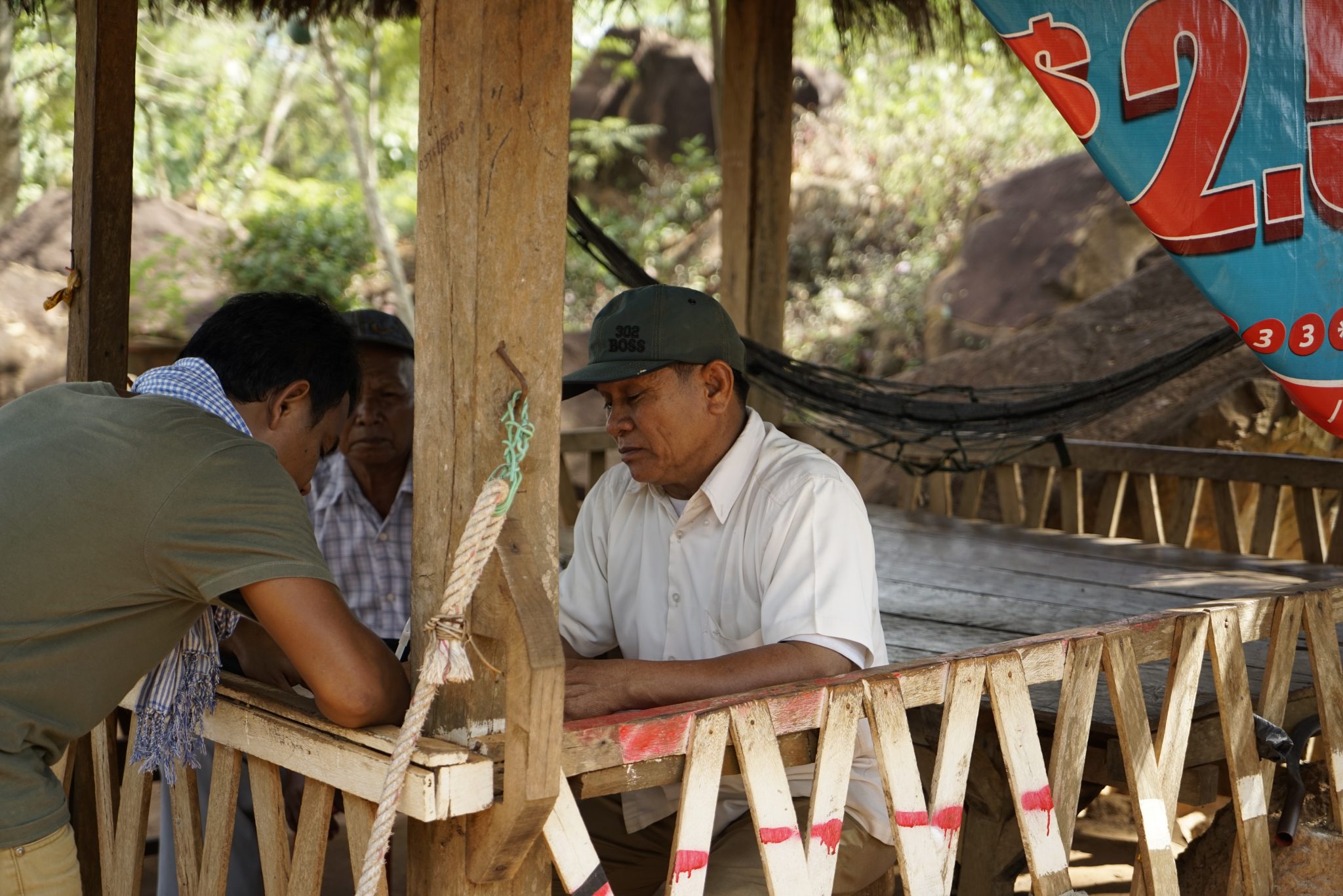
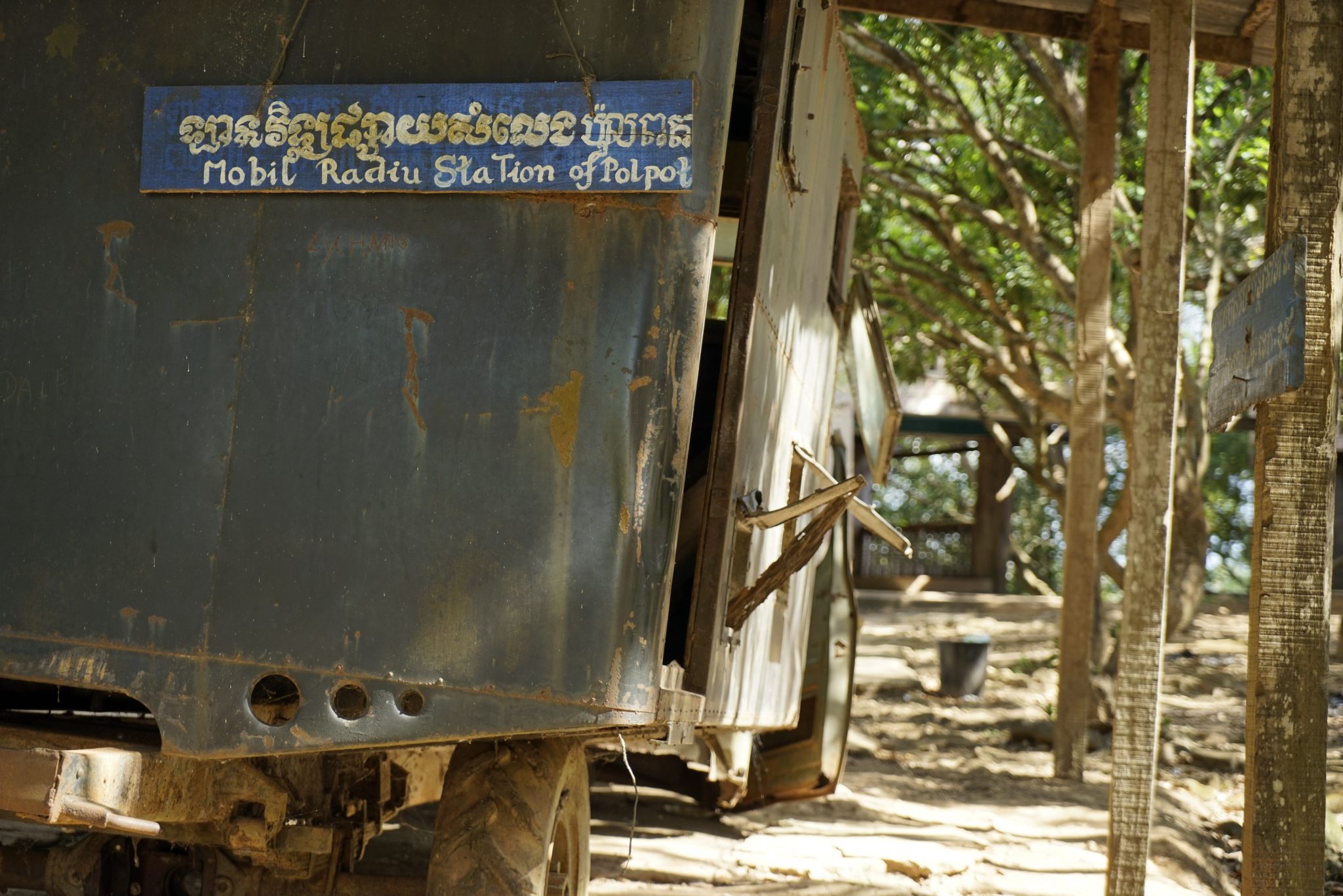
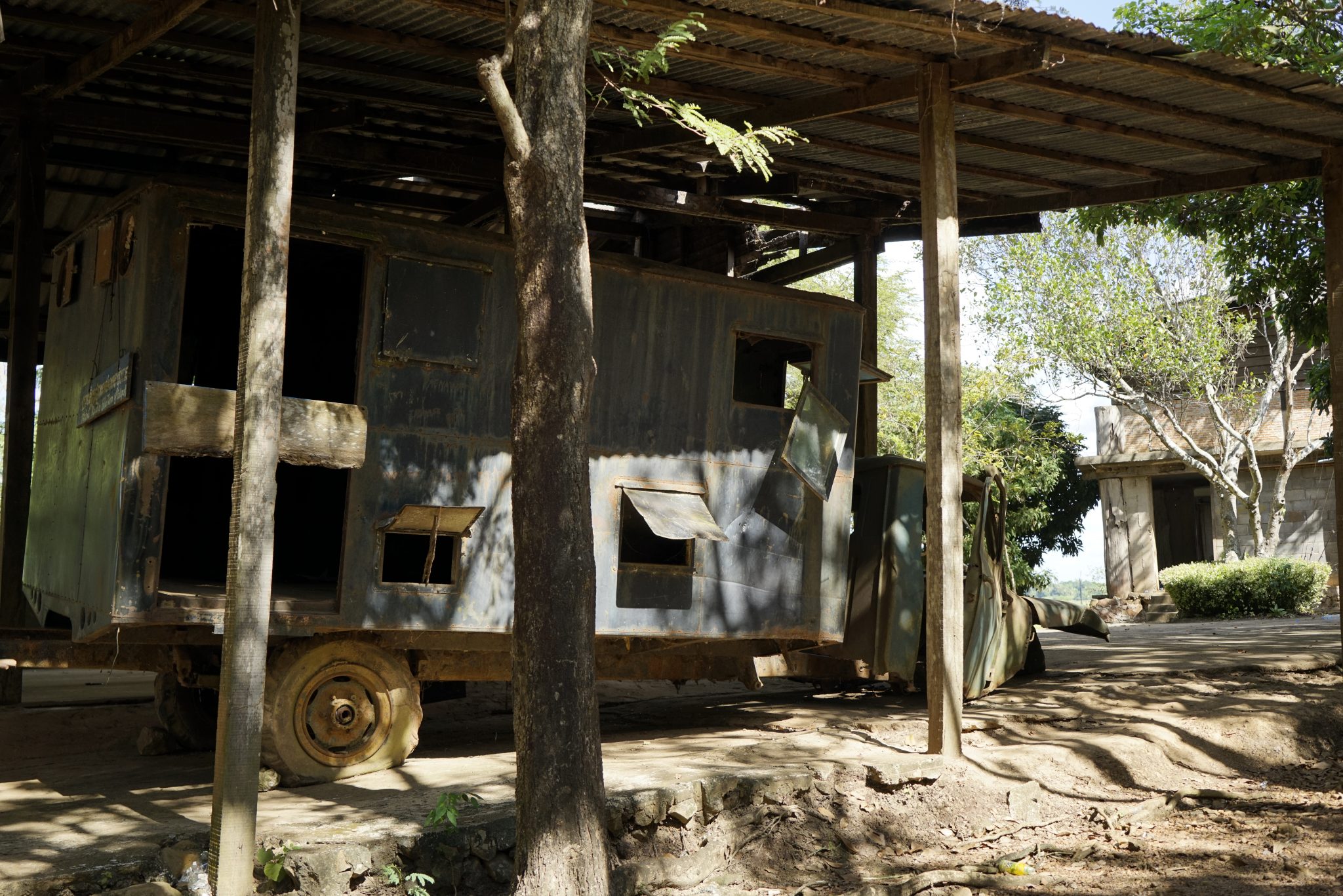
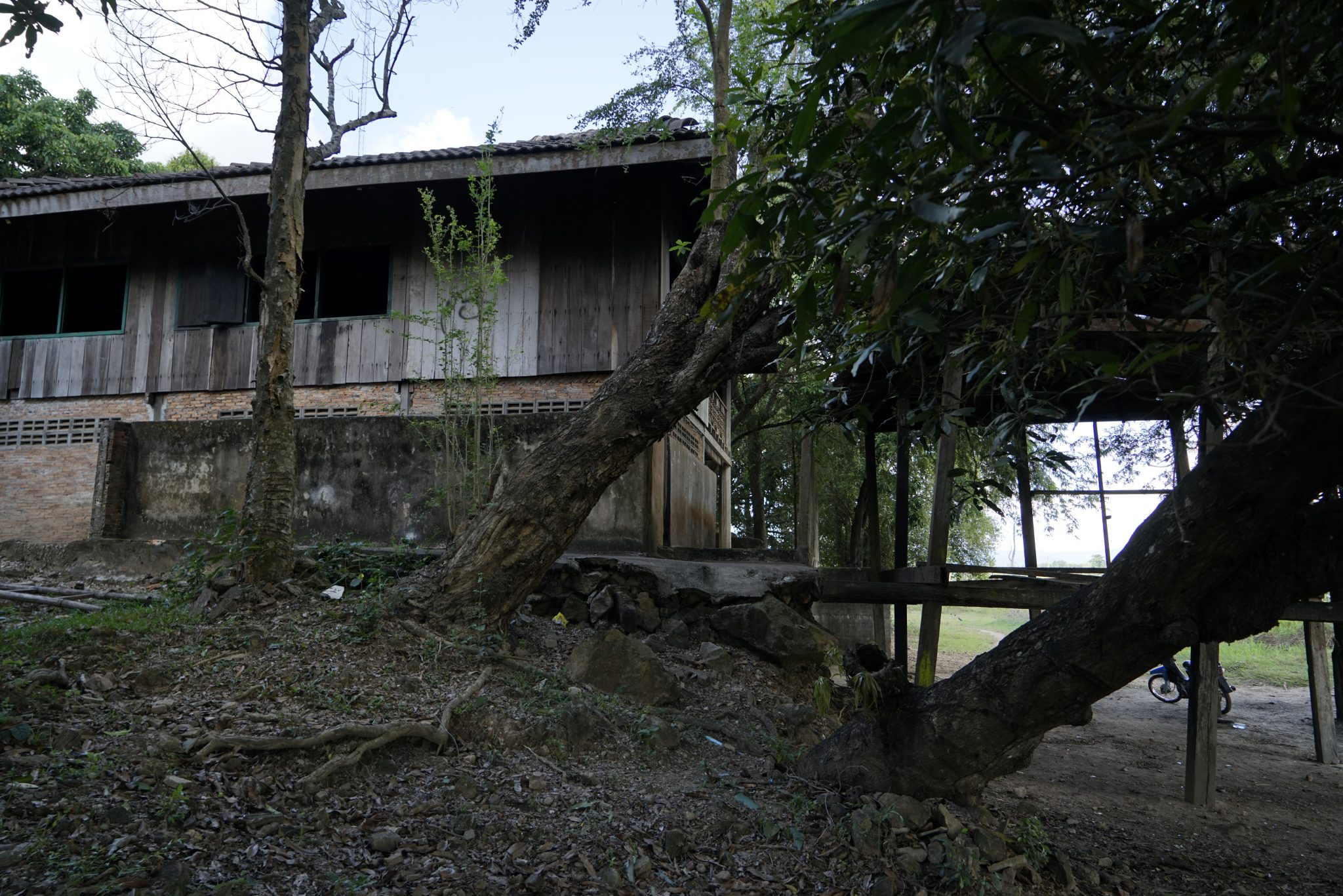
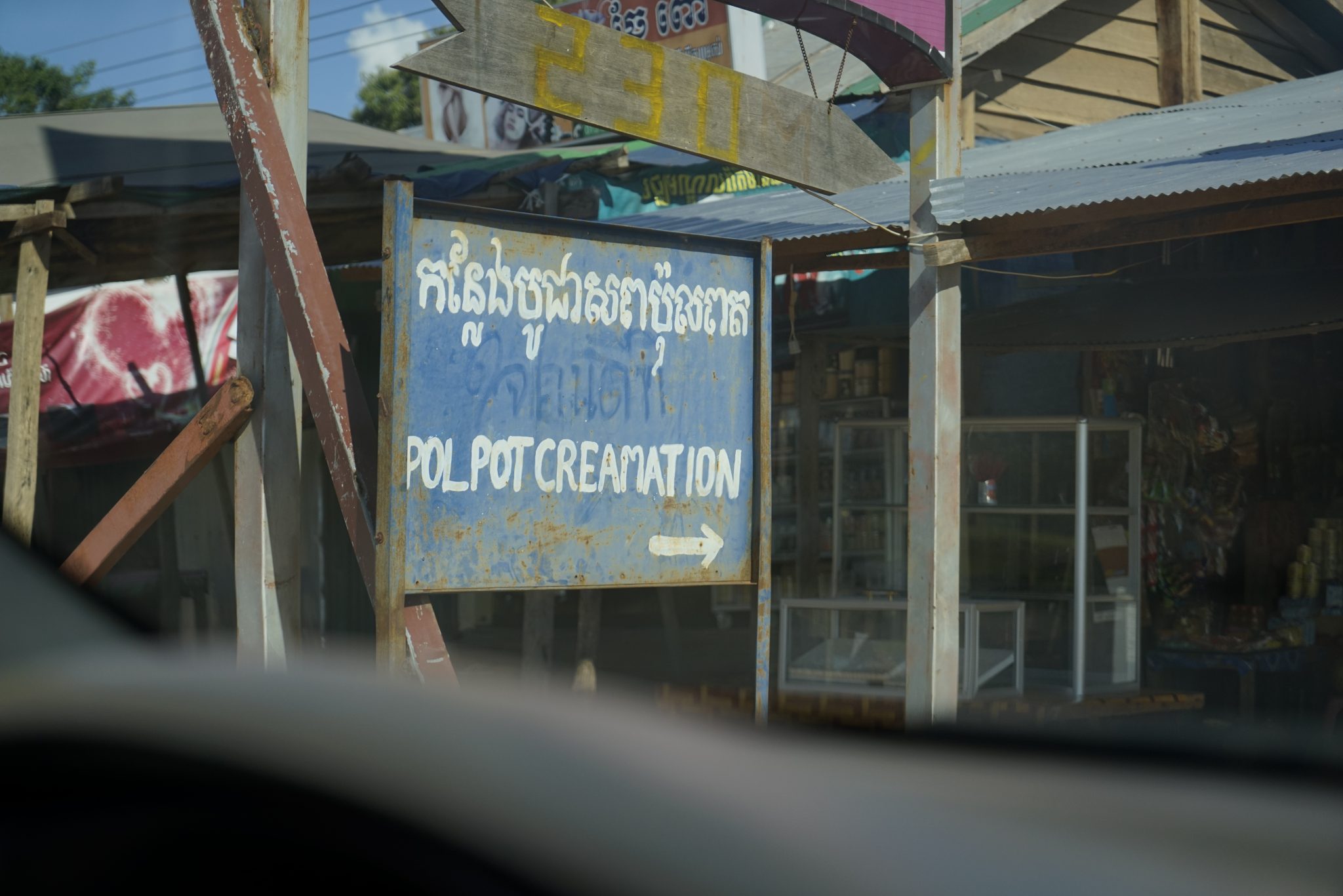
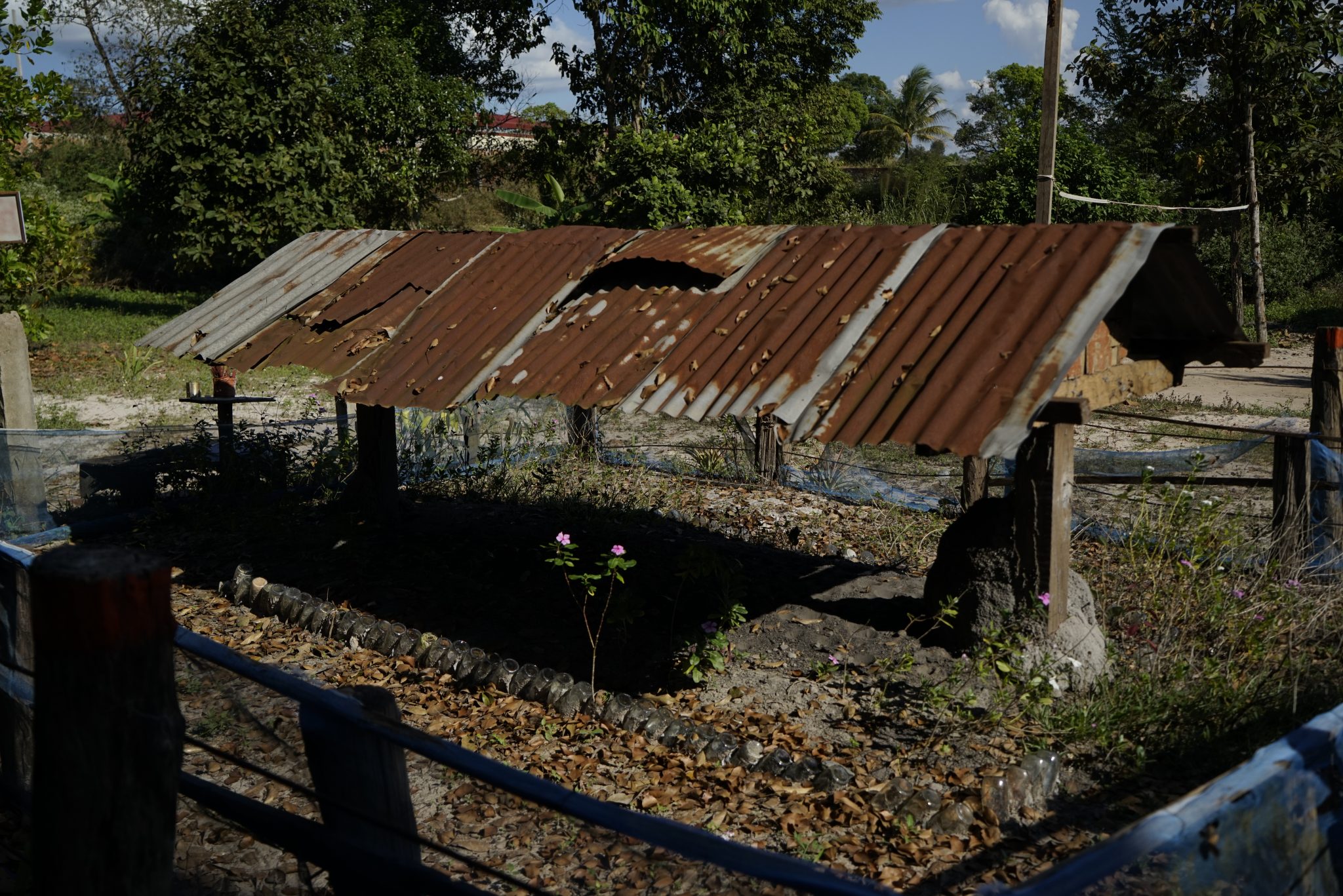
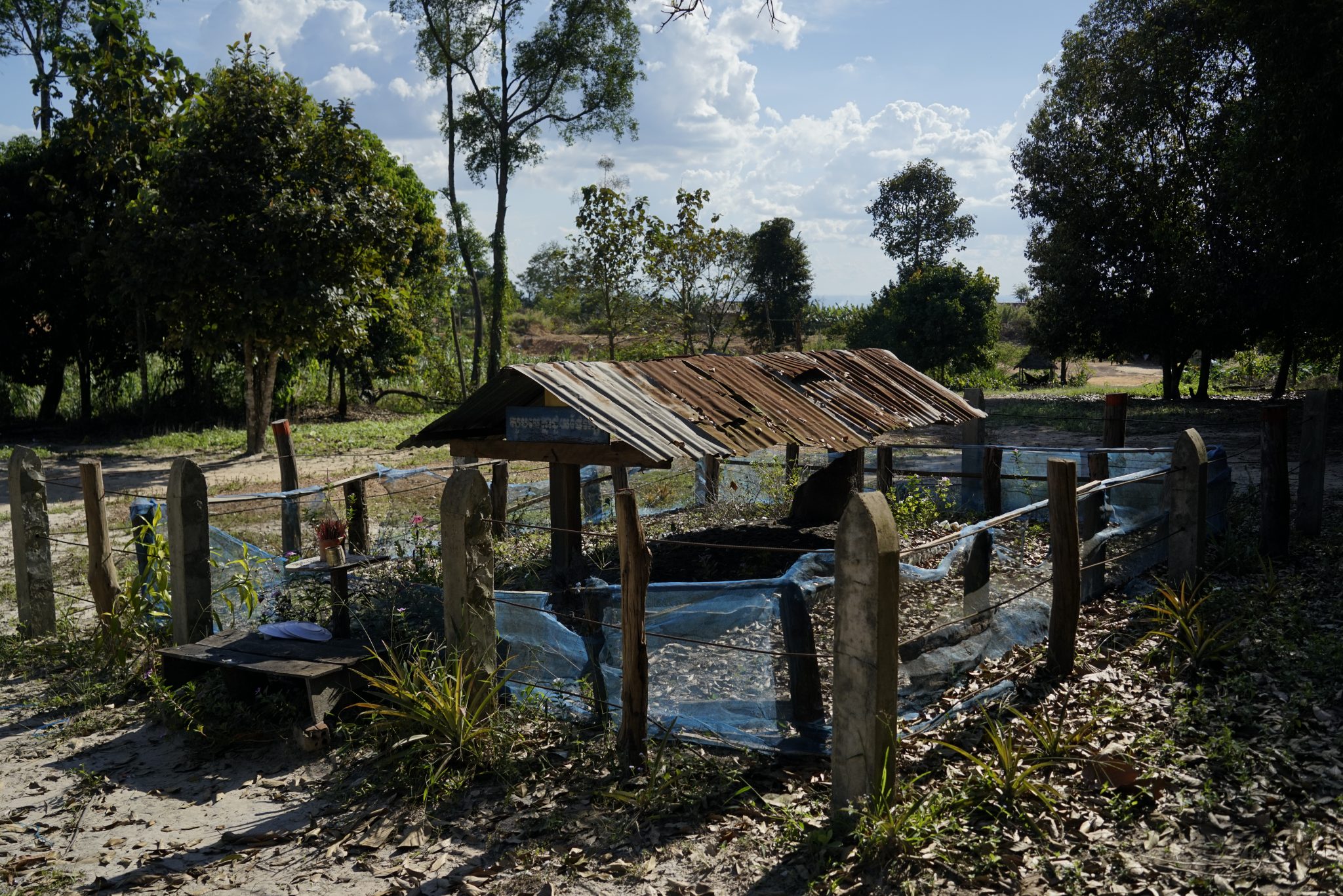
In 2014 I was doing research for a documentary about dictators’ cooks. I visited the cook of the former Khmer Rouge leader, Pol Pot, in the north of Cambodia.

ARTE Themenabend “Abtreibungsgesetzgebung in Europa”

Arte-1024x482Autorin & Regie

52 Min.Dokumentation
für TAG/TRAUM TV Produktion
Red. WDR Sabine Rollberg
Abtreibungsgesetz in Europa

Die Dokumentation zeigt die Lebenswirklichkeit der Frauen in Deutschland, Frankreich und Polen im Hinblick auf die unterschiedlichen Abtreibungs-Gesetze. Dabei wirft der Film einen Blick auf Europa: Die Forderung nach einer einheitlichen Regelung für alle europäischen Länder wird immer lauter.

2014 ARTE/WDR ‘Evening Topic’ “Abortion rights in Europe”

Author & Director 52 min. documentary

This documentary examines how a difficult is dealt with under the laws in Germany, France and Poland. As the documentary shows, in all three countries the law creates conflicts of all kinds and the goal, promoting women’s human rights while regulating abortions, seems impossible.

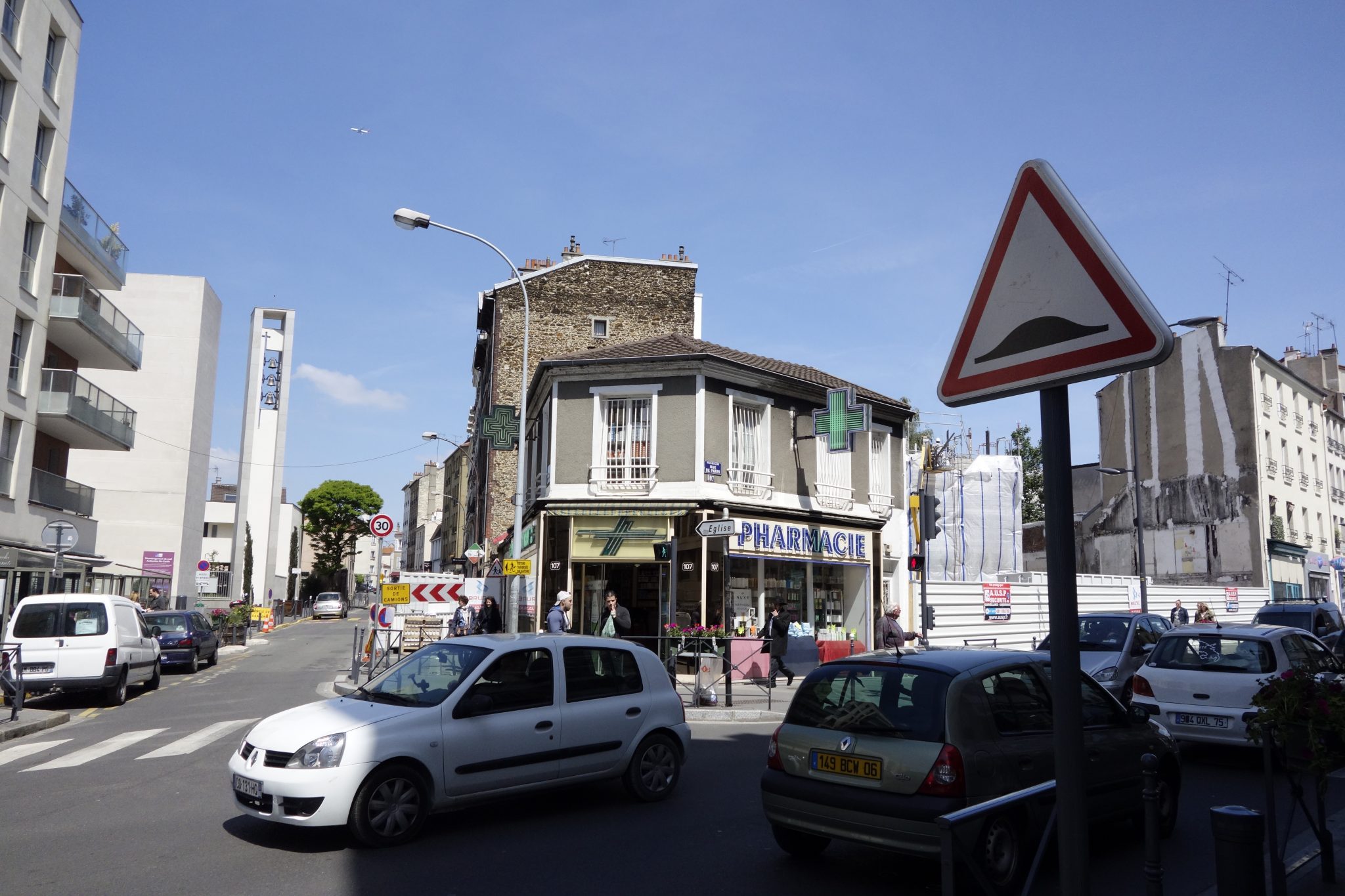
2014 France

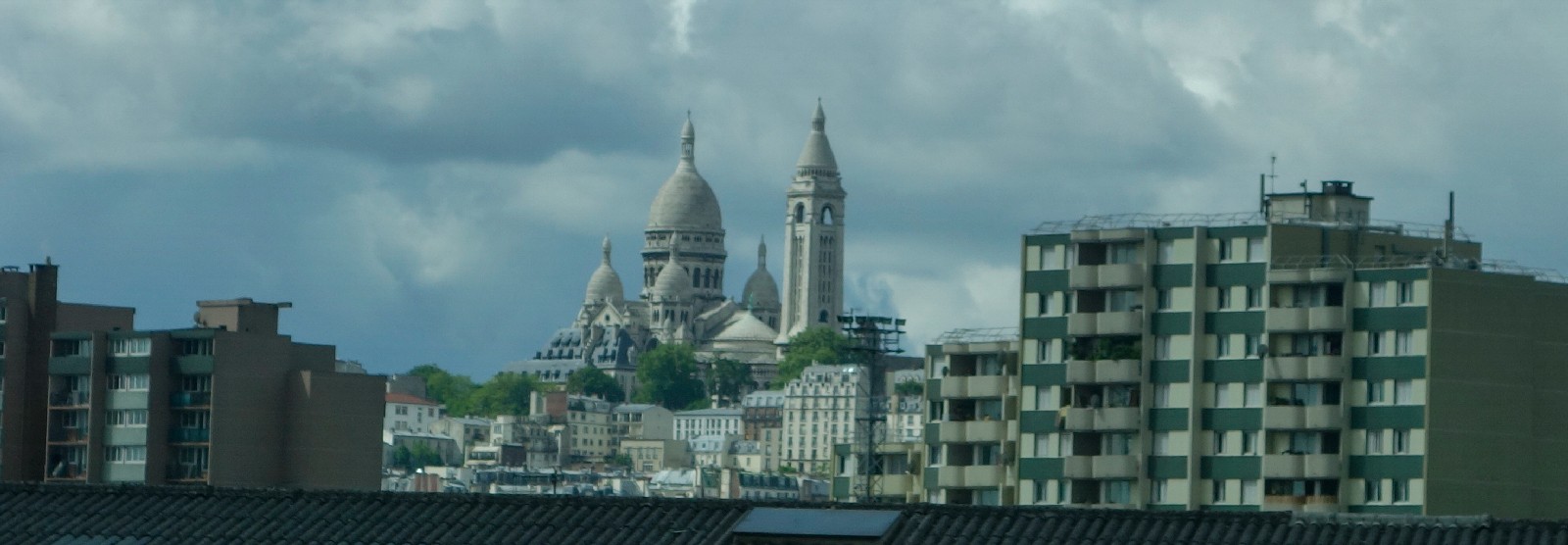
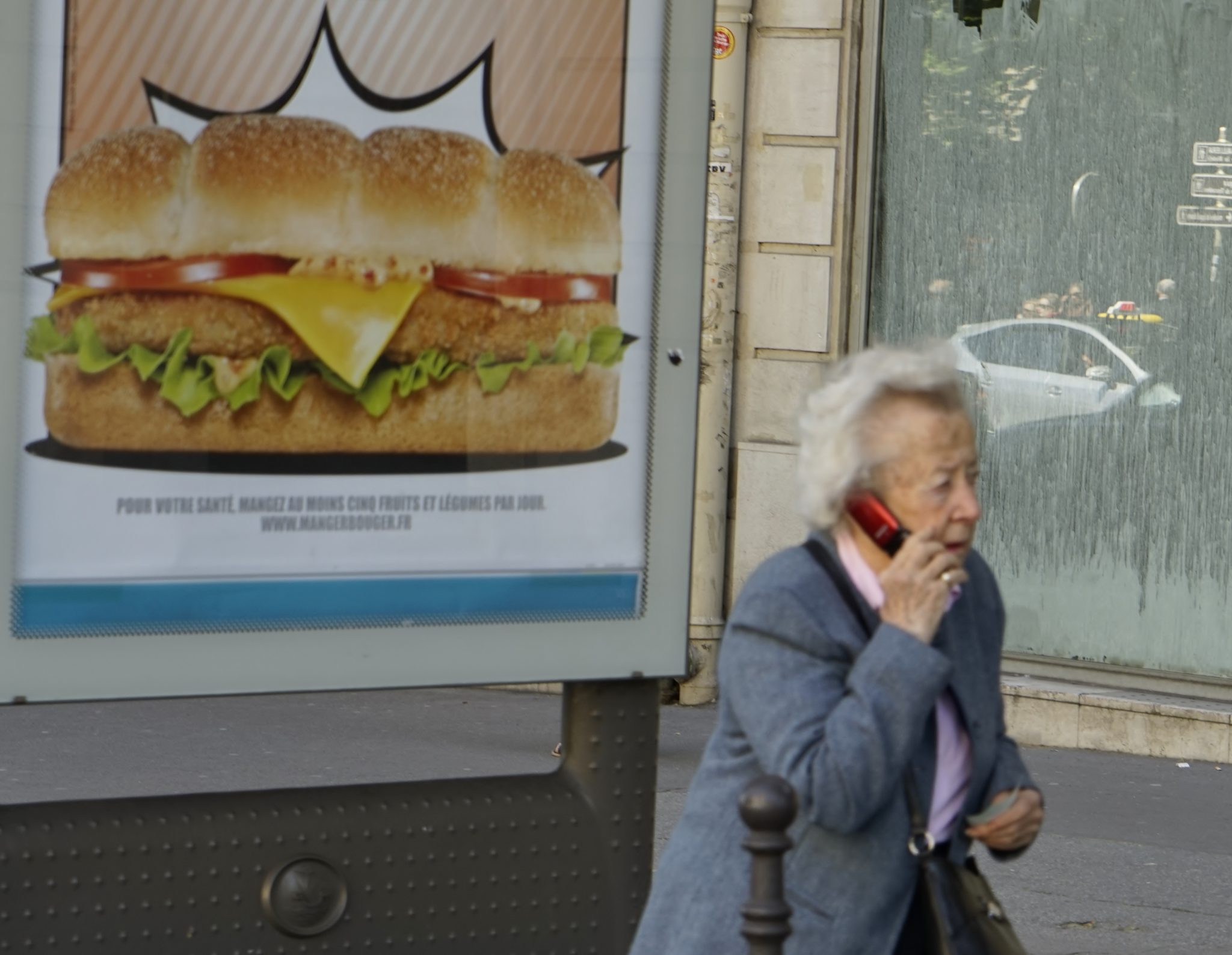
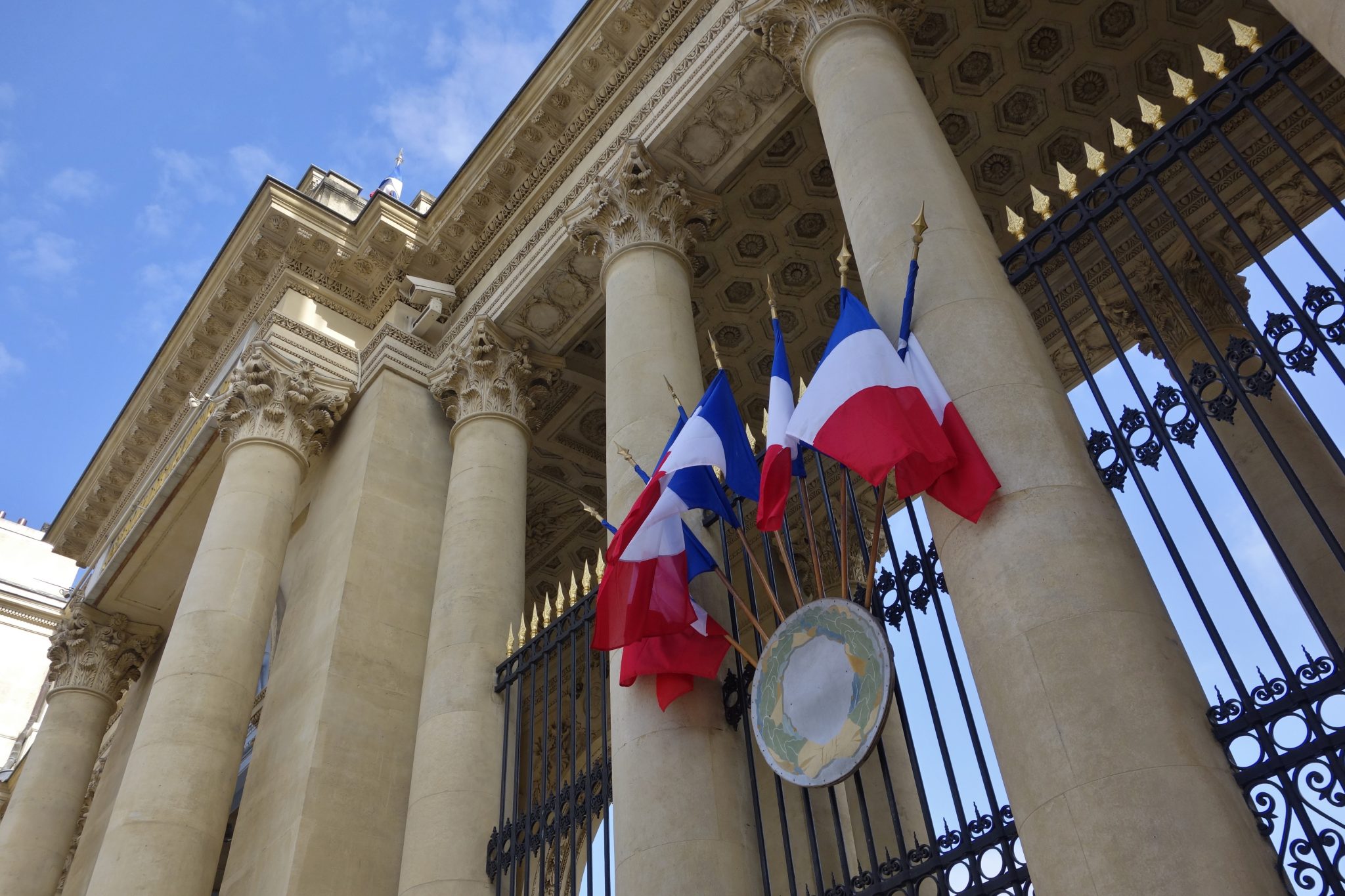
Paris, Seine-Saint-Denis

Womens Rights – filming for ARTE in Paris.


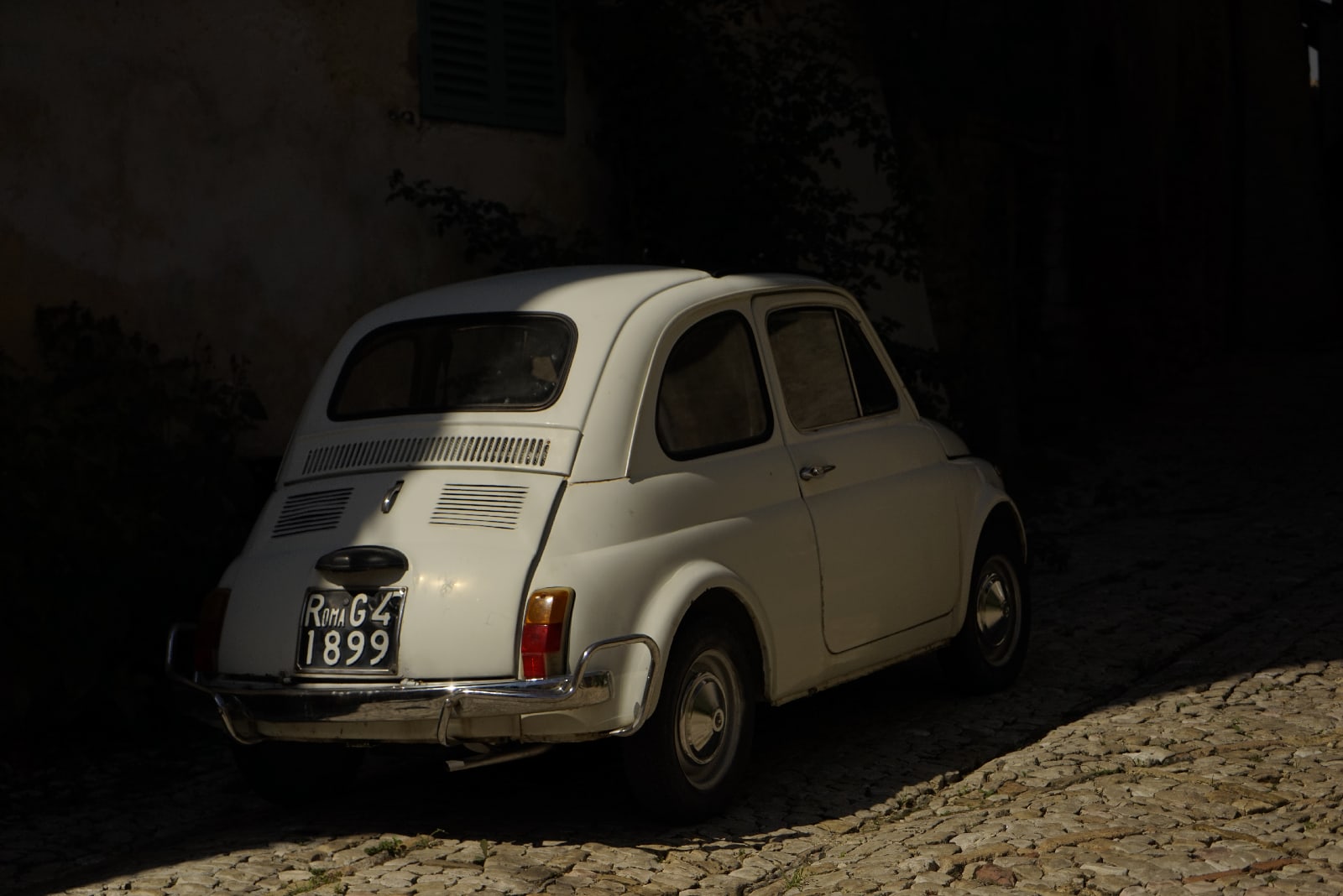
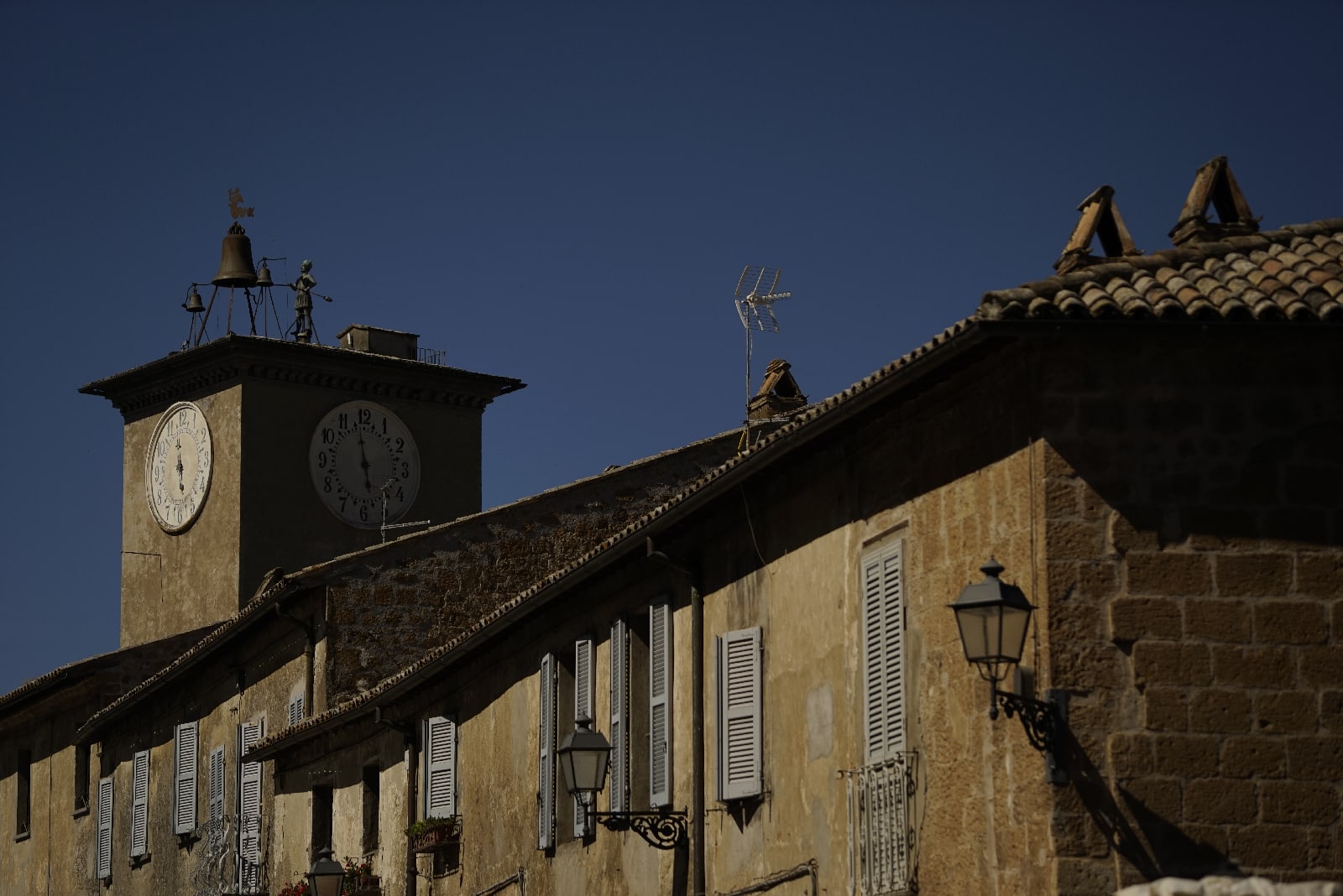
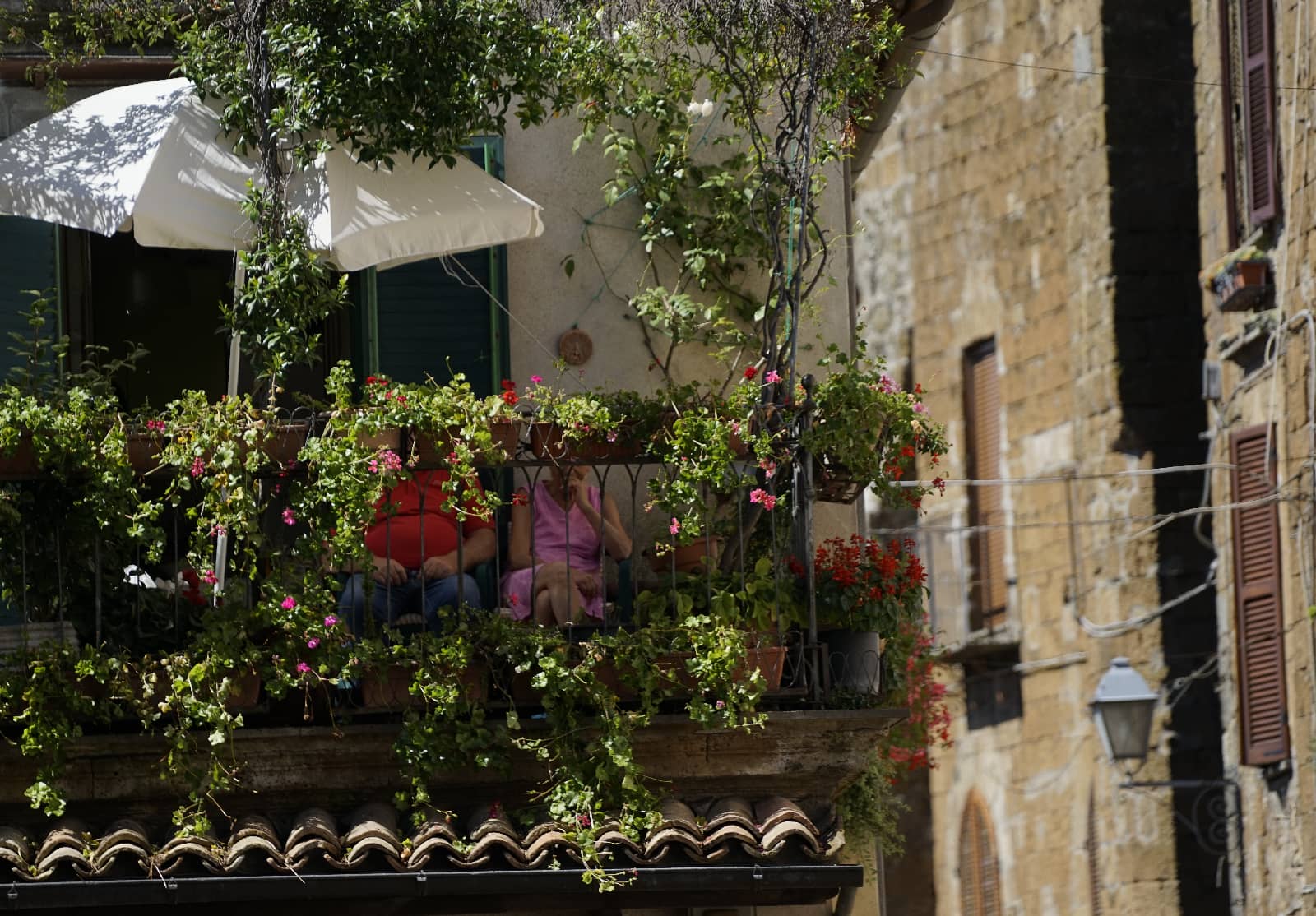
2014 Italy

Umbria

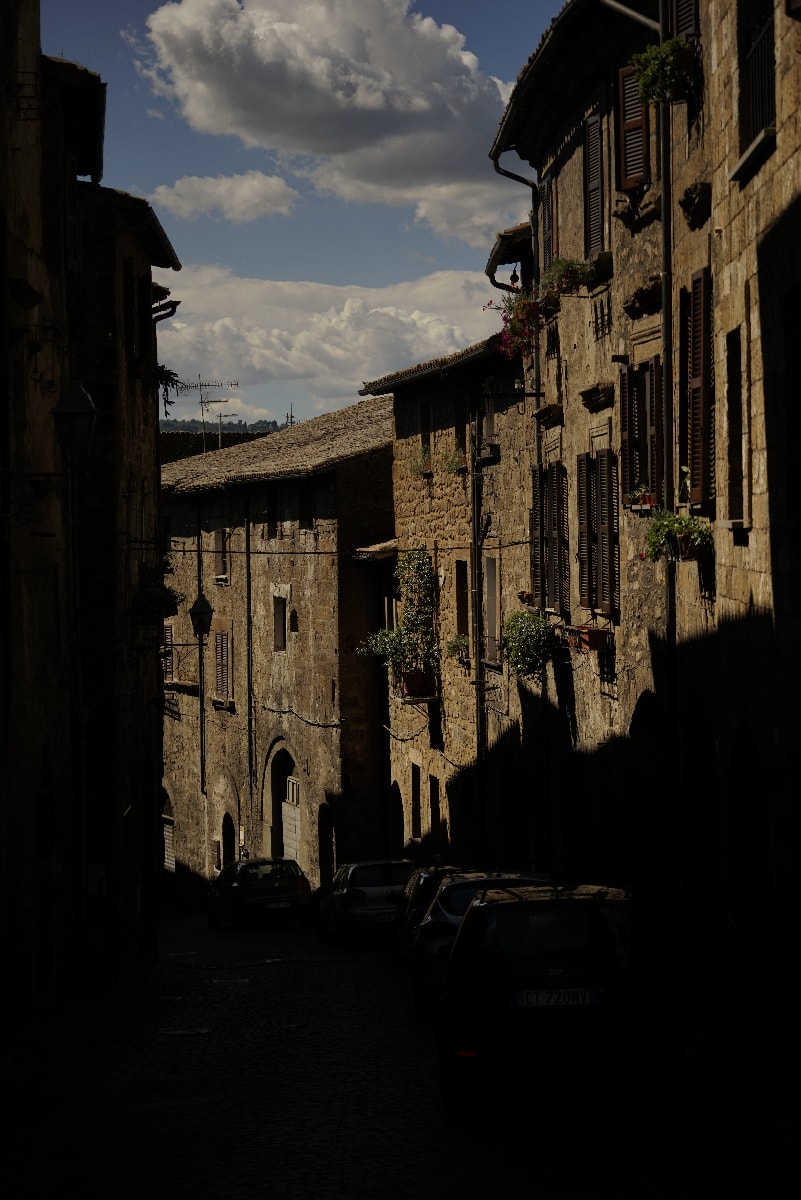
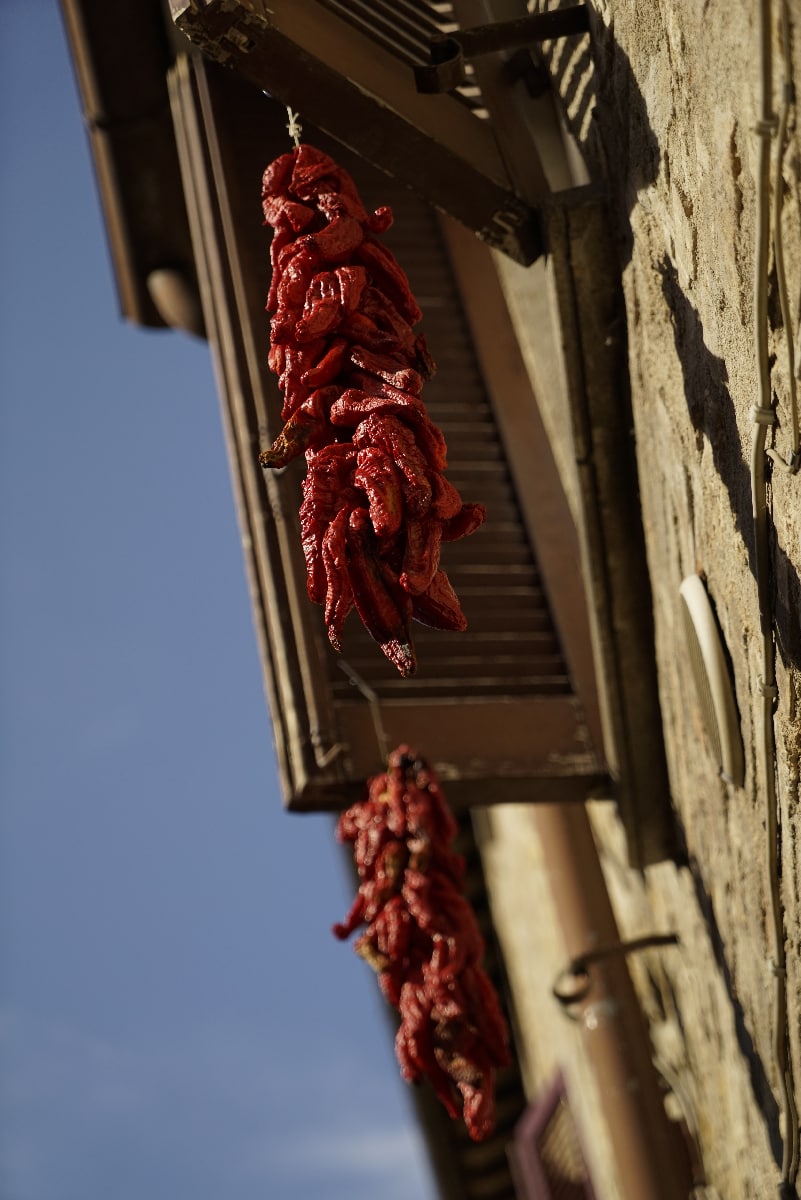
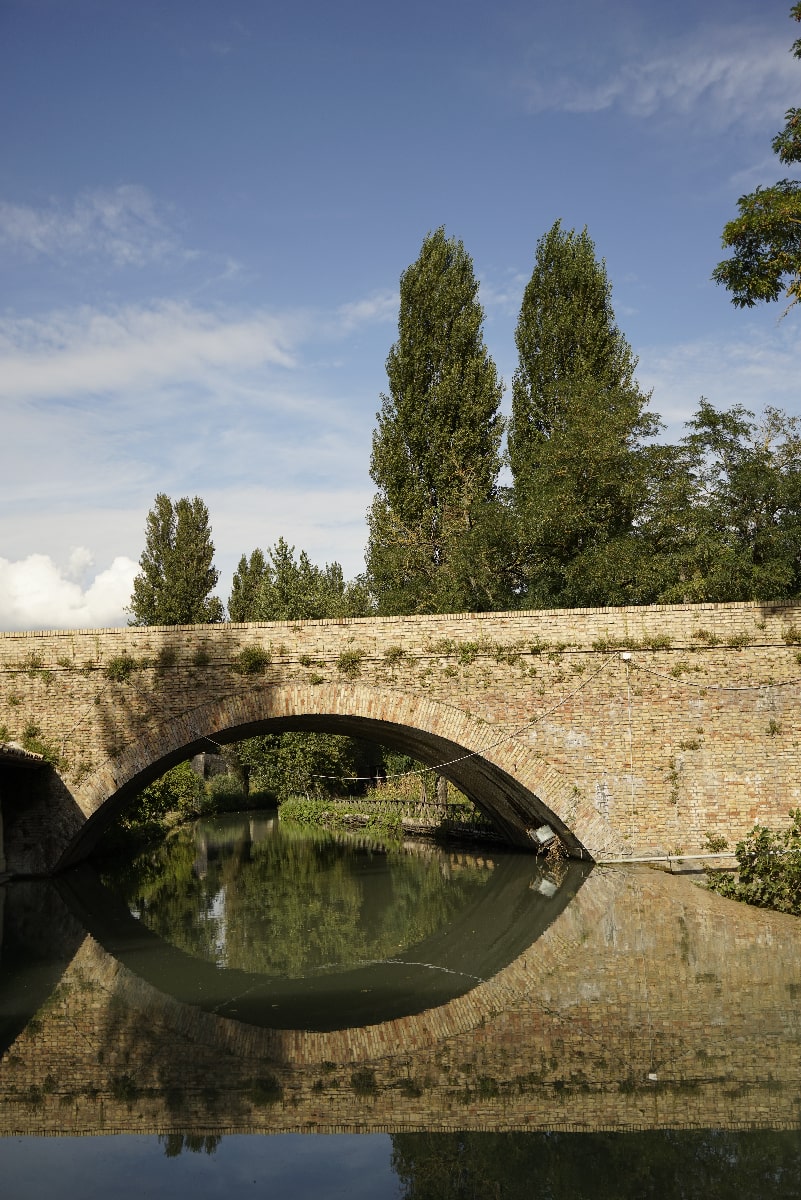
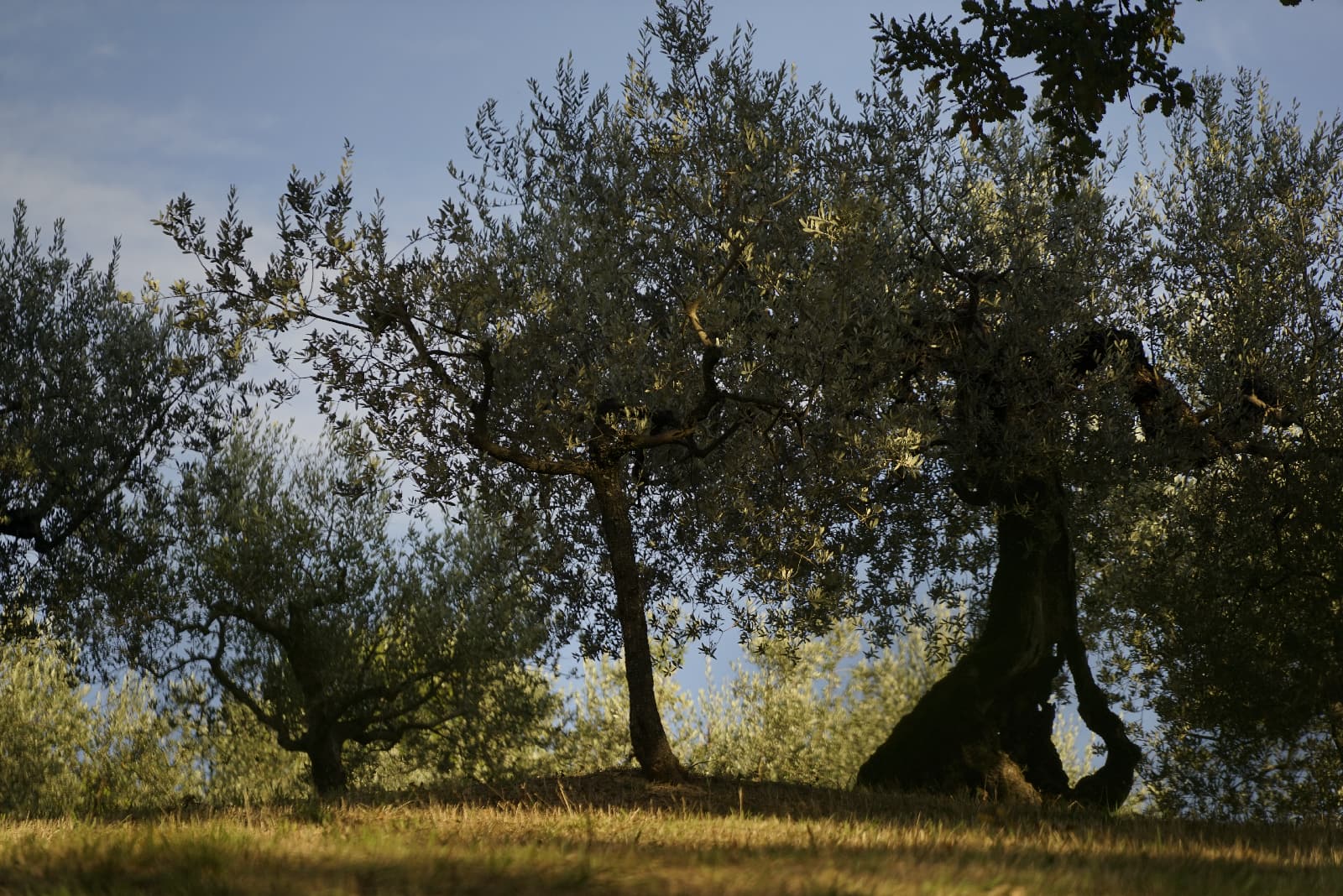
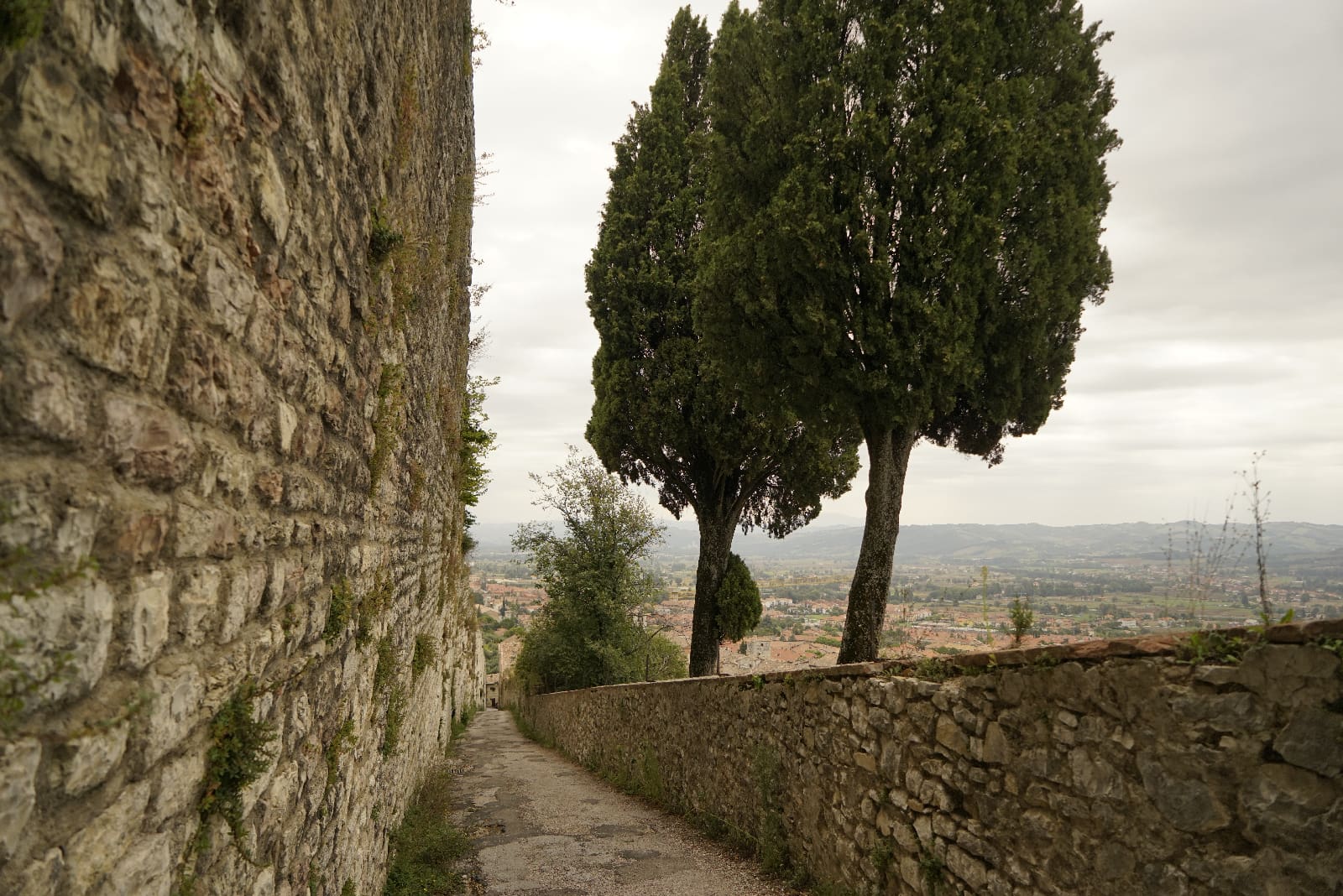
Cobblestone streets, fantastic food and landscapes to make your jaw drop.


ZDF Claus Kleber “HUNGER! DURST!“

2014 ZDF ARTE HUnger Durst

2014 ZDF Claus Kleber “HUNGER! DURST!“

International Head Producerin

für 2 teilige Dokumentation mit Claus Kleber

Auf unserem Planeten müsste kein Mensch verhungern oder verdursten, wenn wir alles richtig machen. Eine optimistische Vision, die Claus Kleber auf einer Reise zu den Brennpunkten des Hungers und der Wasserknappheit hinterfragt. Warum kommen so viele Lebensmittel nie bei den Hungernden an, und wie lässt sich den Äckern noch mehr abgewinnen? Was tun Politik, Wirtschaft und Forschung?

2014 ZDF/ARTE “HUNGER! THIRST!”

International Head Producer for 2 x 52 min. documentary

Claus Kleber, anchorman and journalist for ZDF, travels around the world to ask why hunger is still not defeated. Claus Kleber travels to India, Australia, China, Sierra Leone, Spain, the Gulf of California and Detroit.


RBB reporter: „Die Motormänner aus Weißensee“

2014 rbb die Motormänner

 „Die Motormänner aus Weißensee“

Autorin & Regie 28 Min. Reportage

Wenn es Frühling wird, dann beginnt die Motorradsaison auch in Berlin. In der Lehderstraße, bei den Motormännern wird alles dafür getan, das Mensch und Maschine den Sommer gemeinsam genießen können. Andreas Bergmann und Stephan Zimmermann haben nicht nur den “Mann” in ihrem Nachnamen pluralisiert –sondern auch ihre Leidenschaft: alte, klassische Motorräder.

2014 rbb reporter: The Motorbike Guys from Berlin Weißensee

Author & director 28 min. reportage for rbb reporter

A gasoline-rich reportage on a motorbike repair shop in Berlin-Weißensee. Andreas Bergmann and Stephan Zimmermann have a passion for very old motorbikes; 20 years ago they established the garage “Die Motormänner”. Bikes and people meet here, stories evolve and adventures are shared.


2014 Belgium

Brussels

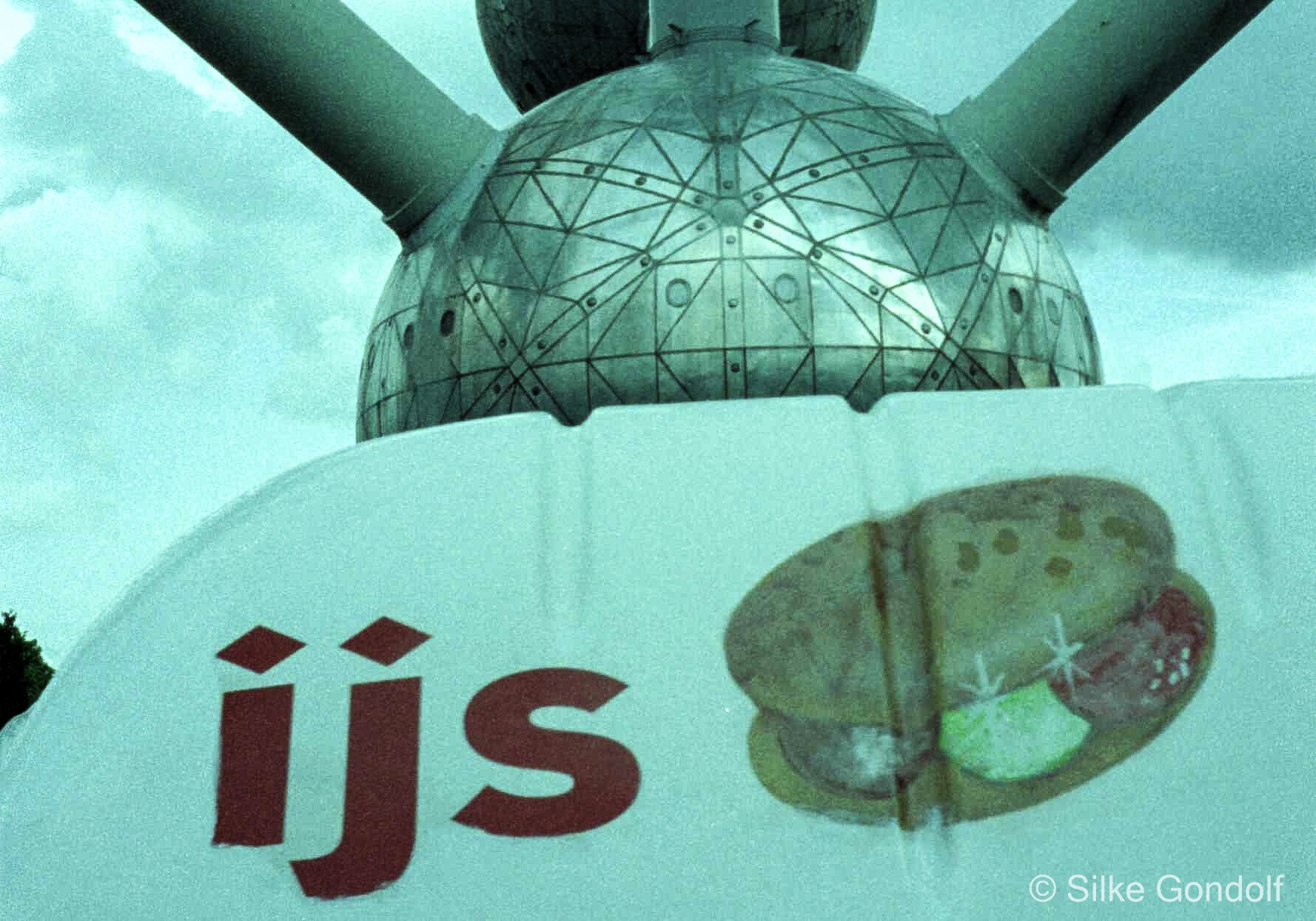
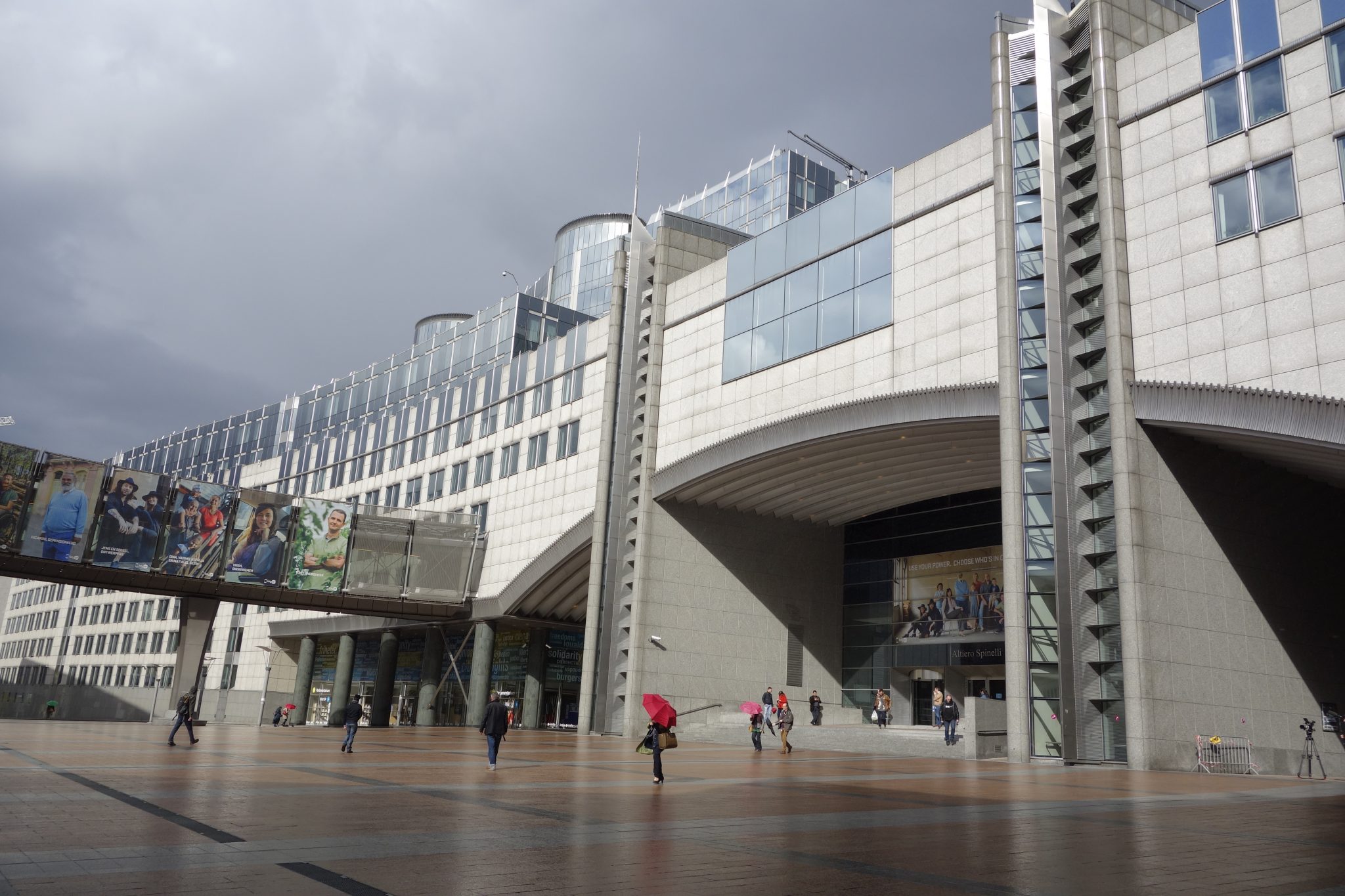
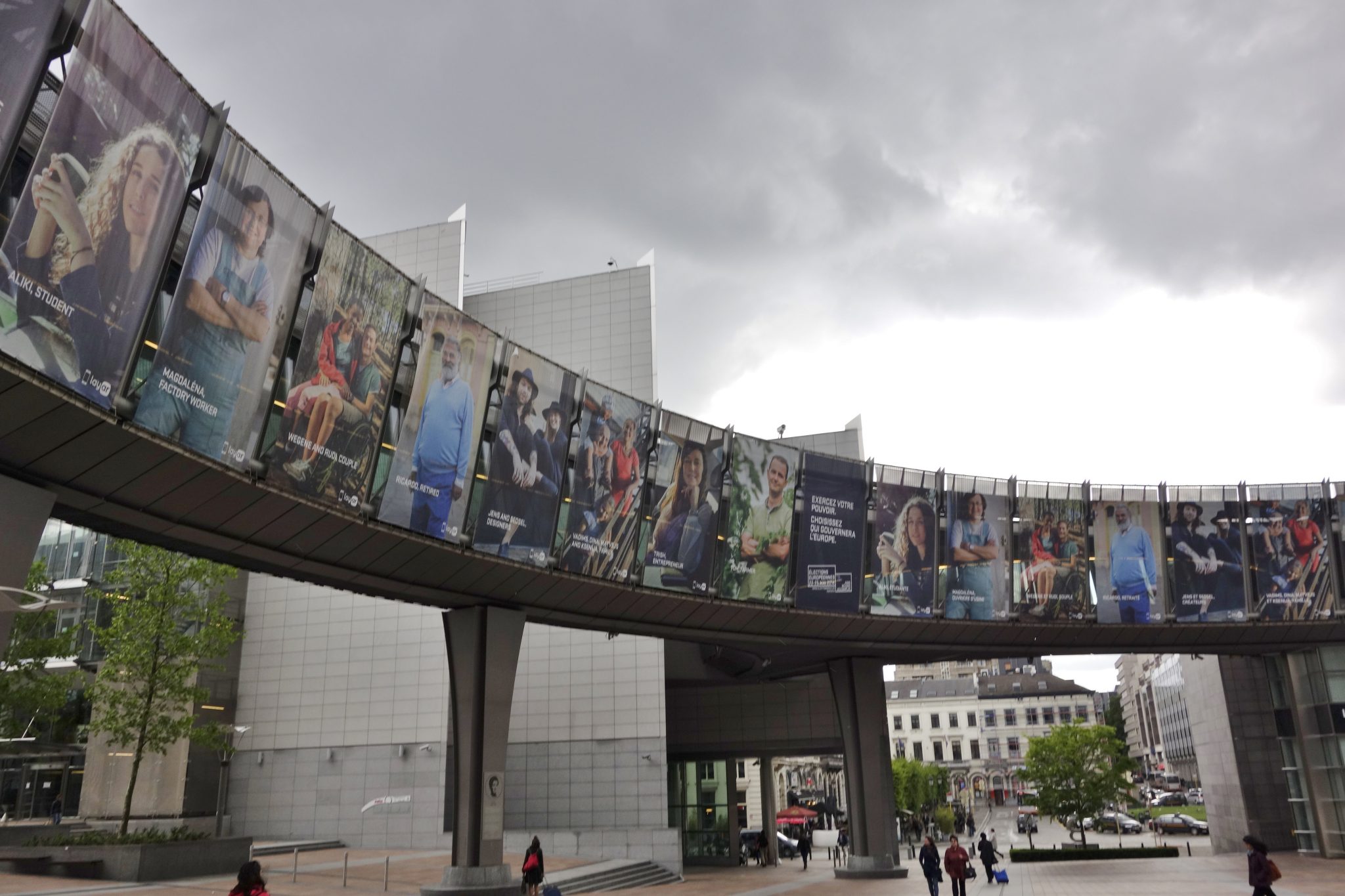
Europe, a construction for which no one has a feel.


2014 Poland

Warsaw

Working on a reportage for ARTE – womens rights, abortion rights in Poland.

2014 Poland

Warsaw, Praga
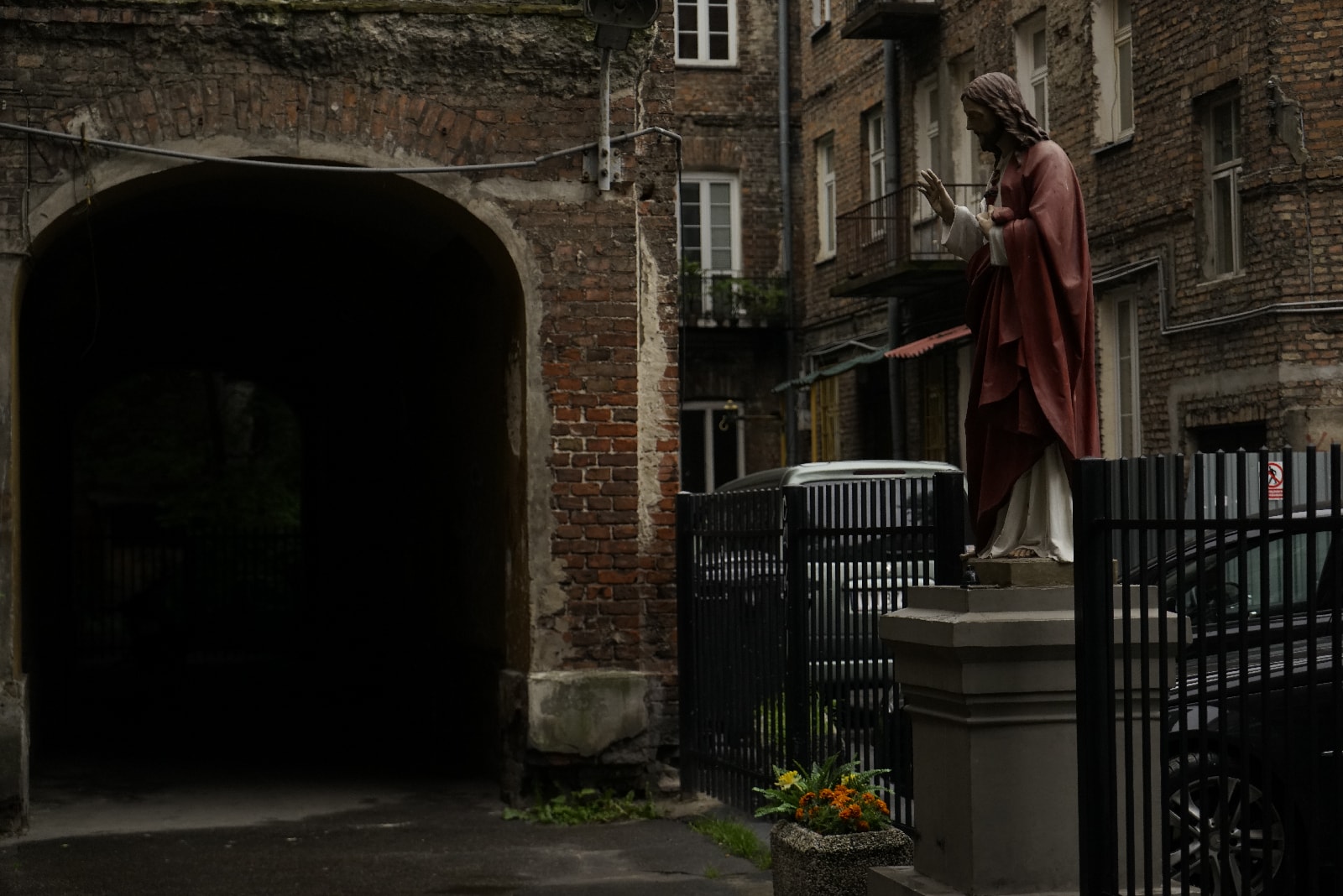
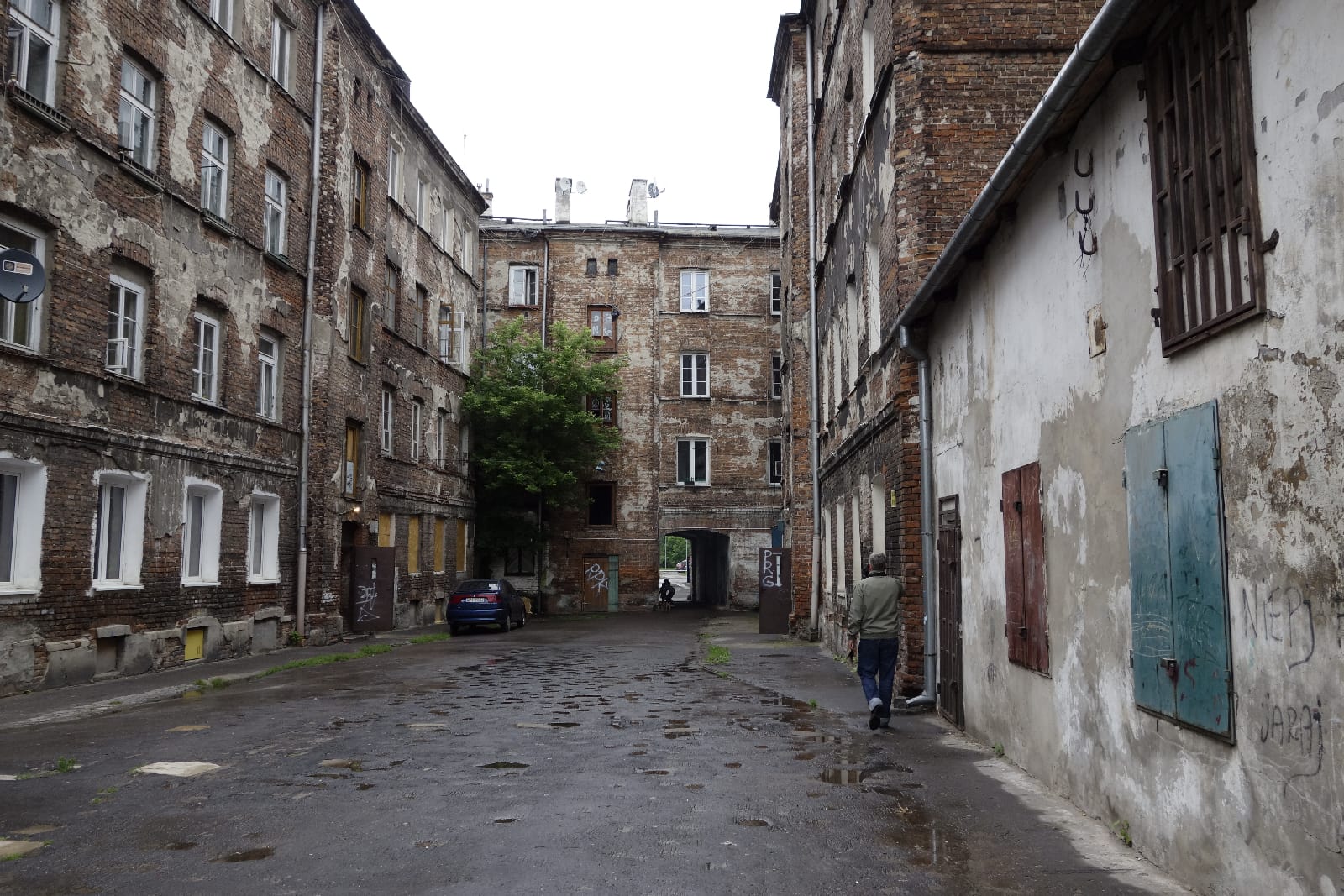
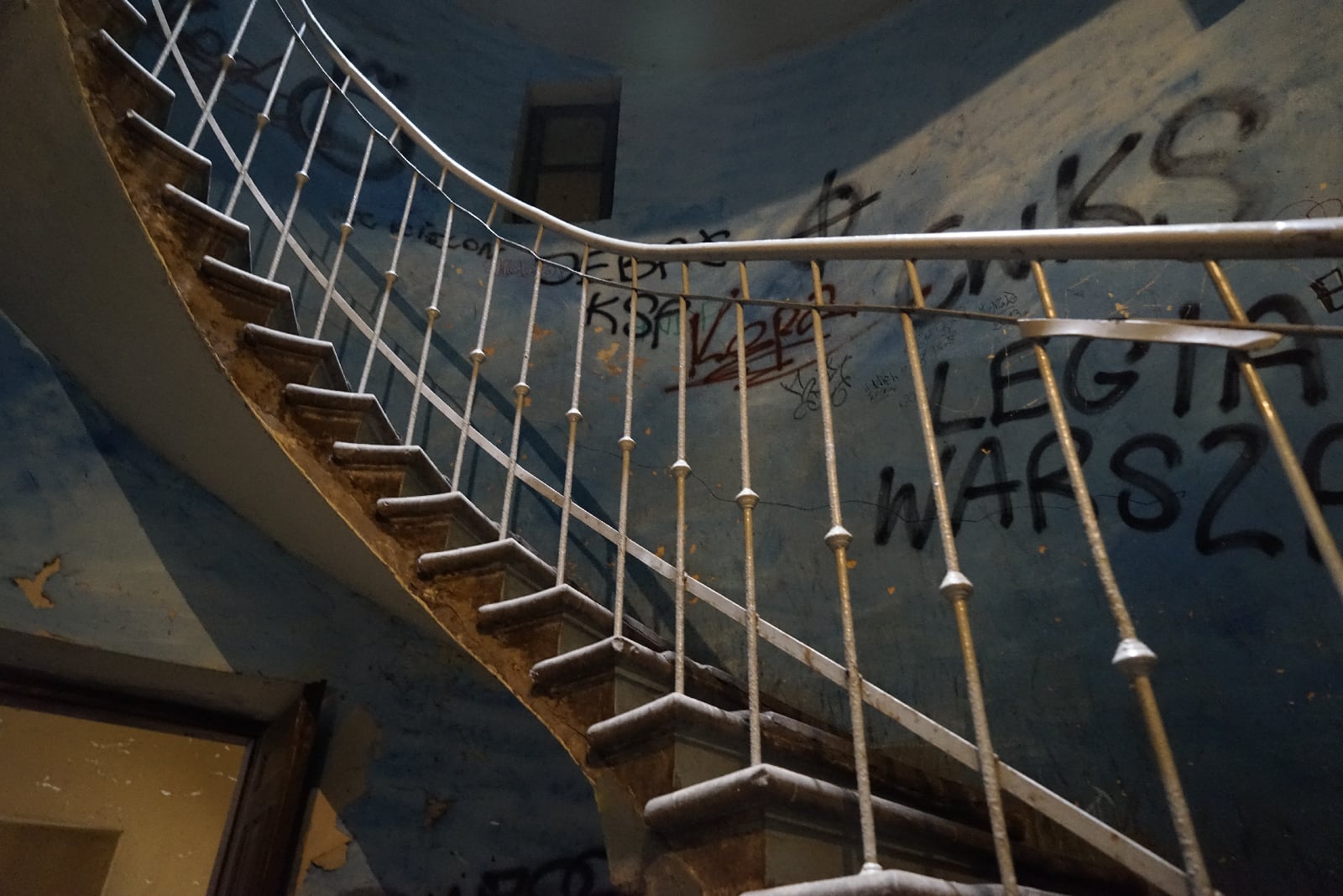
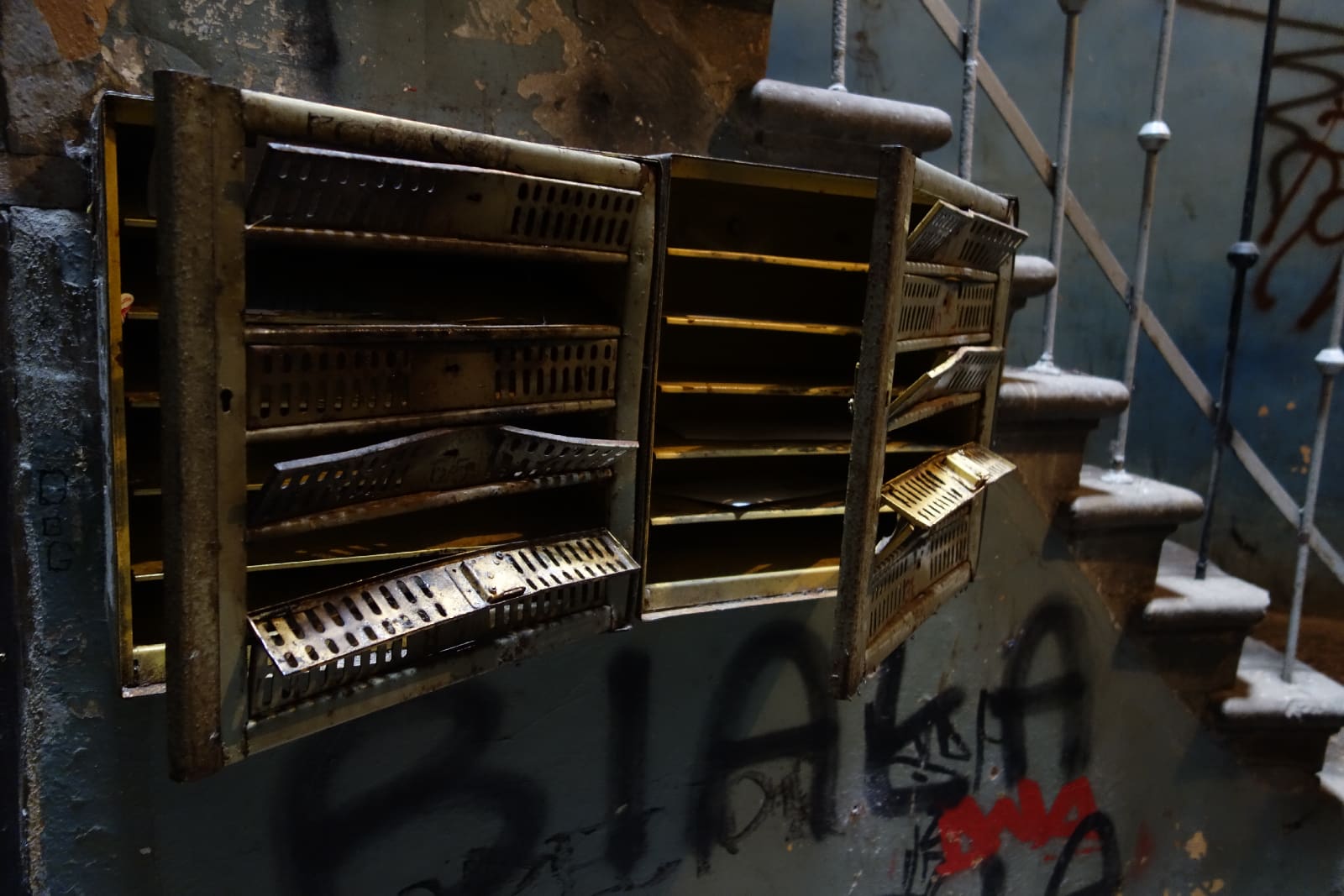
Dark tempting alleys in Praga.


ZDF/ARTE/NHK “The Mountain Midwives of Vietnam“

2013 ZDF ARTE Die Wanderhebammen Vietnams Author, director, executive producer

52 min. documentary for element 6 media UG, ZDF Editor: Linde Dehner

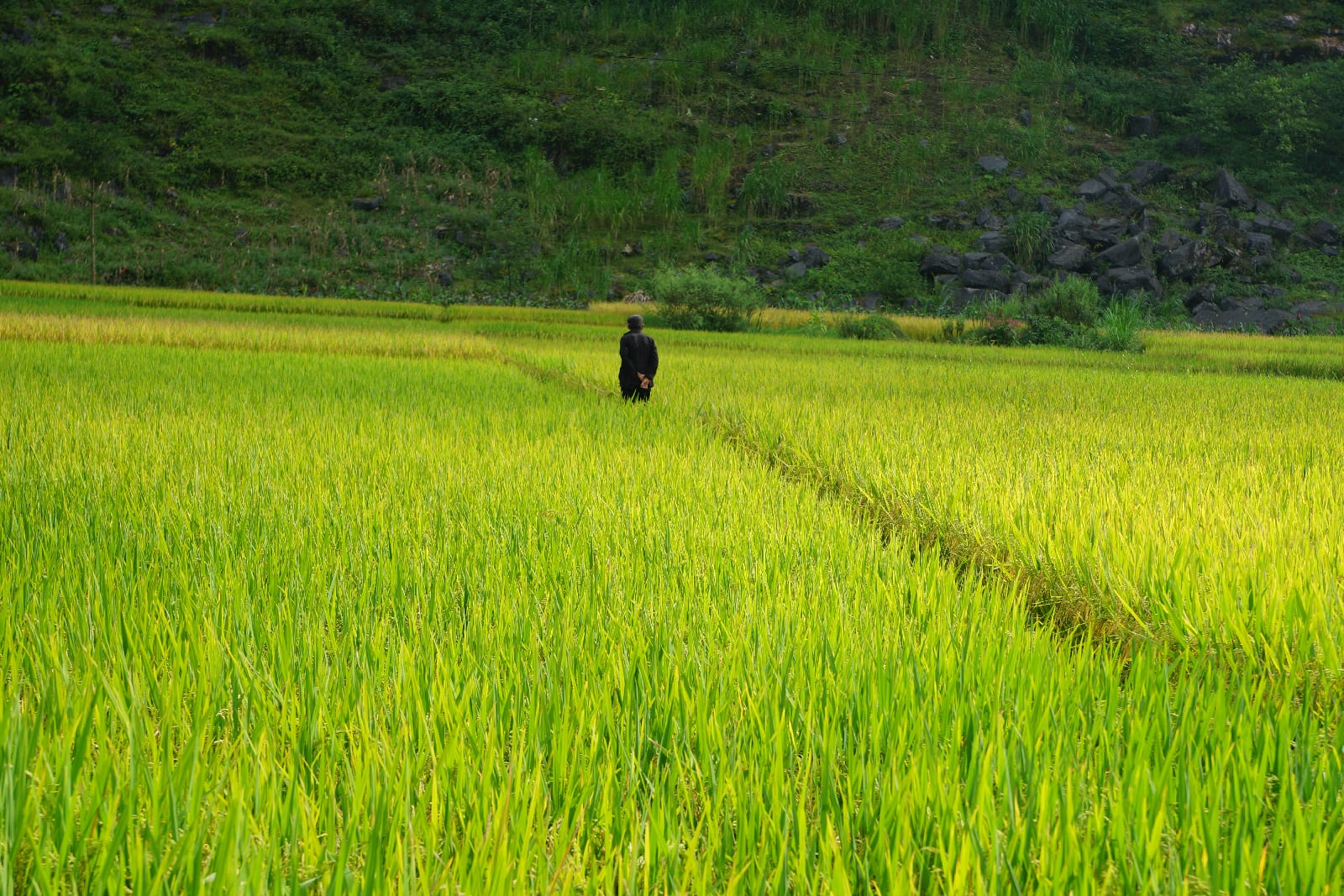
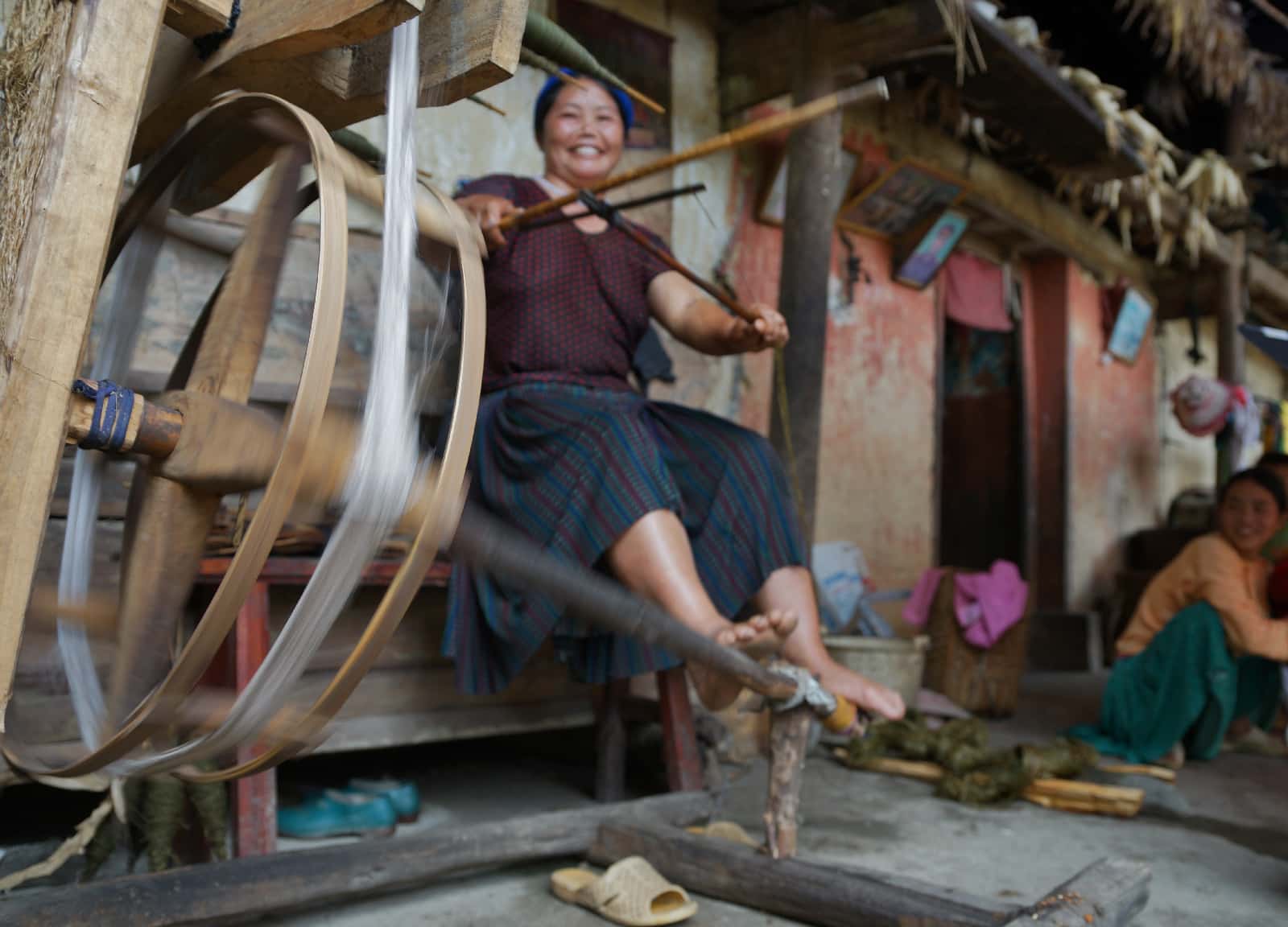
The new midwives of the Hmong combine both Western medicine and traditional healing methods, and they have significantly reduced the mortality rate in their remote mountain region. For over two thousand years, the extreme north of Vietnam, an area bordering China, has been home to an ethnic minority known as the Hmong. For the first time, this documentary provides an insight into the family life of one of the oldest civilizations in the world, as we accompany midwife Vu Thi My on her daily rounds.

2013 Vietnam

Hanoi, Ha Giang, Yen Minh, Pho Cao, Dong Van Province, White Hmong

Special permits were required to film at the border area Vietnam / China. Many ethnic minorities live in the very north. This is one of the remotest places I have been. The Hmong believe that people have seven souls and they prepare for their deaths as early as puberty starts.


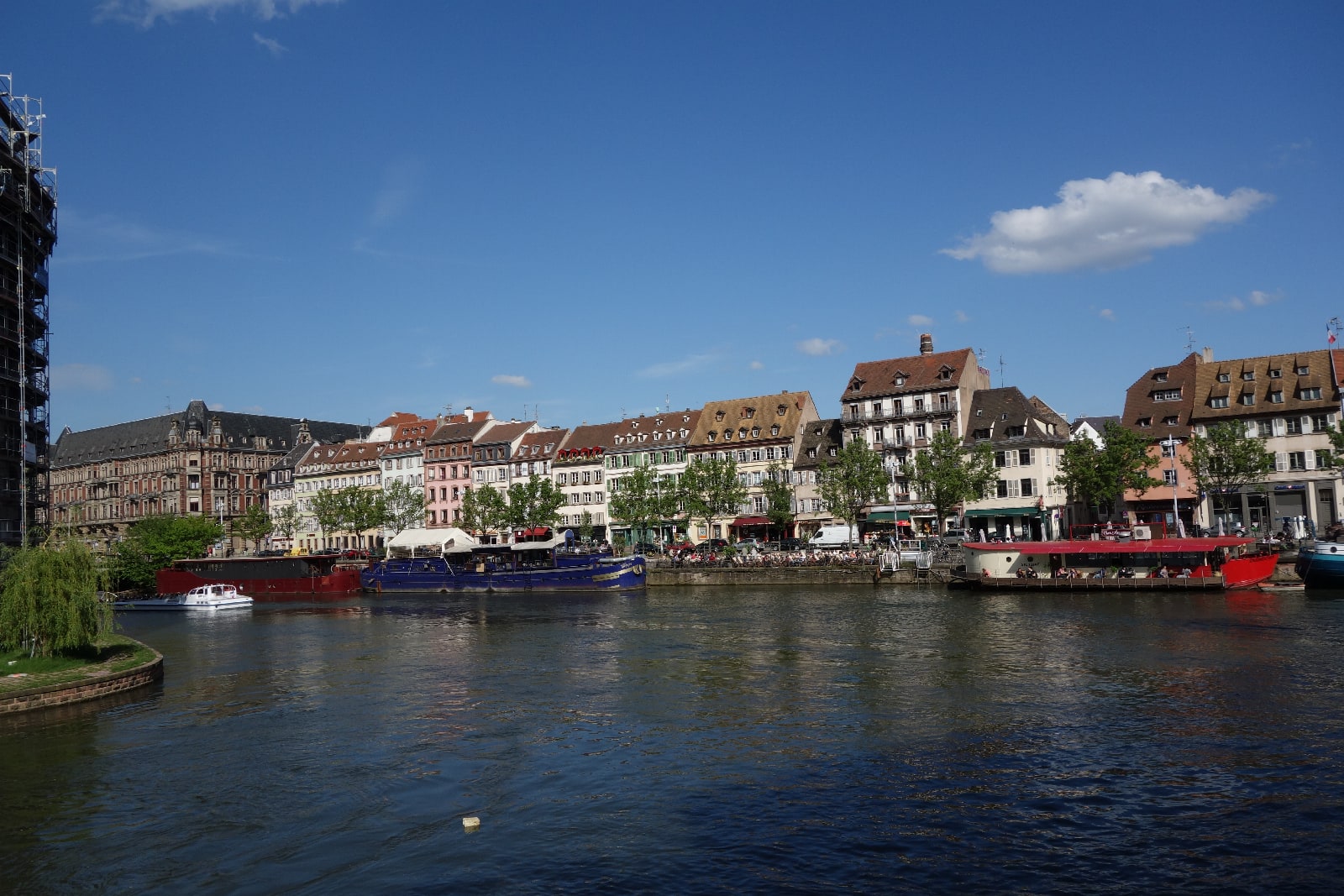
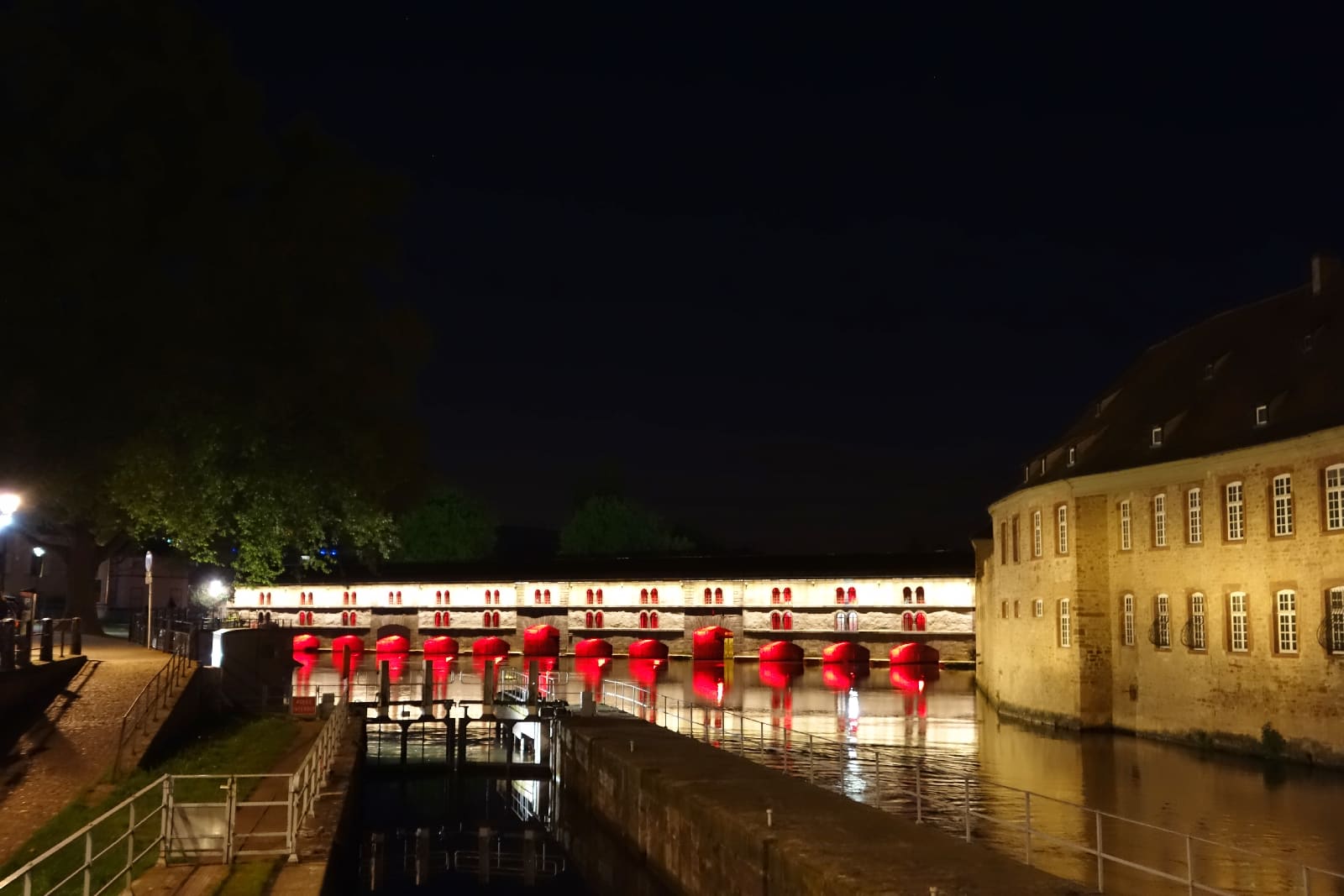
2013 France

Strasbourg, Colmar

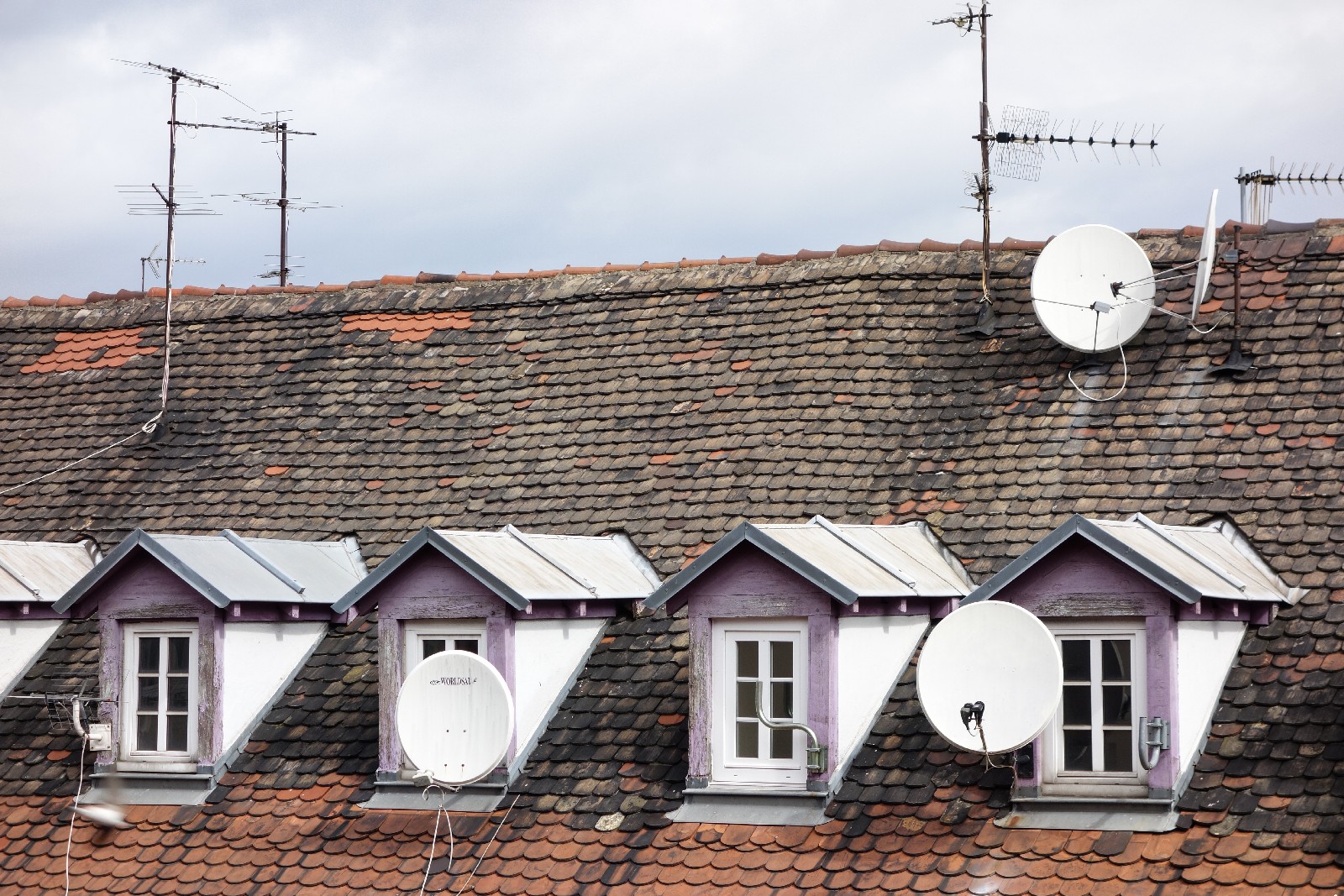
Markets filled local cheese and sausages, lots of empty houses everywhere.


2013 USA

New York, Brooklyn

Breathing in the different speed and the energy of NYC. I am glad I have moved away. I am able to come back and be a guest.


ZDF/ARTE „Kenia im Fokus eines Straßenfotografen“


Arte-1024x482
Autorin, Regie & Produzentin
43 min. Reportage
element 6 media für ZDF/ARTE wunderwelten
Kenia im Fokus eines Straßenfotografen 

Der Straßenfotograf Jonah Ndirangu alias “Samson” hat seinen festen Platz direkt vor dem Unabhängigkeitsdenkmal des Stadtparks von Nairobi. Seine Klientel besteht aus Spaziergängern, Sonntagsausflüglern und Touristen -aber auch langjährige Stammkunden zählen zu den Auftraggebern des Open-Air-Fotografen. Sein Werk öffnet den Blick für die Diversität der Gesellschaft.

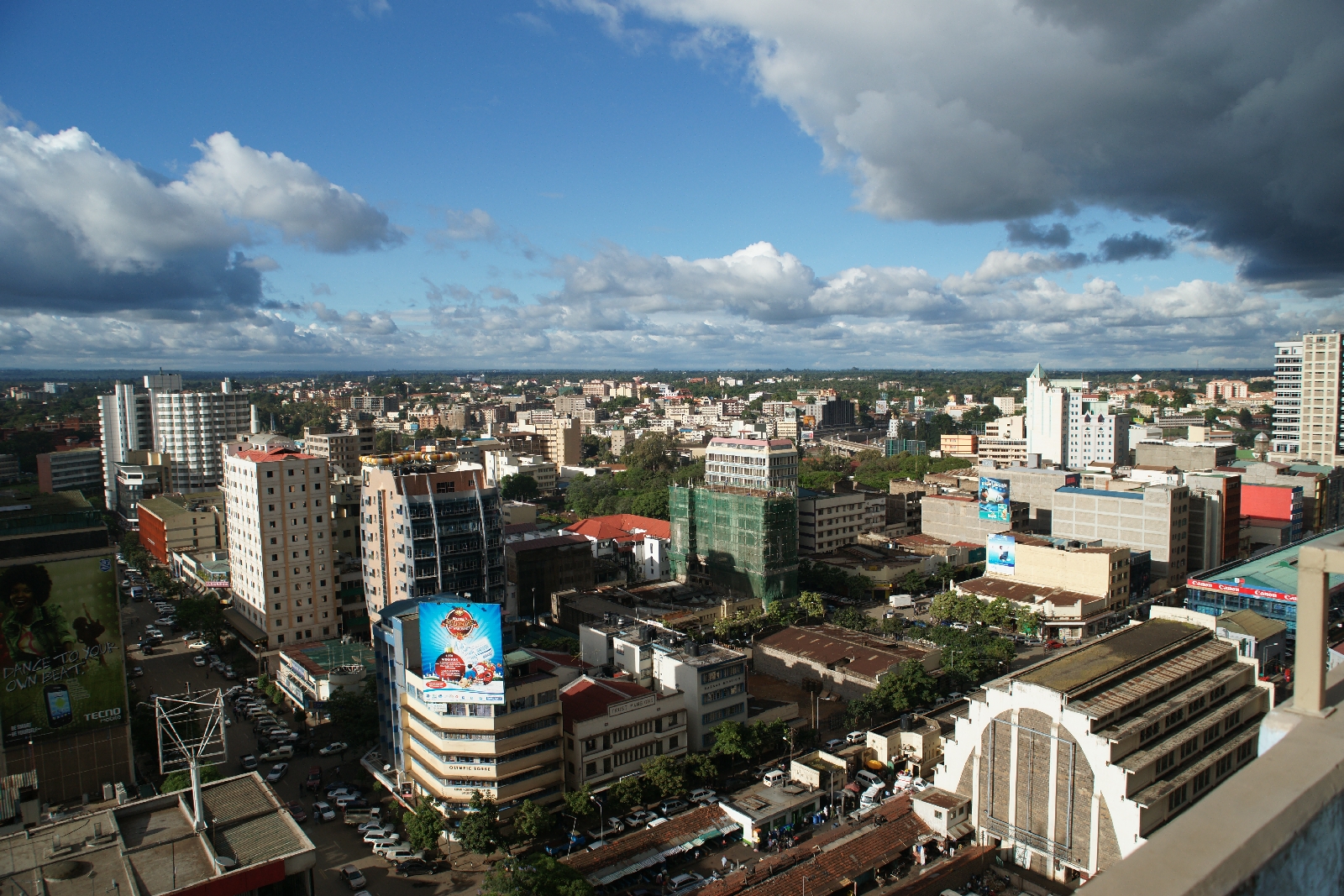
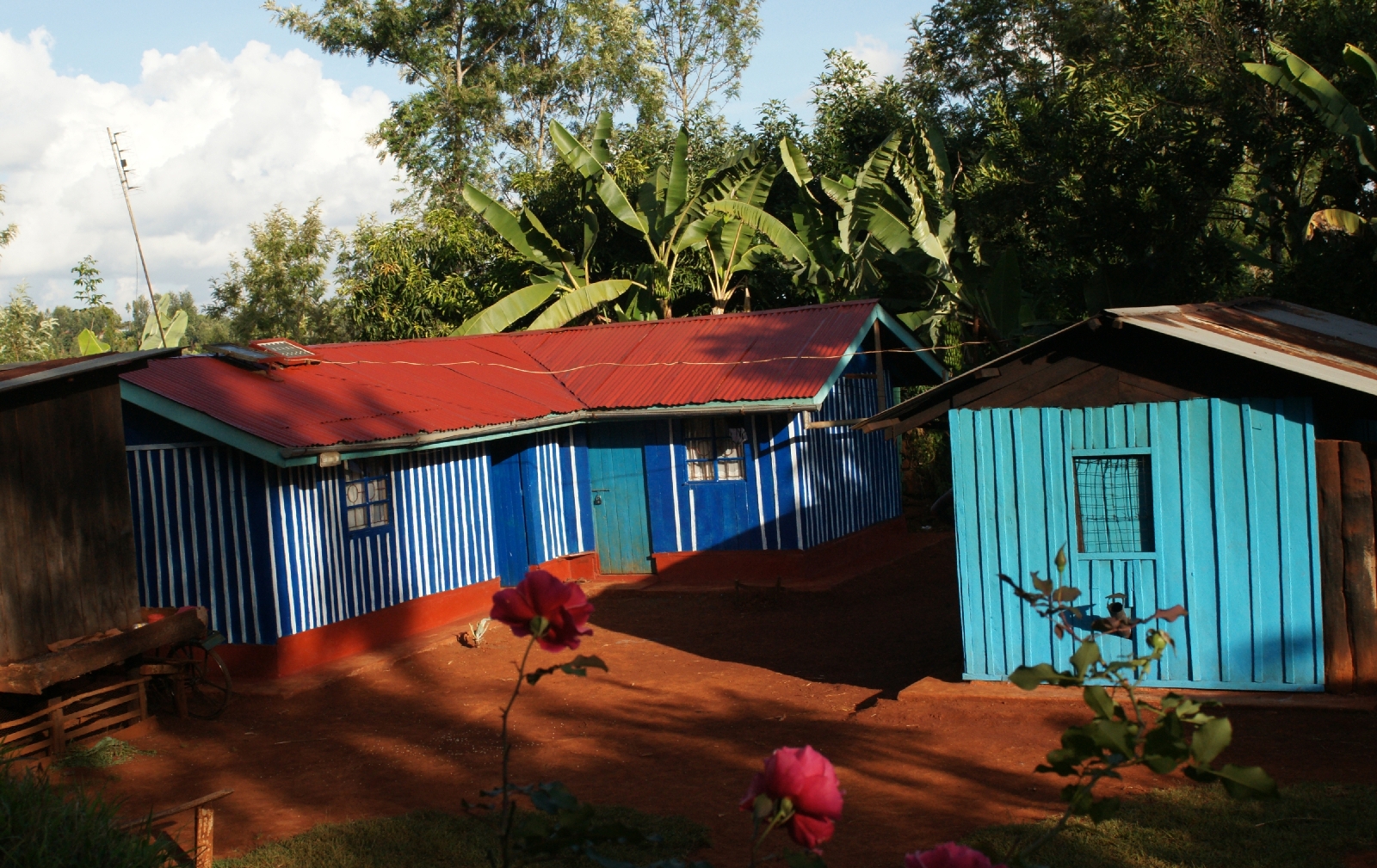
2012 Kenya

Nairobi, Dandora, Nakuru, Great Rift Valley, Central Province, Nyeri

Filming in Nairobi and in Kenyas country side, meeting the street photographer Samson and his colleagues.


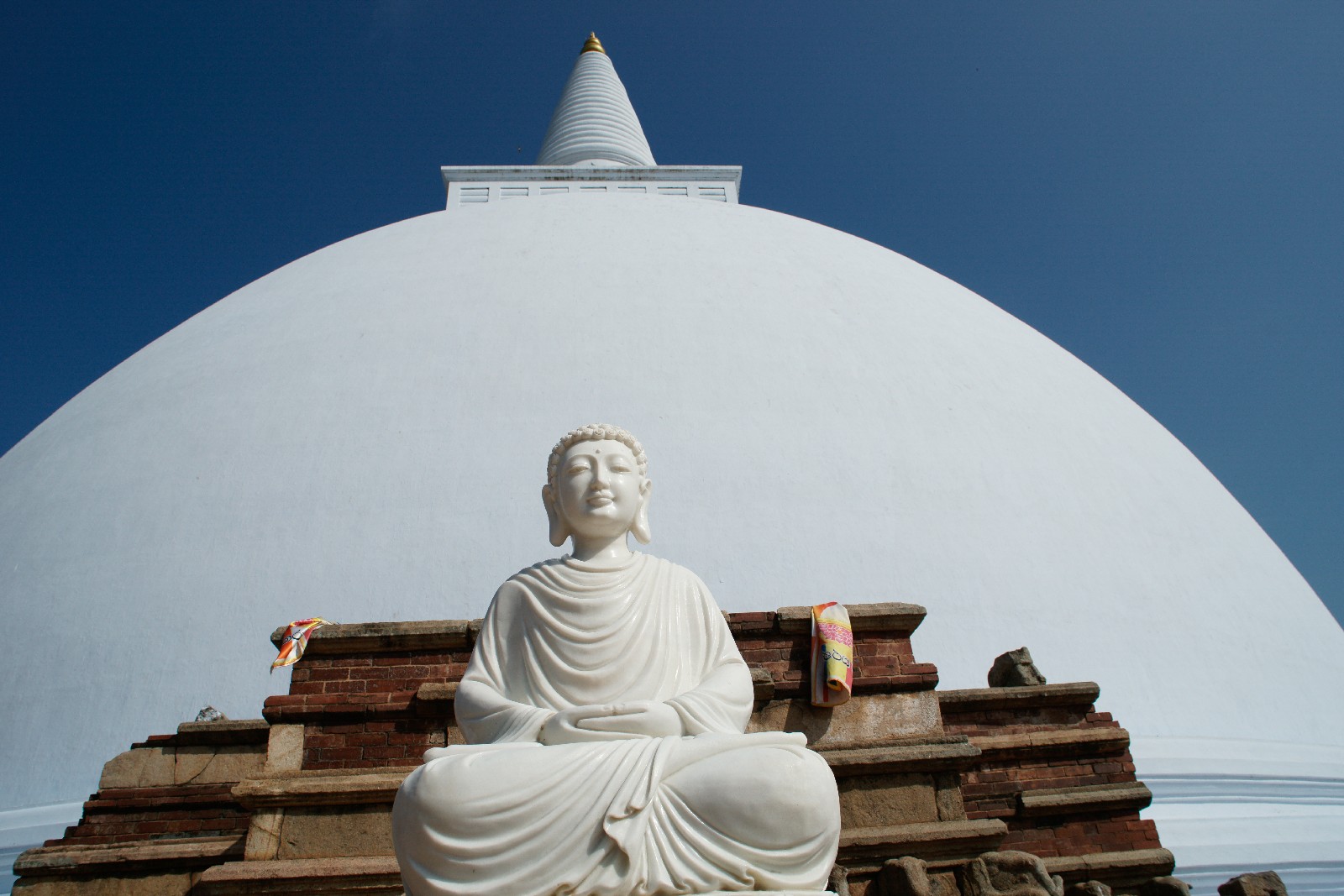
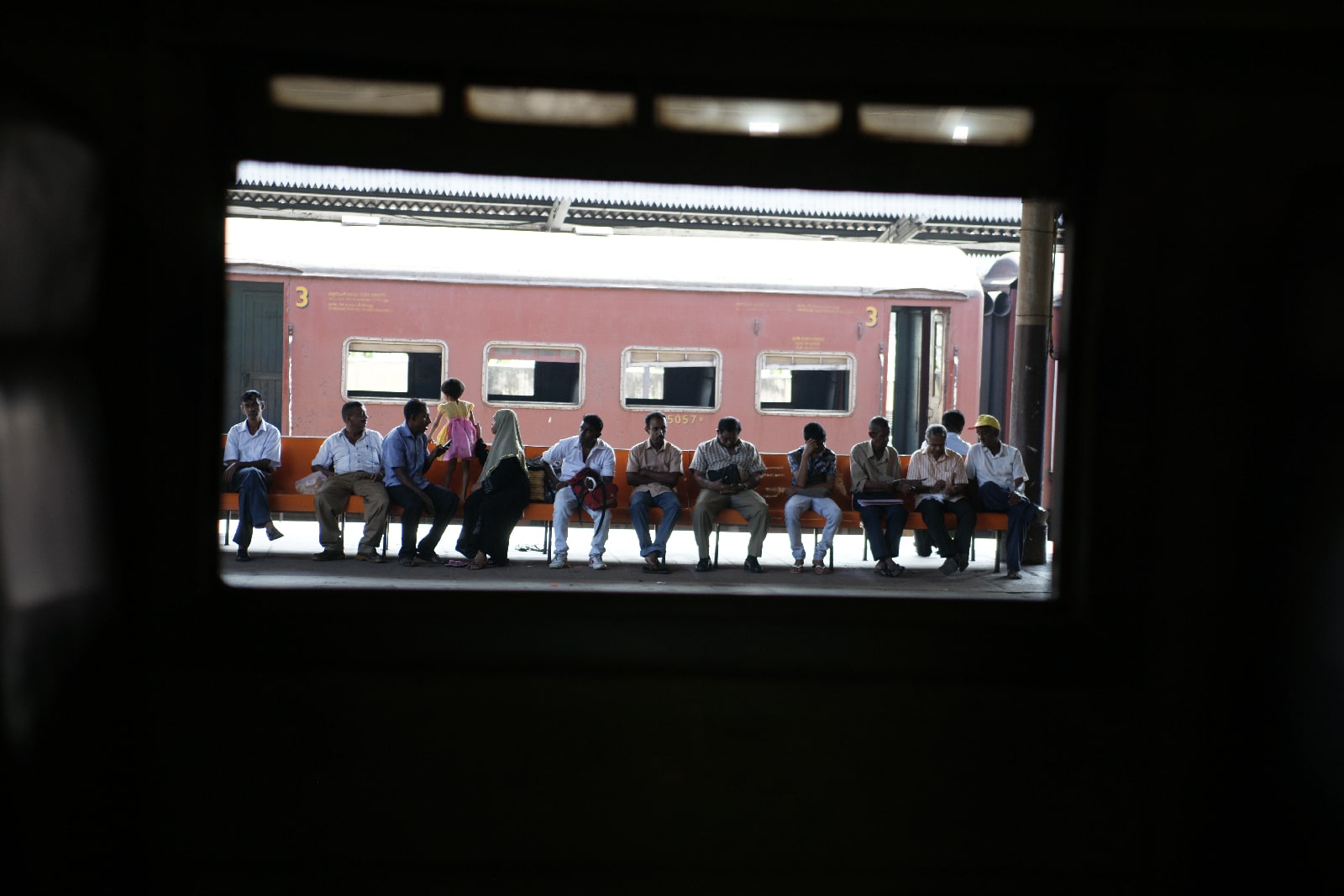
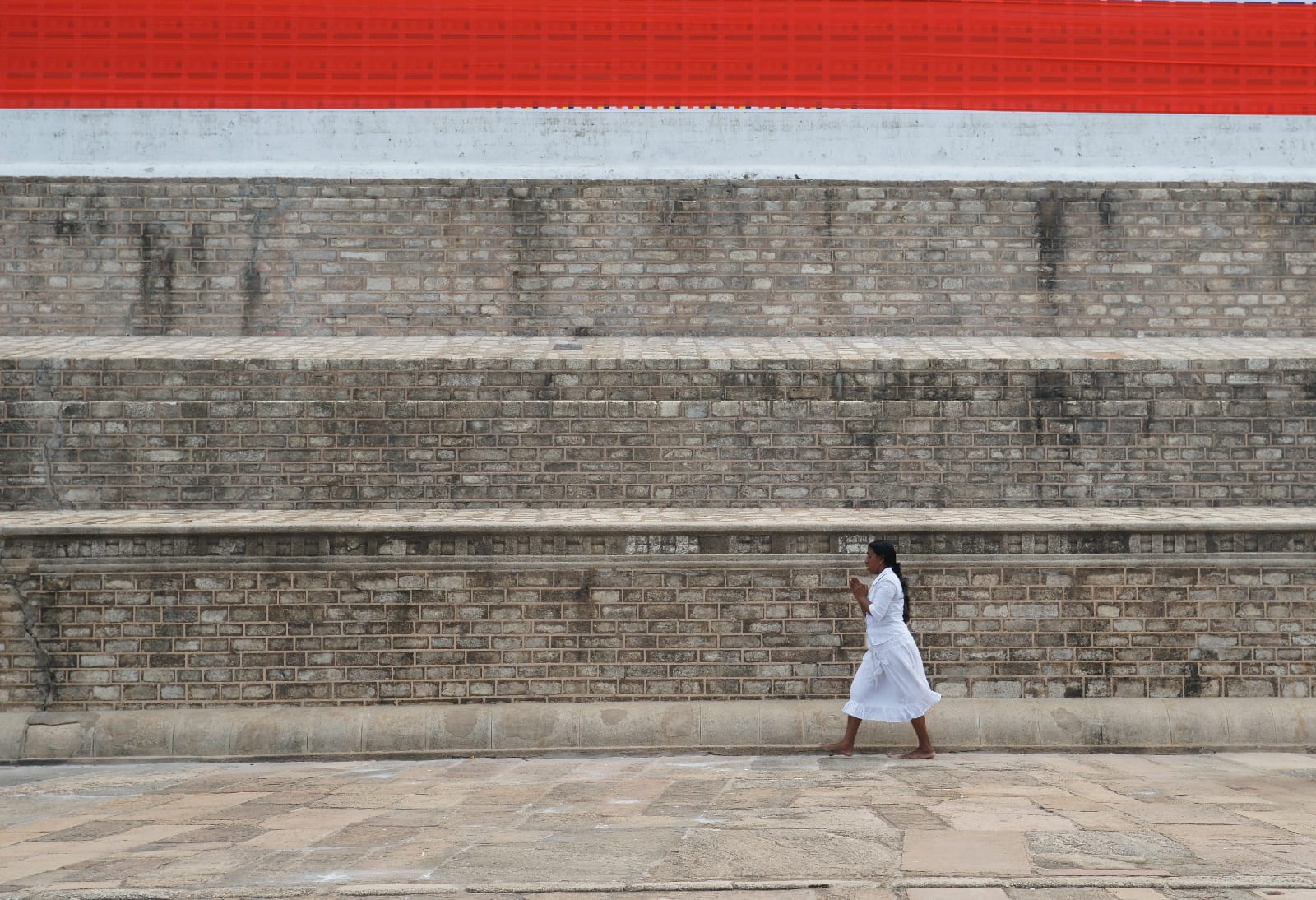
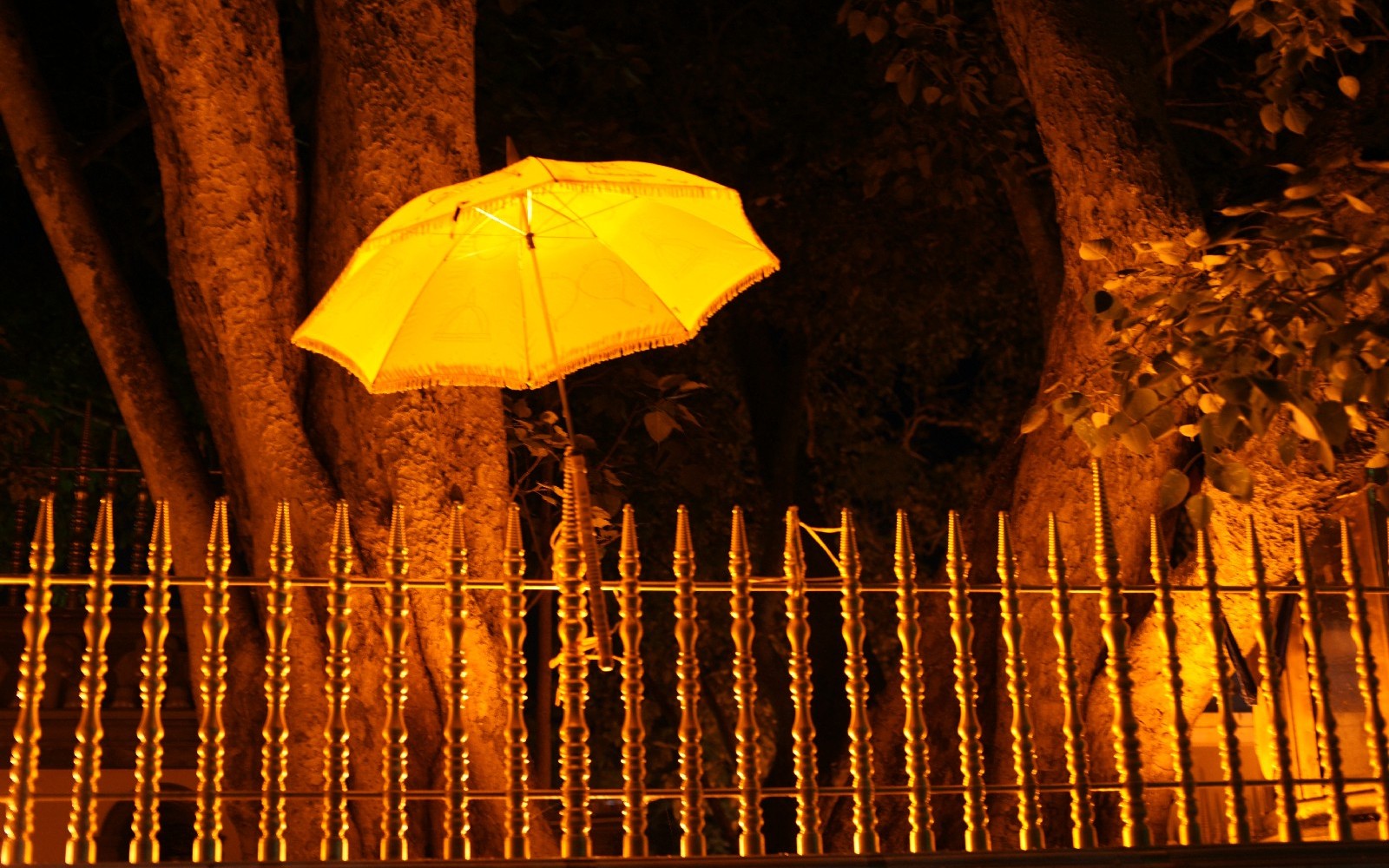
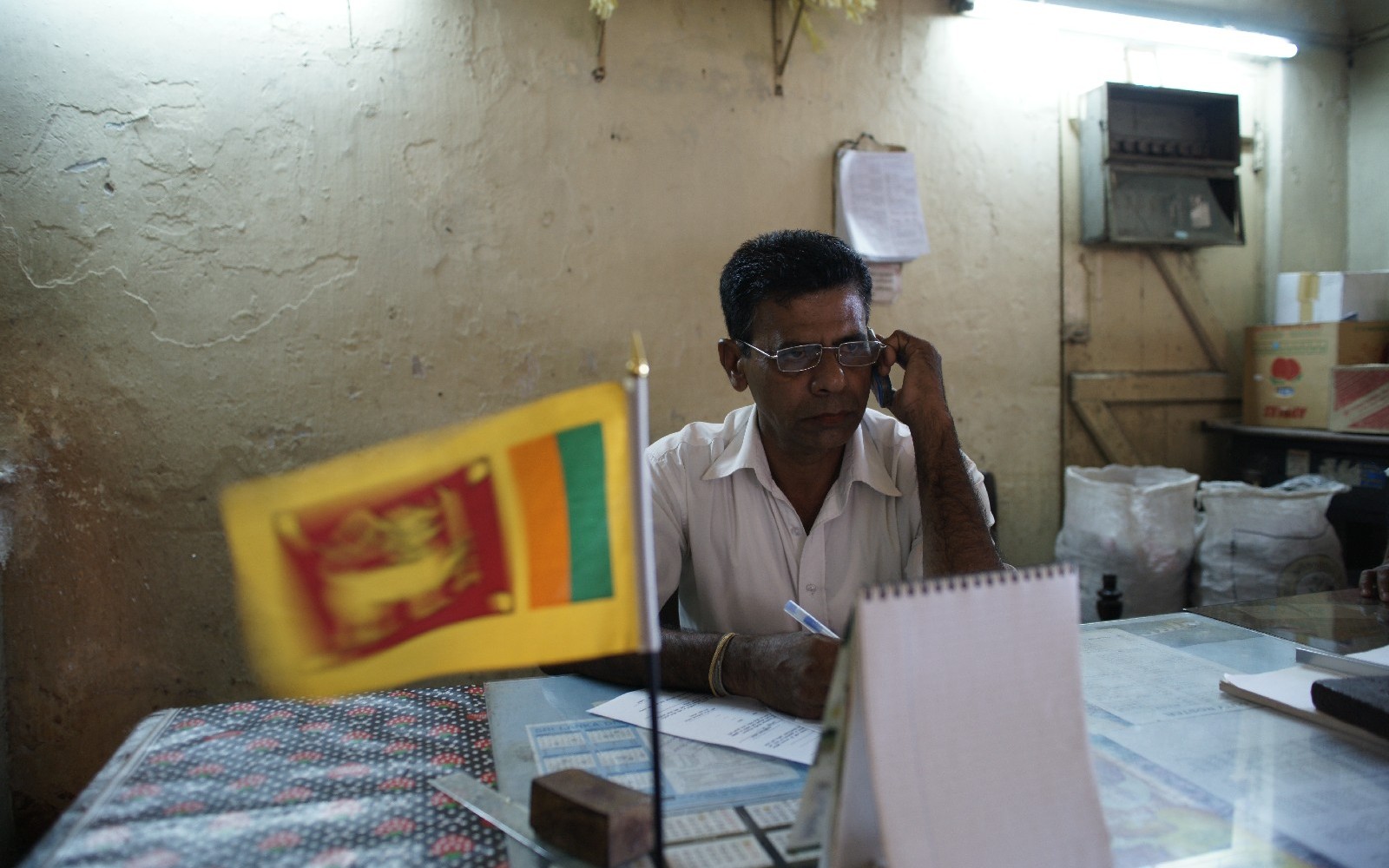
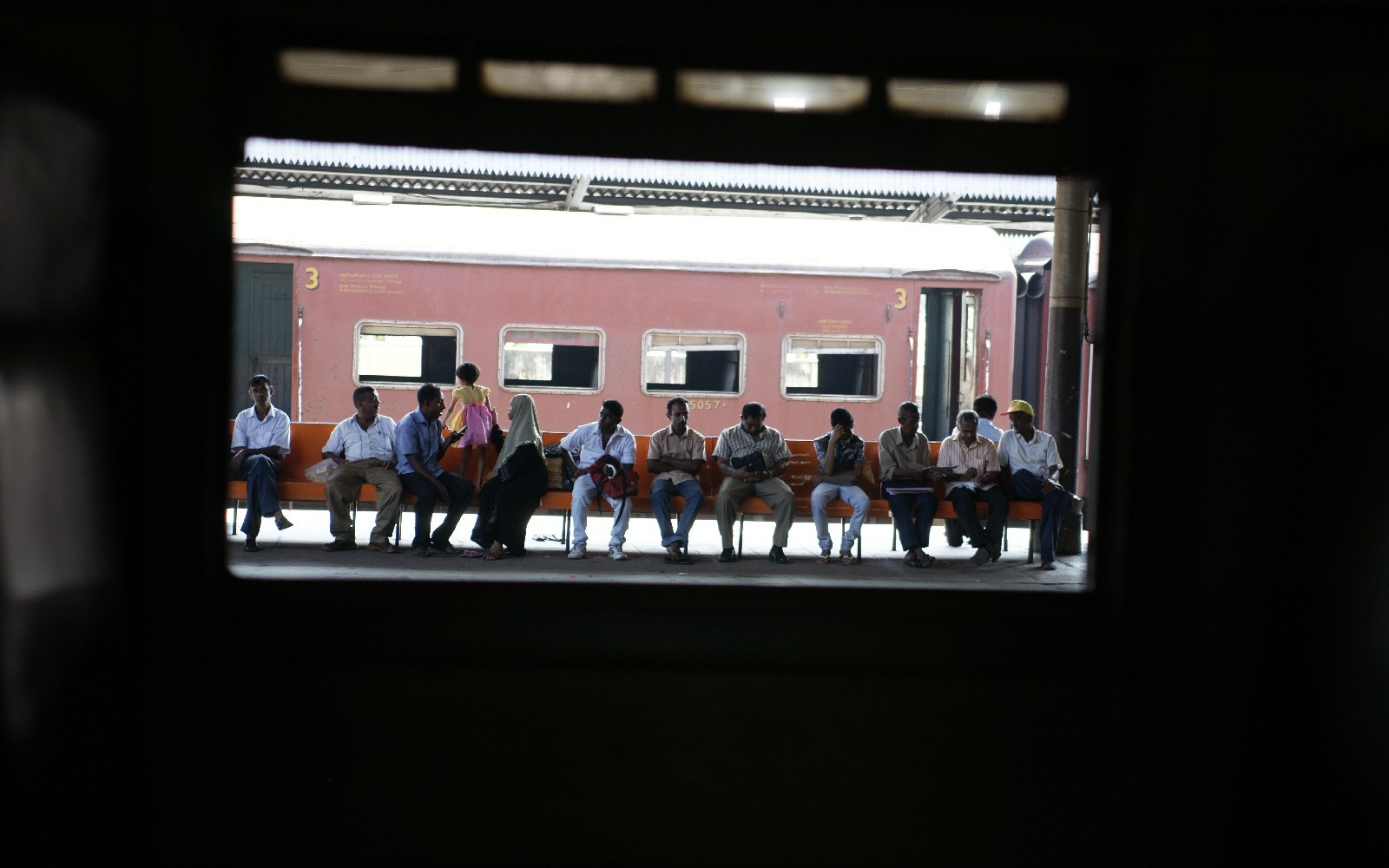
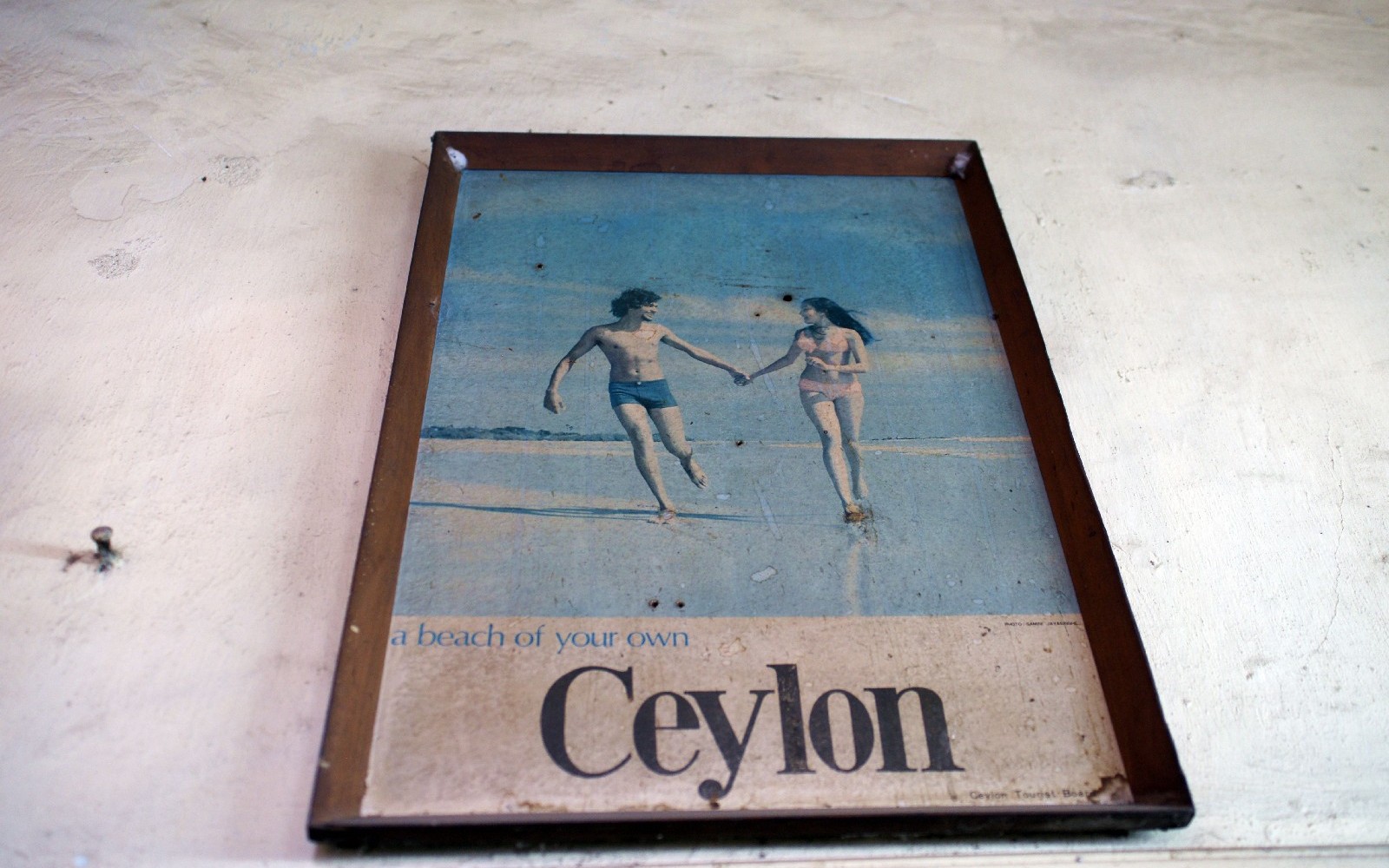
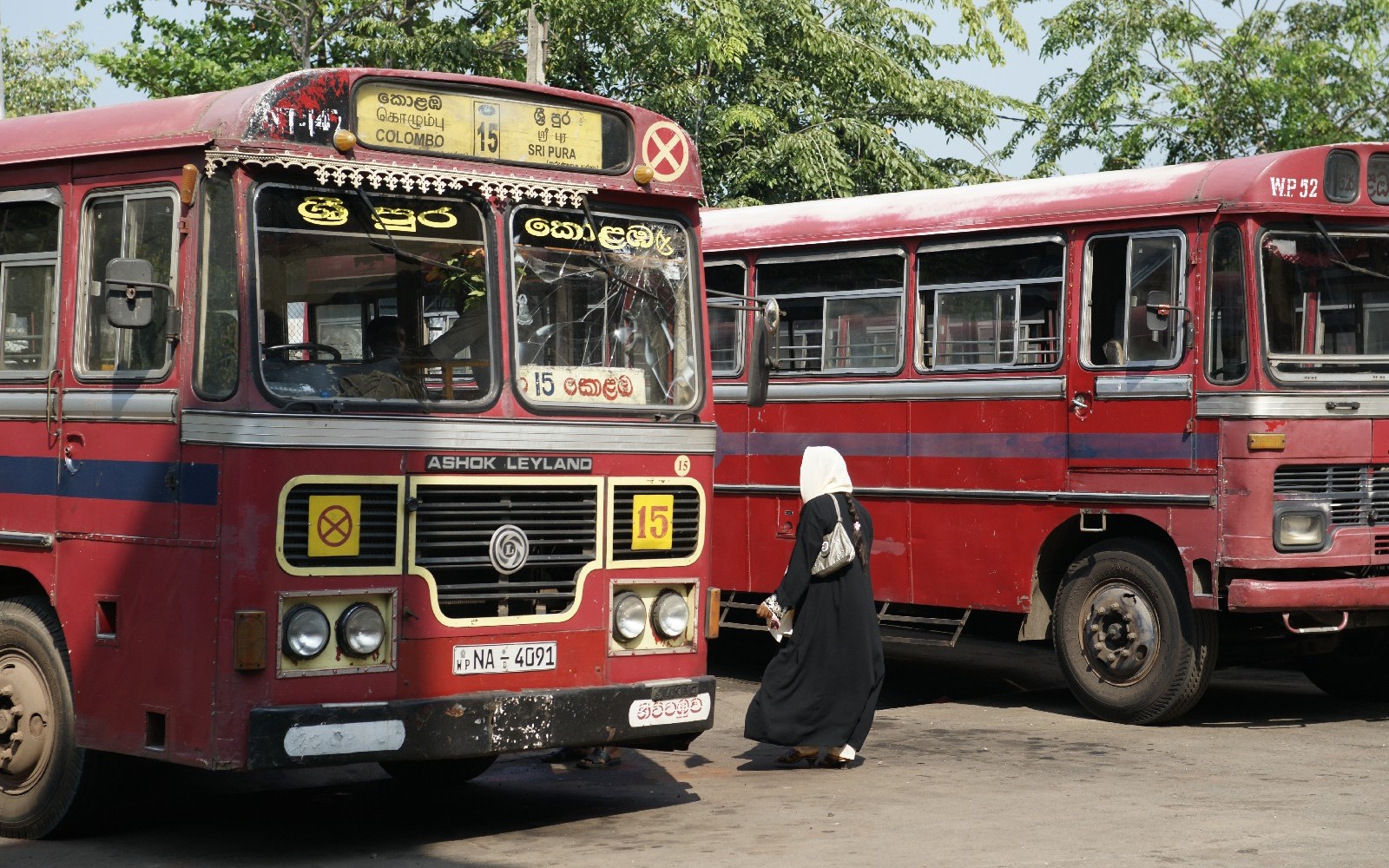
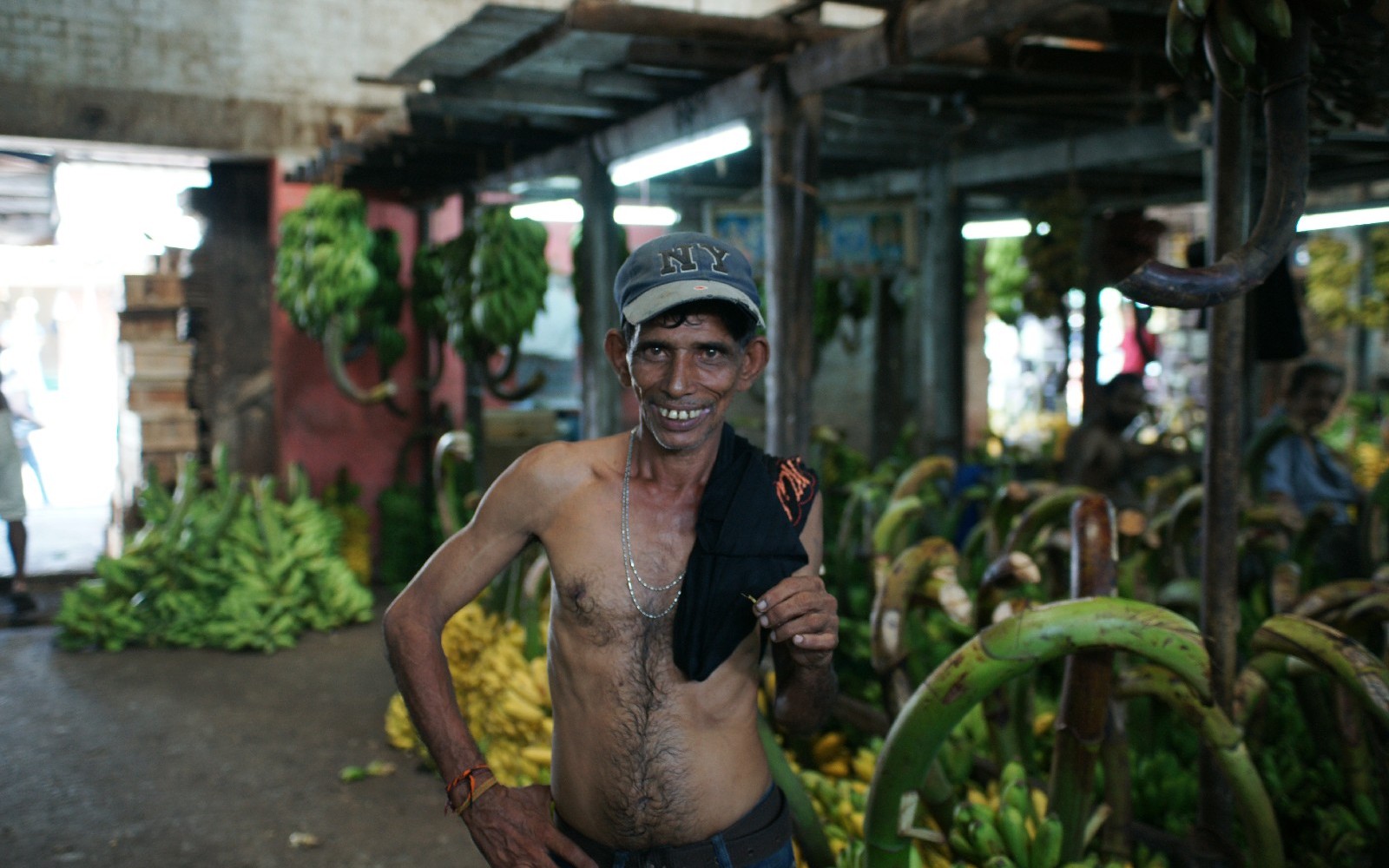
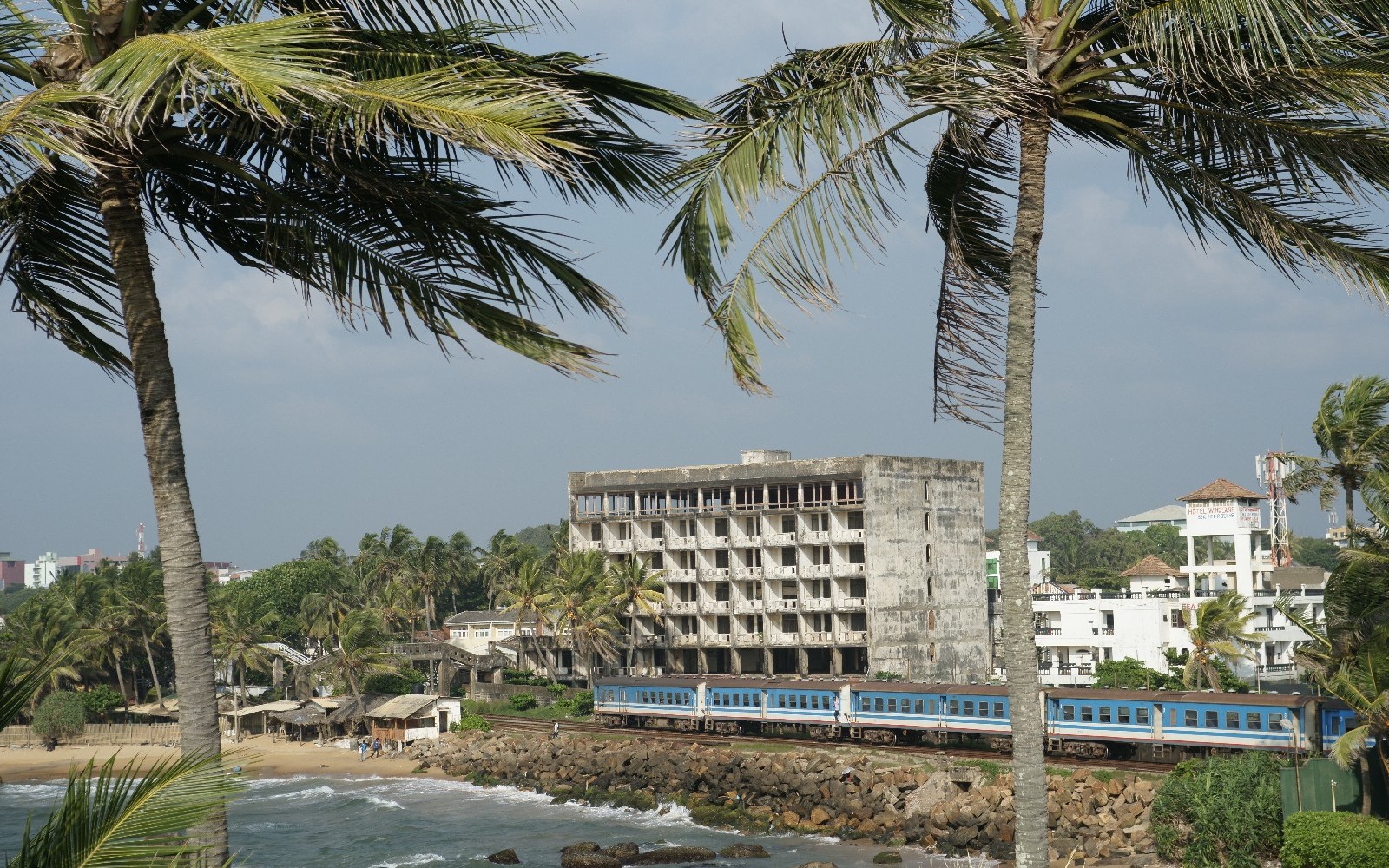
2011 Sri Lanka

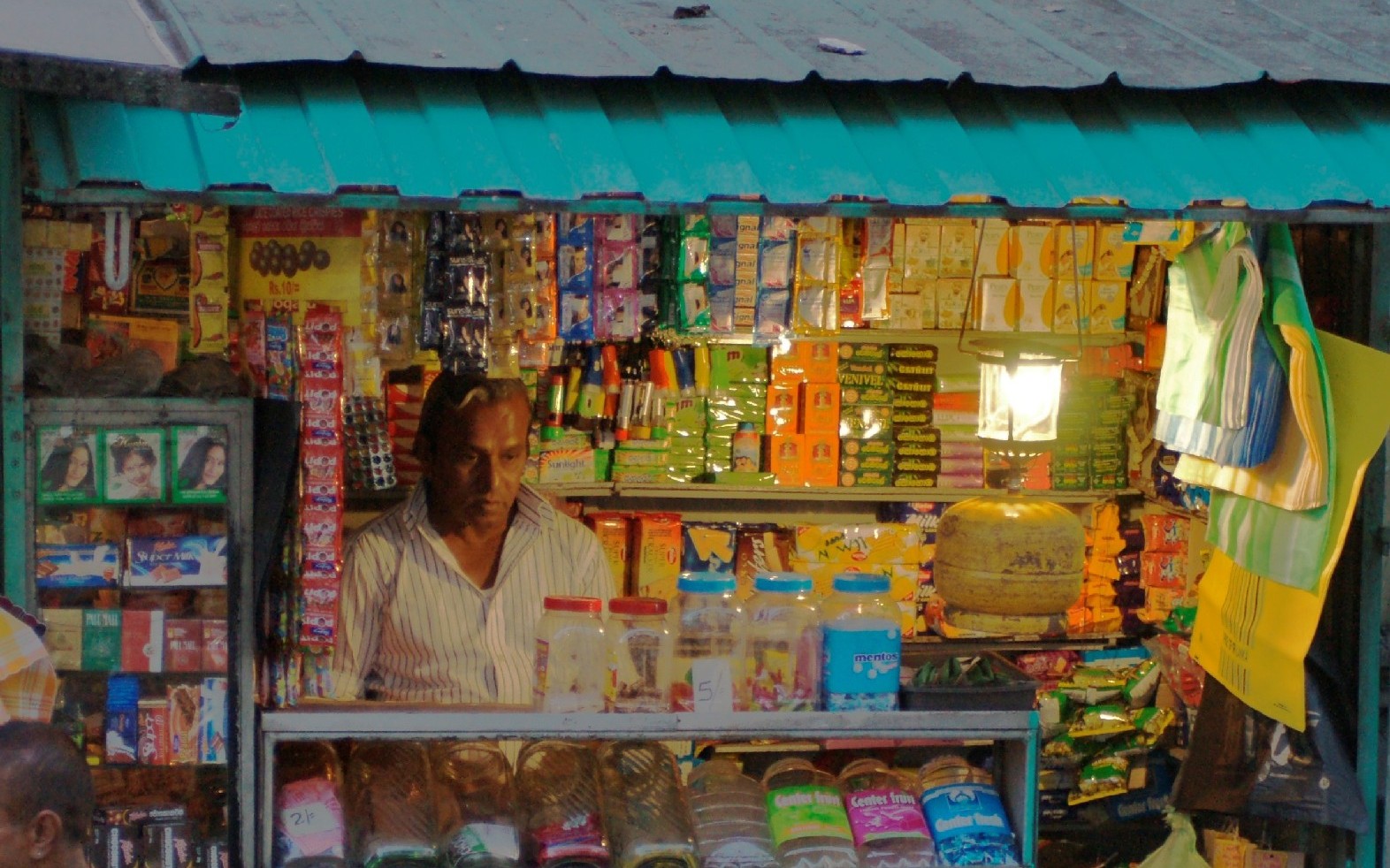
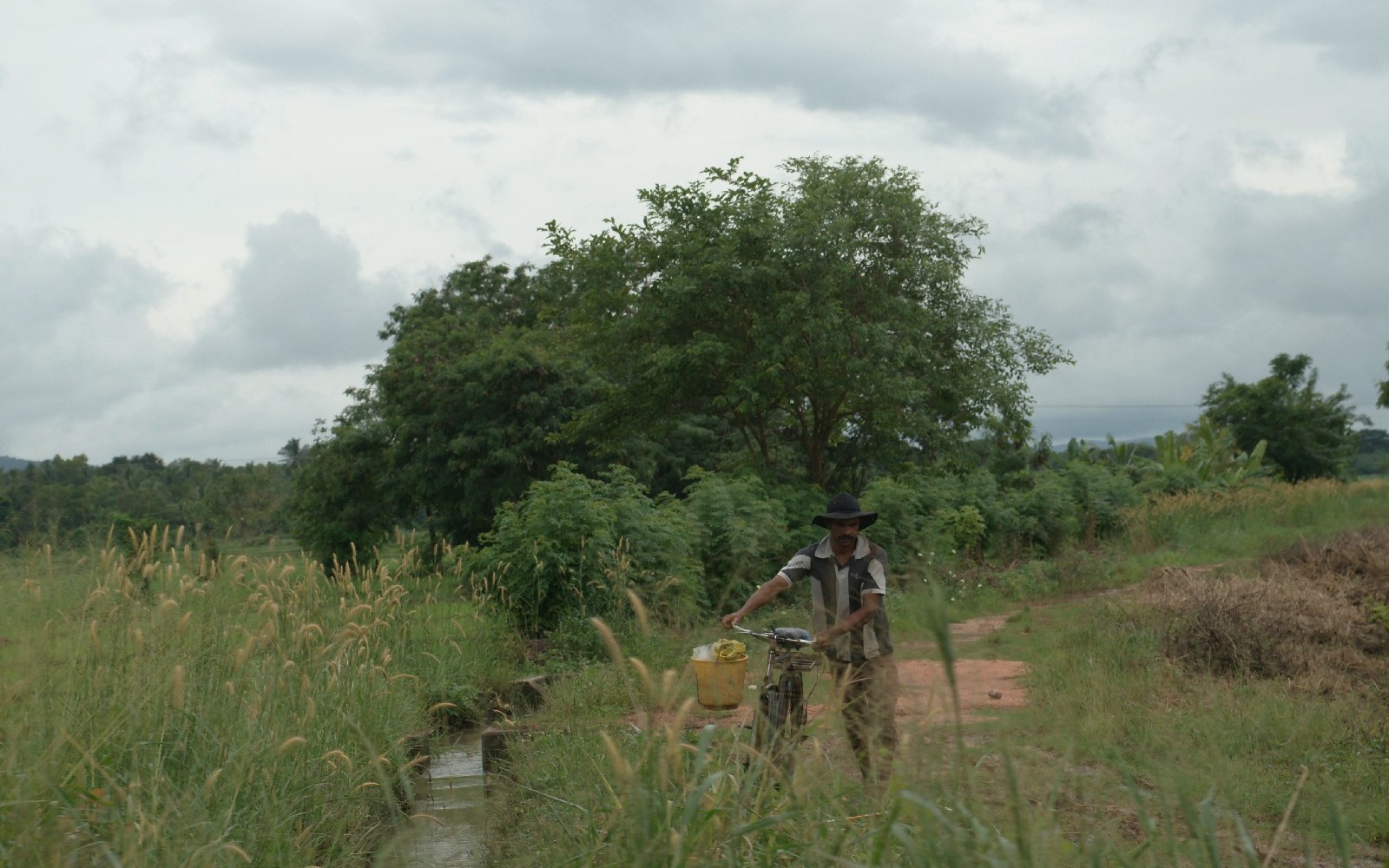
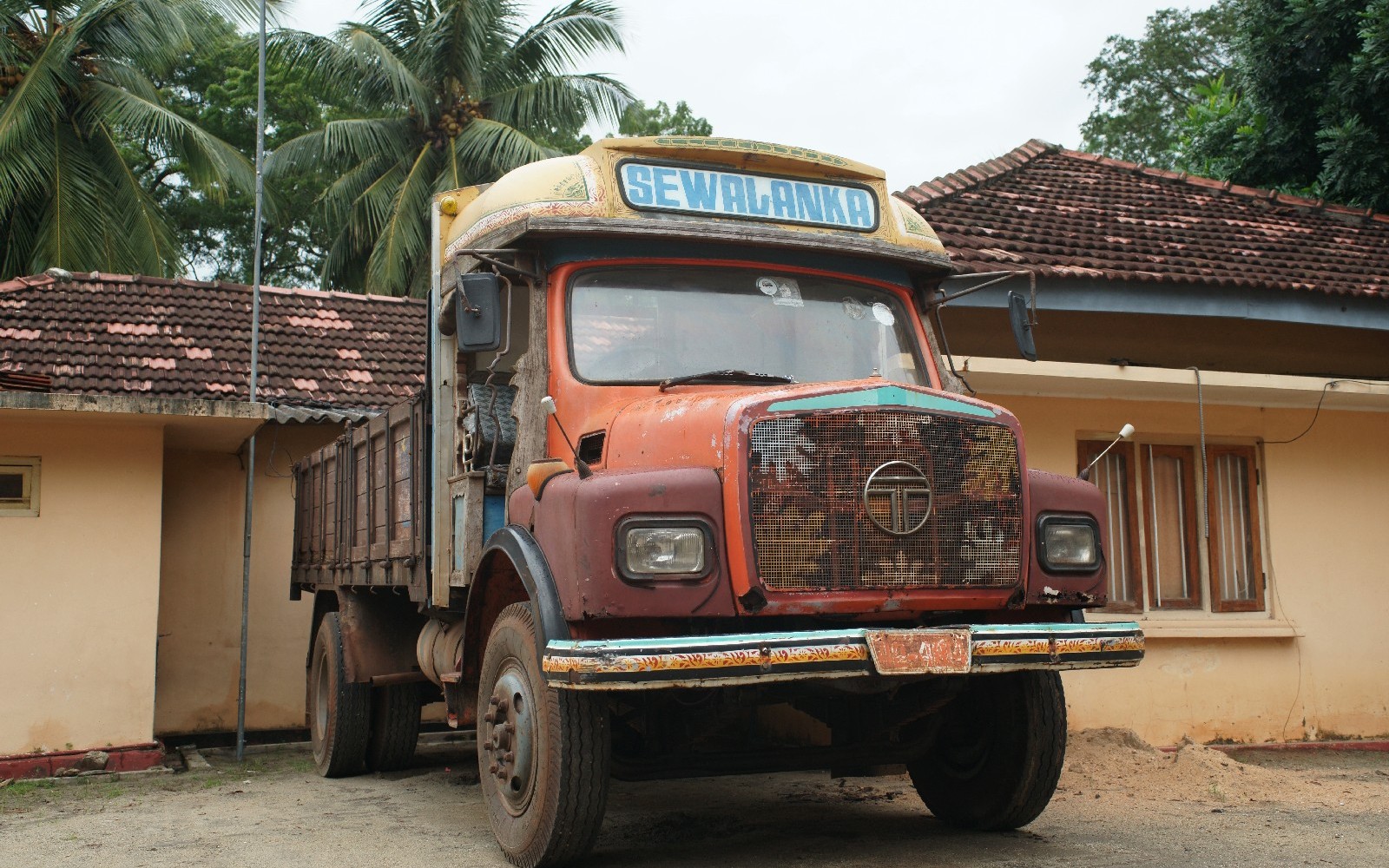
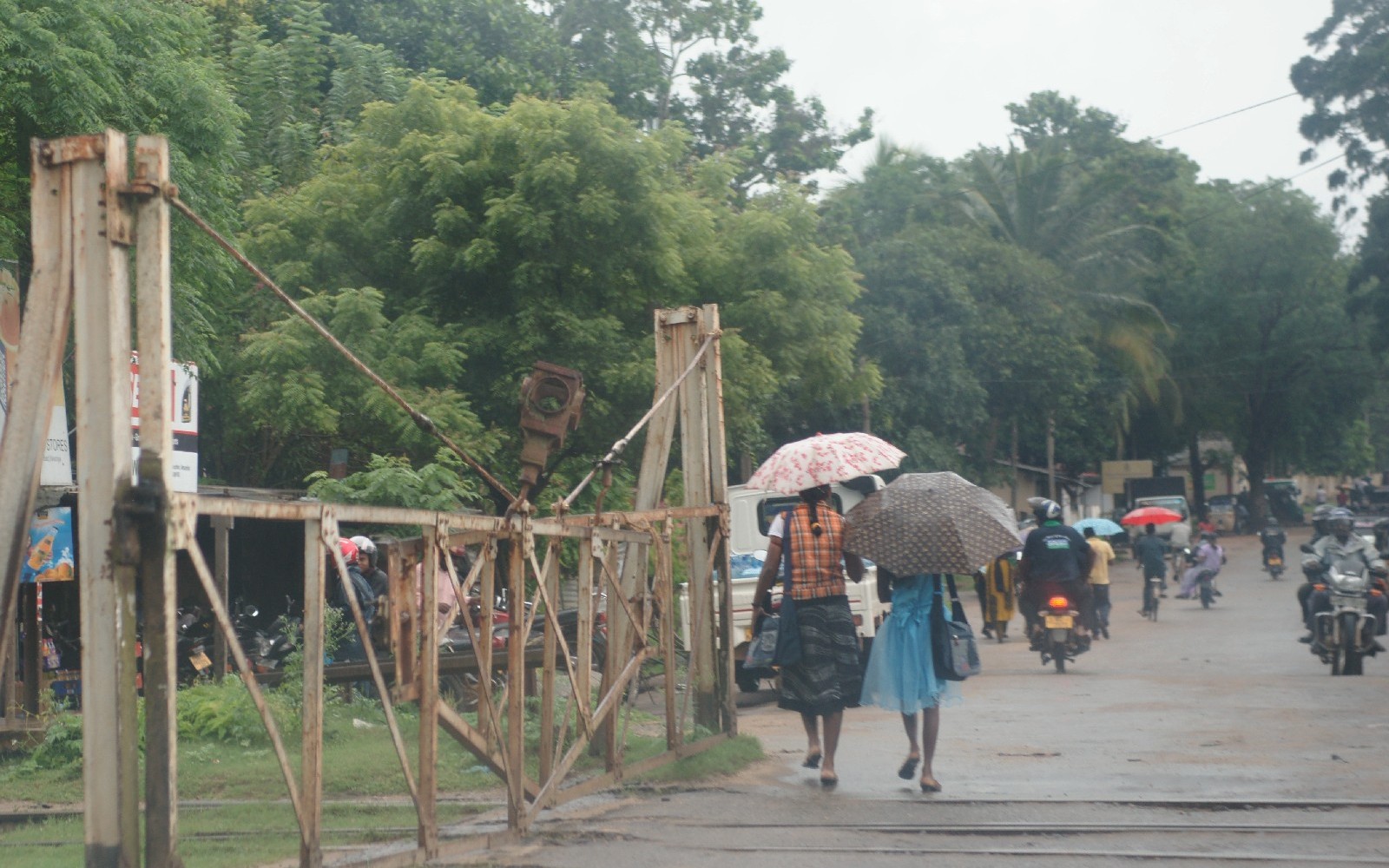
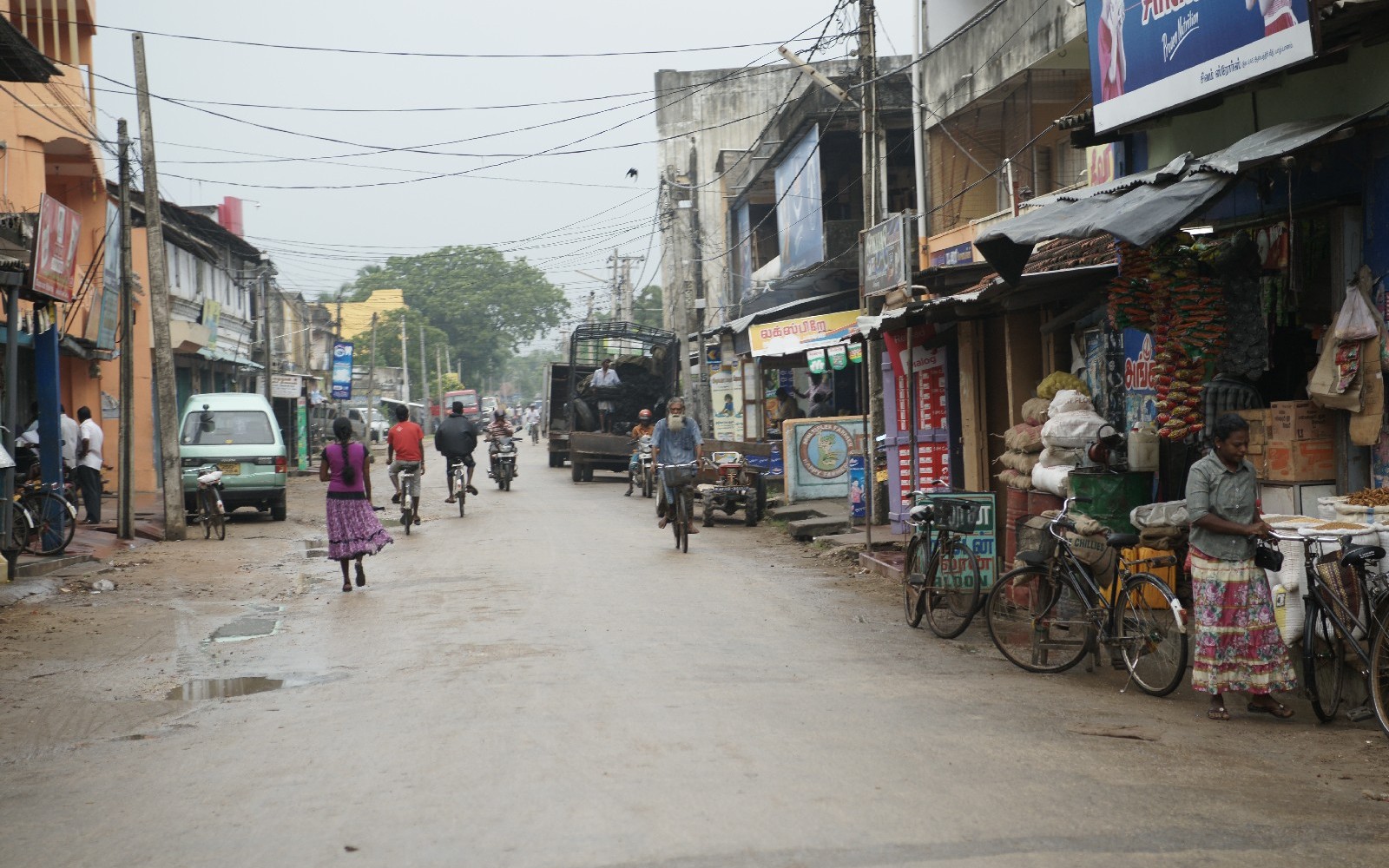
Colombo, Kandy, Jaffna, Trincomalea, Batticaloa, Galle, Merissa

The Tamil Tigers are gone and the civil war has ended. officially. But it is still a torn country with diverse interests. I was here 24 years ago.


Civil War End – Sri Lanka


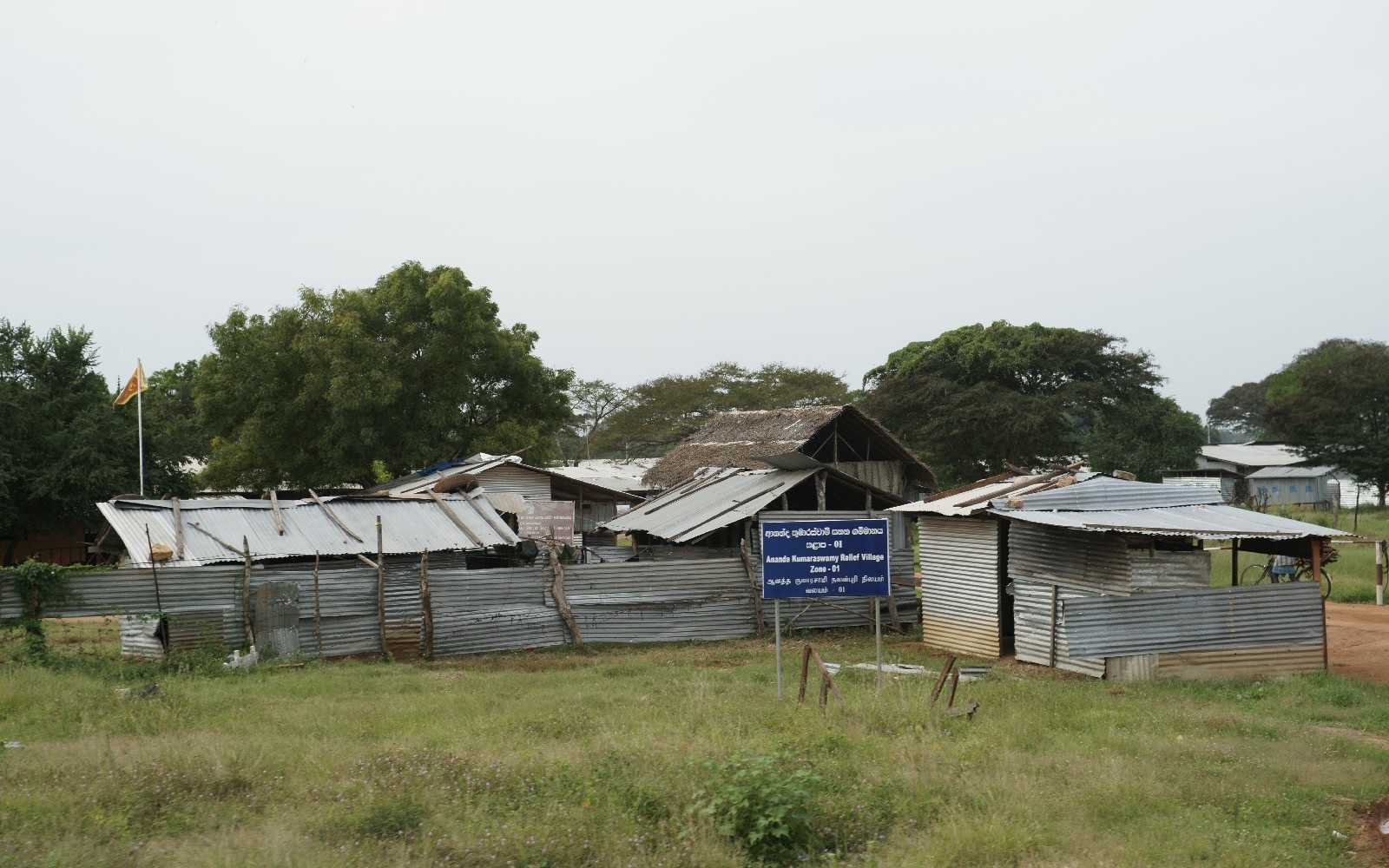
The situation: The final stages of the Sri Lankan Civil War created 300,000 internally displaced persons (IDPs) who were transferred to camps in Vavuniya District and detained there against their will. This process, together with conditions inside the camps and the slow progress of resettlement attracted much concern and criticism from inside and outside Sri Lanka.

Although camps have been removed as of April 2015 as many as 13,459 families, accounting for 44,934 persons, were yet to be resettled and houses for them are still under construction.

  • Although camps have been removed as of April 2015 as many as 13,459 families, accounting for 44,934 persons, were yet to be resettled and houses for them are still under construction.
  • Although camps have been removed as of April 2015 as many as 13,459 families, accounting for 44,934 persons, were yet to be resettled and houses for them are still under construction.
  • Although camps have been removed as of April 2015 as many as 13,459 families, accounting for 44,934 persons, were yet to be resettled and houses for them are still under construction.
  • Although camps have been removed as of April 2015 as many as 13,459 families, accounting for 44,934 persons, were yet to be resettled and houses for them are still under construction.
  • Although camps have been removed as of April 2015 as many as 13,459 families, accounting for 44,934 persons, were yet to be resettled and houses for them are still under construction.
  • Although camps have been removed as of April 2015 as many as 13,459 families, accounting for 44,934 persons, were yet to be resettled and houses for them are still under construction.
  • Although camps have been removed as of April 2015 as many as 13,459 families, accounting for 44,934 persons, were yet to be resettled and houses for them are still under construction.
  • Although camps have been removed as of April 2015 as many as 13,459 families, accounting for 44,934 persons, were yet to be resettled and houses for them are still under construction.
  • Although camps have been removed as of April 2015 as many as 13,459 families, accounting for 44,934 persons, were yet to be resettled and houses for them are still under construction.
  • Although camps have been removed as of April 2015 as many as 13,459 families, accounting for 44,934 persons, were yet to be resettled and houses for them are still under construction.
  • Although camps have been removed as of April 2015 as many as 13,459 families, accounting for 44,934 persons, were yet to be resettled and houses for them are still under construction.
  • Although camps have been removed as of April 2015 as many as 13,459 families, accounting for 44,934 persons, were yet to be resettled and houses for them are still under construction.
  • Although camps have been removed as of April 2015 as many as 13,459 families, accounting for 44,934 persons, were yet to be resettled and houses for them are still under construction.
  • Although camps have been removed as of April 2015 as many as 13,459 families, accounting for 44,934 persons, were yet to be resettled and houses for them are still under construction.
  • Although camps have been removed as of April 2015 as many as 13,459 families, accounting for 44,934 persons, were yet to be resettled and houses for them are still under construction.
  • Although camps have been removed as of April 2015 as many as 13,459 families, accounting for 44,934 persons, were yet to be resettled and houses for them are still under construction.
  • Although camps have been removed as of April 2015 as many as 13,459 families, accounting for 44,934 persons, were yet to be resettled and houses for them are still under construction.
  • Although camps have been removed as of April 2015 as many as 13,459 families, accounting for 44,934 persons, were yet to be resettled and houses for them are still under construction.
  • Although camps have been removed as of April 2015 as many as 13,459 families, accounting for 44,934 persons, were yet to be resettled and houses for them are still under construction.
  • Although camps have been removed as of April 2015 as many as 13,459 families, accounting for 44,934 persons, were yet to be resettled and houses for them are still under construction.
  • Although camps have been removed as of April 2015 as many as 13,459 families, accounting for 44,934 persons, were yet to be resettled and houses for them are still under construction.
  • Although camps have been removed as of April 2015 as many as 13,459 families, accounting for 44,934 persons, were yet to be resettled and houses for them are still under construction.
  • Although camps have been removed as of April 2015 as many as 13,459 families, accounting for 44,934 persons, were yet to be resettled and houses for them are still under construction.
  • Although camps have been removed as of April 2015 as many as 13,459 families, accounting for 44,934 persons, were yet to be resettled and houses for them are still under construction.
  • Although camps have been removed as of April 2015 as many as 13,459 families, accounting for 44,934 persons, were yet to be resettled and houses for them are still under construction.
  • Although camps have been removed as of April 2015 as many as 13,459 families, accounting for 44,934 persons, were yet to be resettled and houses for them are still under construction.
  • Although camps have been removed as of April 2015 as many as 13,459 families, accounting for 44,934 persons, were yet to be resettled and houses for them are still under construction.
  • Although camps have been removed as of April 2015 as many as 13,459 families, accounting for 44,934 persons, were yet to be resettled and houses for them are still under construction.
  • Although camps have been removed as of April 2015 as many as 13,459 families, accounting for 44,934 persons, were yet to be resettled and houses for them are still under construction.
  • Although camps have been removed as of April 2015 as many as 13,459 families, accounting for 44,934 persons, were yet to be resettled and houses for them are still under construction.
  • Although camps have been removed as of April 2015 as many as 13,459 families, accounting for 44,934 persons, were yet to be resettled and houses for them are still under construction.
  • Although camps have been removed as of April 2015 as many as 13,459 families, accounting for 44,934 persons, were yet to be resettled and houses for them are still under construction.
  • Although camps have been removed as of April 2015 as many as 13,459 families, accounting for 44,934 persons, were yet to be resettled and houses for them are still under construction.
  • Although camps have been removed as of April 2015 as many as 13,459 families, accounting for 44,934 persons, were yet to be resettled and houses for them are still under construction.
  • Although camps have been removed as of April 2015 as many as 13,459 families, accounting for 44,934 persons, were yet to be resettled and houses for them are still under construction.
  • Although camps have been removed as of April 2015 as many as 13,459 families, accounting for 44,934 persons, were yet to be resettled and houses for them are still under construction.
  • Although camps have been removed as of April 2015 as many as 13,459 families, accounting for 44,934 persons, were yet to be resettled and houses for them are still under construction.
  • Although camps have been removed as of April 2015 as many as 13,459 families, accounting for 44,934 persons, were yet to be resettled and houses for them are still under construction.
  • Although camps have been removed as of April 2015 as many as 13,459 families, accounting for 44,934 persons, were yet to be resettled and houses for them are still under construction.
  • Although camps have been removed as of April 2015 as many as 13,459 families, accounting for 44,934 persons, were yet to be resettled and houses for them are still under construction.
  • Although camps have been removed as of April 2015 as many as 13,459 families, accounting for 44,934 persons, were yet to be resettled and houses for them are still under construction.
  • Although camps have been removed as of April 2015 as many as 13,459 families, accounting for 44,934 persons, were yet to be resettled and houses for them are still under construction.
  • Although camps have been removed as of April 2015 as many as 13,459 families, accounting for 44,934 persons, were yet to be resettled and houses for them are still under construction.
  • Although camps have been removed as of April 2015 as many as 13,459 families, accounting for 44,934 persons, were yet to be resettled and houses for them are still under construction.
  • Although camps have been removed as of April 2015 as many as 13,459 families, accounting for 44,934 persons, were yet to be resettled and houses for them are still under construction.
  • Although camps have been removed as of April 2015 as many as 13,459 families, accounting for 44,934 persons, were yet to be resettled and houses for them are still under construction.
  • Although camps have been removed as of April 2015 as many as 13,459 families, accounting for 44,934 persons, were yet to be resettled and houses for them are still under construction.
  • Although camps have been removed as of April 2015 as many as 13,459 families, accounting for 44,934 persons, were yet to be resettled and houses for them are still under construction.
  • Although camps have been removed as of April 2015 as many as 13,459 families, accounting for 44,934 persons, were yet to be resettled and houses for them are still under construction.
  • Although camps have been removed as of April 2015 as many as 13,459 families, accounting for 44,934 persons, were yet to be resettled and houses for them are still under construction.
  • Although camps have been removed as of April 2015 as many as 13,459 families, accounting for 44,934 persons, were yet to be resettled and houses for them are still under construction.
  • Although camps have been removed as of April 2015 as many as 13,459 families, accounting for 44,934 persons, were yet to be resettled and houses for them are still under construction.
  • Although camps have been removed as of April 2015 as many as 13,459 families, accounting for 44,934 persons, were yet to be resettled and houses for them are still under construction.
  • Although camps have been removed as of April 2015 as many as 13,459 families, accounting for 44,934 persons, were yet to be resettled and houses for them are still under construction.
  • Although camps have been removed as of April 2015 as many as 13,459 families, accounting for 44,934 persons, were yet to be resettled and houses for them are still under construction.
  • Although camps have been removed as of April 2015 as many as 13,459 families, accounting for 44,934 persons, were yet to be resettled and houses for them are still under construction.
  • Although camps have been removed as of April 2015 as many as 13,459 families, accounting for 44,934 persons, were yet to be resettled and houses for them are still under construction.
  • Although camps have been removed as of April 2015 as many as 13,459 families, accounting for 44,934 persons, were yet to be resettled and houses for them are still under construction.
  • Although camps have been removed as of April 2015 as many as 13,459 families, accounting for 44,934 persons, were yet to be resettled and houses for them are still under construction.
  • Although camps have been removed as of April 2015 as many as 13,459 families, accounting for 44,934 persons, were yet to be resettled and houses for them are still under construction.
  • Although camps have been removed as of April 2015 as many as 13,459 families, accounting for 44,934 persons, were yet to be resettled and houses for them are still under construction.
  • Although camps have been removed as of April 2015 as many as 13,459 families, accounting for 44,934 persons, were yet to be resettled and houses for them are still under construction.
  • Although camps have been removed as of April 2015 as many as 13,459 families, accounting for 44,934 persons, were yet to be resettled and houses for them are still under construction.
  • Although camps have been removed as of April 2015 as many as 13,459 families, accounting for 44,934 persons, were yet to be resettled and houses for them are still under construction.
  • Although camps have been removed as of April 2015 as many as 13,459 families, accounting for 44,934 persons, were yet to be resettled and houses for them are still under construction.
  • Although camps have been removed as of April 2015 as many as 13,459 families, accounting for 44,934 persons, were yet to be resettled and houses for them are still under construction.
  • Although camps have been removed as of April 2015 as many as 13,459 families, accounting for 44,934 persons, were yet to be resettled and houses for them are still under construction.
  • Although camps have been removed as of April 2015 as many as 13,459 families, accounting for 44,934 persons, were yet to be resettled and houses for them are still under construction.
  • Although camps have been removed as of April 2015 as many as 13,459 families, accounting for 44,934 persons, were yet to be resettled and houses for them are still under construction.


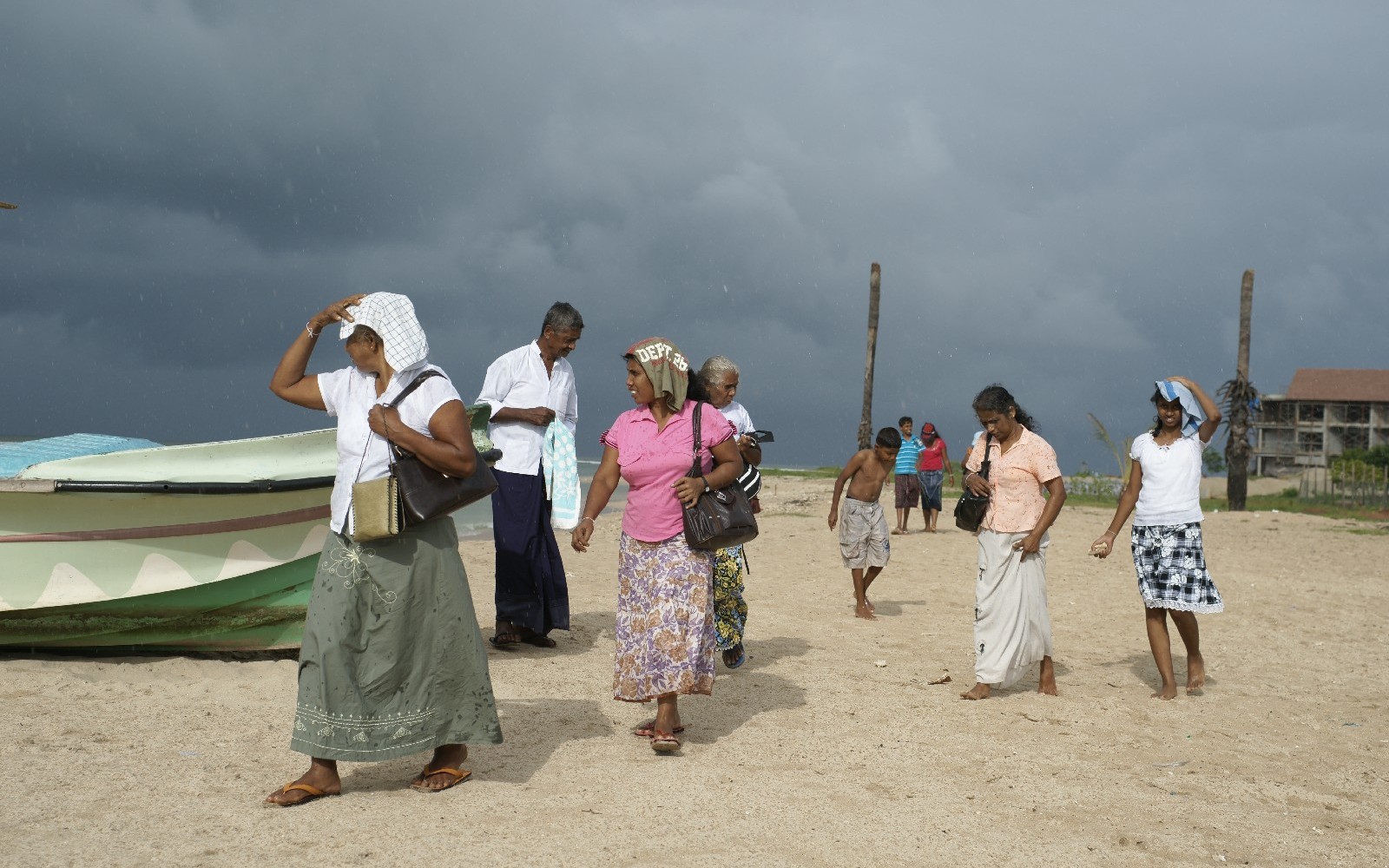
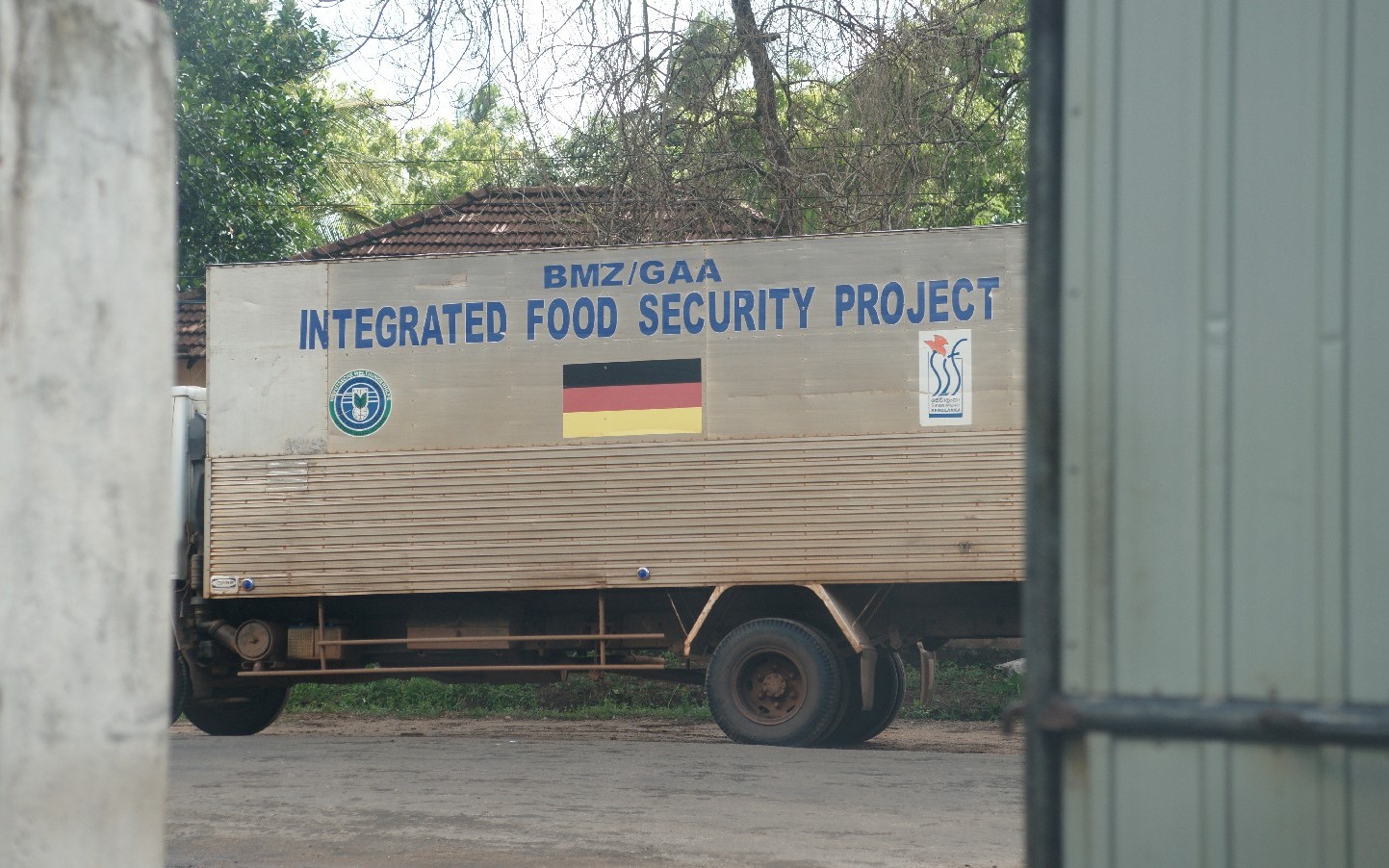
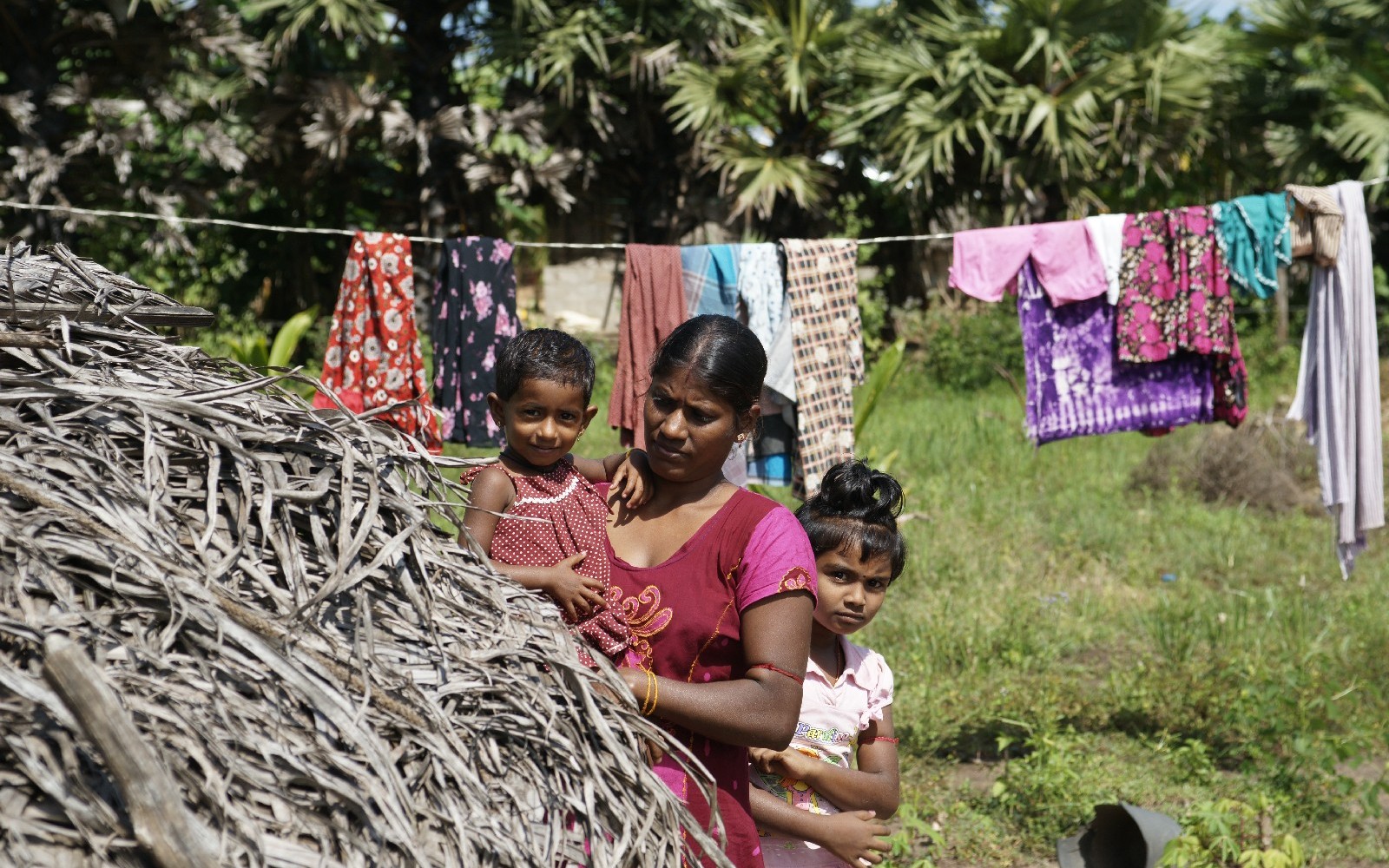
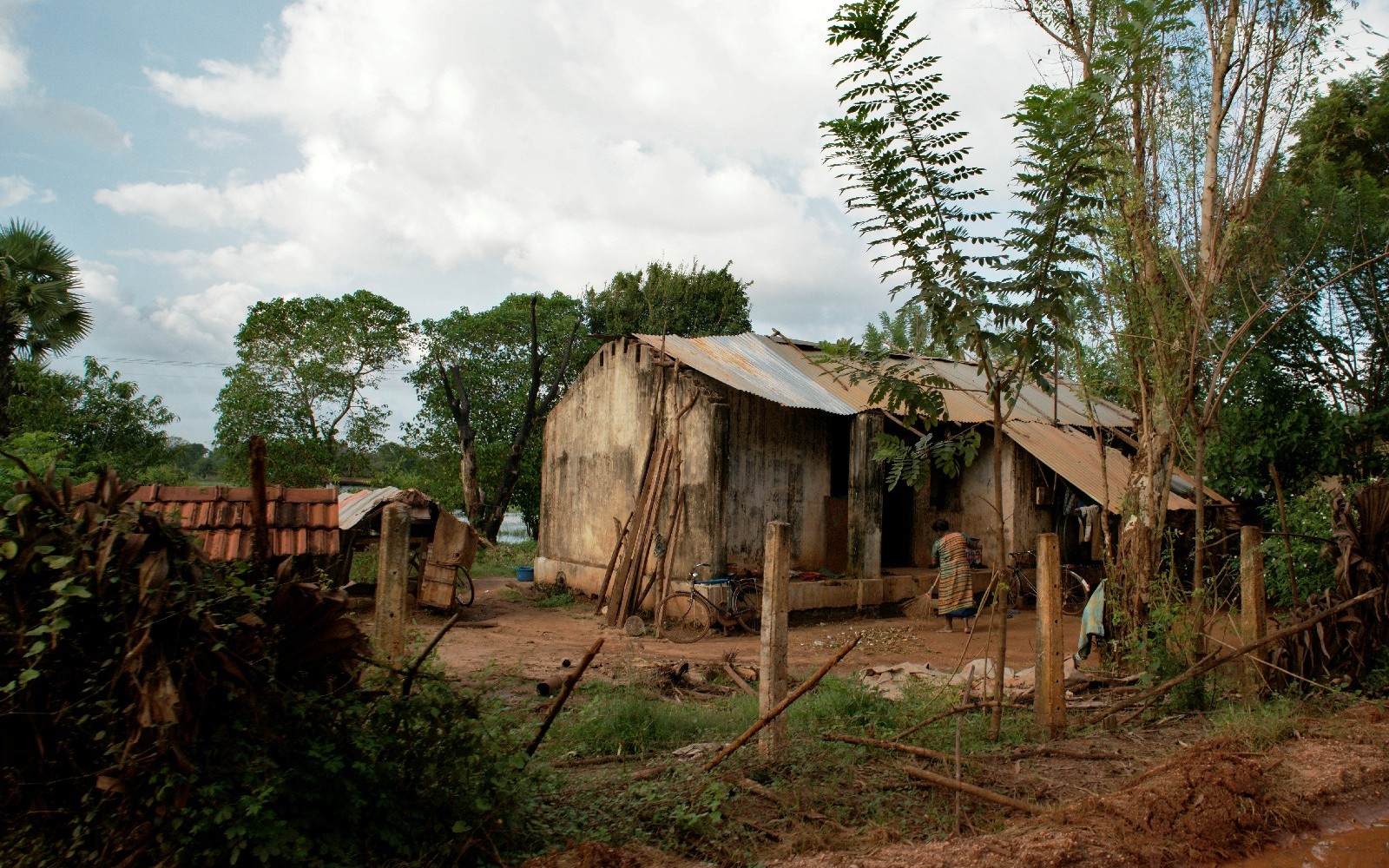
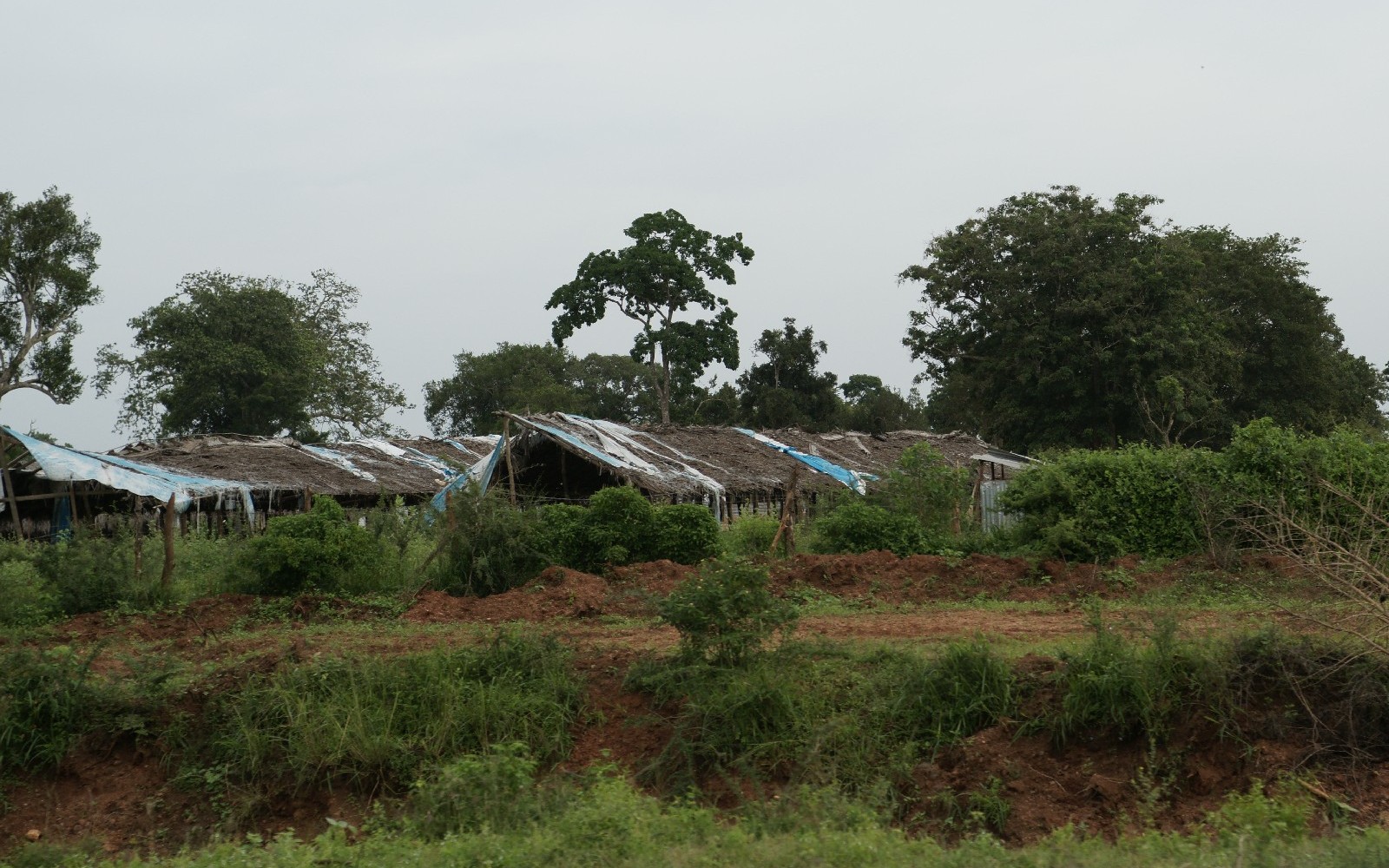
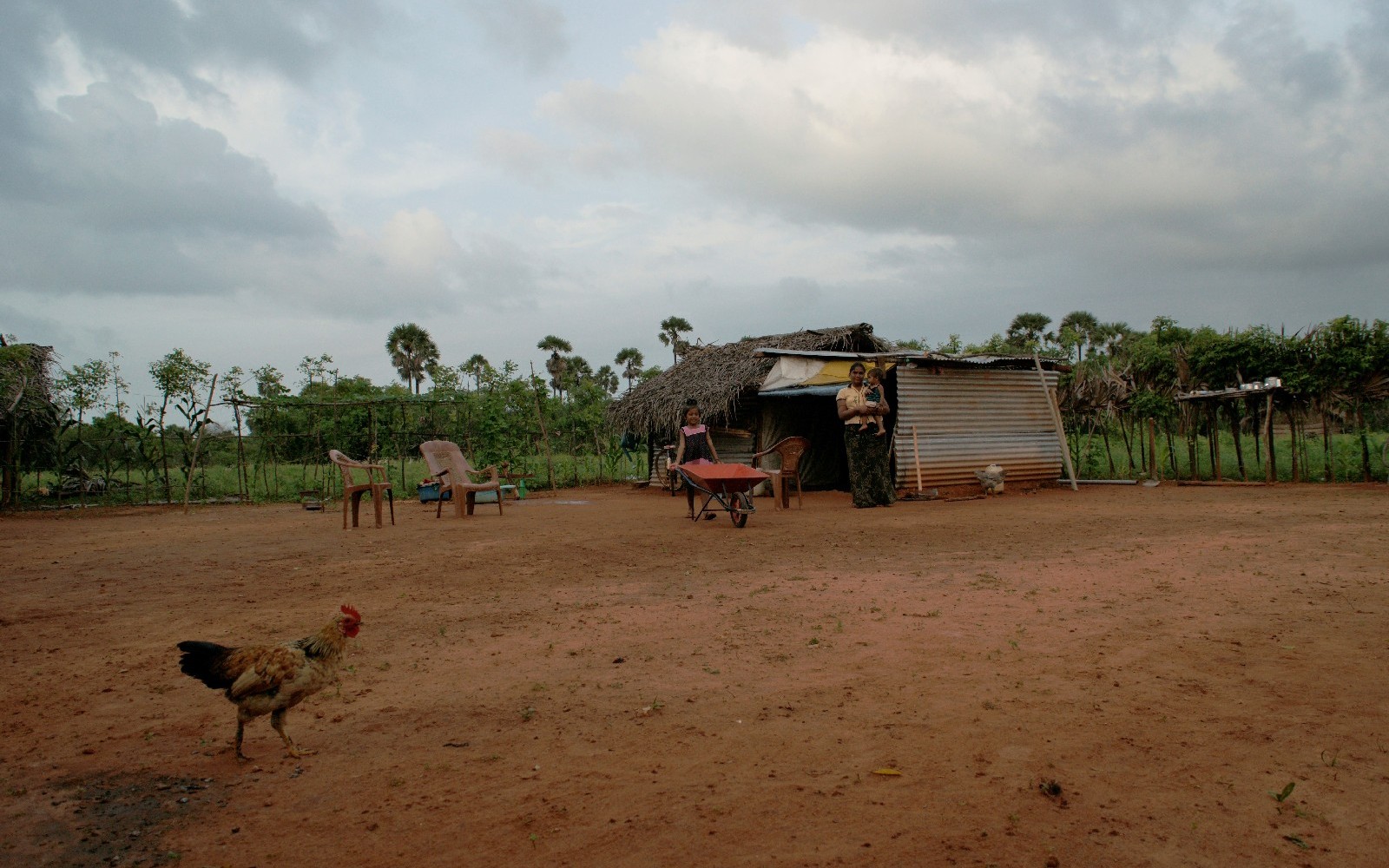
The Omadiyamadu villagers have been relocated many times during the civil war and live again in temporary shelters in 2011. The villagers have limited access to electricity. Some have solar energy panels that were provided to them mounted on their roofs. They also have limited access to fresh water during the dry season.
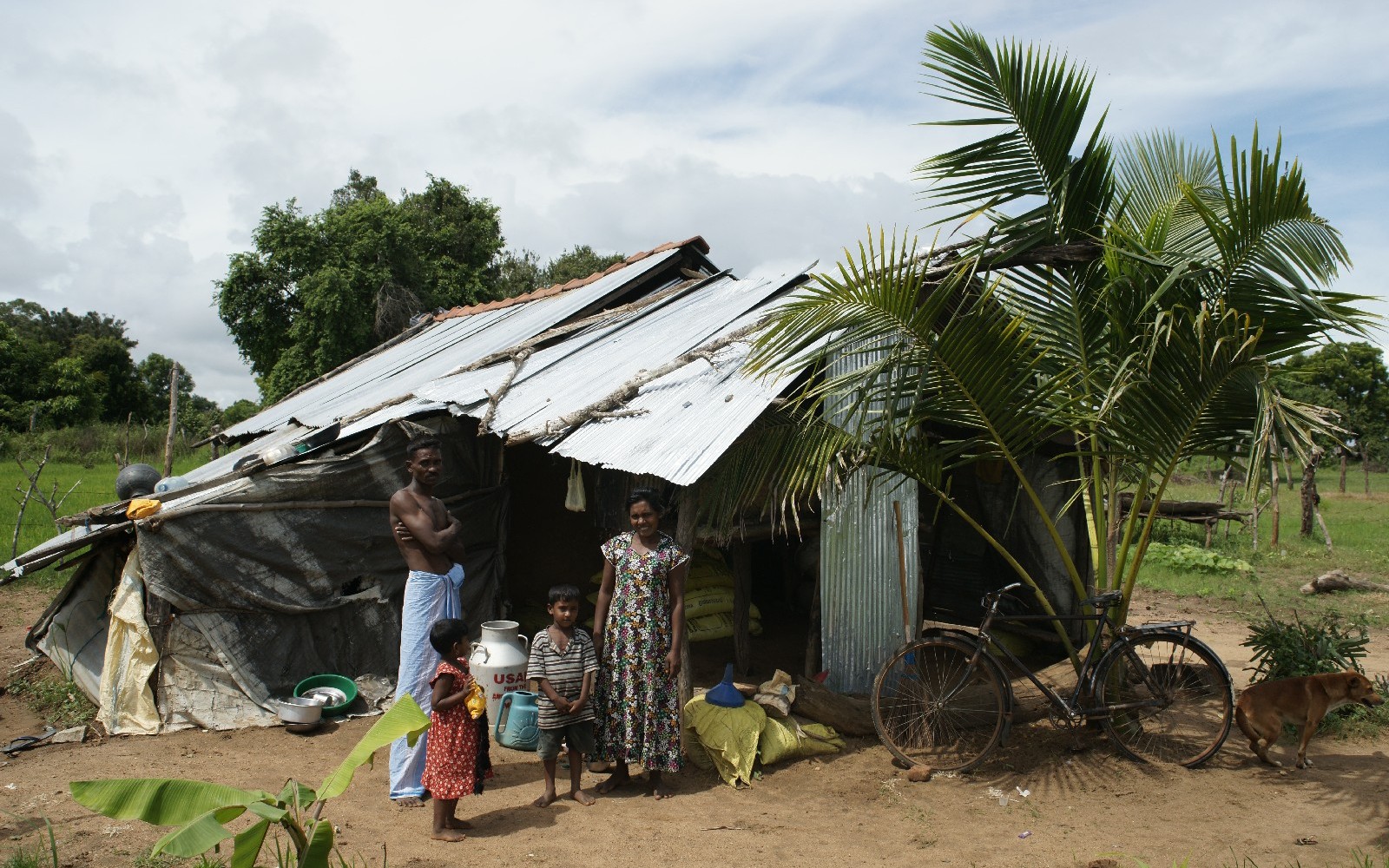
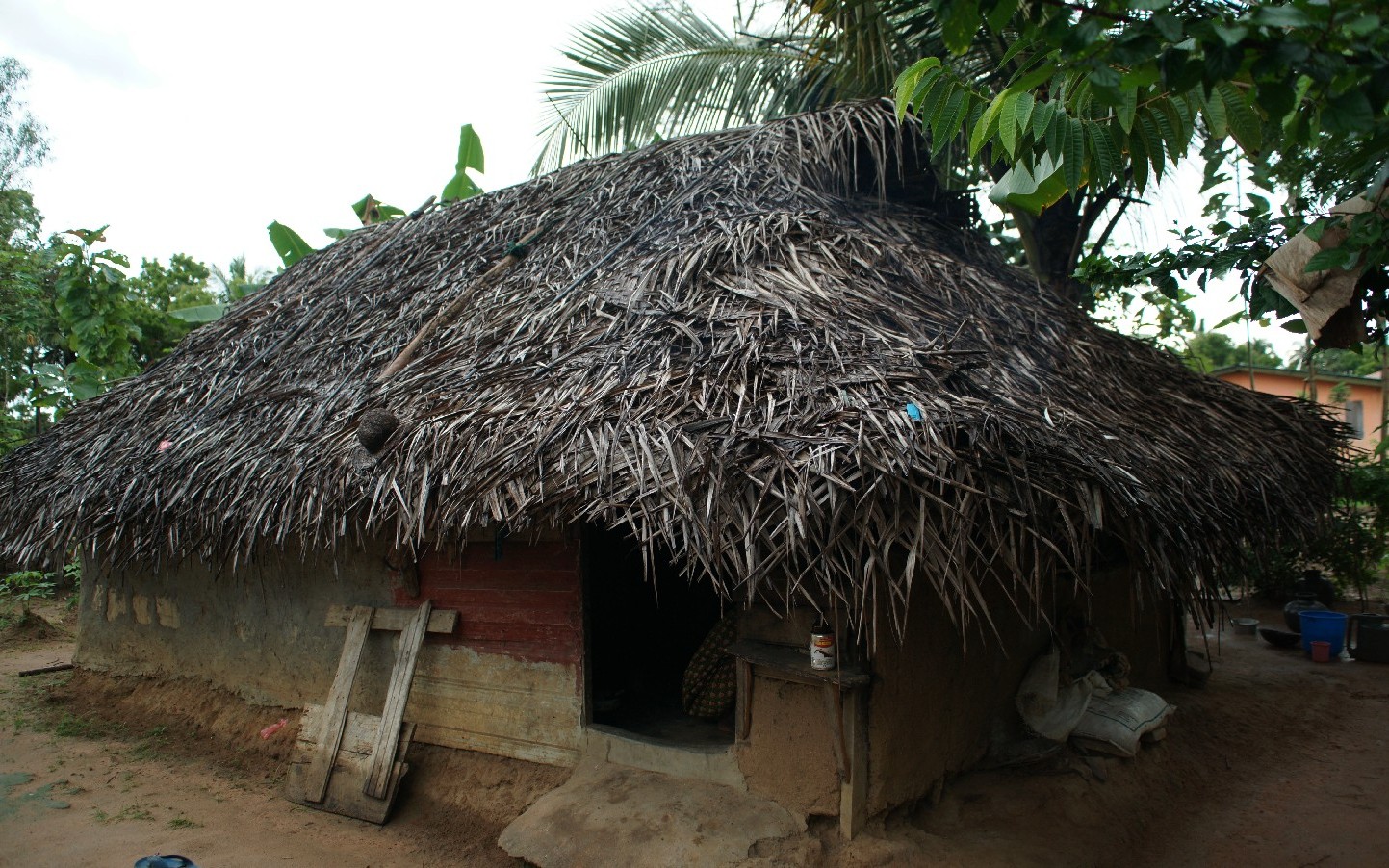
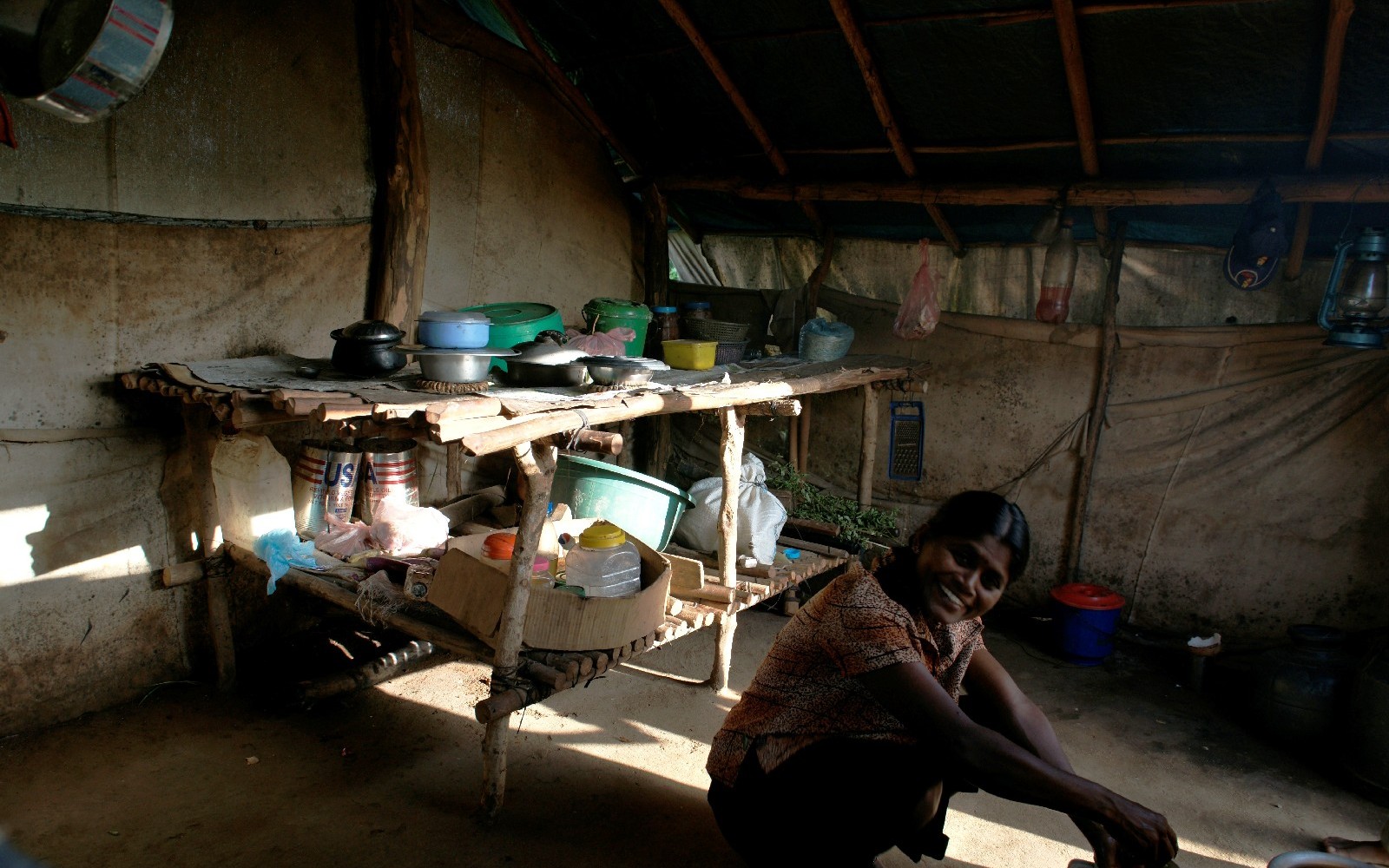
Some of the people have lived in their temporary homes for as long as 10 years -simple structures made of wood and metal sheets. Their huts are 6 to 12 square meters; they sleep on the mud floors, mostly on straw mats. Poisonous snakes are a constant threat because the huts do not provide any kind of protection.

Moreover, as there is no money for lamp oil, the villagers cannot leave a lamp on overnight to fend off the snakes and rats. I met a family whose son was suffering from malaria. Doctors and medicine are far away, so often people die from malaria or dengue. The family of this malaria sick boy does not have a mosquito net, so the rest of the family could be next.
The villagers don’t trust the peace; they do not believe that the constant moving and resettling during the civil war might finally have found an end.
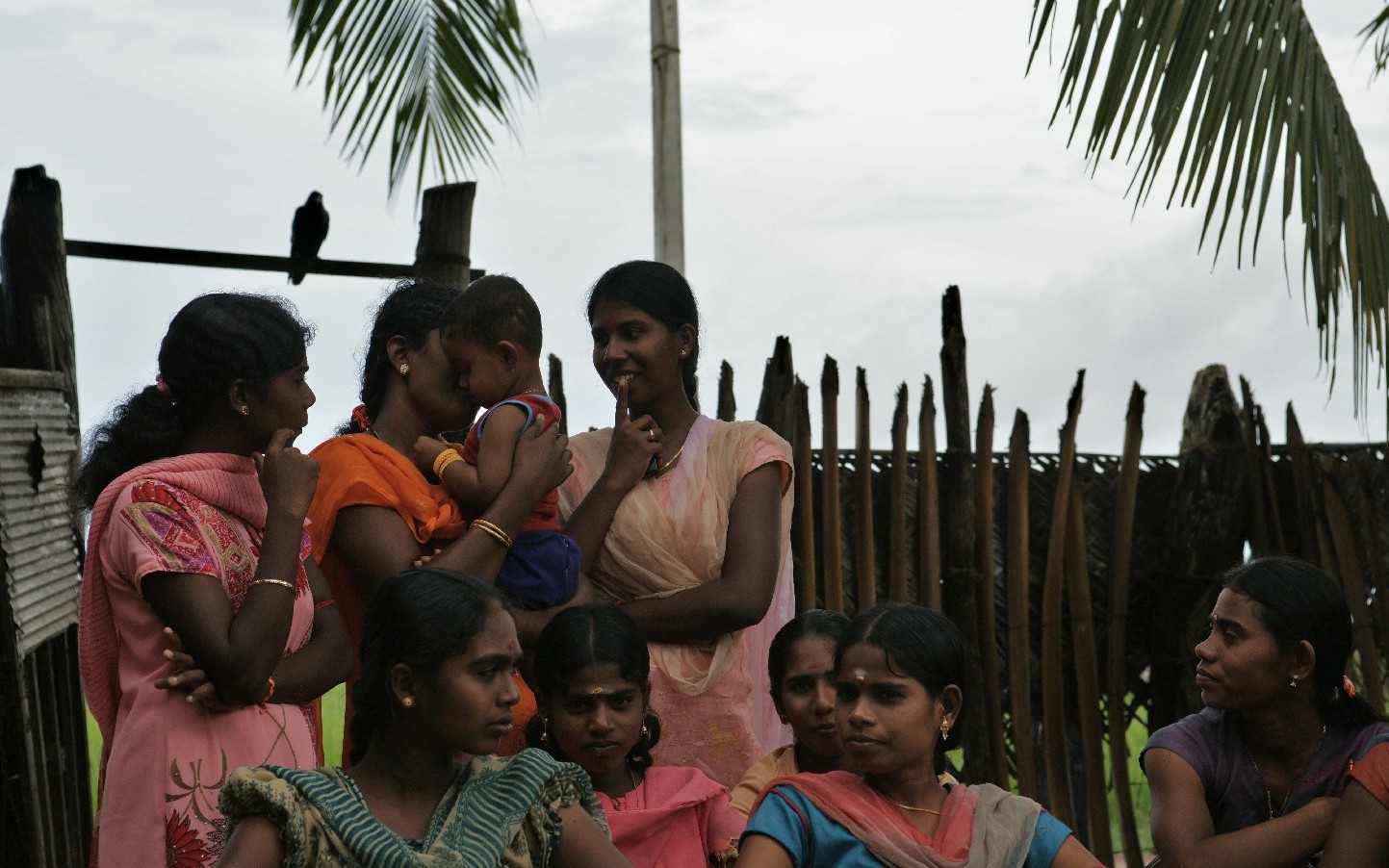
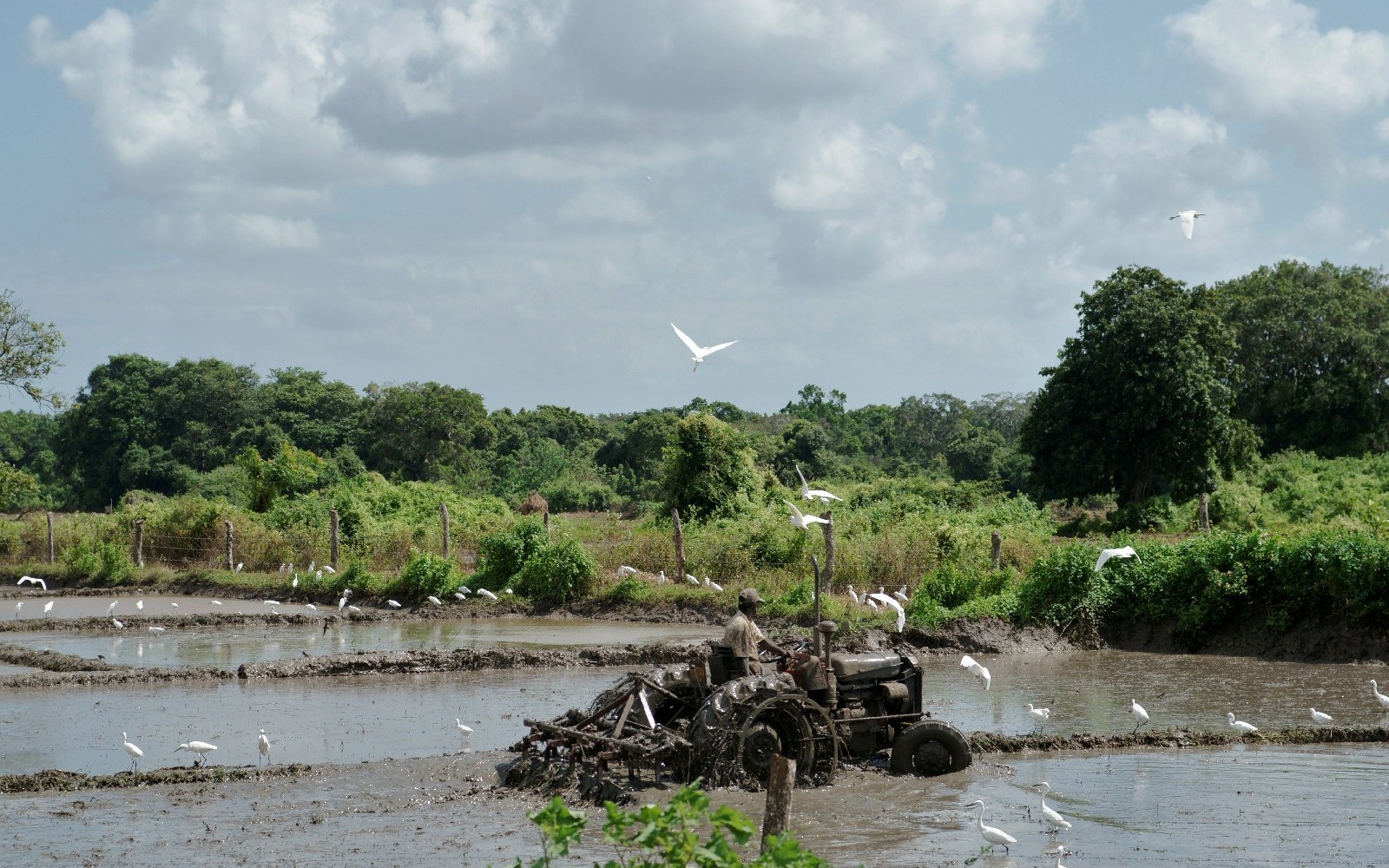
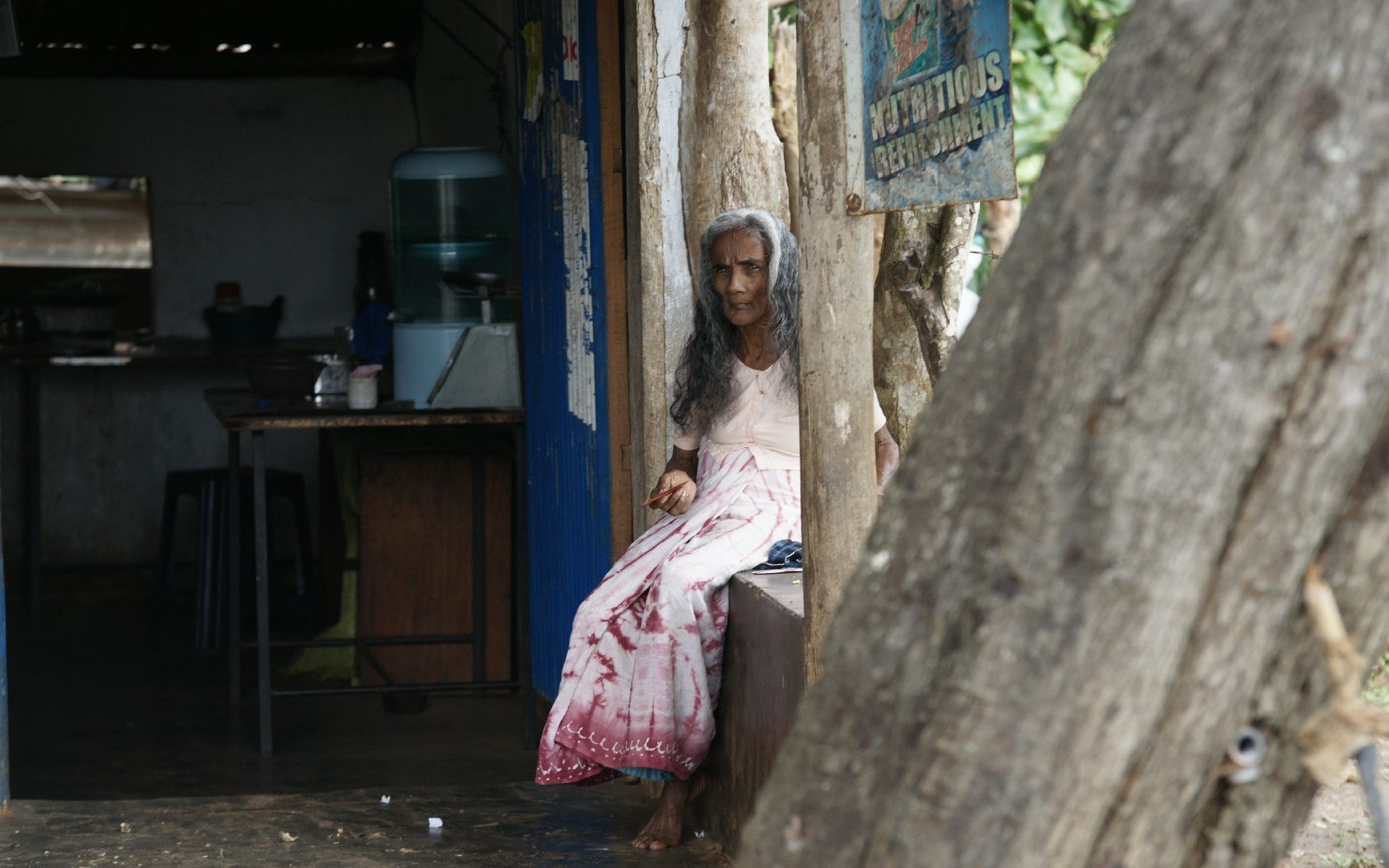
Old and young women who lost their husbands and often also their children seemed to be left alone with their daily duties. Since everyone has to struggle for their day to day survival, the woman-headed households are at the end of the chain. They are avoided by the other villagers,  considered to attract bad luck. Another big threat for the Omadiyamadu villagers is the wild elephants that come at night and destroy their paddies and fields and attack their flimsy homes to get to the families’ food storage inside. People do get killed by elephants regularly. People are scared of them and they place their hopes on the government to build elephant fences. All of this is happening 20 kilometers away from the big city of Batticaloa.

Batticaloa was once a LTTE headquarters. The villagers were mostly very shy, but answered my questions politely. People are not used to speaking openly: they are still scared and suspicious. The people could not speak out when the LTTE was in charge and they still think they cannot speak out because the government might not like what they say. The people in the east of Sri Lanka have to get along with each other, whether they were LTTE soldiers, former LTTE leaders or just civilians. Now they are supposed to build a village together and live in peace. Right now, killers, soldiers, abductors and victims live door to door. Examples of self-administered justice is endless and not publicly talked about.
There is the hidden issue of Singhalese who envy the attention and financial funding Tamil families are getting from foreign NGOs. Since regular Singhalese families also went through a lot of hardship during the civil war, this creates new tensions as we speak.

In the Vavuniya district many areas have just been cleared by the government, so that the Tamils can move back to their land or home – at least in theory. Vavuniya also was a LTTE headquarters and was cleared after the East Coast Batticaloa Region.
Tamil people are now slowly moving back and need support to get their lives started again. Some families I visited in this area were lucky. They could go back to their formerly owned land and start rebuilding their lives. They all have to rebuild their homes, work their lands, plant crops and arrange themselves with their new neighbors.

The young children with them are traumatized by war: they hide by every loud bang and cling to their parents. They all have been through hardship, like having not enough to eat and living under poor hygienic conditions. During the war no education was possible for the children. Some of their kids were born in the infamous Manik Farm an Internally Displaced Persons (IDP)camp, under extreme poverty with soldiers patrolling and overseeing their every move.

A Tamil father said, if the war starts again, he would not resettle anymore. He wants to die here in his fields -he is 32 years old. For him, it is the end of all resettling -he will stick to his land and fight for it.
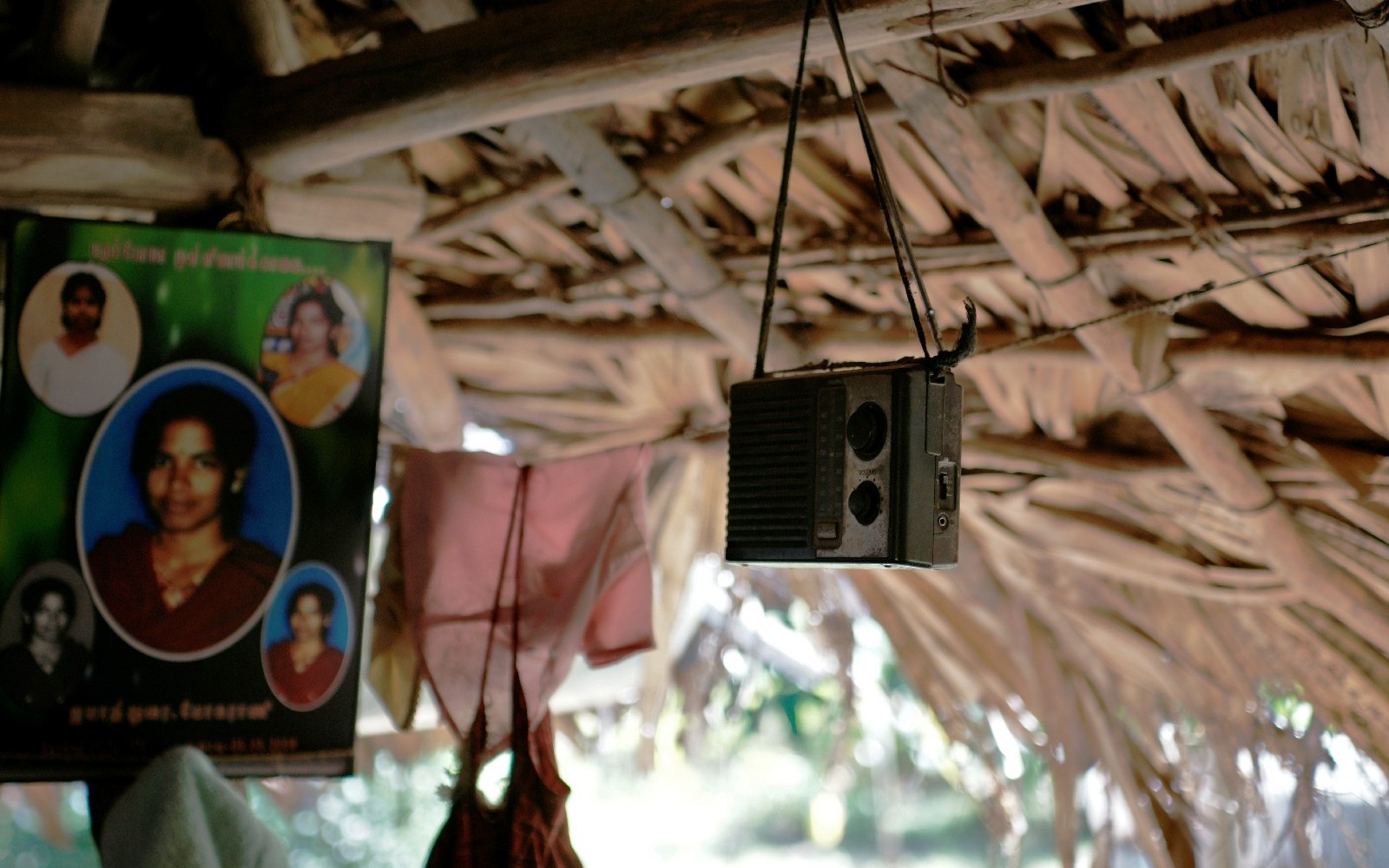
In the Vavuniya area, the elephants are a constant threat to the farmers. The father sleeps outside in a field hut, to fend off elephants together with his dog. The man makes noise by banging stones and sticks on a former ammunition metal box and lights up fireworks to scare the elephants away. This family has an academic background: the old father -war injuries left him disabled and depending on his son’s family -was a teacher. He spoke fluent English with me and told me that they are listening all the time to radio -to follow the news. During the war, there was no source of information no news, no radio, and no newspapers – and people spent a lot of time in bunkers. They do not trust the peace now.
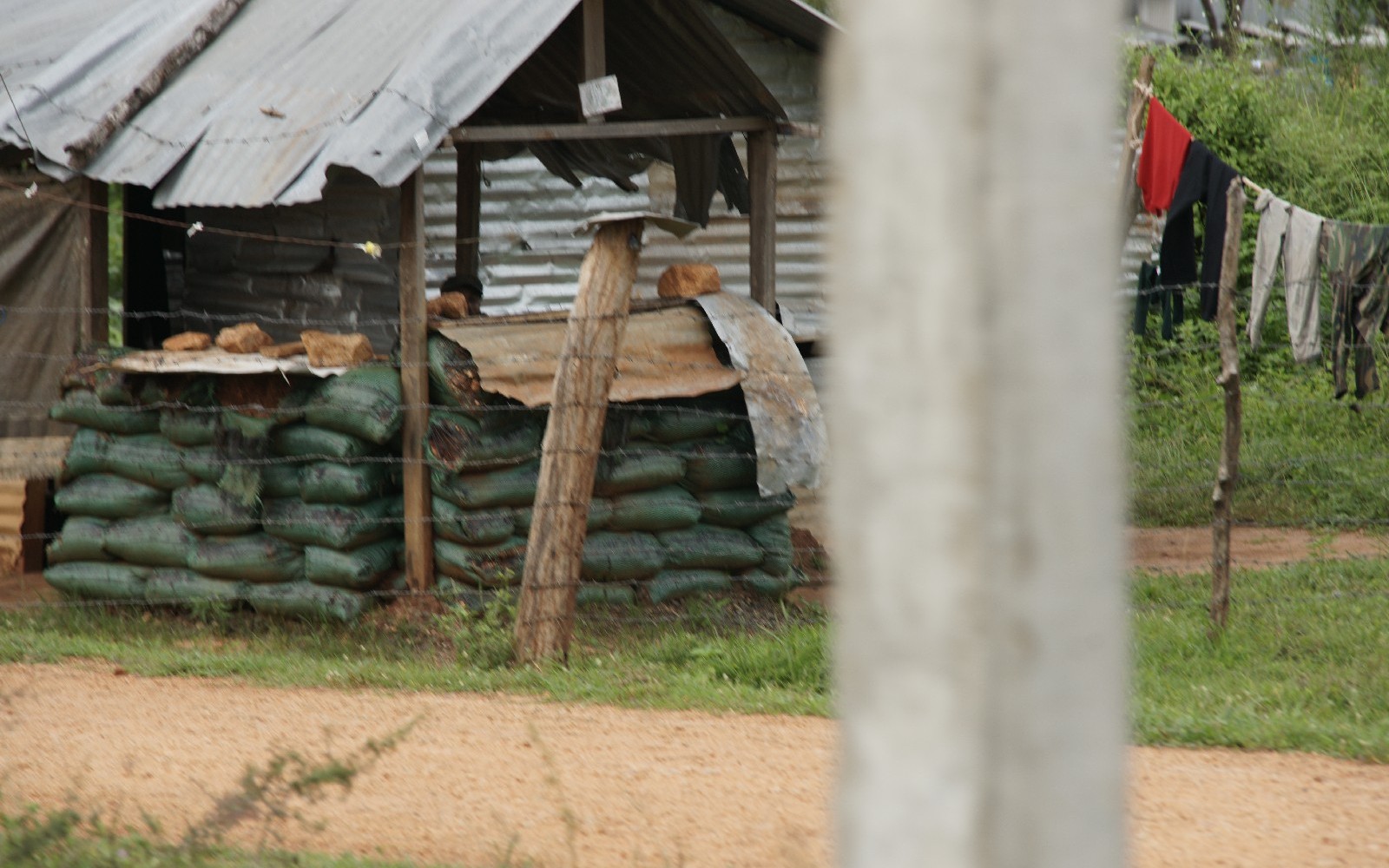
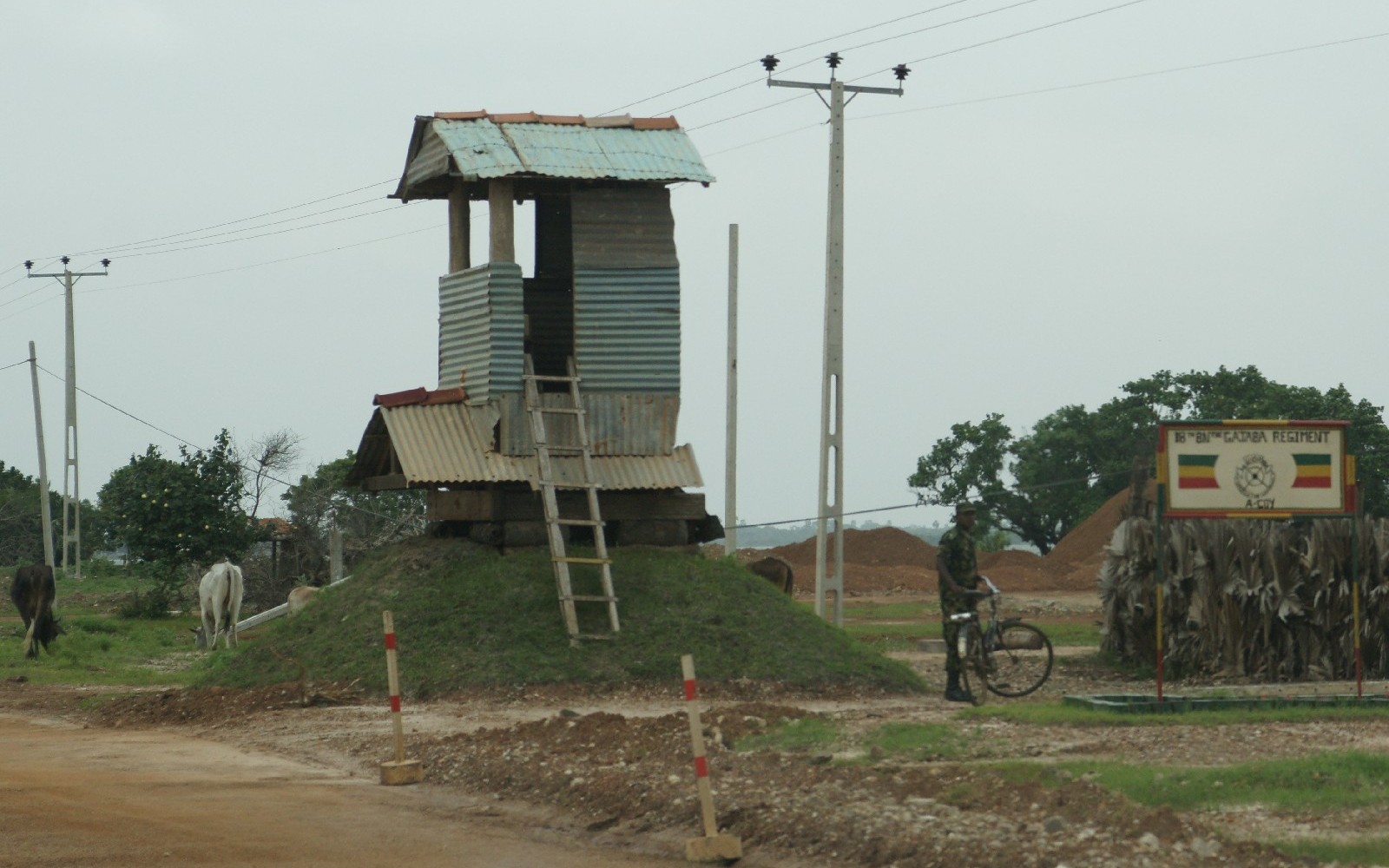
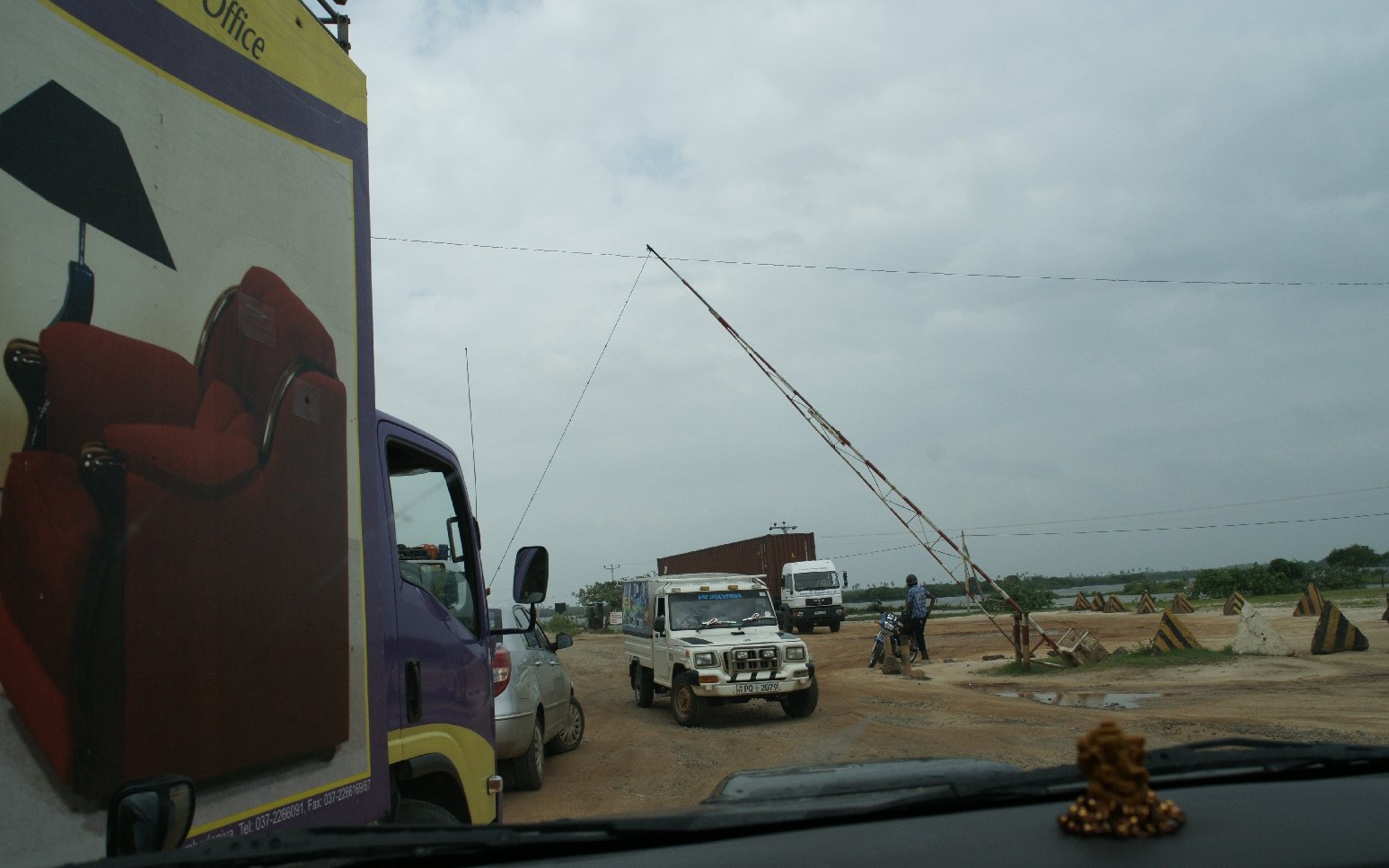
Nearby is a military check post -all military check posts are run by Singhalese soldiers, mainly youngsters from the south of Sri Lanka. They cannot communicate with them (different language) so just a rudimentary exchange is possible.

Otherwise the people stay worlds apart and do not like each other, to say the least. The people in this area are driven to succeed -the father rebuild a banana farm in 6 months. The Tamils’ success often makes the guarding soldiers jealous and aggressive. There are unreported cases of rape and extortion in those little villages.

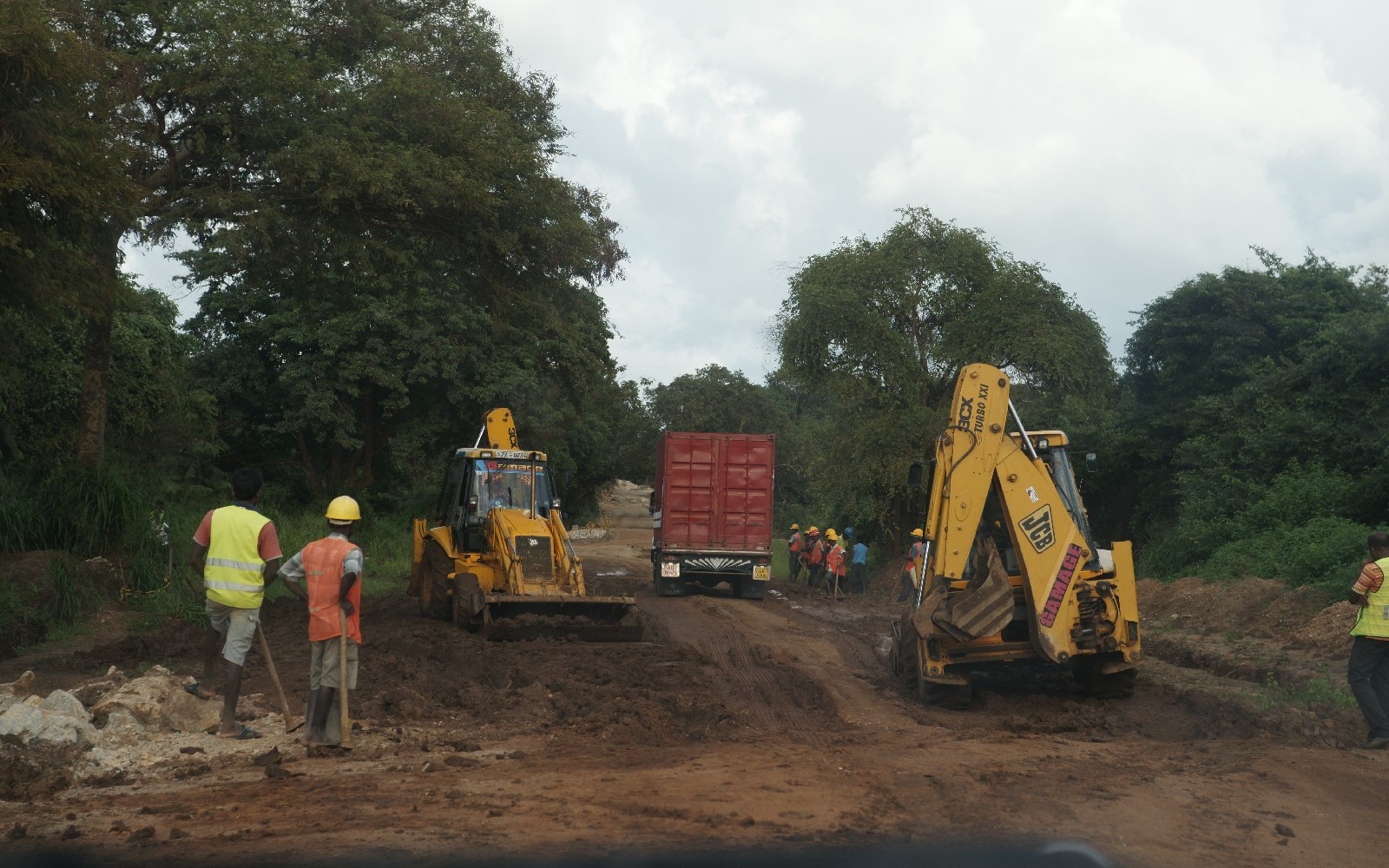
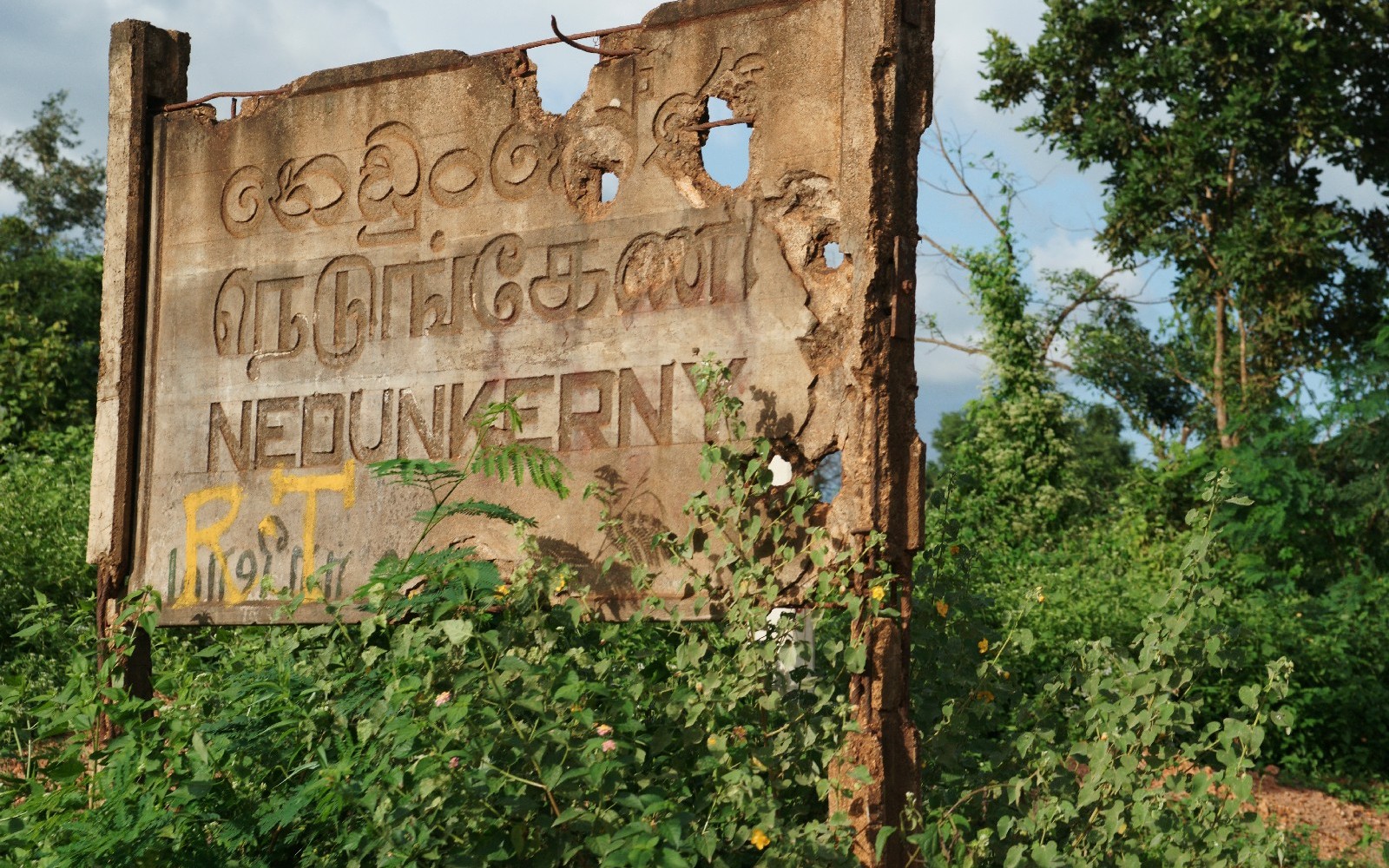
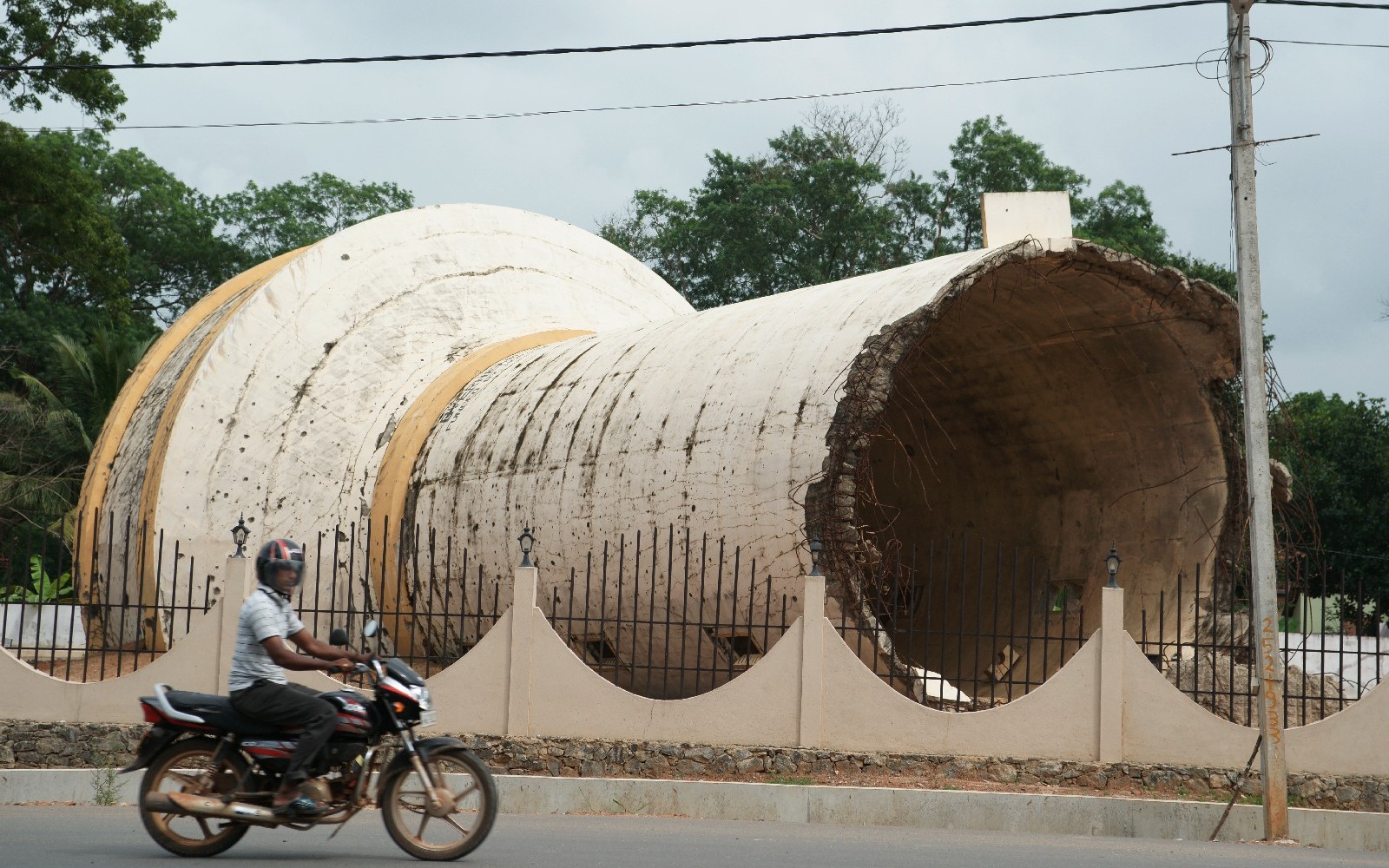
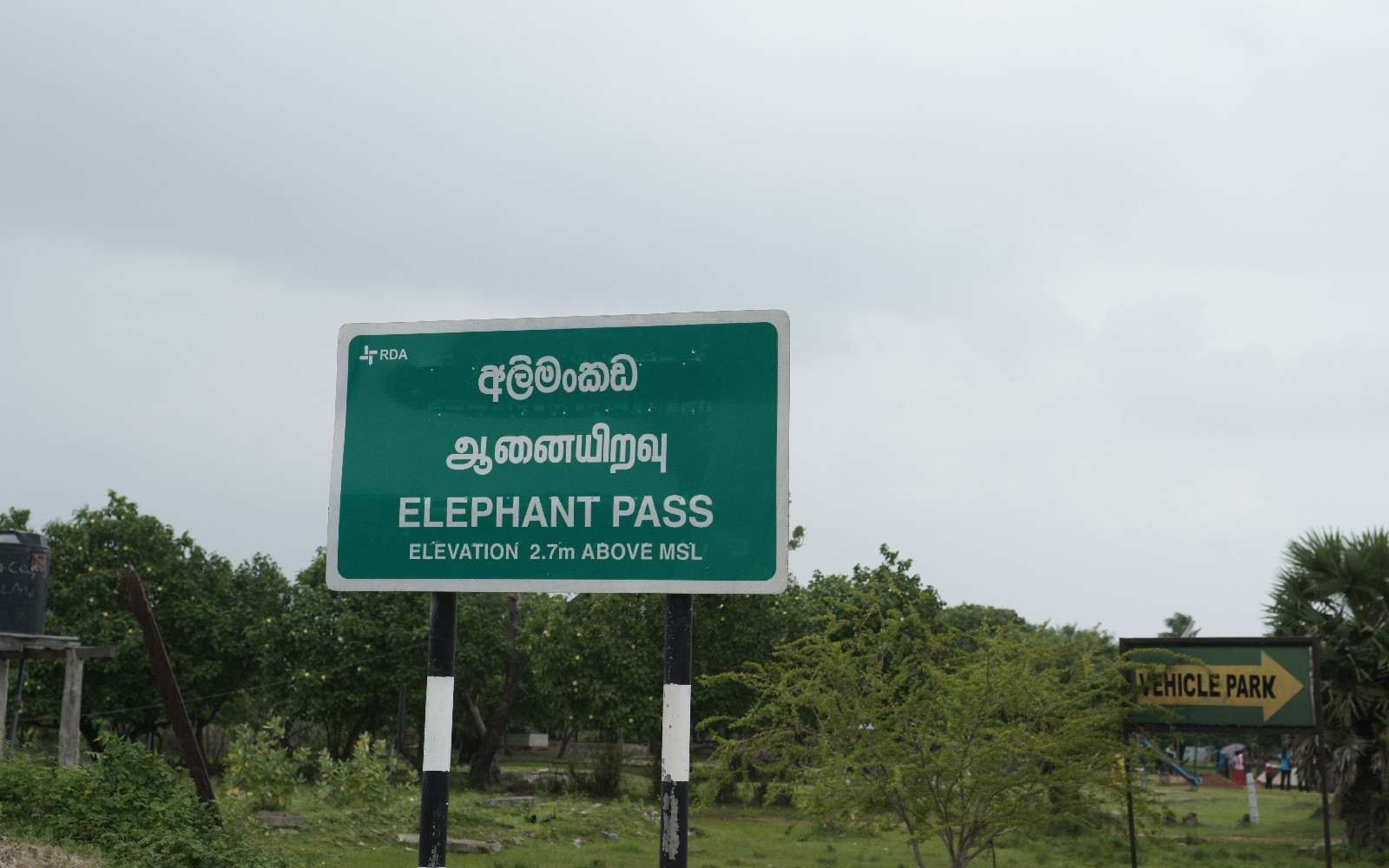
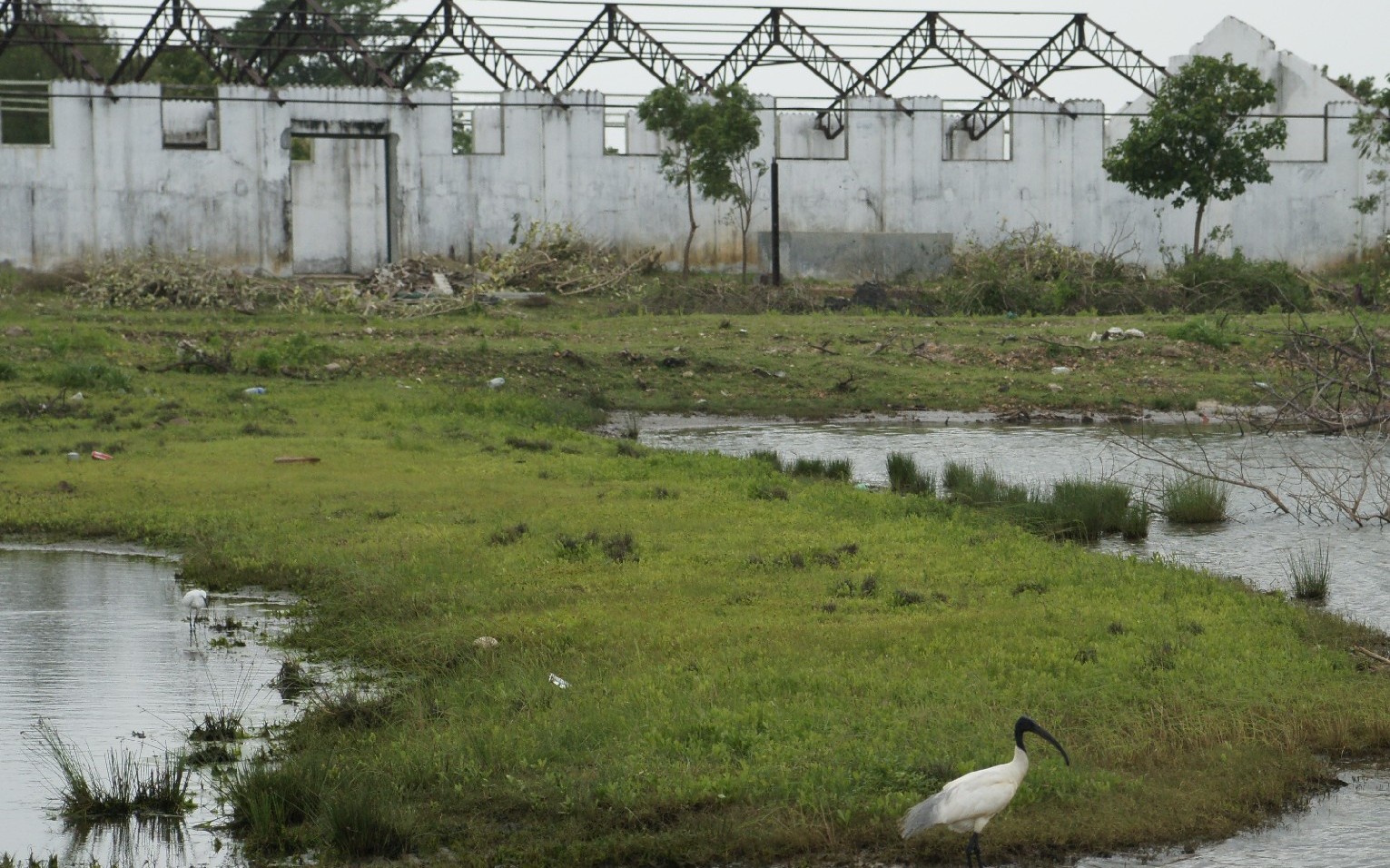
I continued my journey to the north, towards Jaffna. On the way I could see buildings that had been shelled and destroyed by bombing. I saw de-mining cars from foreign countries, signs warning of landmines, coconut tree stumps due to heavy shelling they were just the sad reminders of the war. We drove through Killinochchi and the Elephant Pass. Military police controls, stopped vehicles on the road side – and not just for speeding.

We stopped in Pallai briefly, to visit one family that lives in a NGO Project area. A formerly nice big building was now just a bombed out concrete shelter for the family who had once made this place their home during the peace time. They then had to resettle and after they returned, they found that another displaced family had moved into the barrack. Although the windows are all blown out and the surrounding land has to get worked into farming grounds back again, they are still lucky to have their house and fields back.

In Tellippalai. people here newly resettled, some of them just coming from Manik Farm, the infamous refugee camp to the east of Vavuniya. Many of them have been resettled many times during the war and do not trust the peace. The families each got a piece of land assigned to them by the government. I met a young couple, they live in a simple wood and metal sheet shack of maybe 6 square meters, provided by the government. Some of the newly resettled just arrived 4 days ago. The only thing they own is the clothes on their backs. No farming tools, no kitchen utensils -not even the simplest kind.

The young couple married last year. The 24-year old husband is earns money as a field worker in the village; his wife is 21 years old and earns money doing domestic work. During the war, many very young people married, so as not to be drawn forcefully into the LTTE troops. At least that was what they thought. Now, many of those “war couples” have gotten divorced. The young couple does not know a world without civil war, as they grew up in it all their lives. They spent their childhood in bunkers and refugee camps.

The north east of Jaffna, Punkudutivu. The islands were once as beautiful and culturally rich and advanced as the city of Jaffna. We saw the remains of old villas and mansions -all bombed and destroyed with trees growing out of them. They probably will be all torn down and that part of Tamil history and culture will be lost.

The people I met had sad stories to tell. One mother -29 years old -lost her husband 2009 due to shelling in the last fighting on the east coast in the Mullaittivu district. A shell killed her husband and injured her 6-year old son. She had to manage to get help for her 4-year old son and her 5-year old daughter. She somehow managed to get him into the hospital, but his leg is still disfigured and both children seemed traumatized by this experience. They had difficulties to talk about it; they both hung on their mother while we spoke. The mother will not be able to remarry -even though she is young and it would help her to get a second husband. But Tamil culture forbids a second marriage. So now she lives with her mother and her brother. Her brother, 28 years old, was forcefully drawn in 2009 by the LTTE. They came at night and snatched him. He spent 7 months as a soldier for them, most of the time being in training -it was during the last months of hard fighting in 2009. Neither his family nor his wife knew if he was alive or dead, there was no record -and there are no records of all the people who did service for the LTTE -or who abducted him.

After the fighting was over in 2009, he confessed and the government put him in an ex-LTTE combatant detention camp for 2 years and 8 months. The government did not inform the family or his wife about his whereabouts. No one knew if he was dead or alive for over 3 years. Just a week before I interviewed them, they released him from a detention camp. He was there with 22 others and they were all released on the same day. The brother could not escape during his service with the LTTE because they would have come after his family and would have probably killed them all.

The newly set up family: the widow with two children, her ex-LTTE soldier brother, the mother and father live under one roof -in a room of 6 square meters. The family was able to set up a shop with a small loan from an NGO. They are running a successful village kiosk. They put their money together as one income which is supports every member of the family.

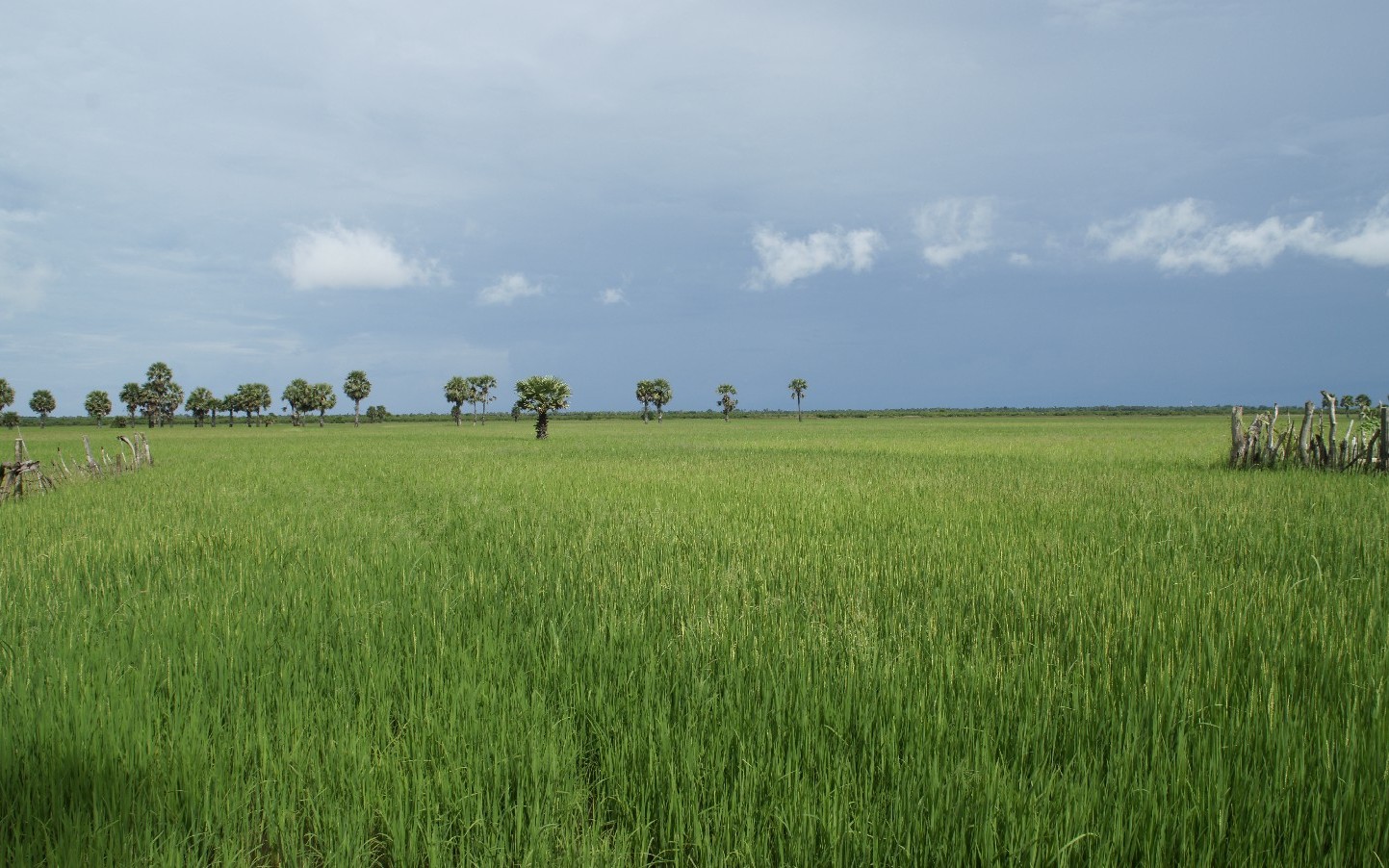
The newly released and traumatized brother feels very much responsible to help his extended family, and he is now a fisherman again. I visited a family also in Punkudutivu that could not go back to their homeland, because it is flooded and not usable anymore. So they resettled at another spot on the island -in a nice stone structured building. The family consists of a father, mother, their three children, a neighbor’s son -and their grandfather. The family told me about the land they lost because the structures for keeping salt water and the fresh water separate were bombed during the war and the saltwater has destroyed all the rice paddies and other farm grounds.

The land will be unusable for years. NGOs provide a huge black freshwater tank for every Tamil family on the island. Since there is no fresh water on all those islands around Jaffna, water needs to get provided daily by tractor pulling a giant water tank, making all the people dependent upon a tractor arranged by the new government. The tractor goes around the houses and refills their tanks. If the tractor cannot come -due to flooding for example people just have no way to supply themselves with drinking water anywhere on the island. Moreover, there is no electricity on the island, just oil lamps.

Another big issue on the peninsula of Jaffna is education. There seemed to be schools, but no teachers. The teachers do not teach in Tamil language anymore. One teacher is teaching three days in one school, 1 day in another and 2 more days in yet a different school. Education is the most crucial thing for the families and they really feel set back if they cannot send their children to school. People do not trust the peace, they are still on their toes living a day-by-day existence.

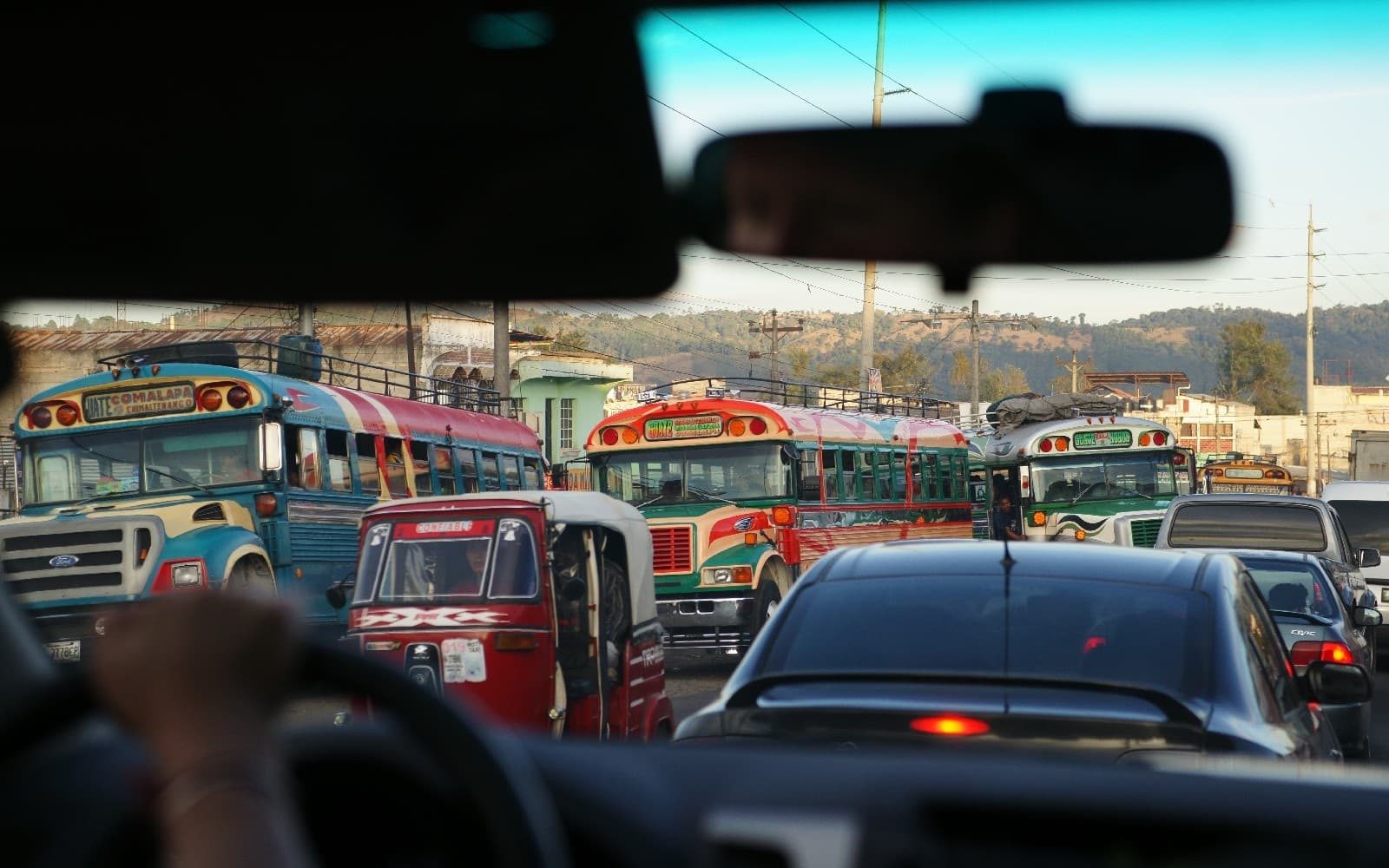
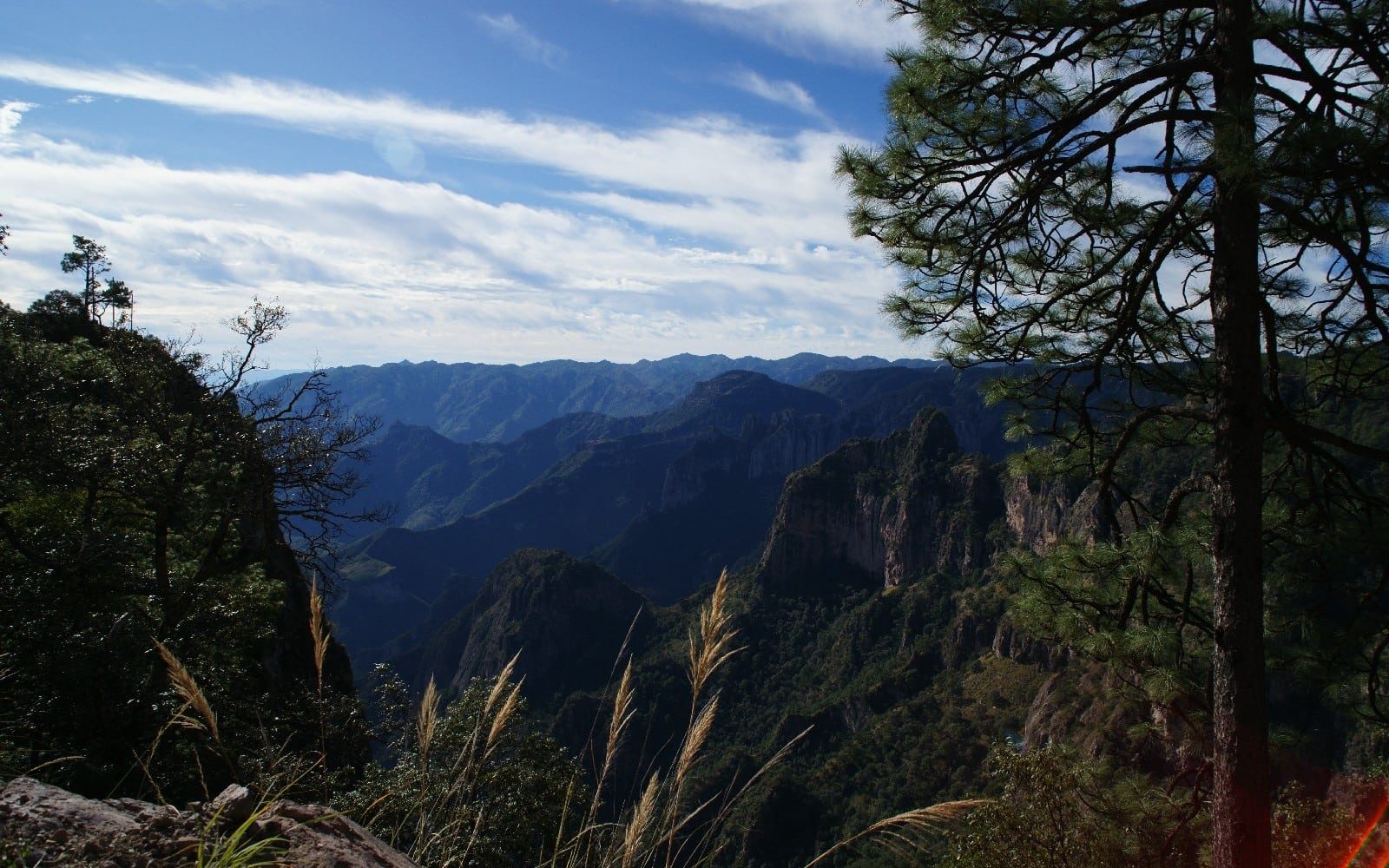
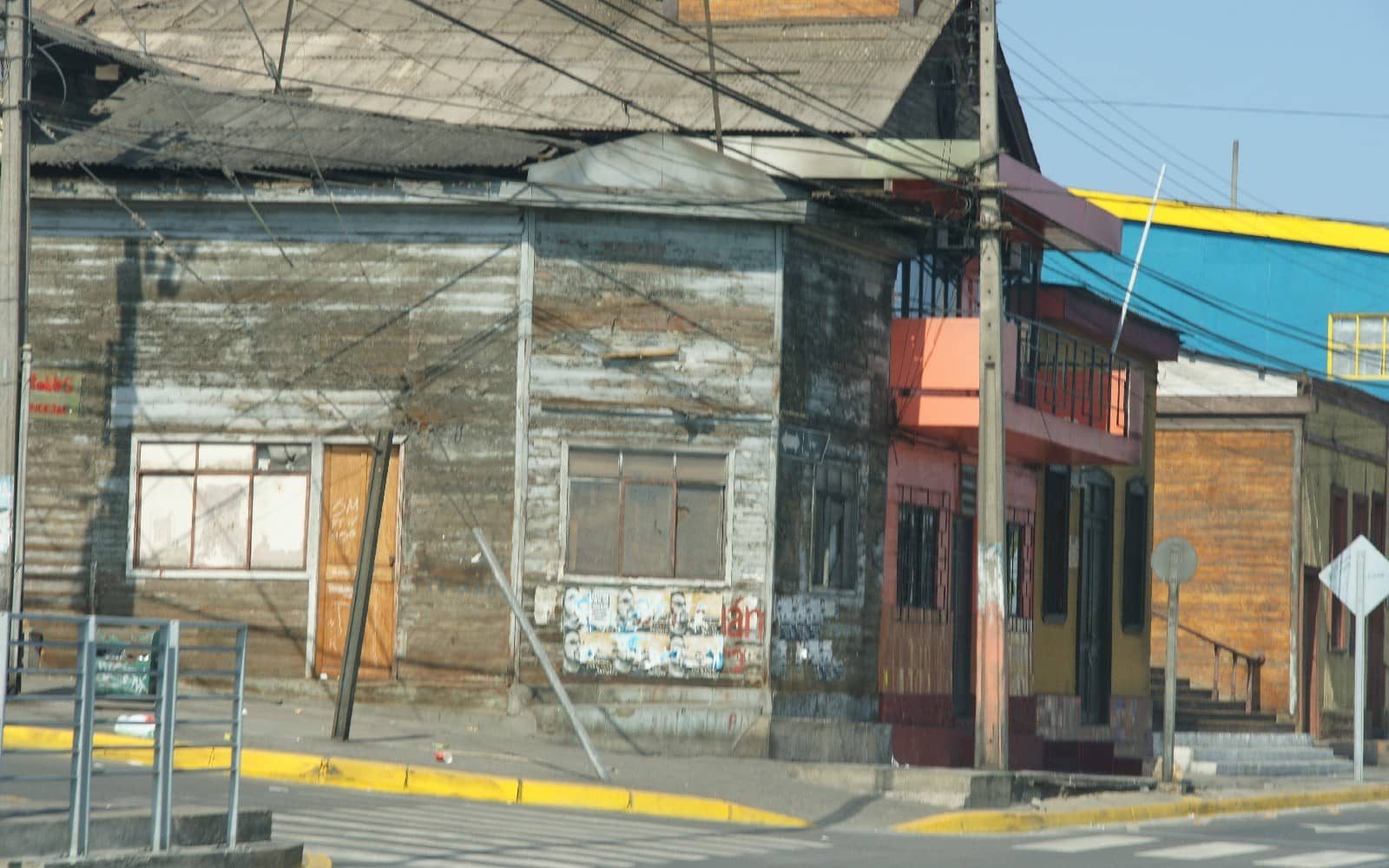
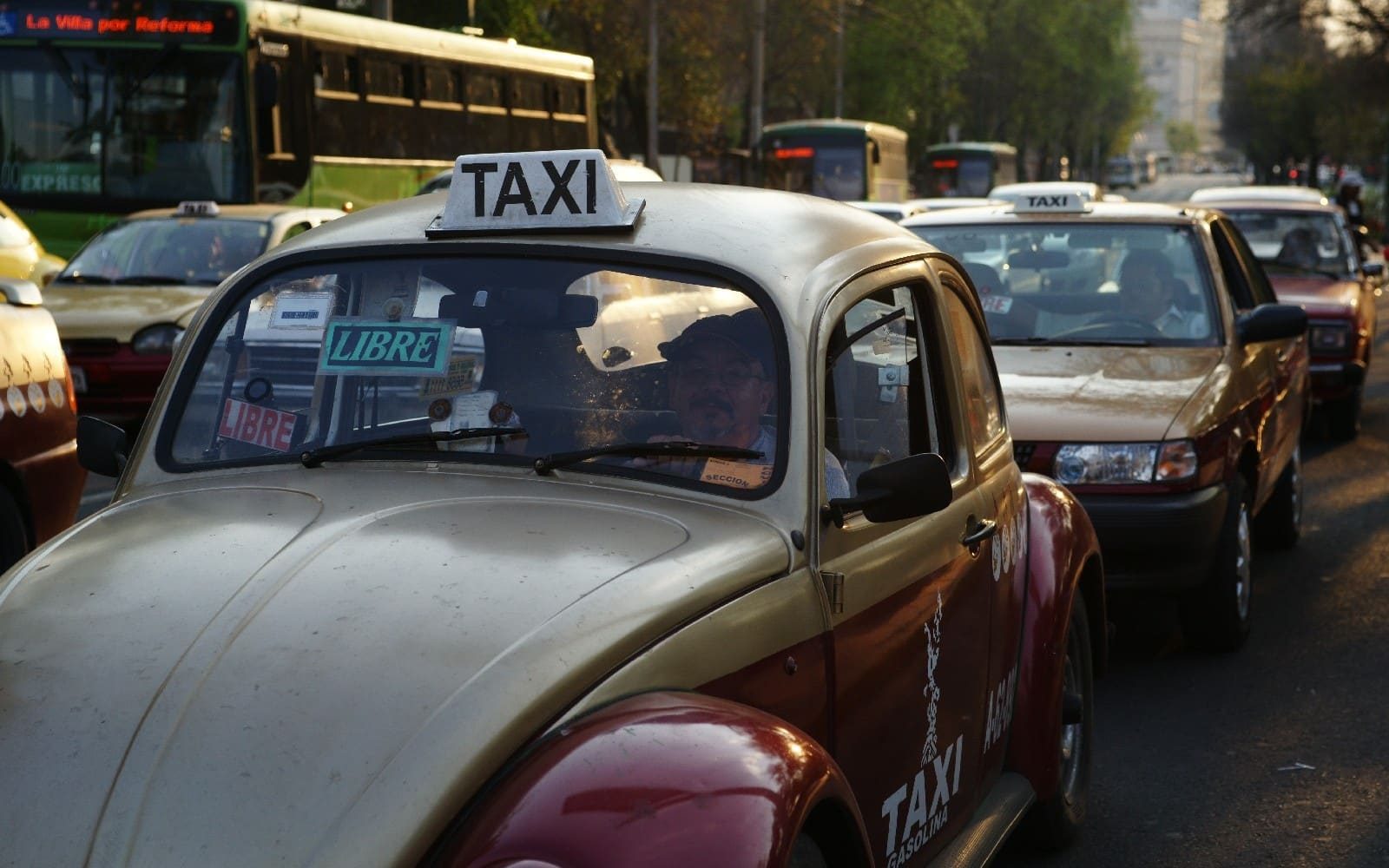
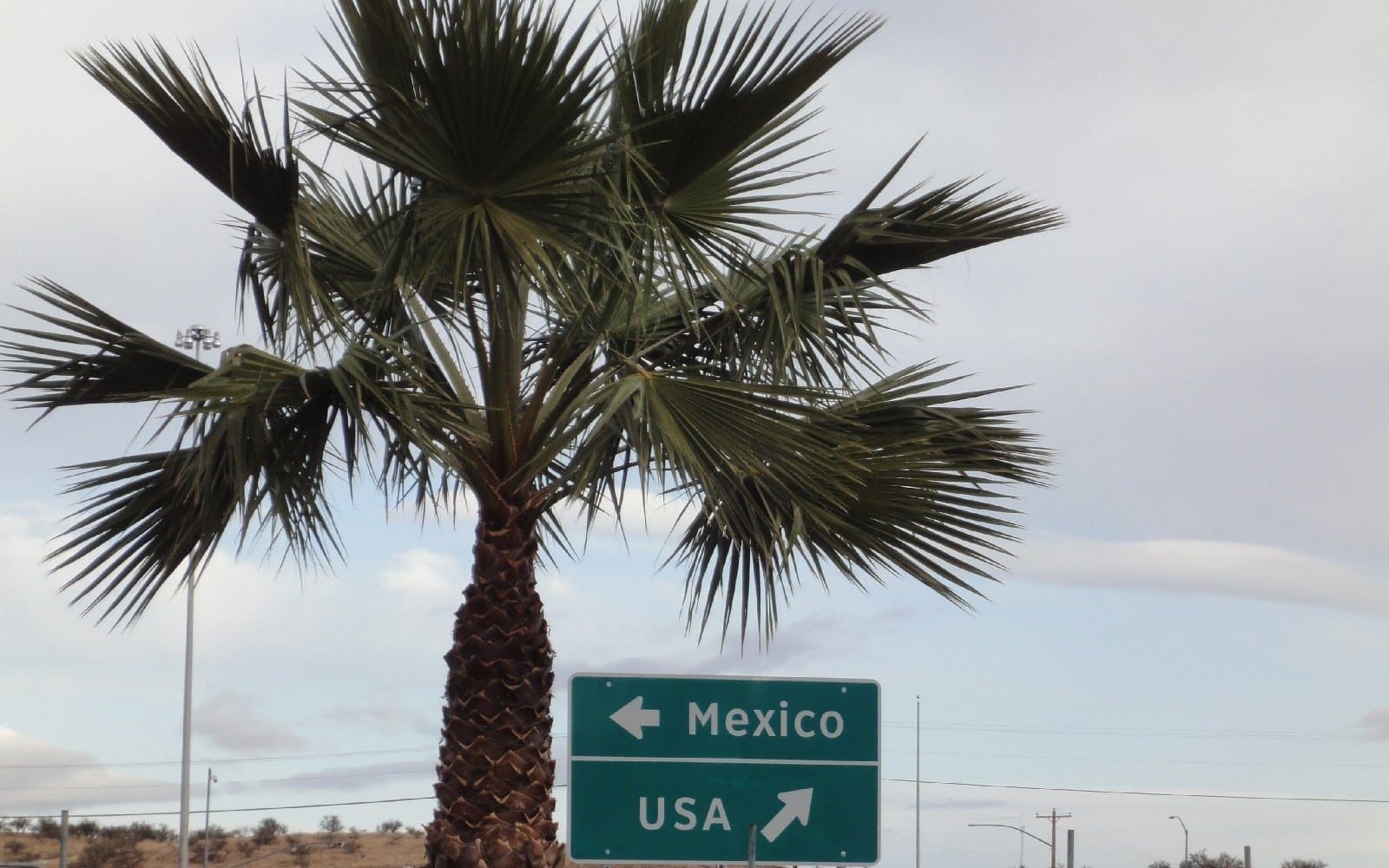
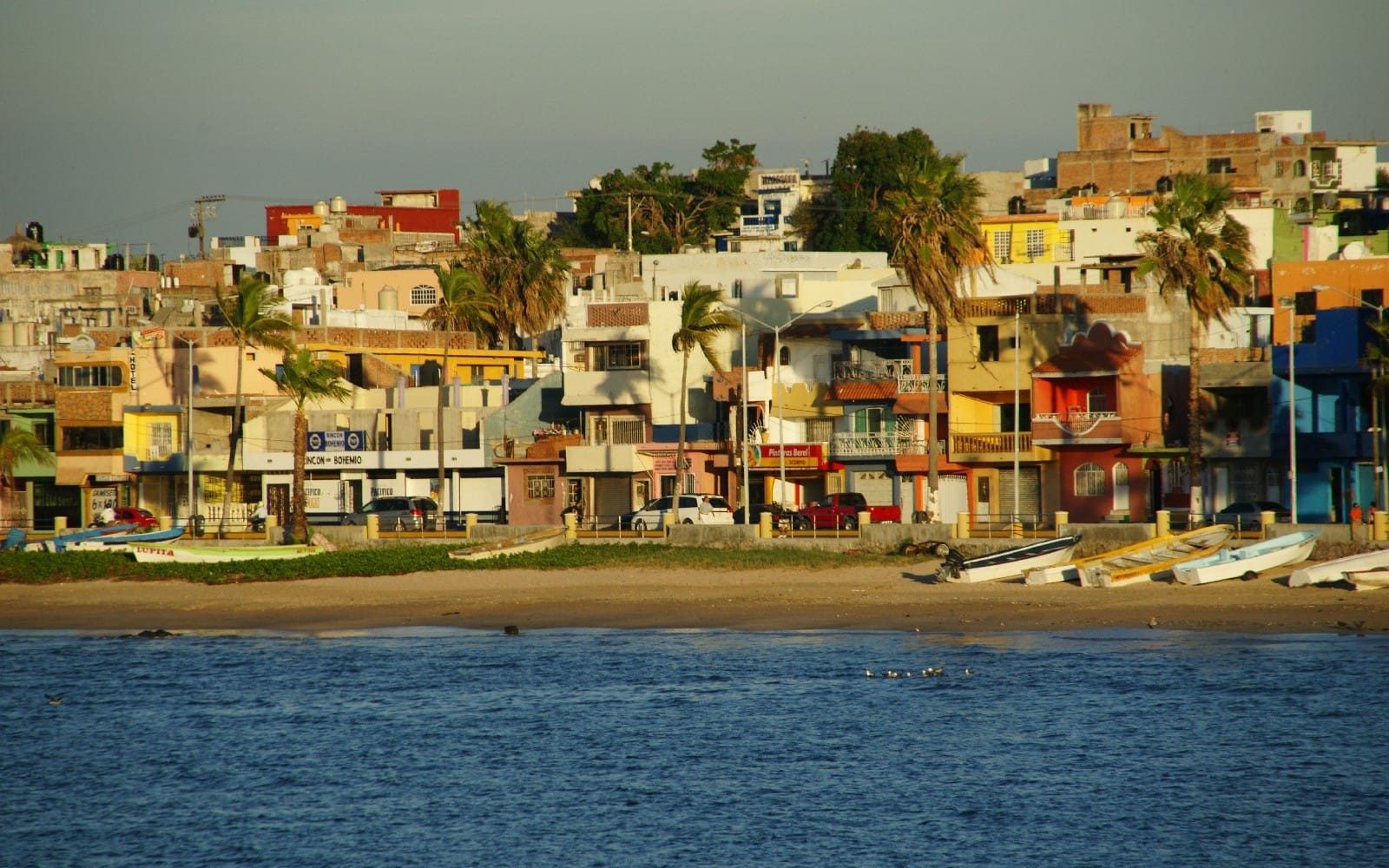
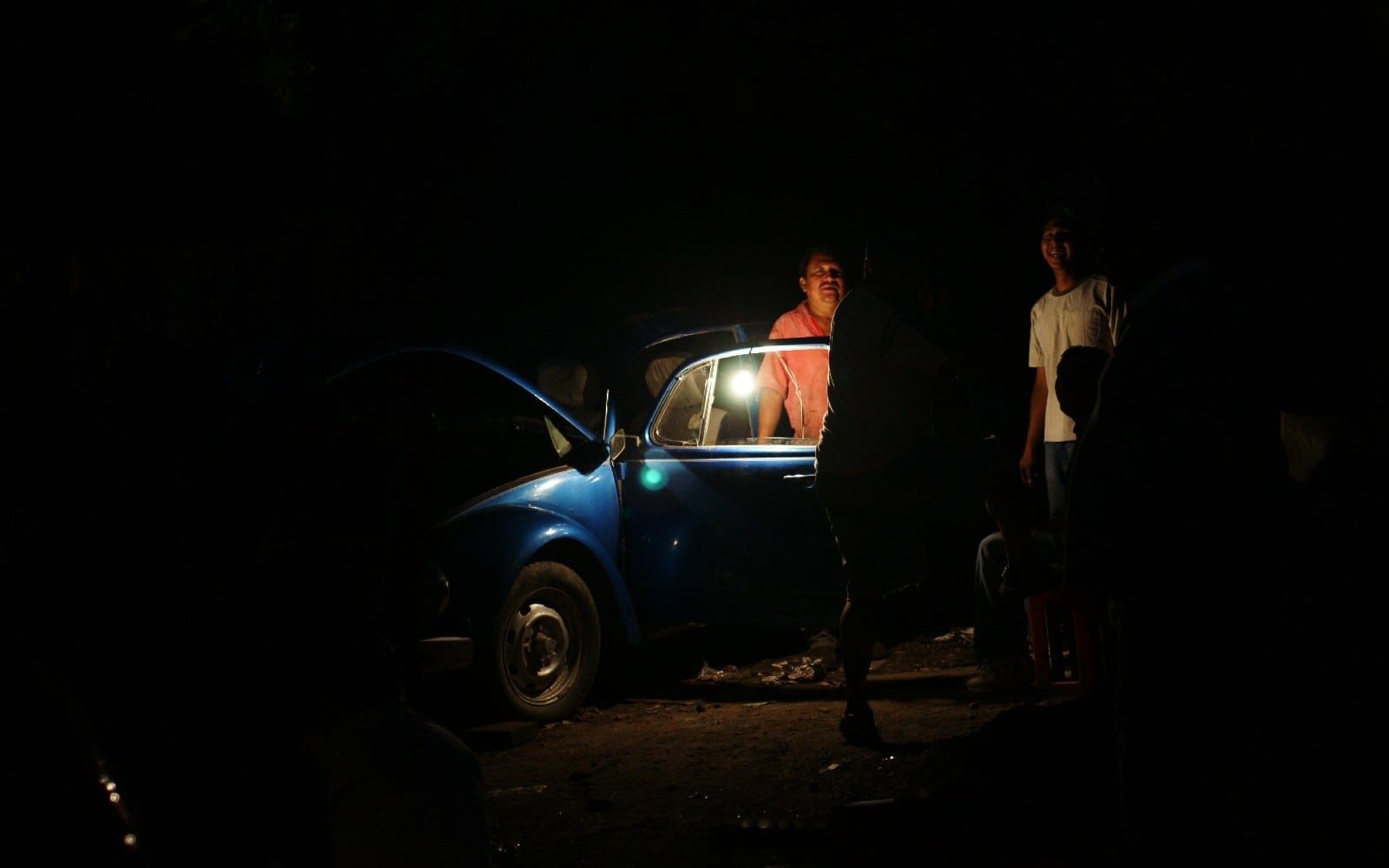
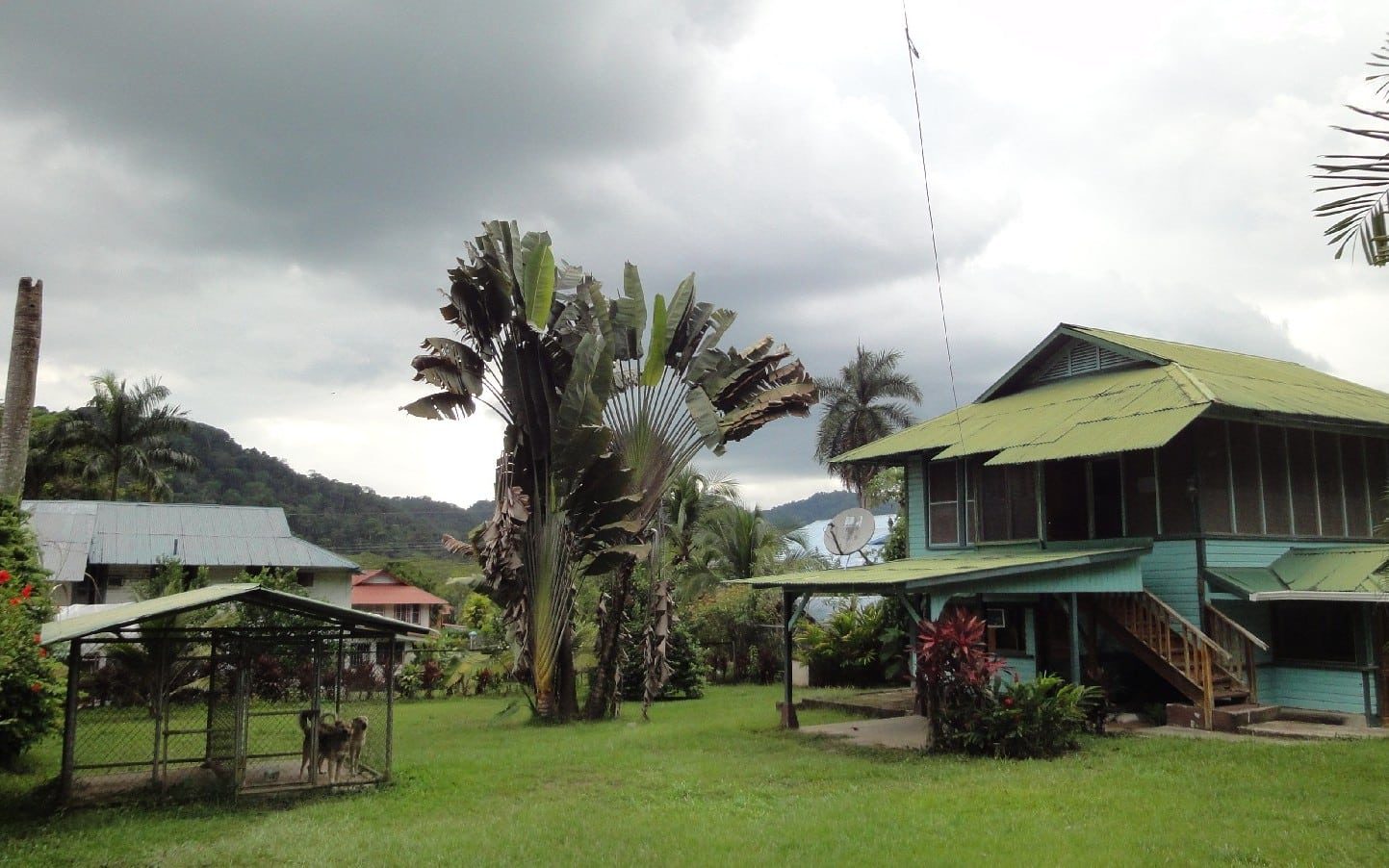
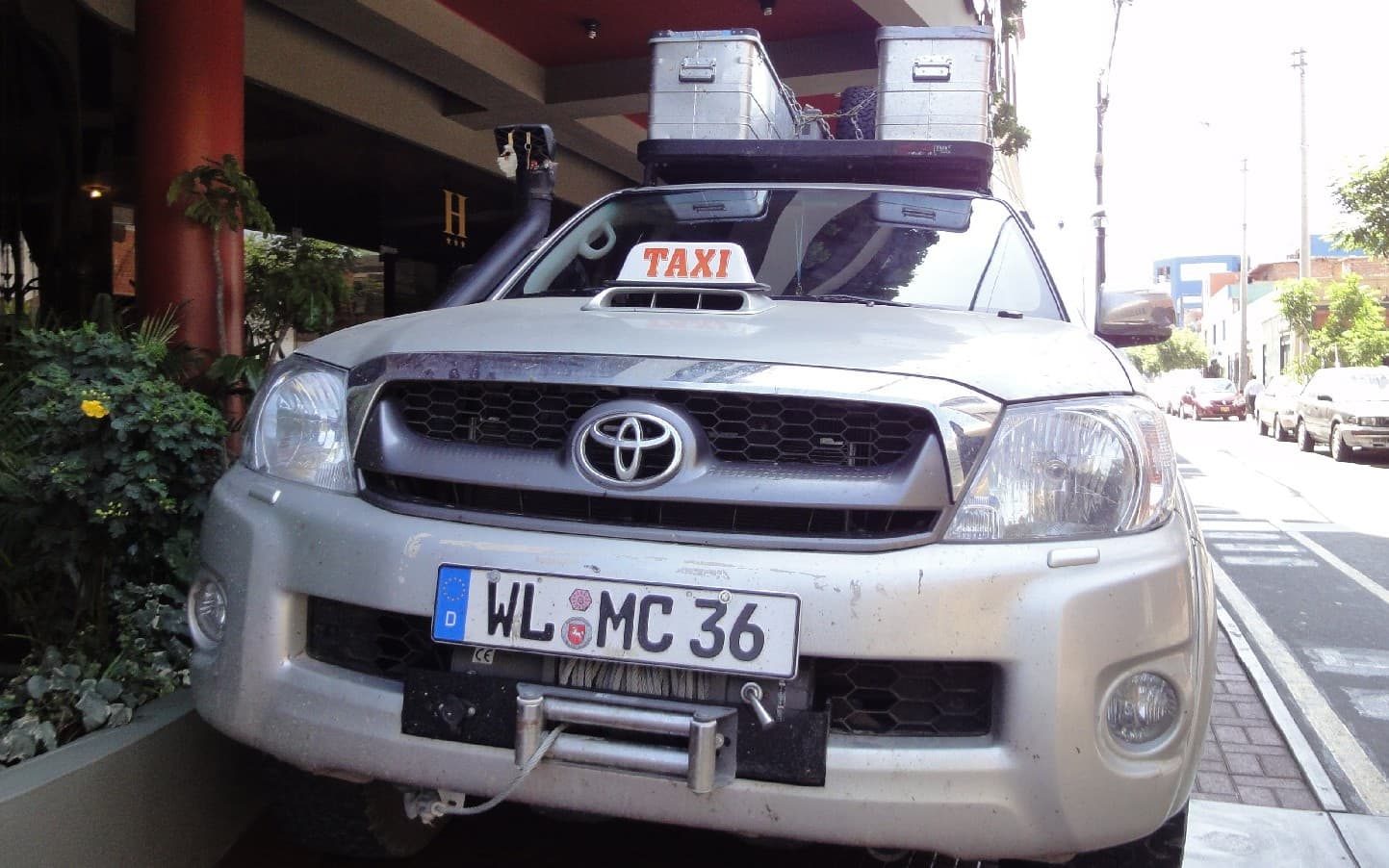
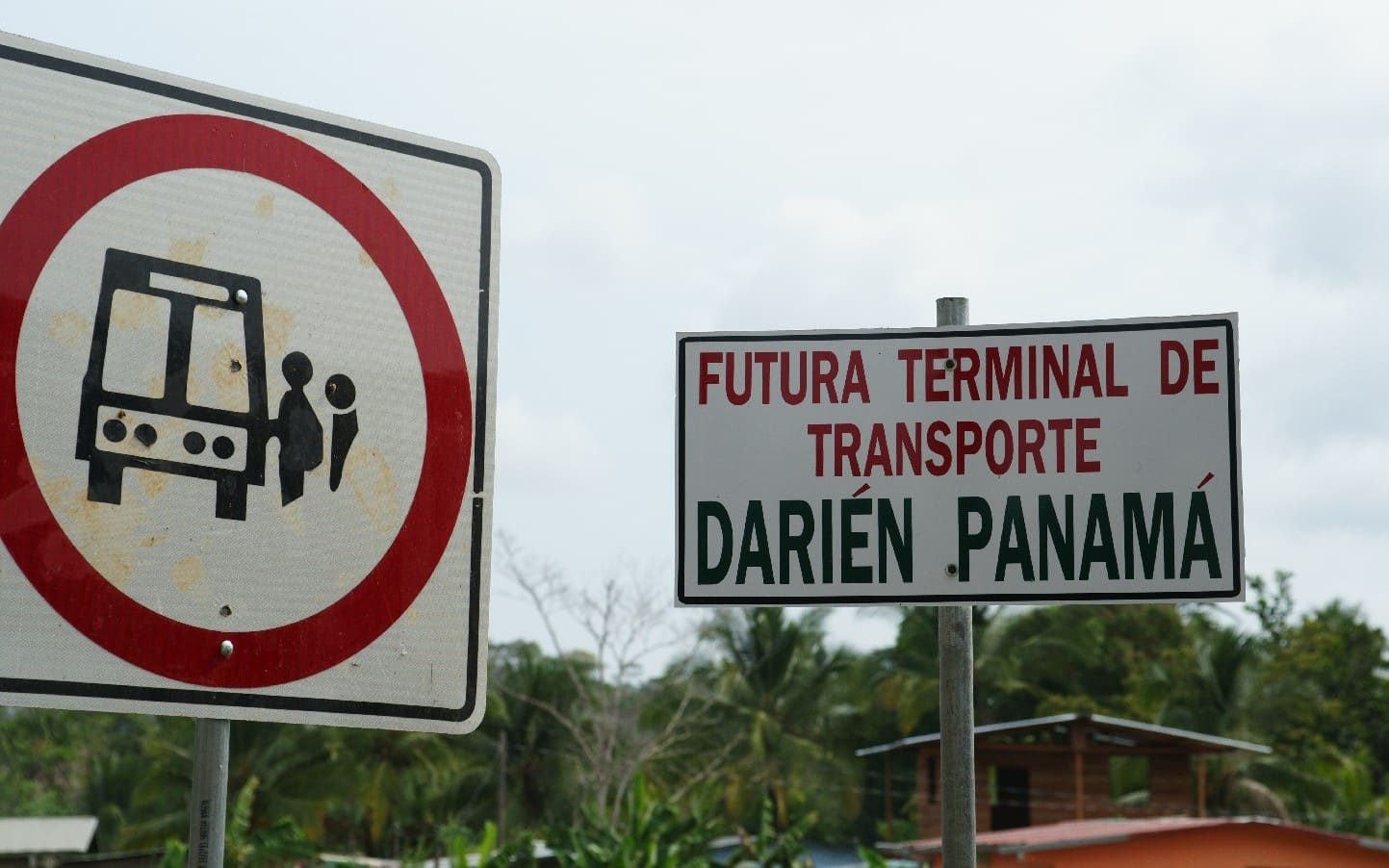
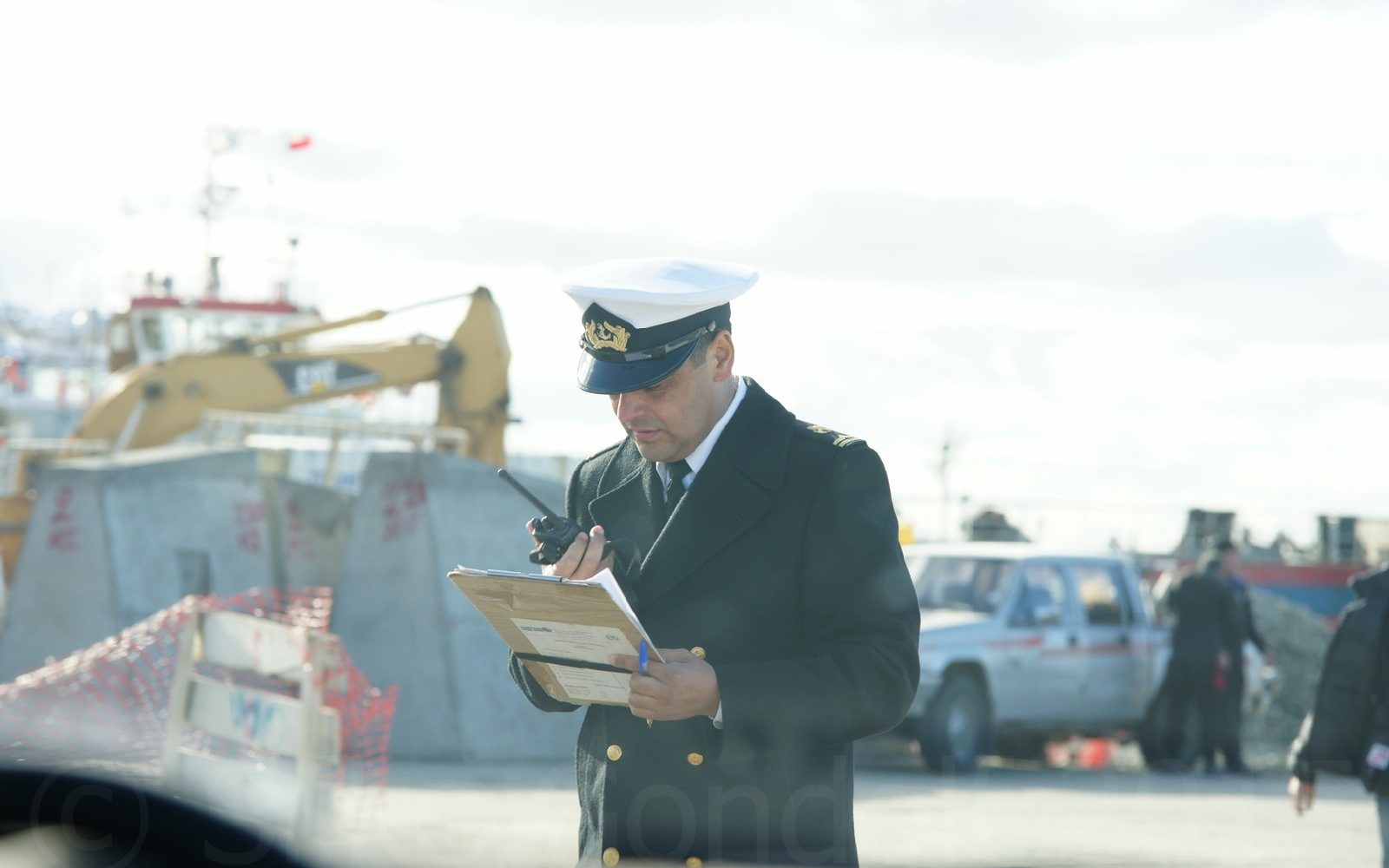
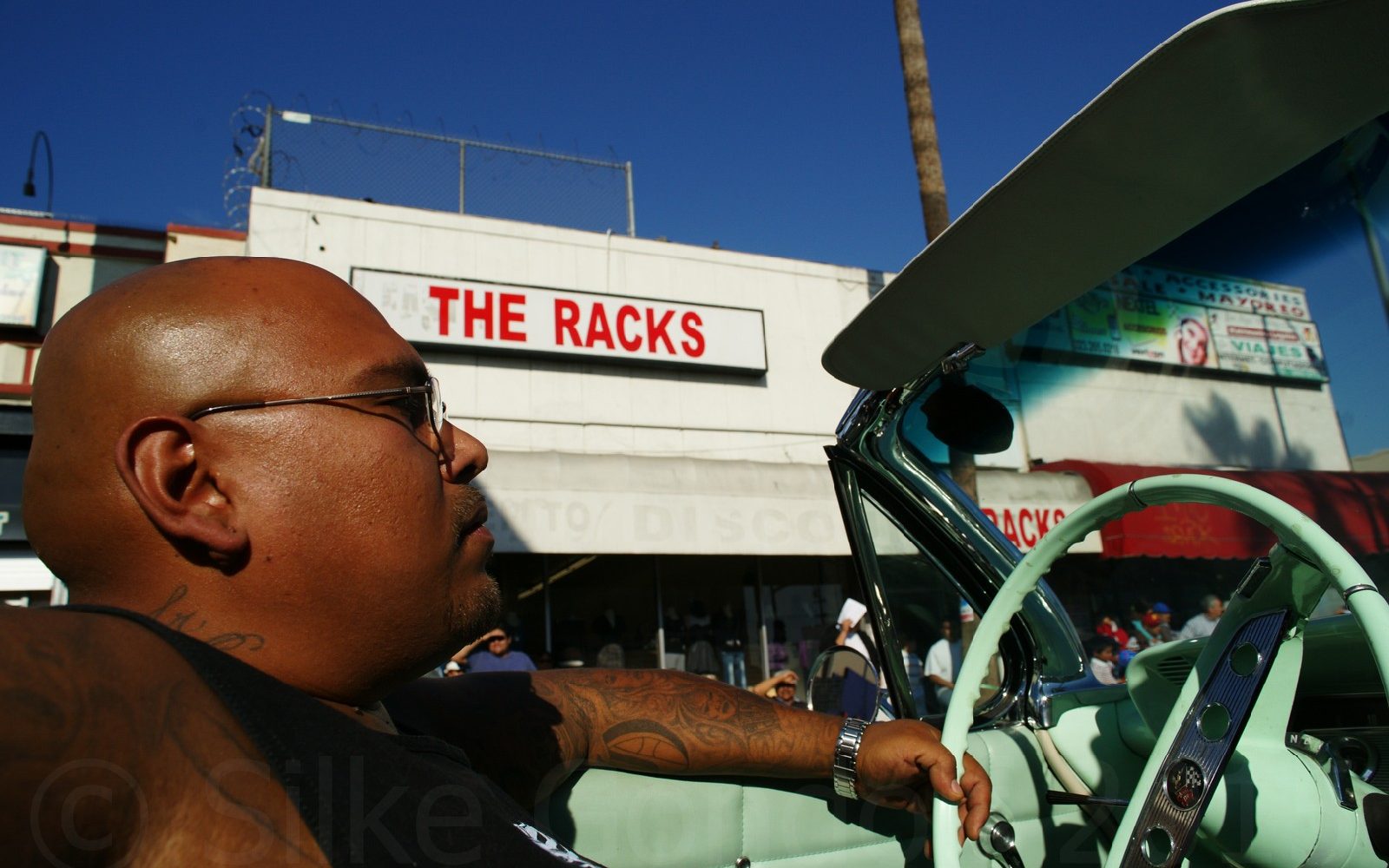
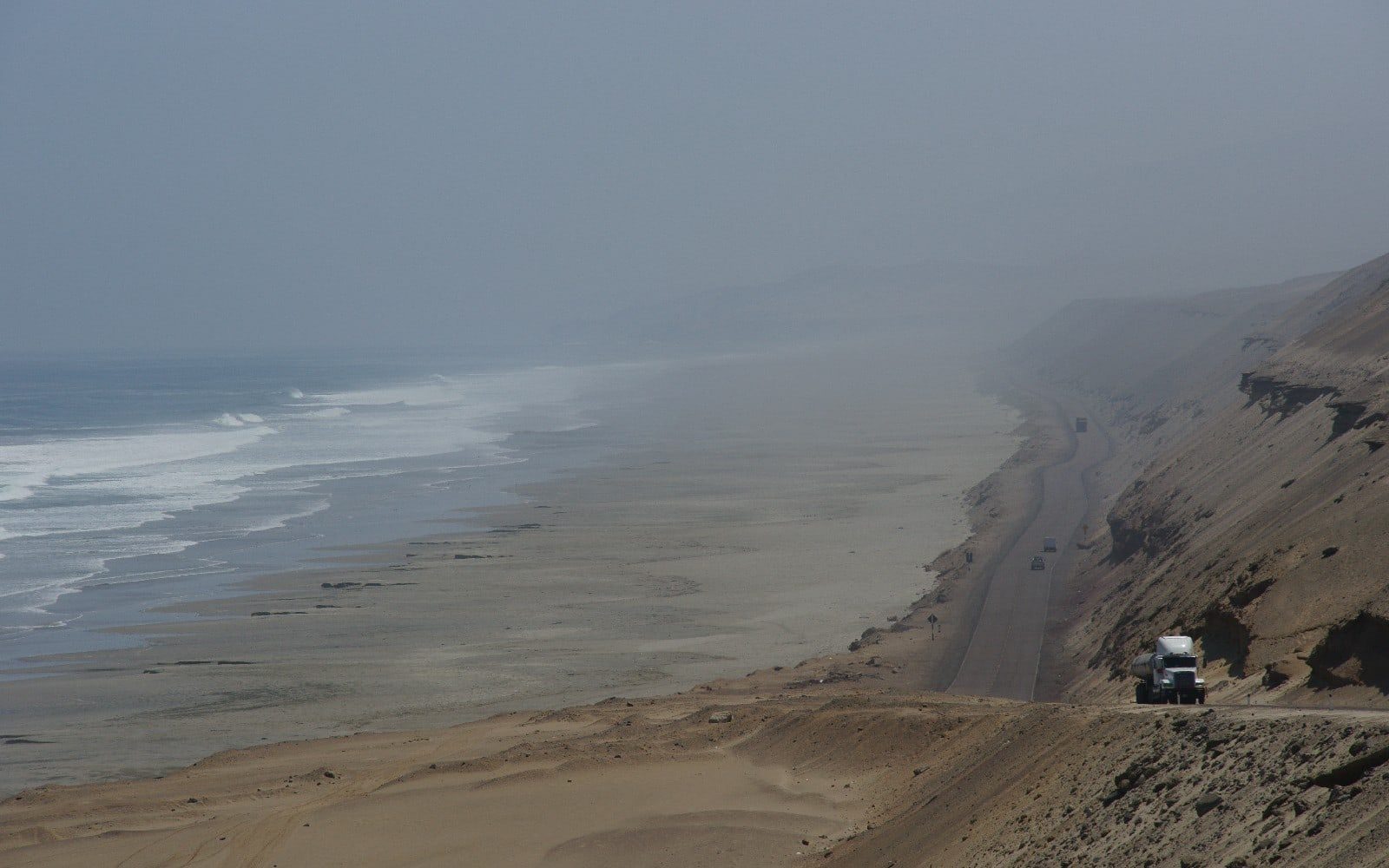
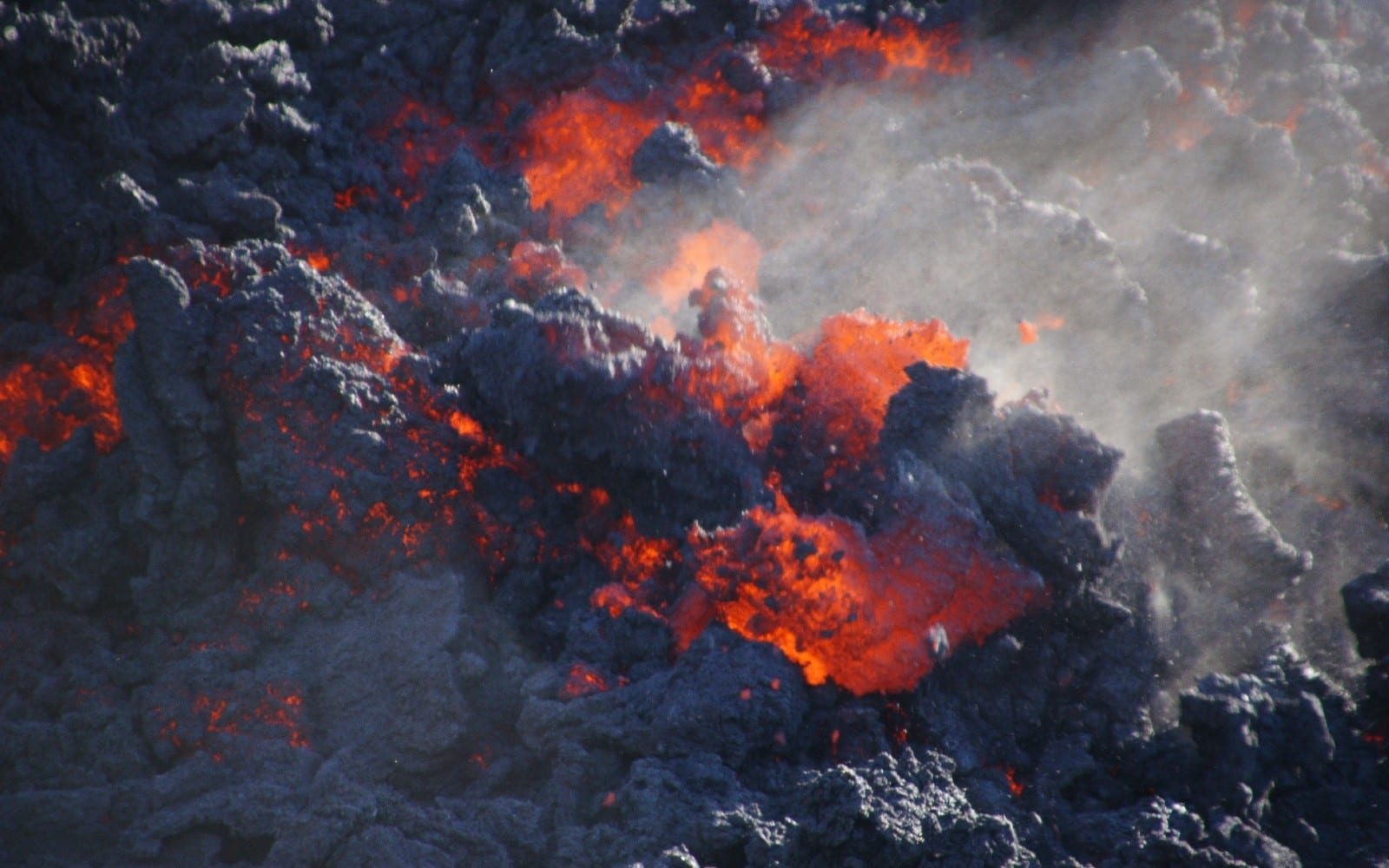
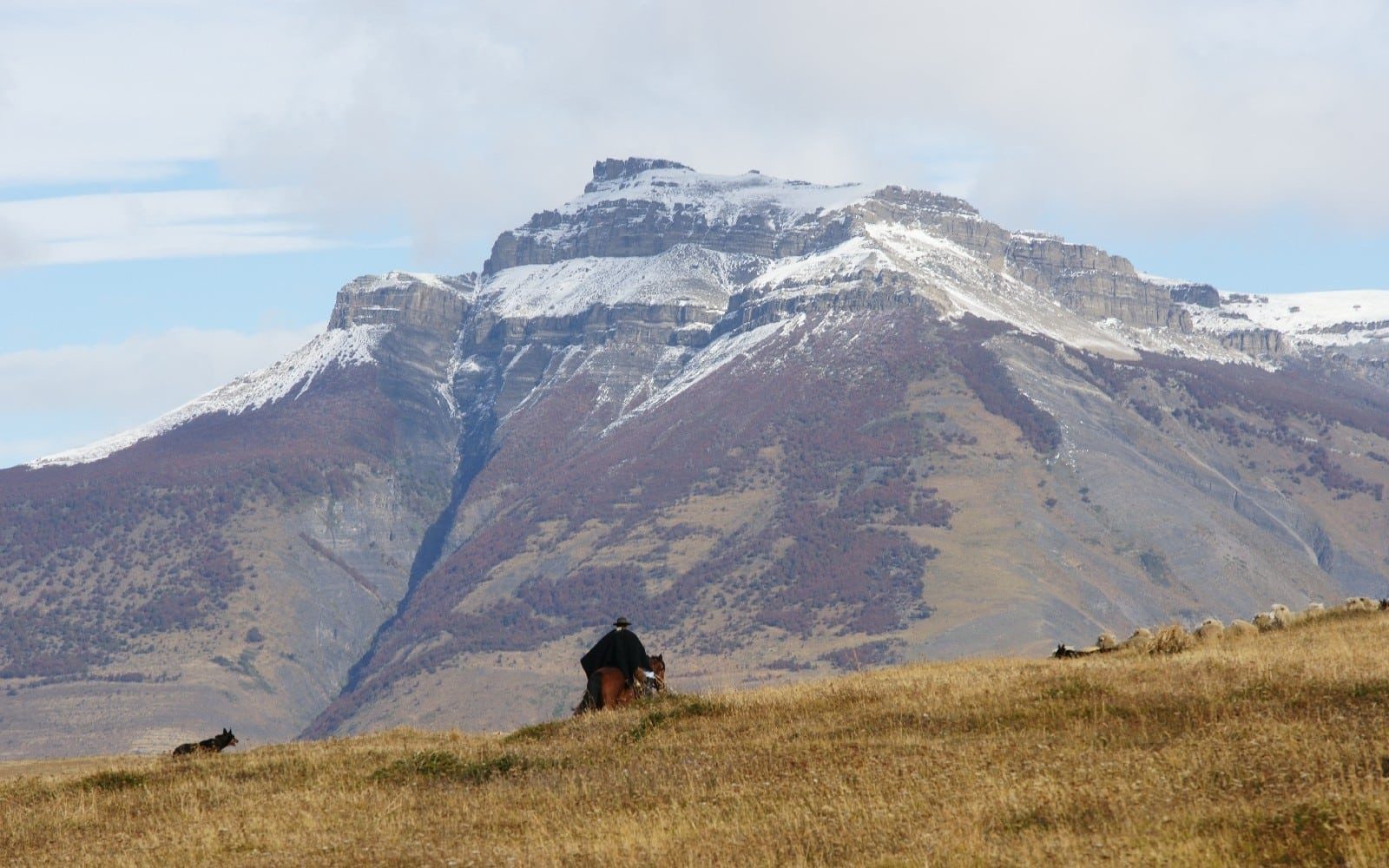
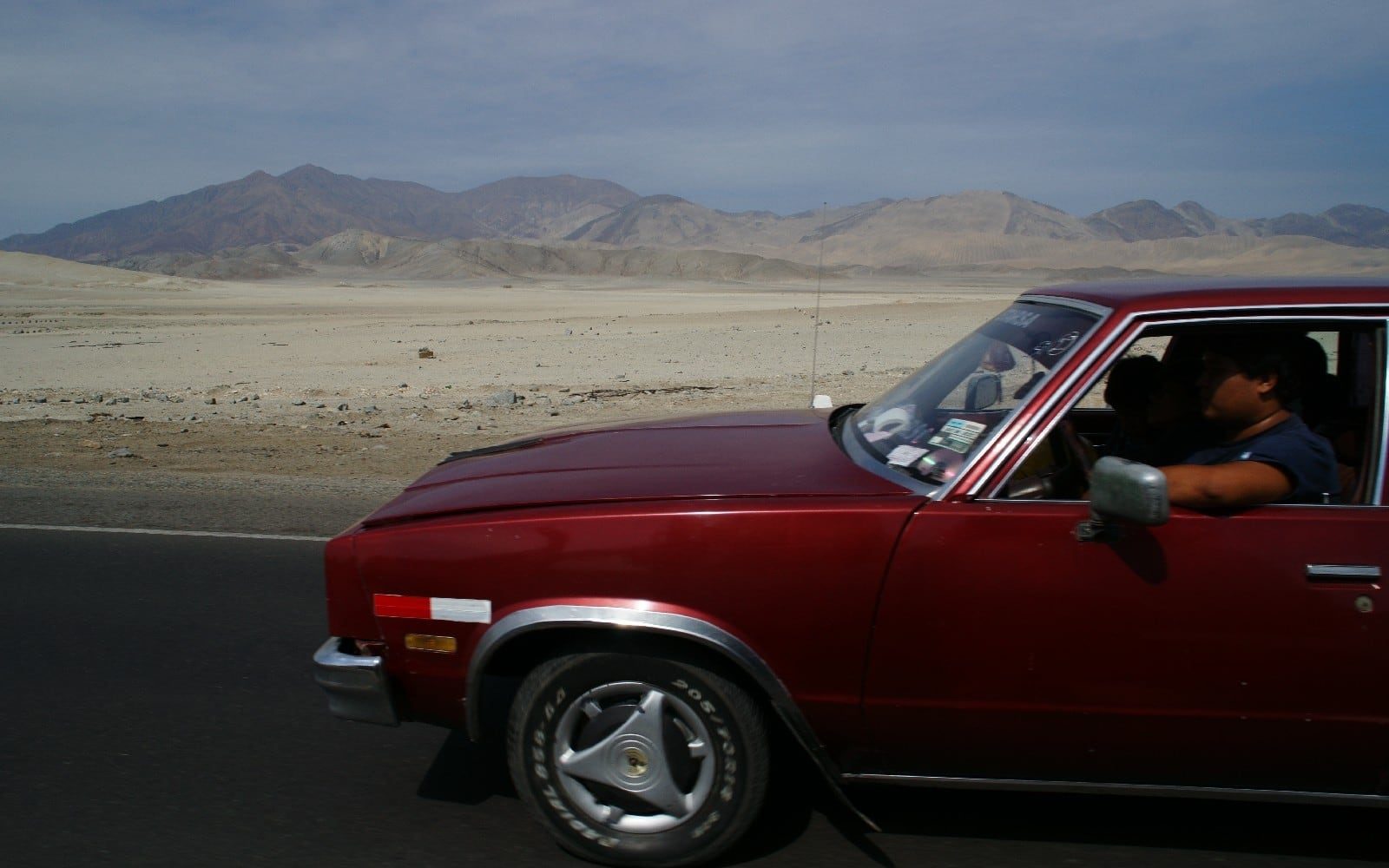
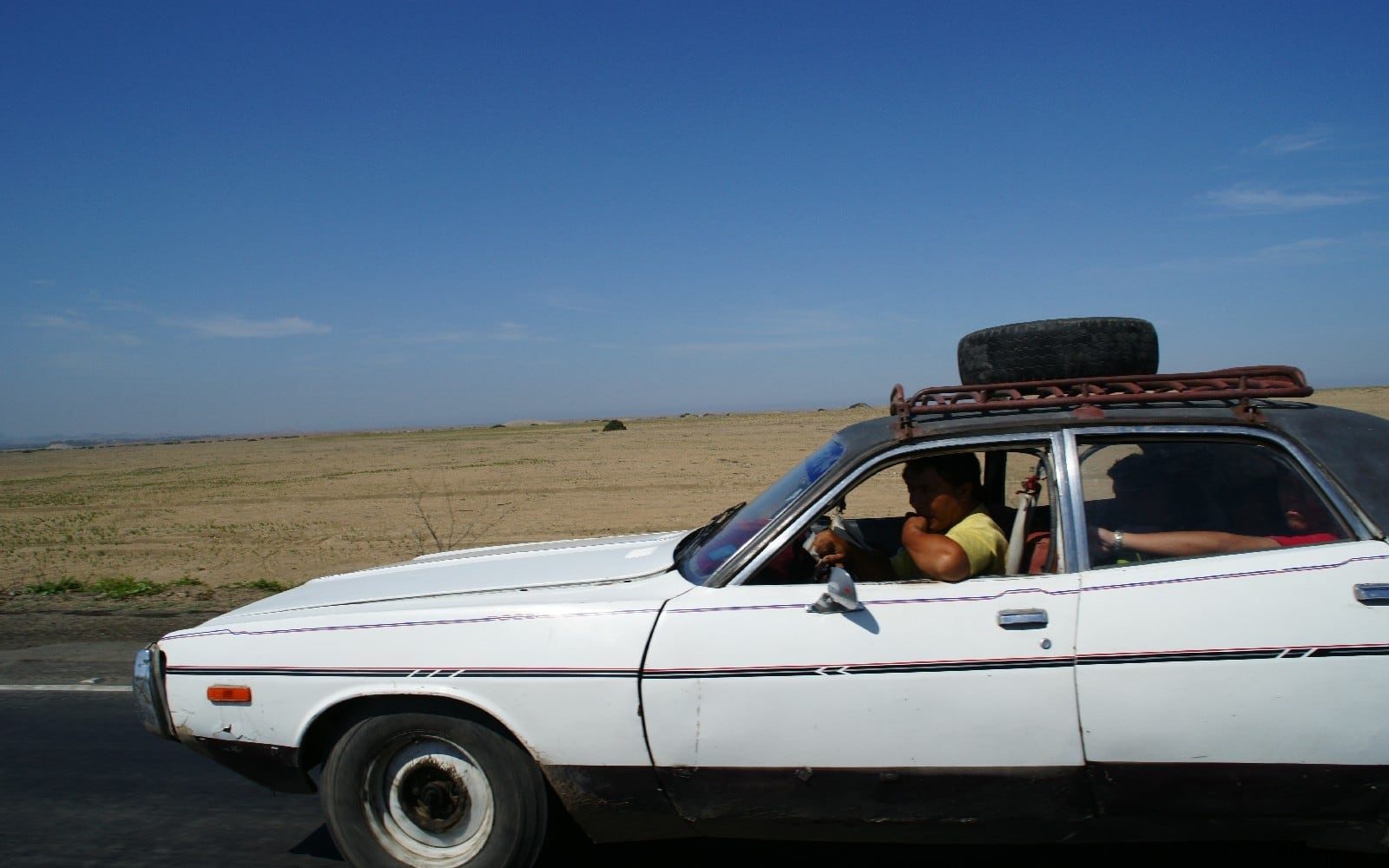
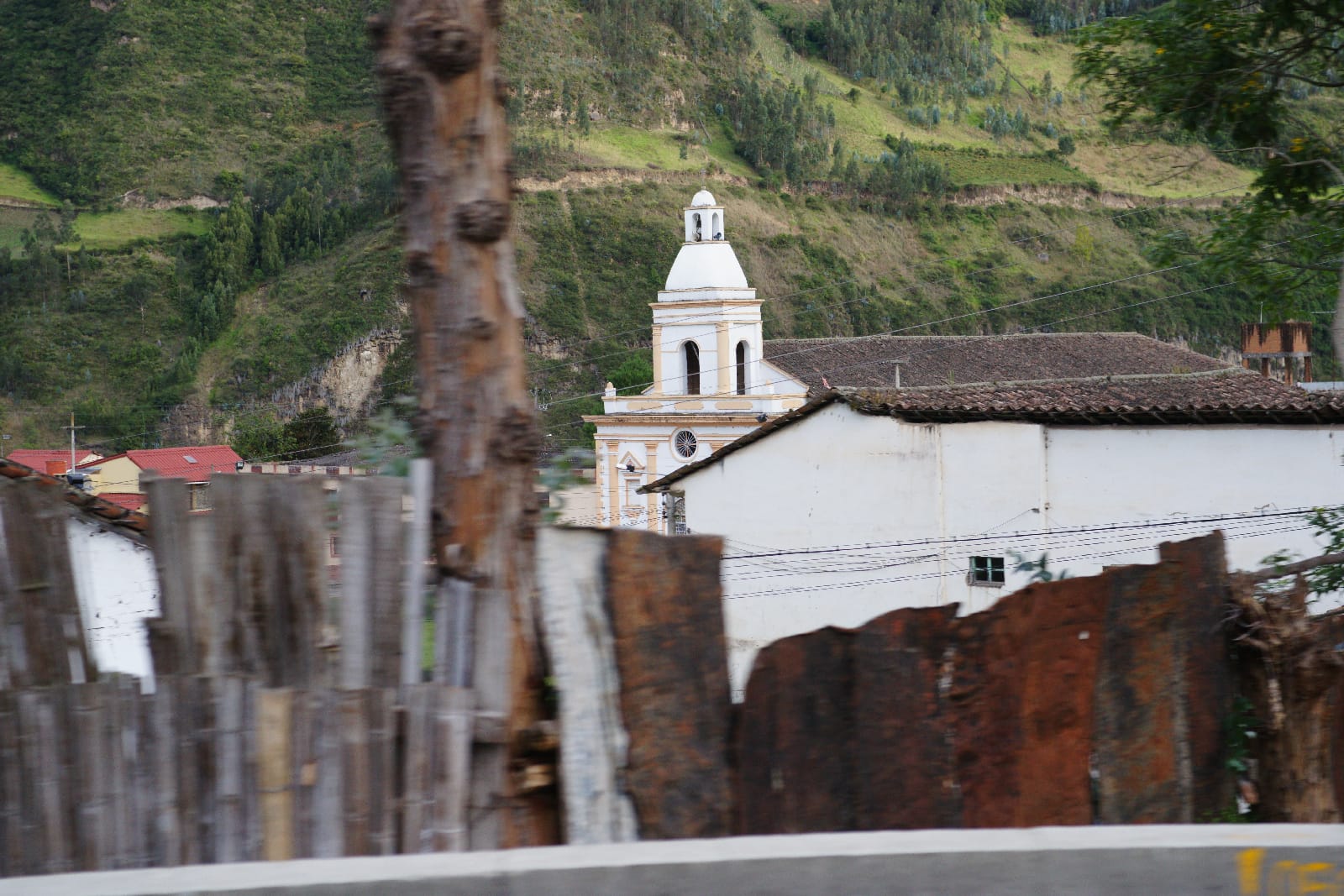
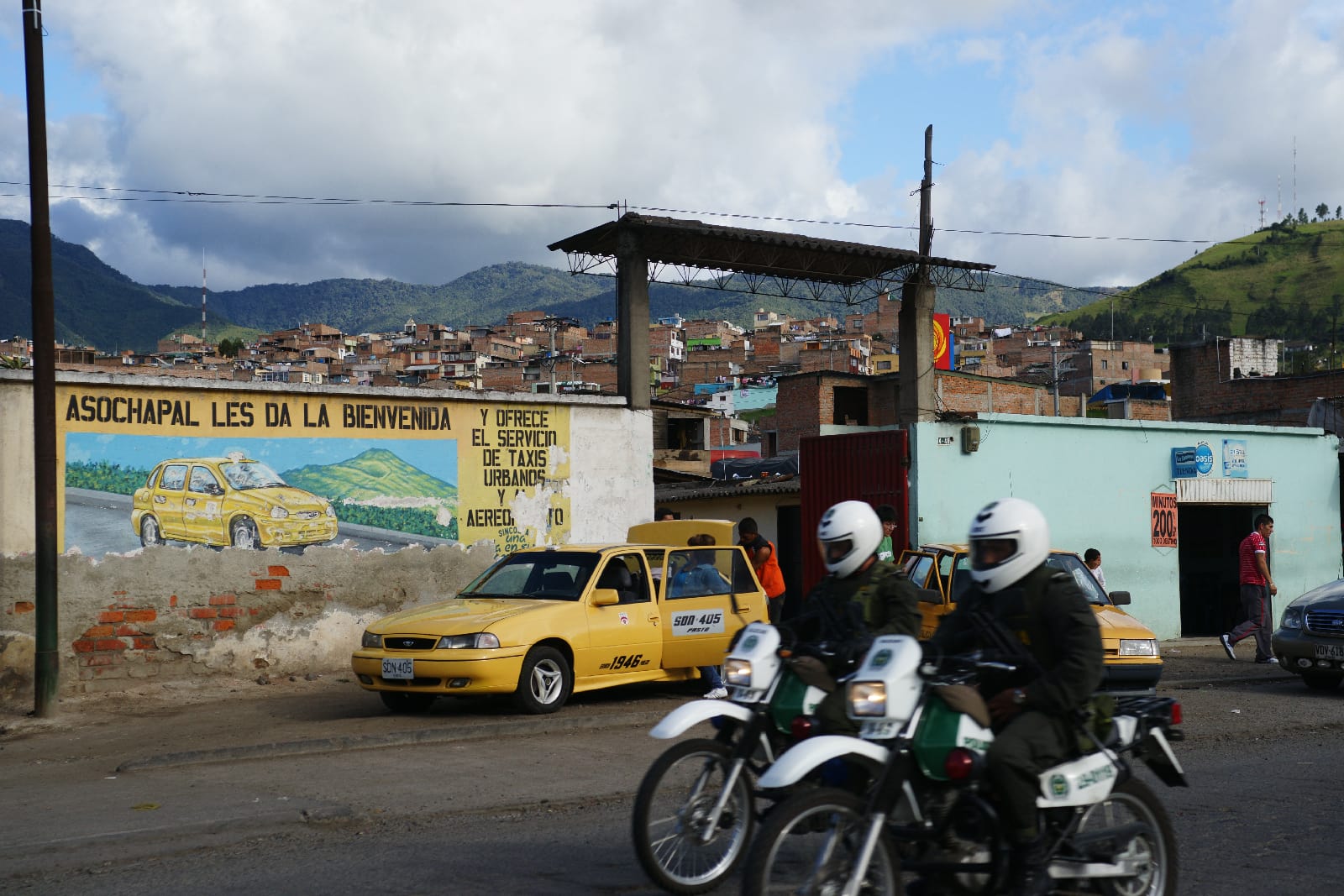
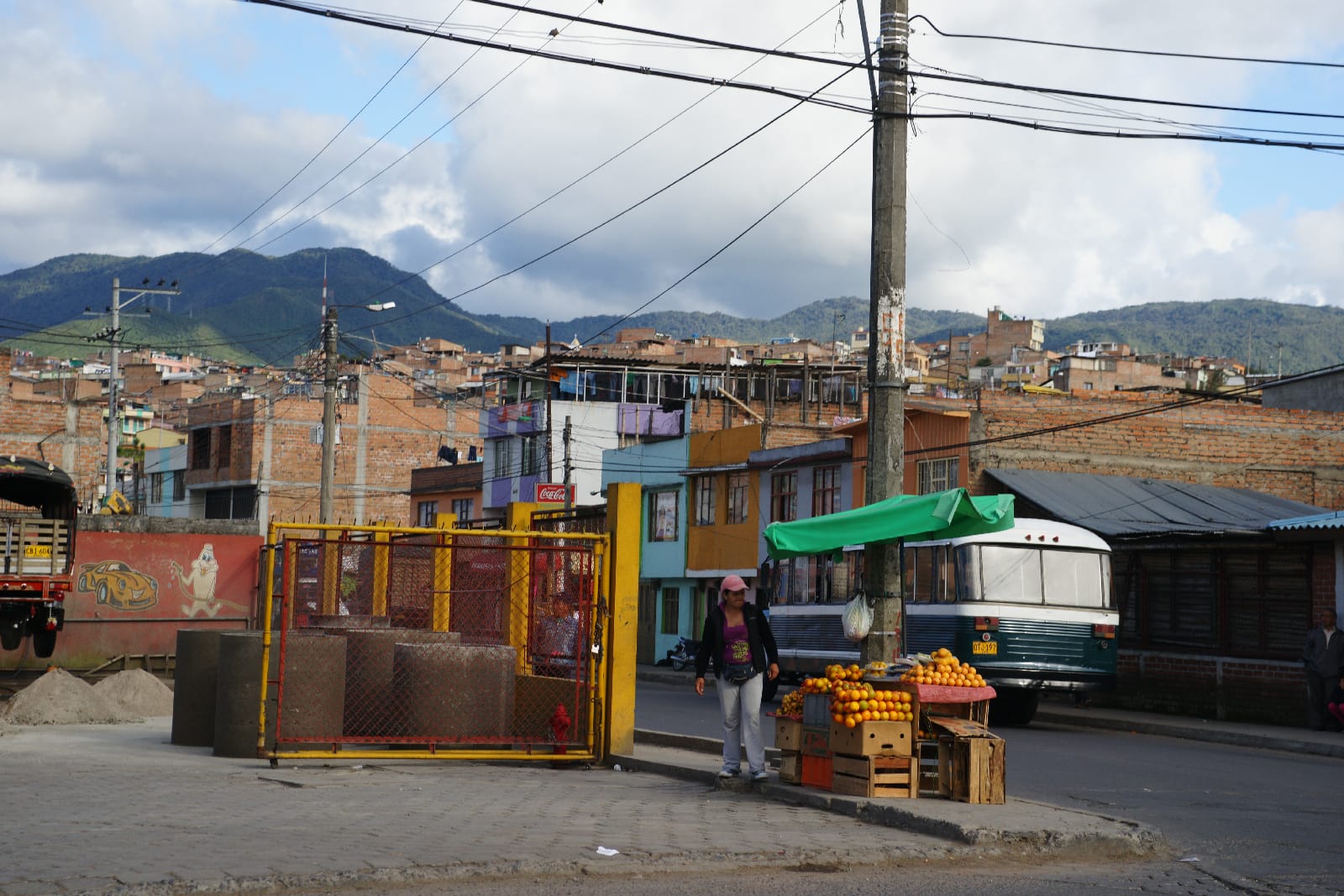
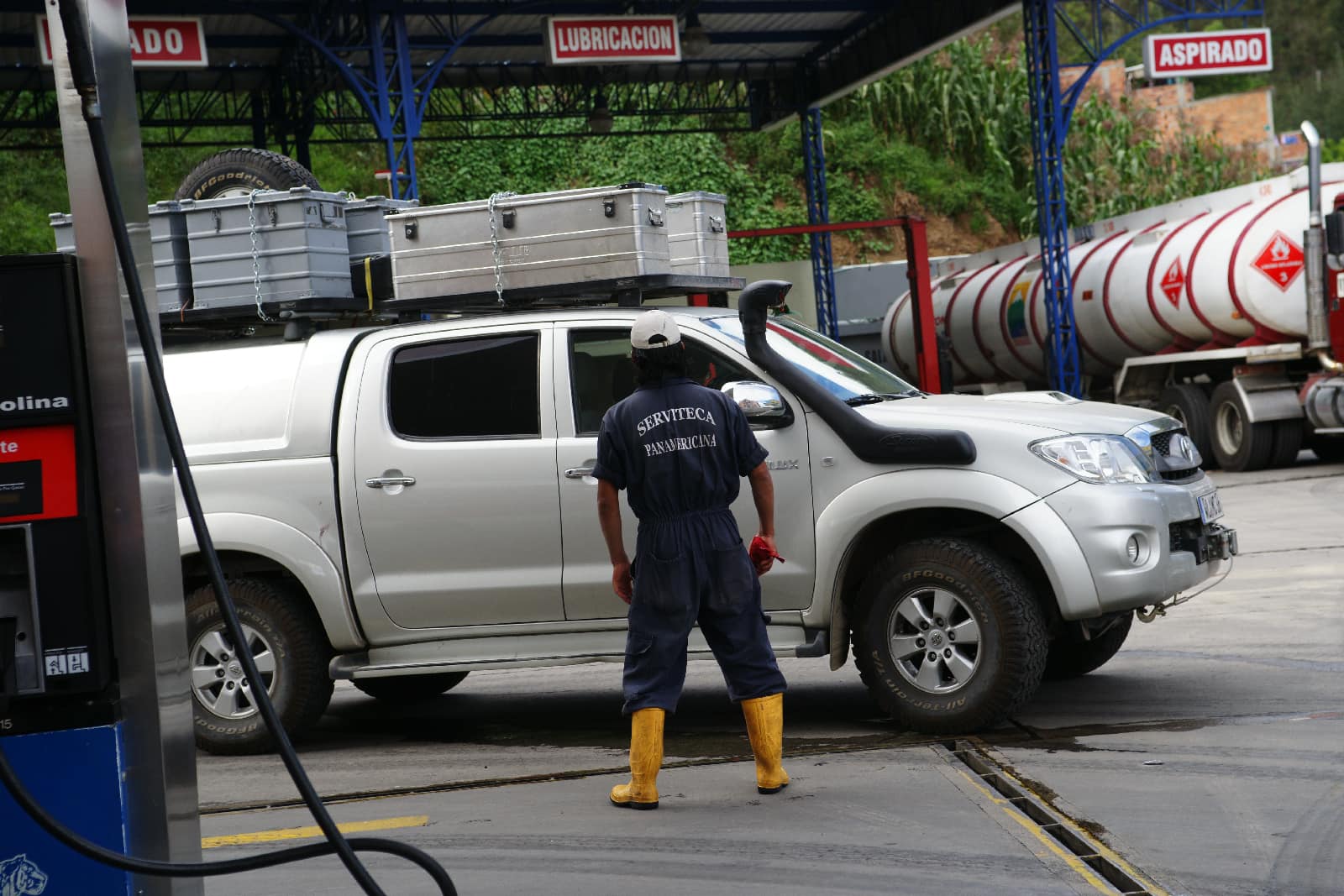
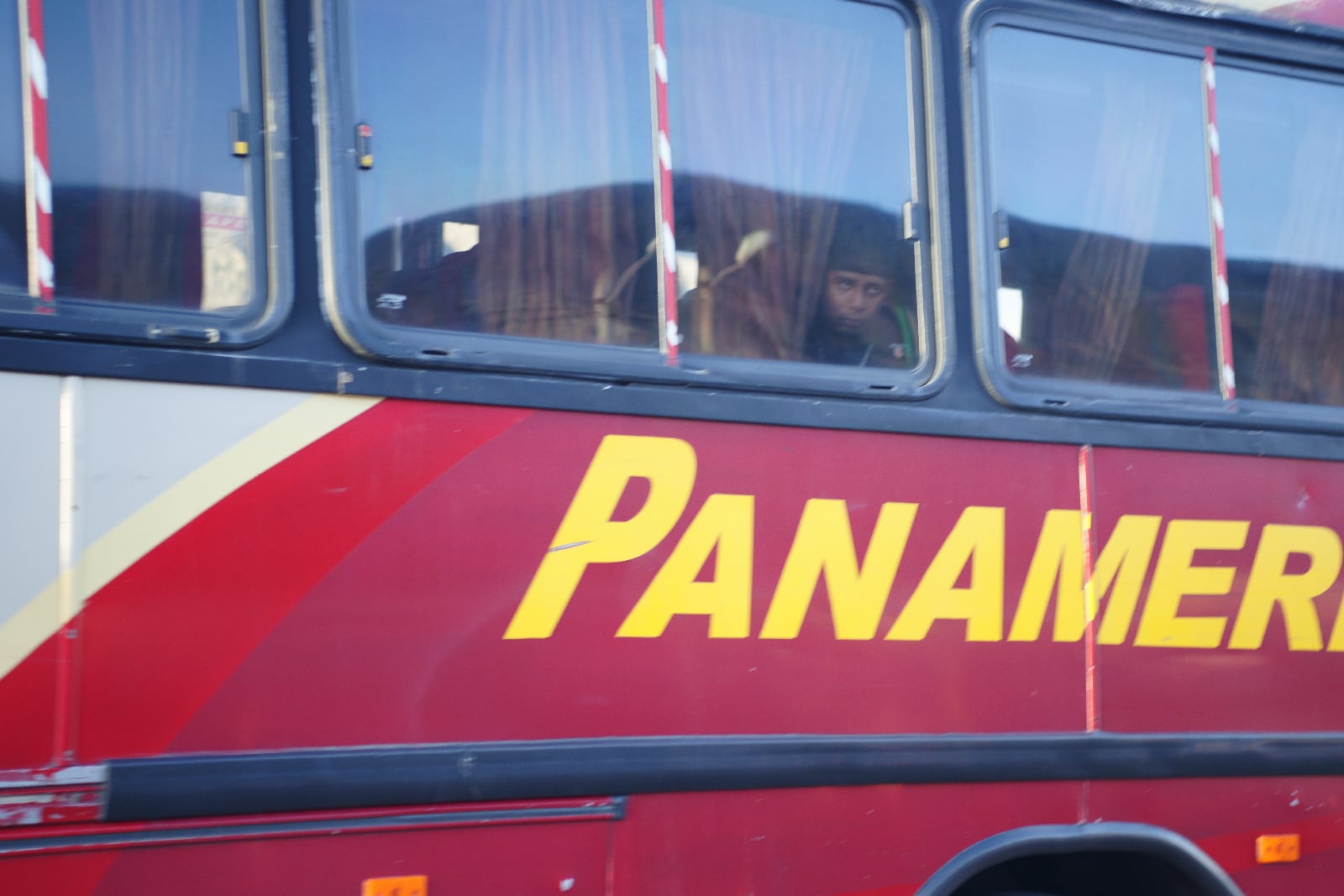
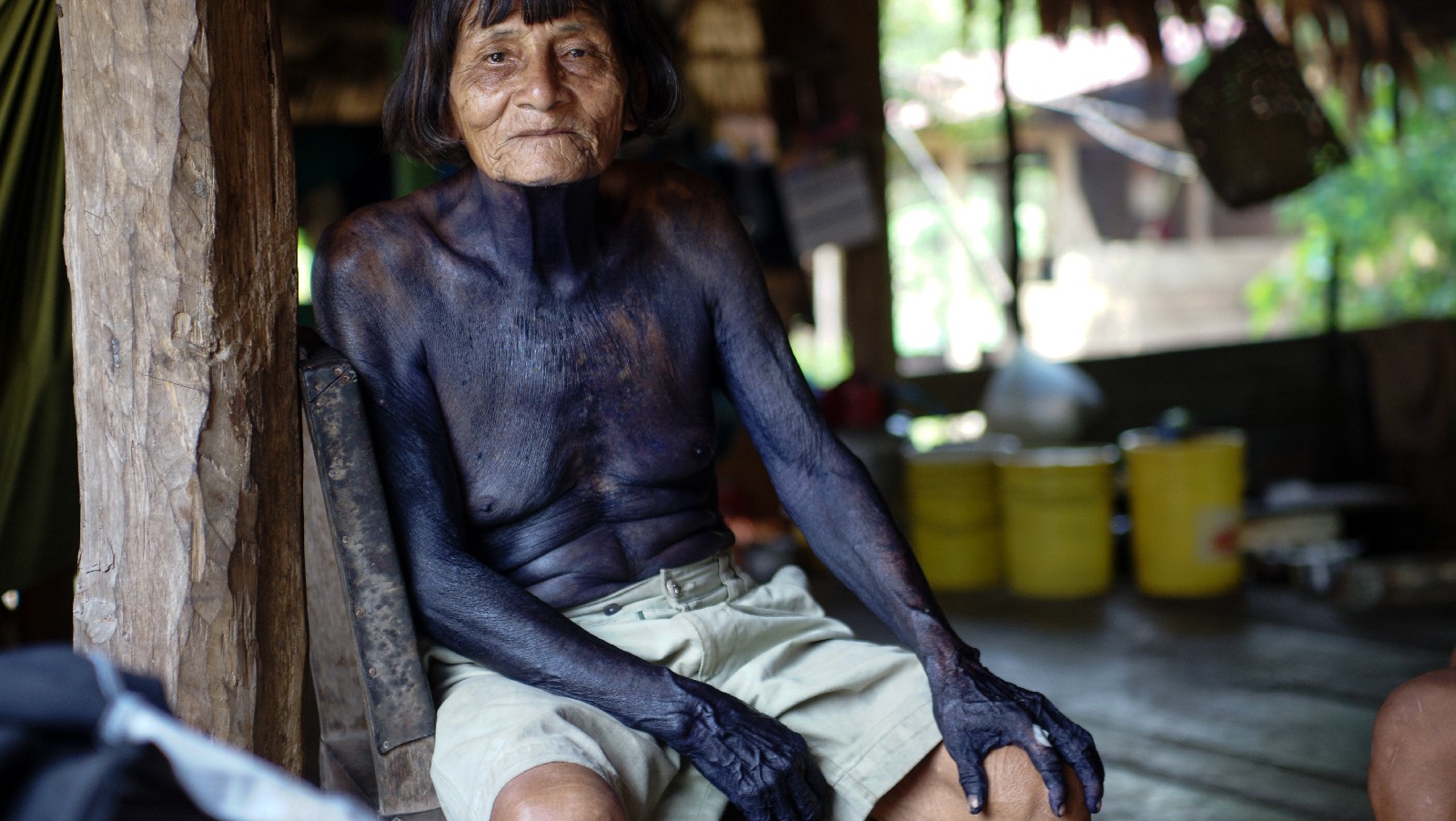
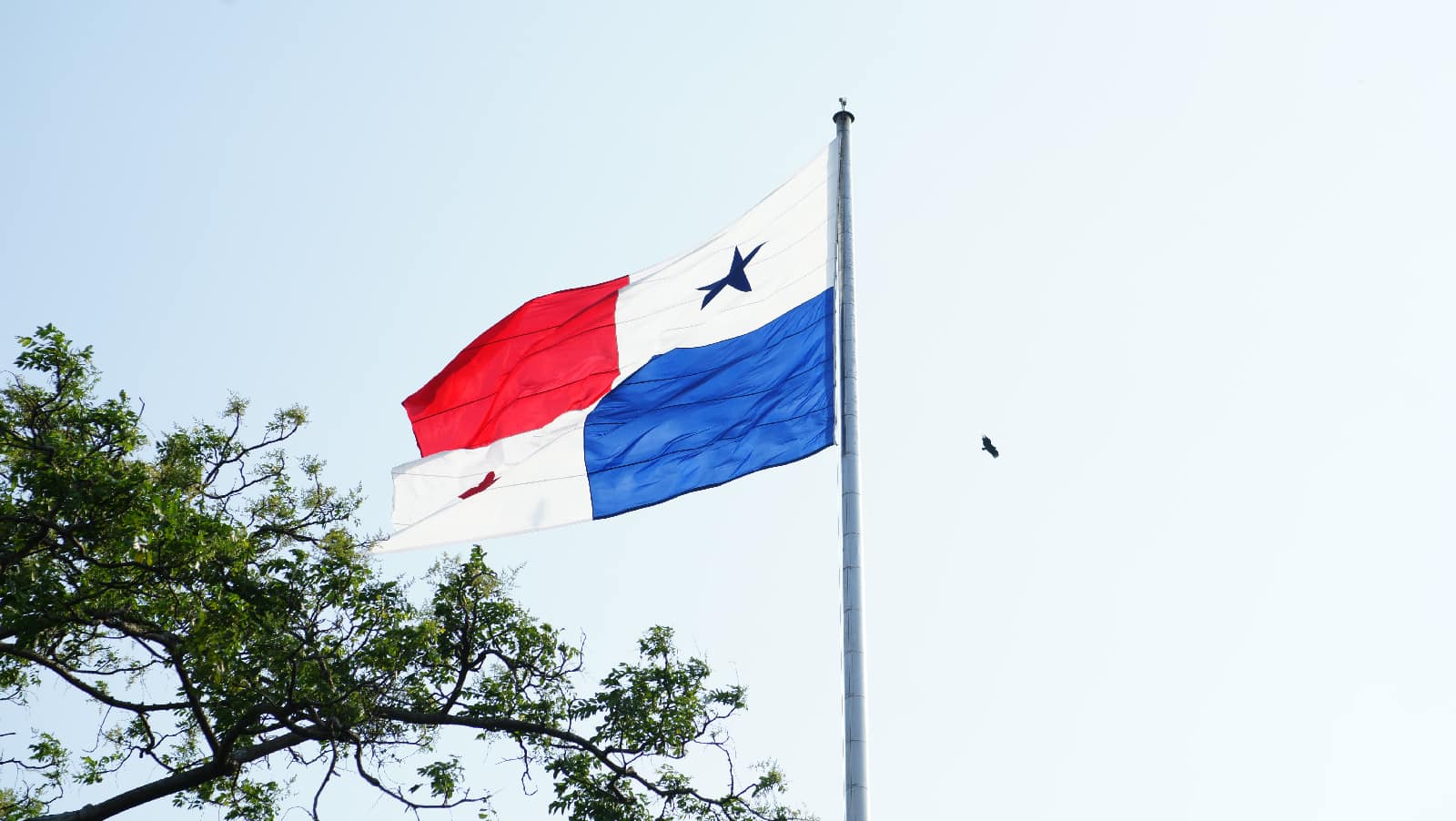
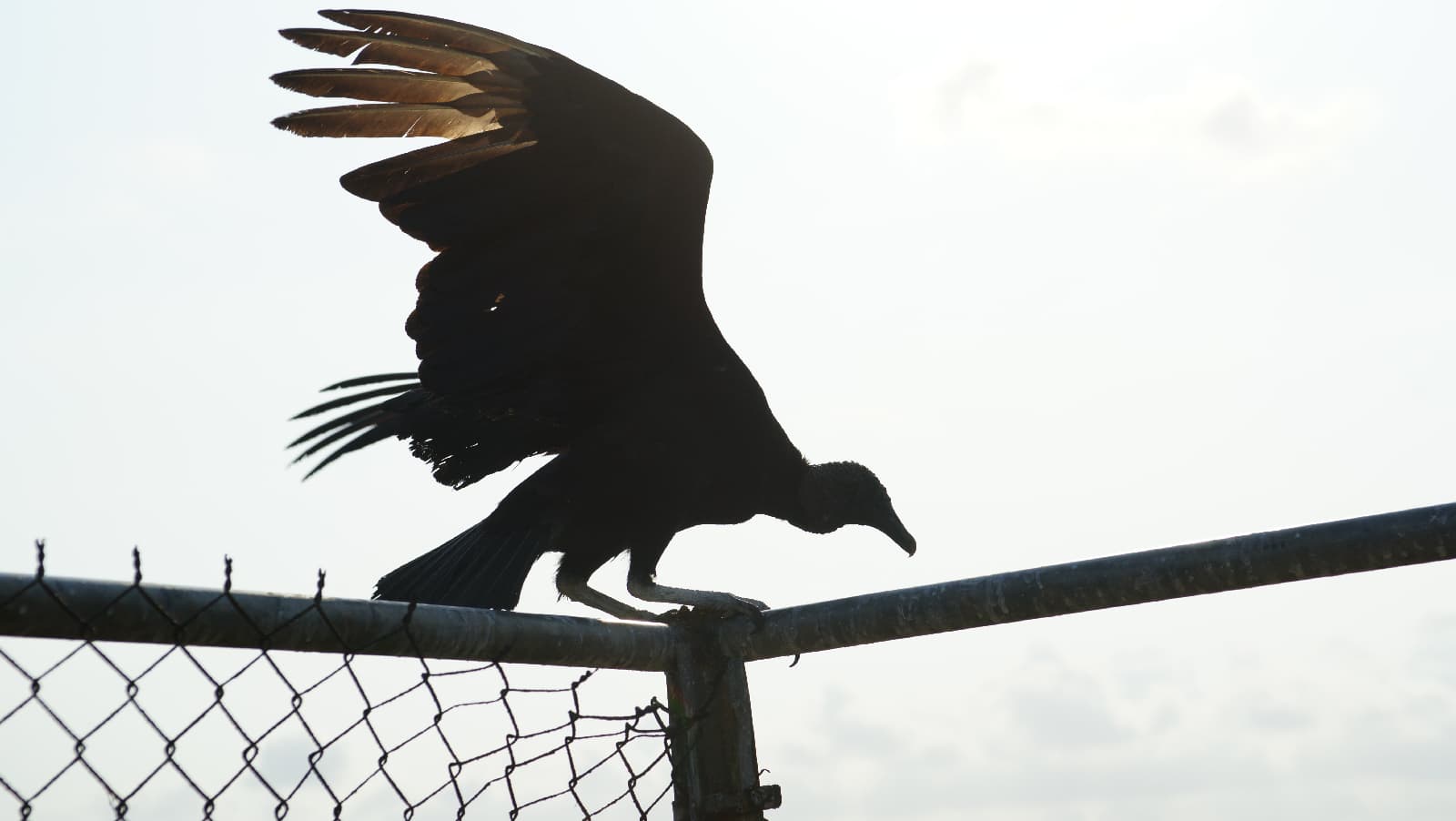
The Panamerican Highway

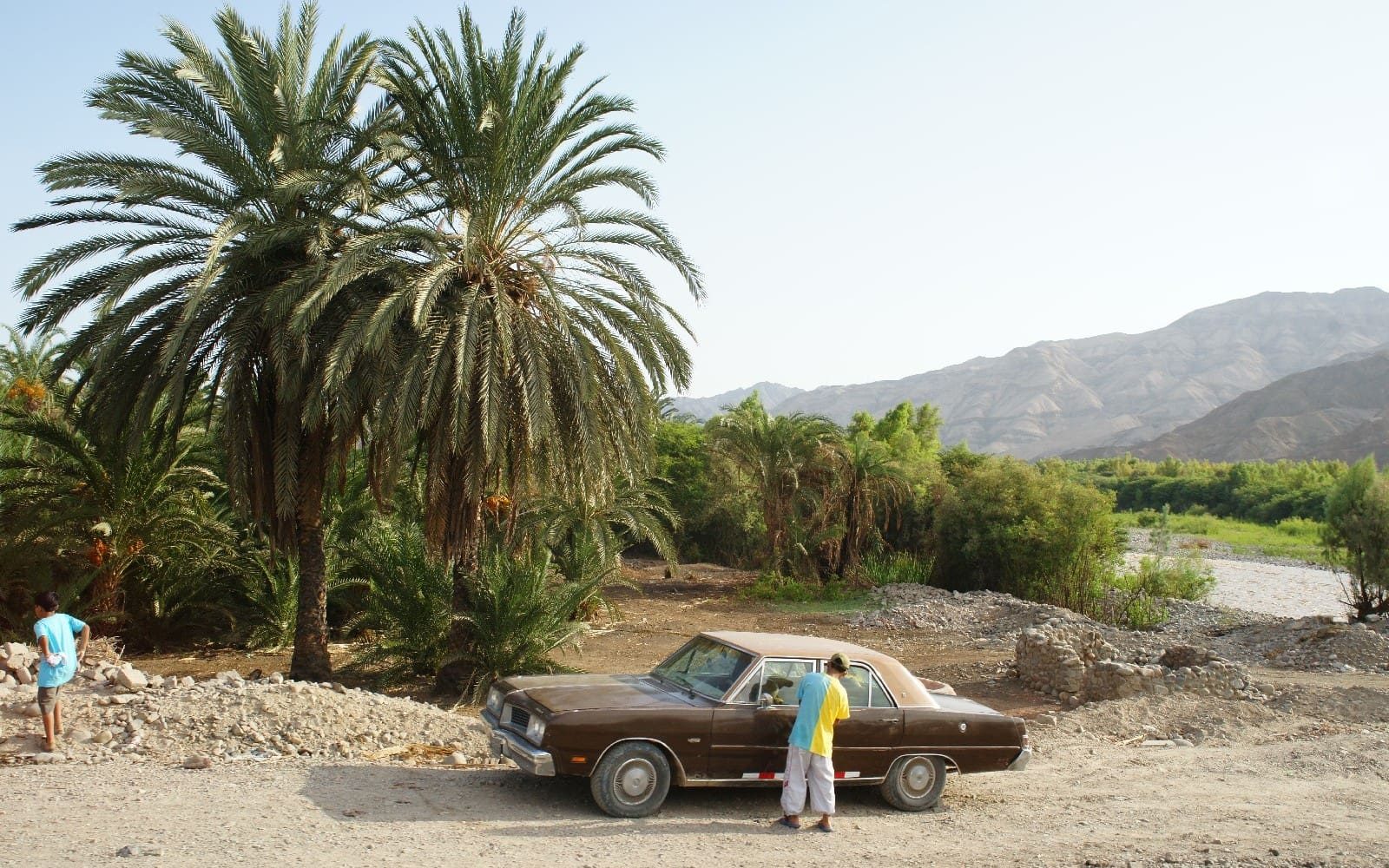
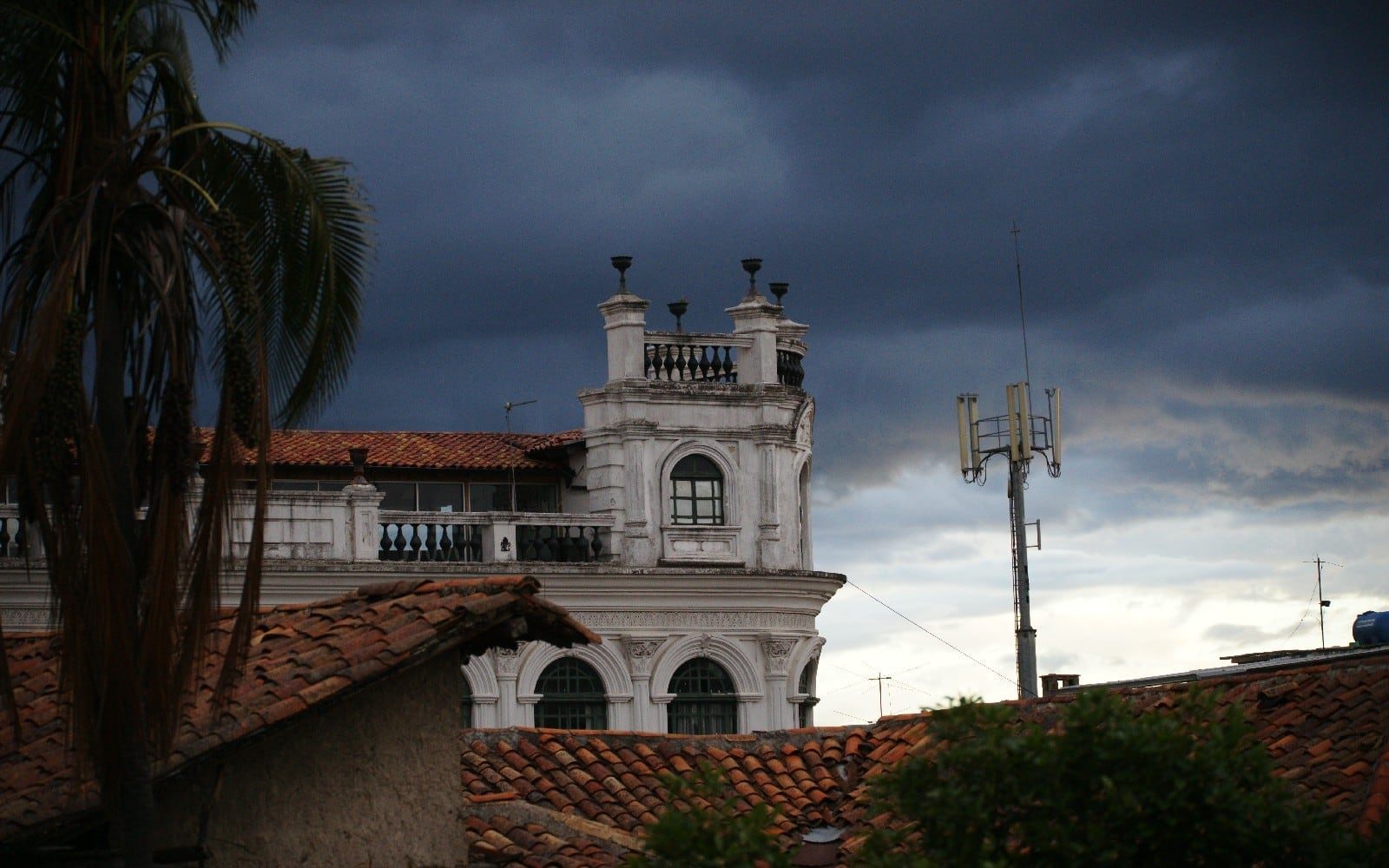
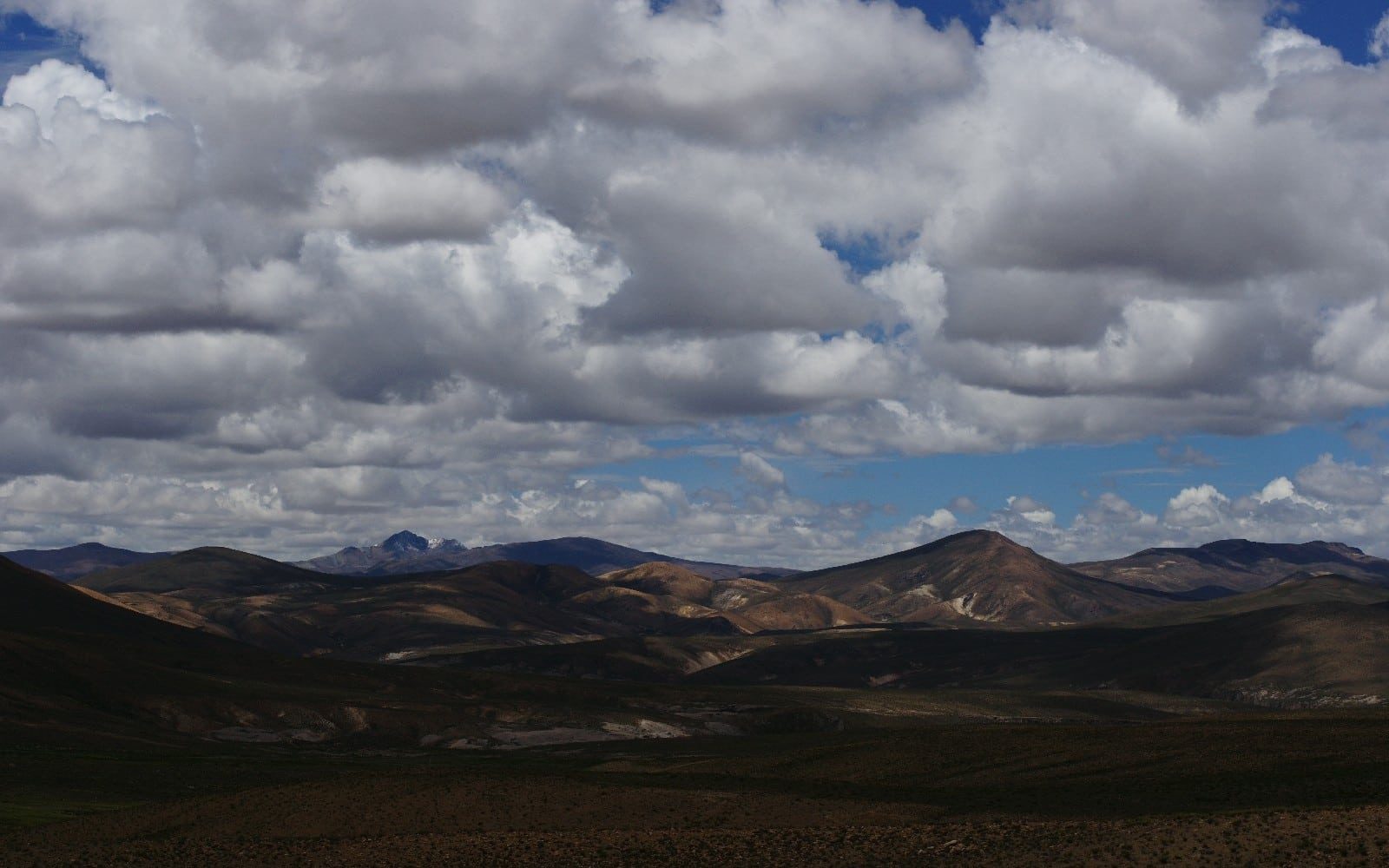
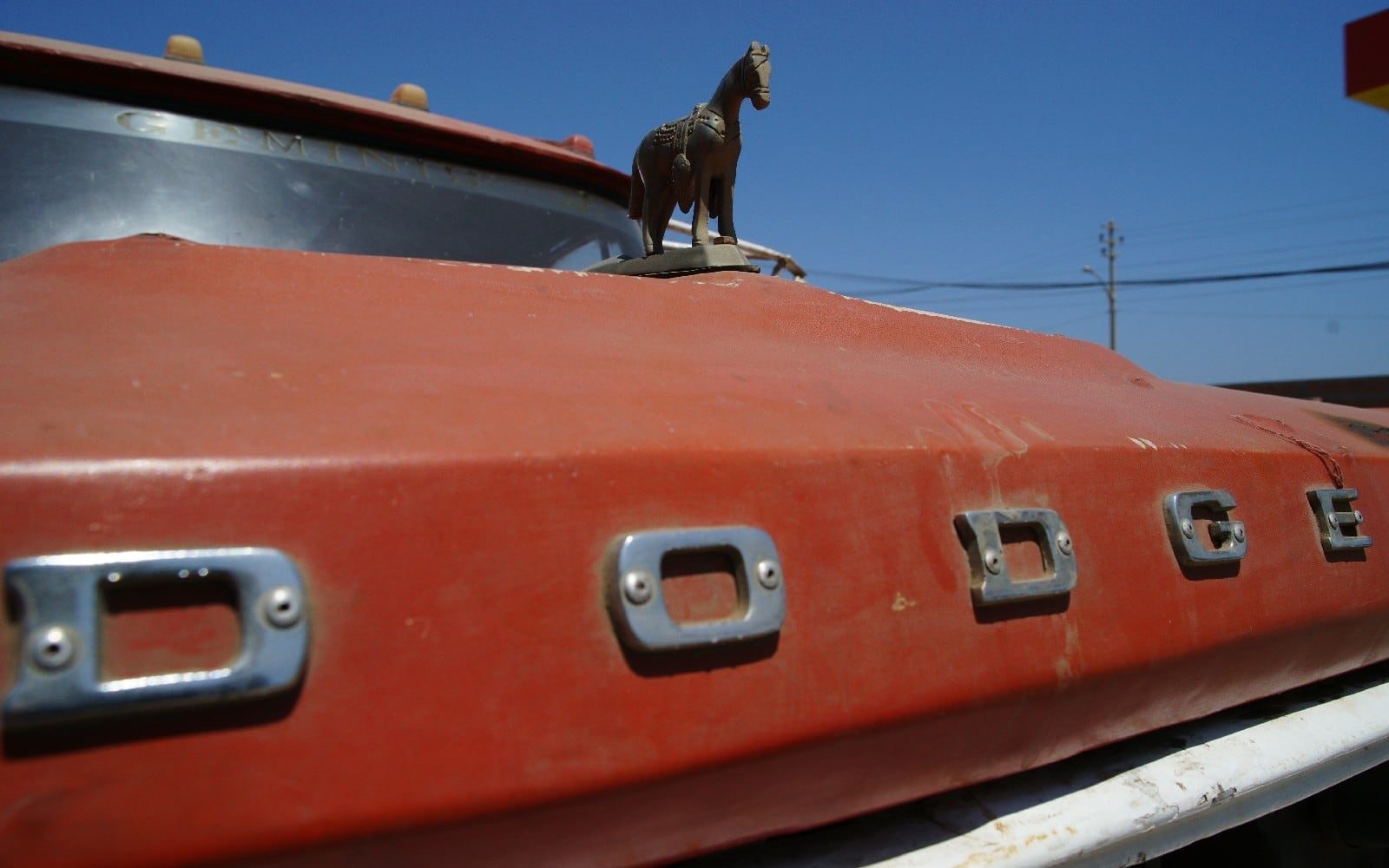
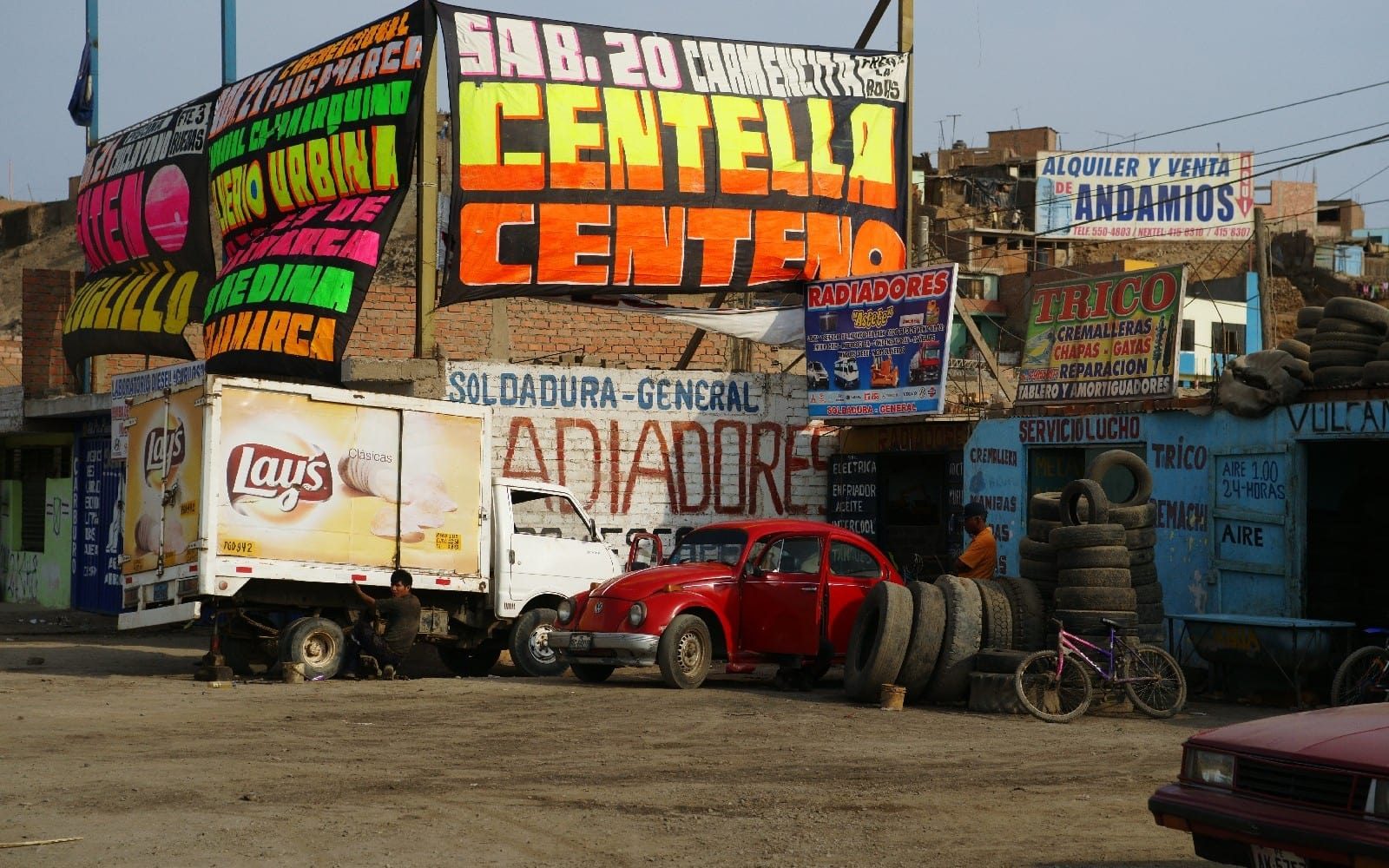
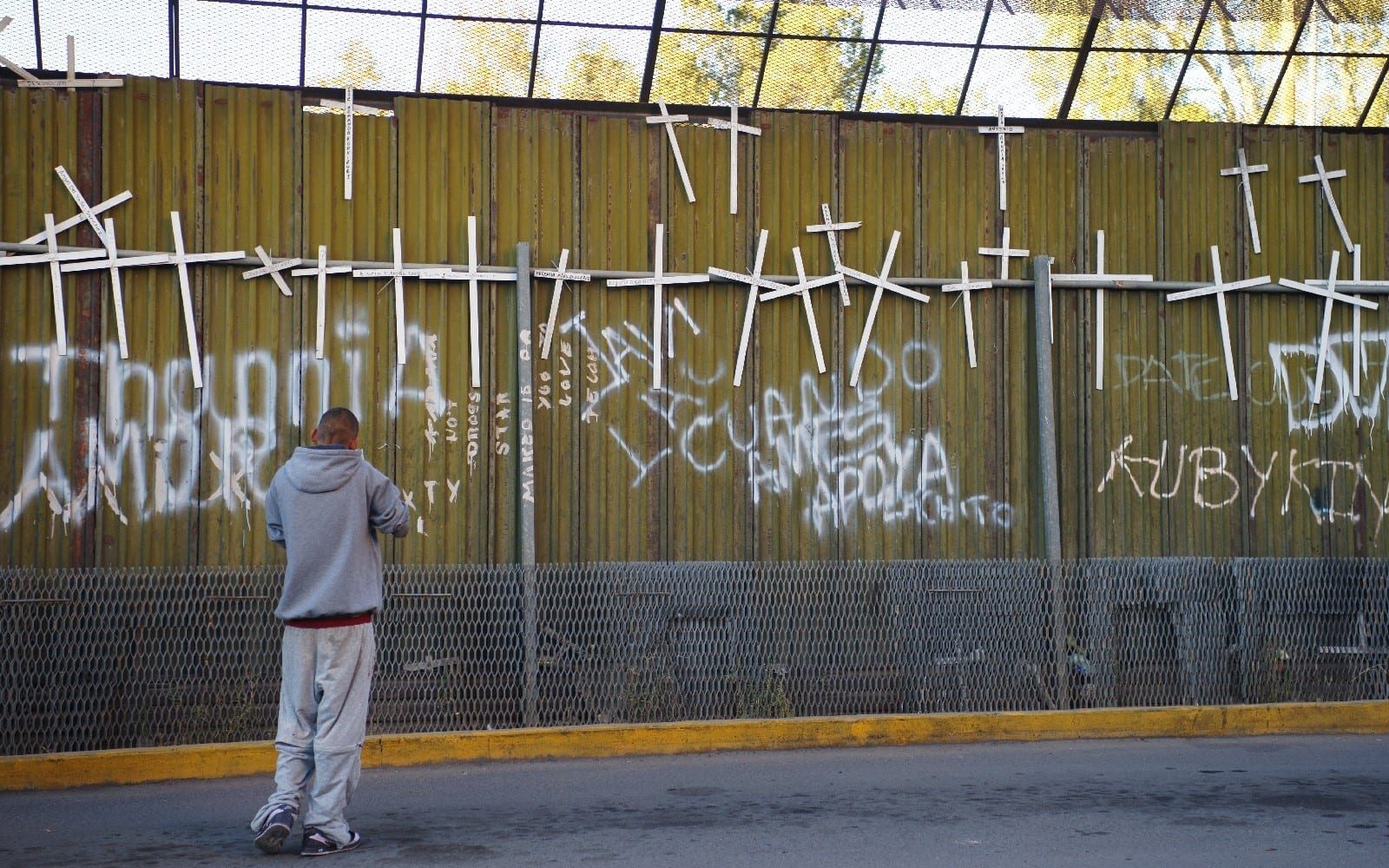
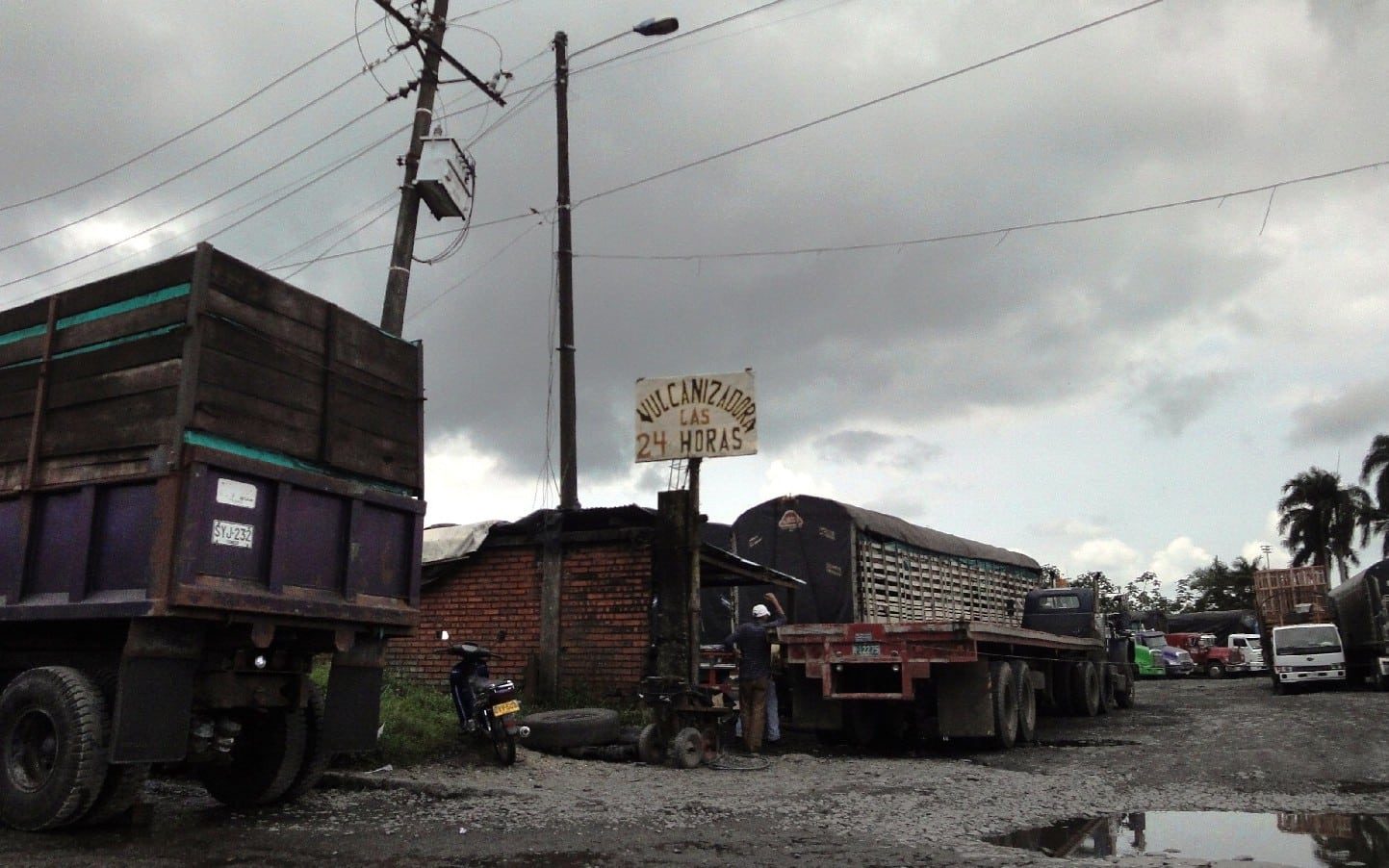
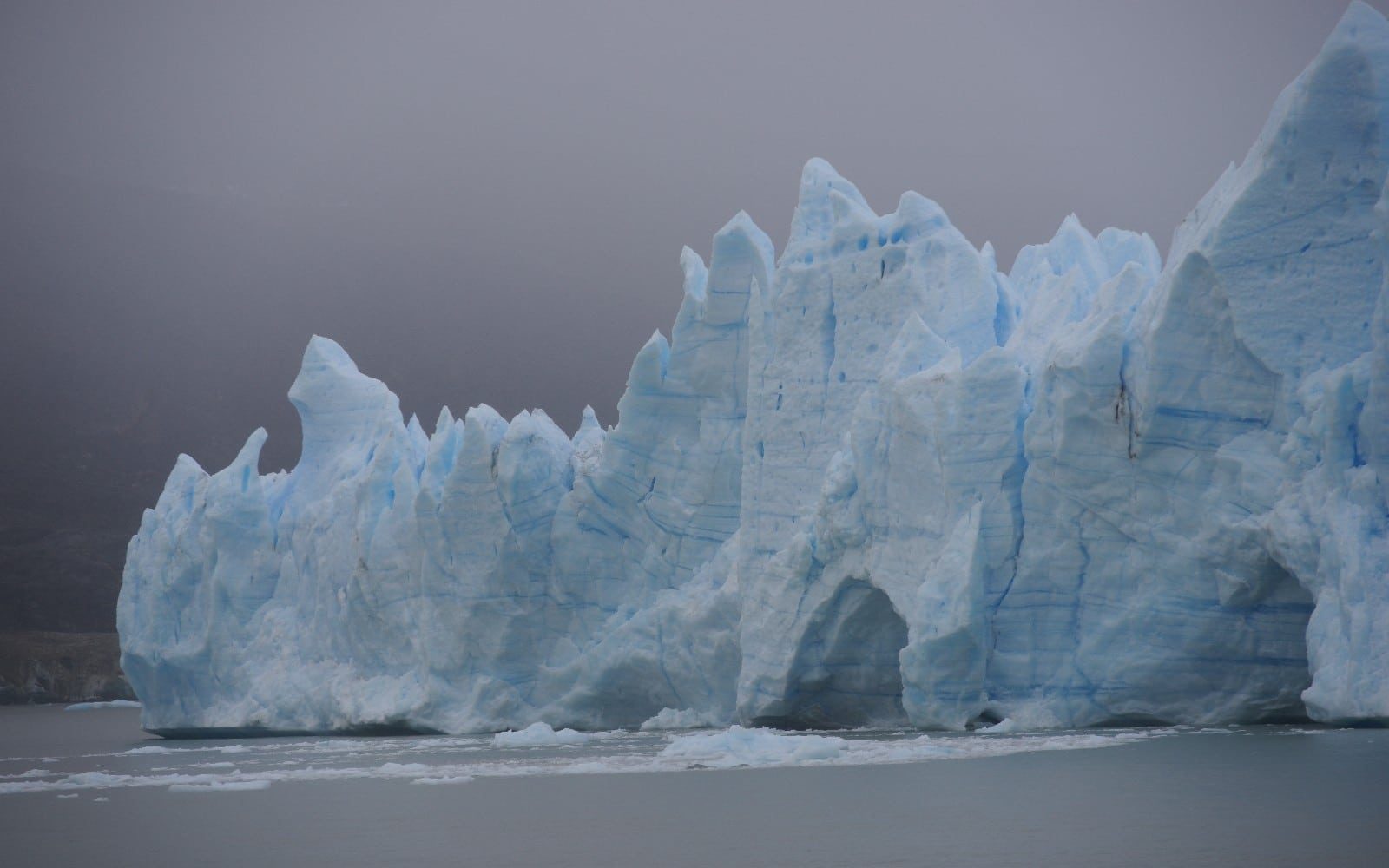
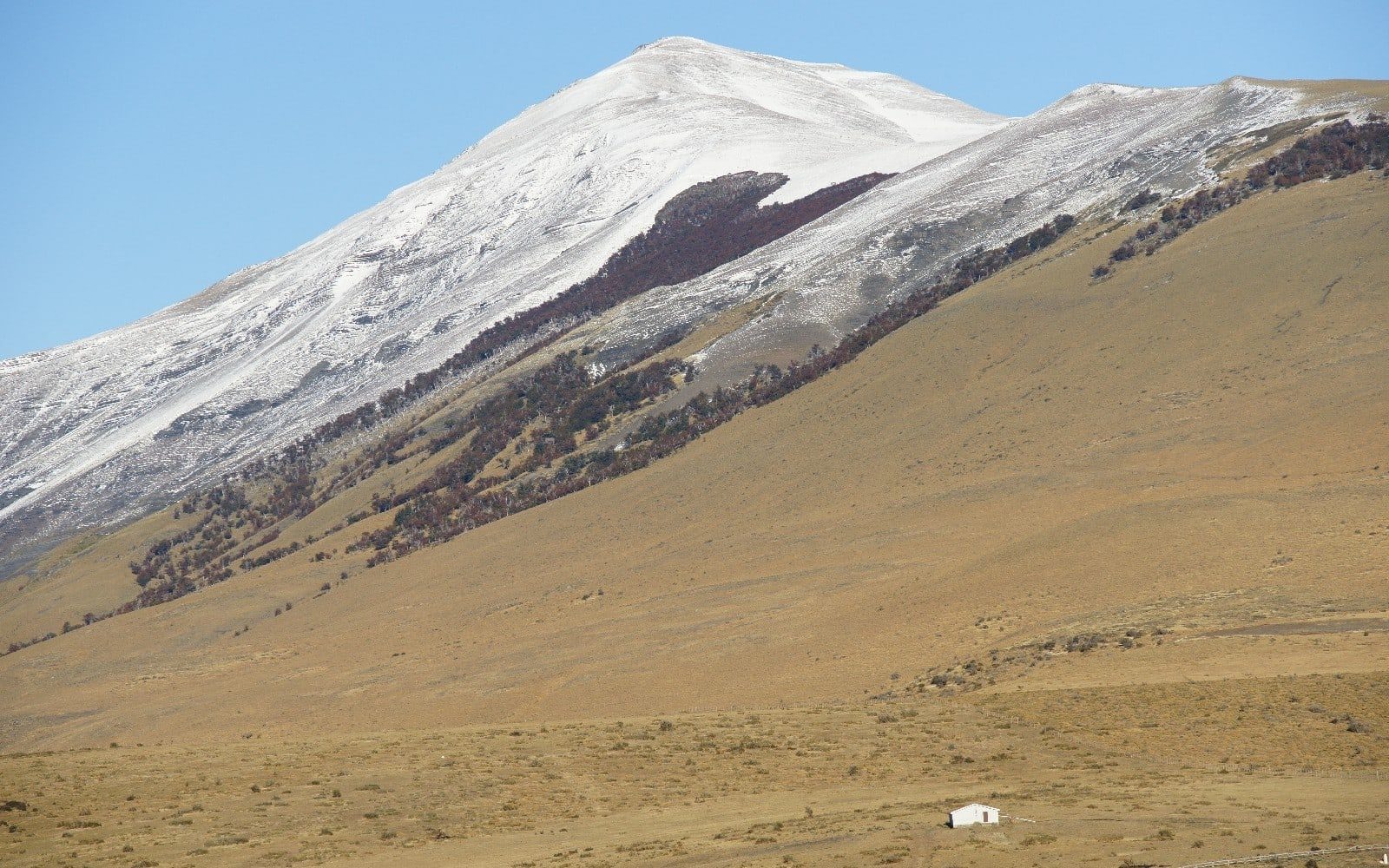
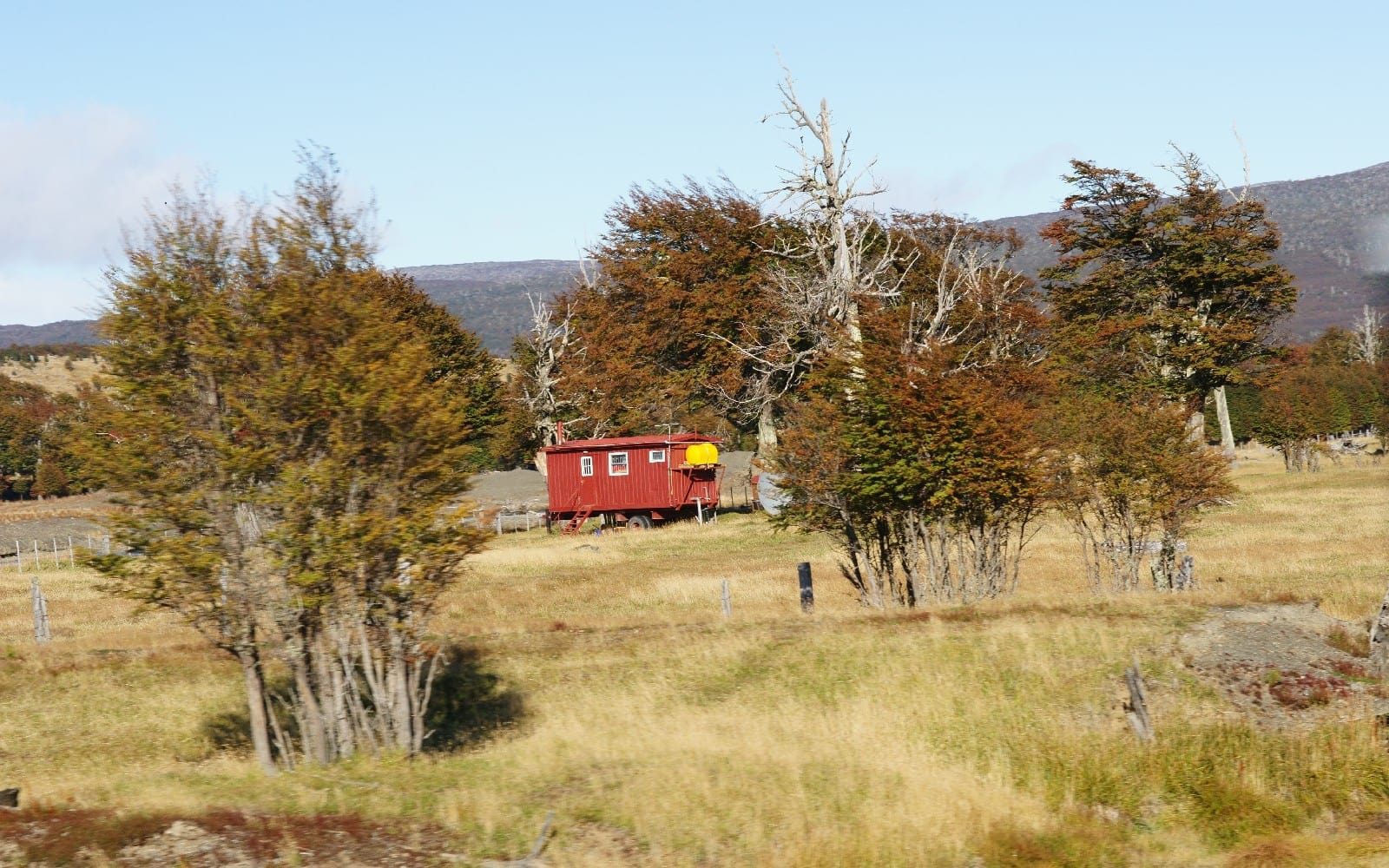
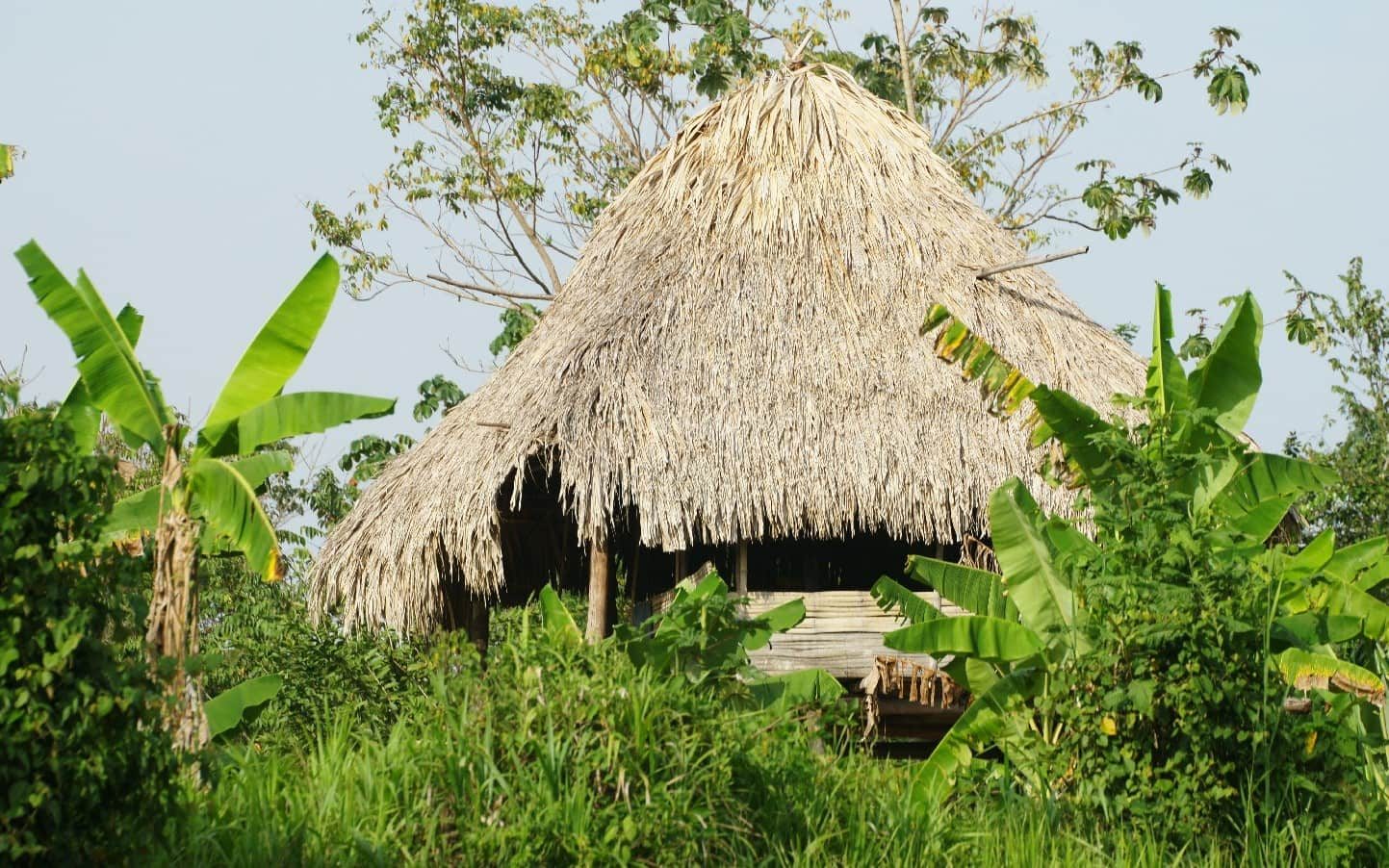
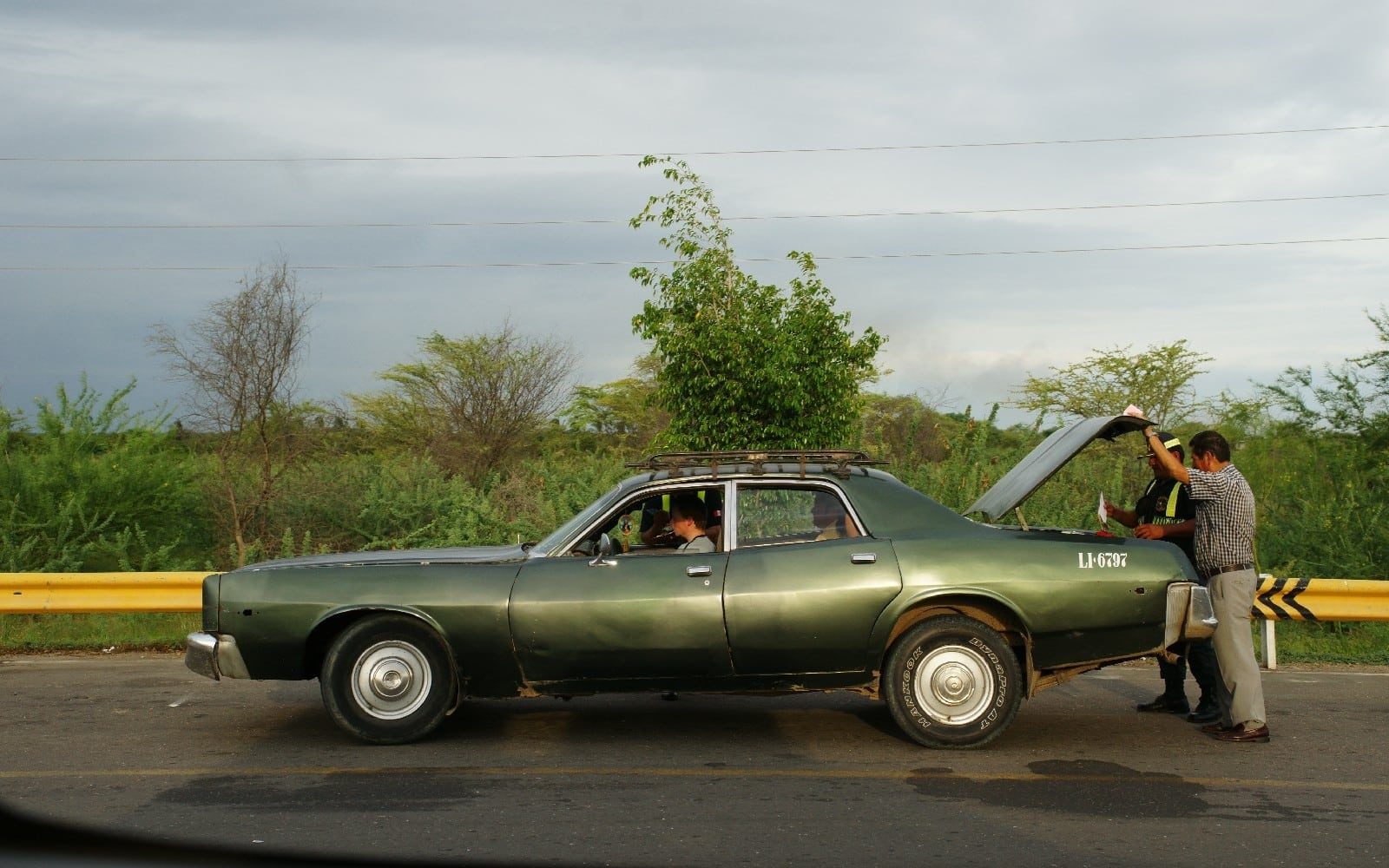
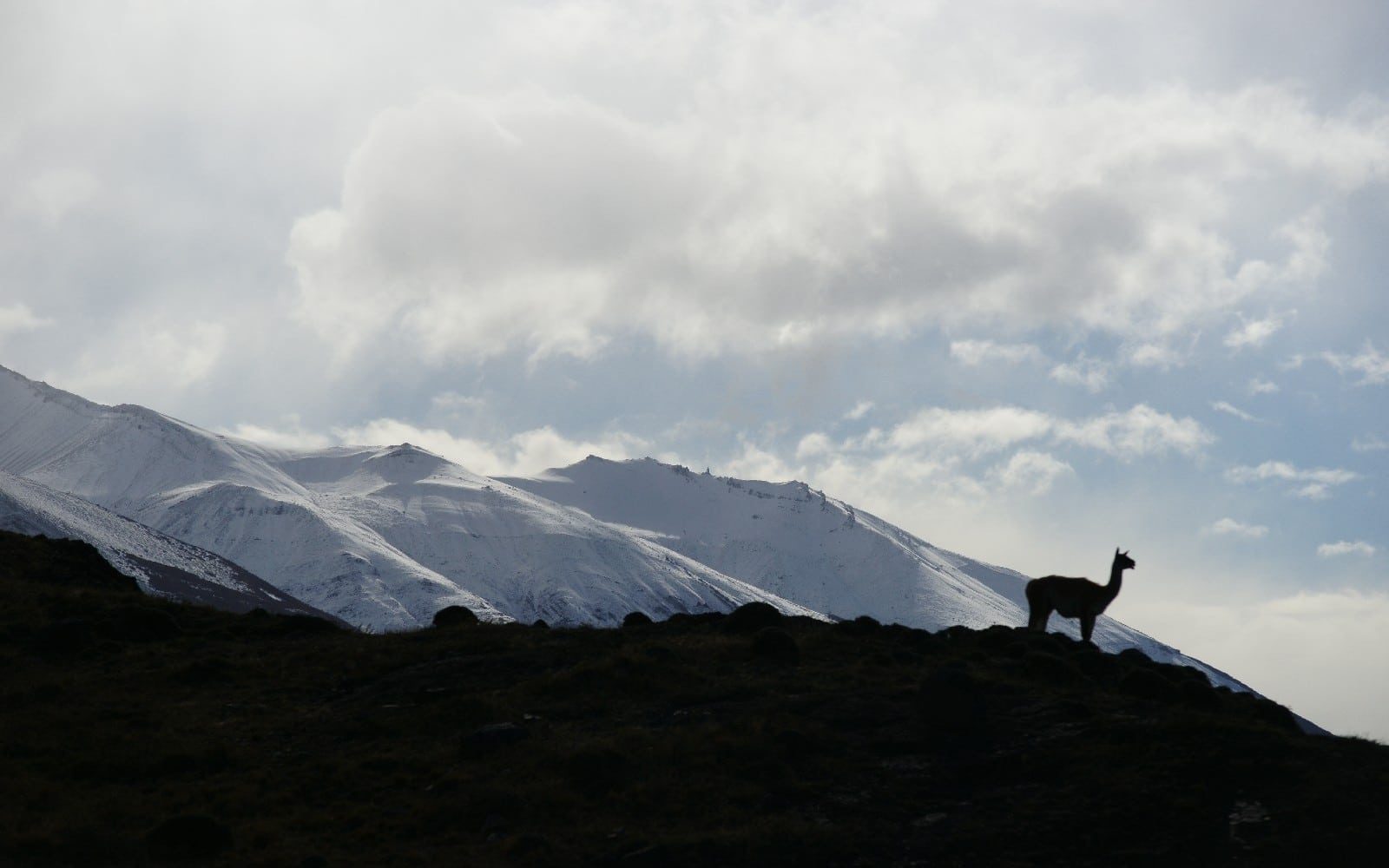
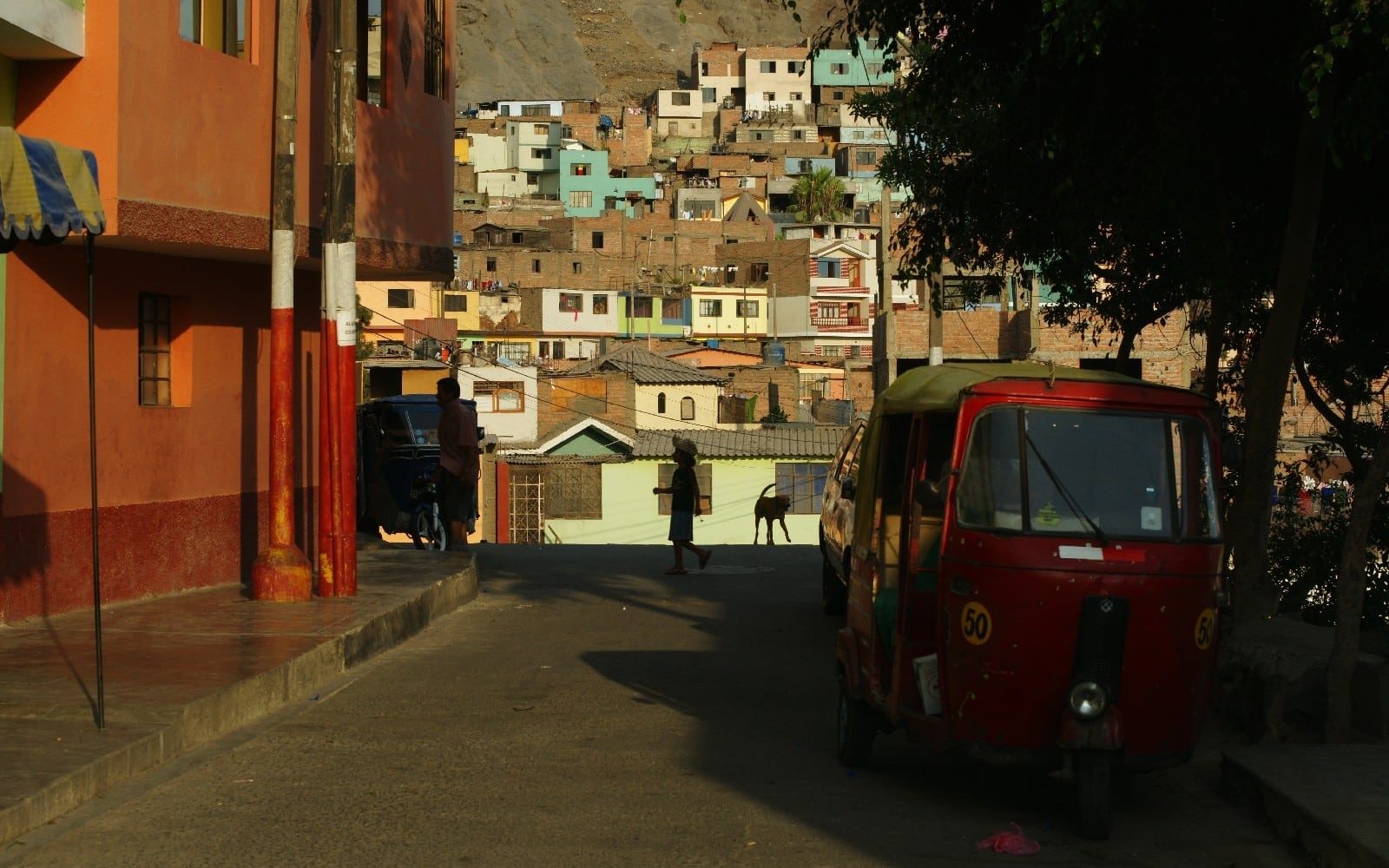
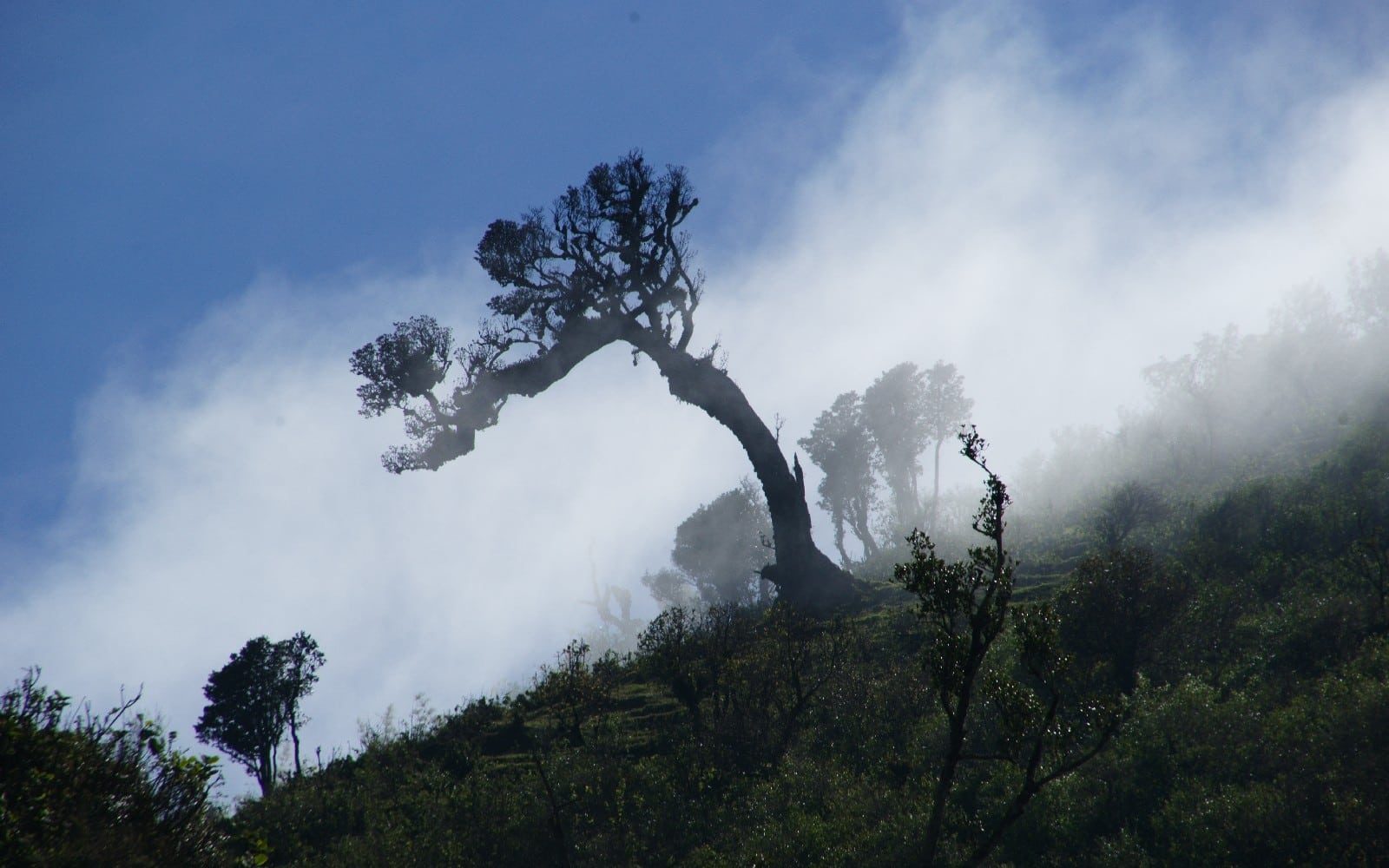
Travelling, filming, blogging for 6 month – 35.000 American kilometers – from top to bottom.


  • Driving, filming, blogging for 6 month - 35.000 Kilometers - from top to bottom of the American continent.
  • Driving, filming, blogging for 6 month - 35.000 Kilometers - from top to bottom of the American continent.
  • Driving, filming, blogging for 6 month - 35.000 Kilometers - from top to bottom of the American continent.
  • Driving, filming, blogging for 6 month - 35.000 Kilometers - from top to bottom of the American continent.
  • Driving, filming, blogging for 6 month - 35.000 Kilometers - from top to bottom of the American continent.
  • Driving, filming, blogging for 6 month - 35.000 Kilometers - from top to bottom of the American continent.
  • Driving, filming, blogging for 6 month - 35.000 Kilometers - from top to bottom of the American continent.
  • Driving, filming, blogging for 6 month - 35.000 Kilometers - from top to bottom of the American continent.
  • Driving, filming, blogging for 6 month - 35.000 Kilometers - from top to bottom of the American continent.
  • Driving, filming, blogging for 6 month - 35.000 Kilometers - from top to bottom of the American continent.
  • Driving, filming, blogging for 6 month - 35.000 Kilometers - from top to bottom of the American continent.
  • Driving, filming, blogging for 6 month - 35.000 Kilometers - from top to bottom of the American continent.
  • Driving, filming, blogging for 6 month - 35.000 Kilometers - from top to bottom of the American continent.
  • Driving, filming, blogging for 6 month - 35.000 Kilometers - from top to bottom of the American continent.
  • Driving, filming, blogging for 6 month - 35.000 Kilometers - from top to bottom of the American continent.
  • Driving, filming, blogging for 6 month - 35.000 Kilometers - from top to bottom of the American continent.
  • Driving, filming, blogging for 6 month - 35.000 Kilometers - from top to bottom of the American continent.
  • Driving, filming, blogging for 6 month - 35.000 Kilometers - from top to bottom of the American continent.
  • Driving, filming, blogging for 6 month - 35.000 Kilometers - from top to bottom of the American continent.
  • Driving, filming, blogging for 6 month - 35.000 Kilometers - from top to bottom of the American continent.
  • Driving, filming, blogging for 6 month - 35.000 Kilometers - from top to bottom of the American continent.
  • Driving, filming, blogging for 6 month - 35.000 Kilometers - from top to bottom of the American continent.
  • Driving, filming, blogging for 6 month - 35.000 Kilometers - from top to bottom of the American continent.
  • Driving, filming, blogging for 6 month - 35.000 Kilometers - from top to bottom of the American continent.
  • Driving, filming, blogging for 6 month - 35.000 Kilometers - from top to bottom of the American continent.
  • Driving, filming, blogging for 6 month - 35.000 Kilometers - from top to bottom of the American continent.
  • Driving, filming, blogging for 6 month - 35.000 Kilometers - from top to bottom of the American continent.
  • Driving, filming, blogging for 6 month - 35.000 Kilometers - from top to bottom of the American continent.
  • Driving, filming, blogging for 6 month - 35.000 Kilometers - from top to bottom of the American continent.
  • Driving, filming, blogging for 6 month - 35.000 Kilometers - from top to bottom of the American continent.
  • Driving, filming, blogging for 6 month - 35.000 Kilometers - from top to bottom of the American continent.
  • Driving, filming, blogging for 6 month - 35.000 Kilometers - from top to bottom of the American continent.
  • Driving, filming, blogging for 6 month - 35.000 Kilometers - from top to bottom of the American continent.
  • Driving, filming, blogging for 6 month - 35.000 Kilometers - from top to bottom of the American continent.
  • Driving, filming, blogging for 6 month - 35.000 Kilometers - from top to bottom of the American continent.
  • Driving, filming, blogging for 6 month - 35.000 Kilometers - from top to bottom of the American continent.
  • Driving, filming, blogging for 6 month - 35.000 Kilometers - from top to bottom of the American continent.
  • Driving, filming, blogging for 6 month - 35.000 Kilometers - from top to bottom of the American continent.
  • Driving, filming, blogging for 6 month - 35.000 Kilometers - from top to bottom of the American continent.
  • Driving, filming, blogging for 6 month - 35.000 Kilometers - from top to bottom of the American continent.
  • Driving, filming, blogging for 6 month - 35.000 Kilometers - from top to bottom of the American continent.
  • Driving, filming, blogging for 6 month - 35.000 Kilometers - from top to bottom of the American continent.
  • Driving, filming, blogging for 6 month - 35.000 Kilometers - from top to bottom of the American continent.
  • Driving, filming, blogging for 6 month - 35.000 Kilometers - from top to bottom of the American continent.
  • Driving, filming, blogging for 6 month - 35.000 Kilometers - from top to bottom of the American continent.
  • Driving, filming, blogging for 6 month - 35.000 Kilometers - from top to bottom of the American continent.
  • Driving, filming, blogging for 6 month - 35.000 Kilometers - from top to bottom of the American continent.
  • Driving, filming, blogging for 6 month - 35.000 Kilometers - from top to bottom of the American continent.
  • Driving, filming, blogging for 6 month - 35.000 Kilometers - from top to bottom of the American continent.
  • Driving, filming, blogging for 6 month - 35.000 Kilometers - from top to bottom of the American continent.
  • Driving, filming, blogging for 6 month - 35.000 Kilometers - from top to bottom of the American continent.
  • Driving, filming, blogging for 6 month - 35.000 Kilometers - from top to bottom of the American continent.
  • Driving, filming, blogging for 6 month - 35.000 Kilometers - from top to bottom of the American continent.
  • Driving, filming, blogging for 6 month - 35.000 Kilometers - from top to bottom of the American continent.
  • Driving, filming, blogging for 6 month - 35.000 Kilometers - from top to bottom of the American continent.
  • Driving, filming, blogging for 6 month - 35.000 Kilometers - from top to bottom of the American continent.
  • Driving, filming, blogging for 6 month - 35.000 Kilometers - from top to bottom of the American continent.
  • Driving, filming, blogging for 6 month - 35.000 Kilometers - from top to bottom of the American continent.
  • Driving, filming, blogging for 6 month - 35.000 Kilometers - from top to bottom of the American continent.
  • Driving, filming, blogging for 6 month - 35.000 Kilometers - from top to bottom of the American continent.
  • Driving, filming, blogging for 6 month - 35.000 Kilometers - from top to bottom of the American continent.
  • Driving, filming, blogging for 6 month - 35.000 Kilometers - from top to bottom of the American continent.
  • Driving, filming, blogging for 6 month - 35.000 Kilometers - from top to bottom of the American continent.
  • Driving, filming, blogging for 6 month - 35.000 Kilometers - from top to bottom of the American continent.
  • Driving, filming, blogging for 6 month - 35.000 Kilometers - from top to bottom of the American continent.
  • Driving, filming, blogging for 6 month - 35.000 Kilometers - from top to bottom of the American continent.
  • Driving, filming, blogging for 6 month - 35.000 Kilometers - from top to bottom of the American continent.
  • Driving, filming, blogging for 6 month - 35.000 Kilometers - from top to bottom of the American continent.
  • Driving, filming, blogging for 6 month - 35.000 Kilometers - from top to bottom of the American continent.
  • Driving, filming, blogging for 6 month - 35.000 Kilometers - from top to bottom of the American continent.
  • Driving, filming, blogging for 6 month - 35.000 Kilometers - from top to bottom of the American continent.


The “Carretera Panamericana” connects Alaska with Tierra del Fuego, Argentina. It runs from the extreme north of America to the most southerly tip of the inhabitable world. Beyond Ushuaia, there’s only water and ice. With a length of 35,000 kilometres, the Carretera Panamericana is a highway of superlatives. The world’s longest road leads through the history and culture of the American continent, passing along political crisis regions and natural landscapes of indescribable beauty. The “Pan-American Highway” is the north-south axis of the American continent. It passes through 17 countries and winds its way through four climate zones and almost all the vegetation zones of the planet. A highway system of extremes “right from the top to the very bottom”. It is the synonym of freedom and adventure – Vamos! Read More

NDR/SWR „Adventure Panamericana”

12153114179_Original_EPG-DB

2010 NDR “Adventure Panamericana”

„Abenteuer Panamericana”

Autor & Director & Producer – 5 × 45 min. documentary series

The “Carretera Panamericana” connects Alaska with Tierra del Fuego. It runs from the northern extremity of North America to the most southerly tip of the inhabitable world – beyond this, there’s only water and ice. The “Pan-American Highway” is the north-south axis of the Americas. It passes through 17 countries and winds its way through four climate zones and almost all the vegetation zones of the earth. With a length of 35,000 kilometers, this is a highway of superlatives. The world’s longest road leads through the history and culture of the American continent, passing along political crisis regions and natural landscapes of indescribable beauty. A highway of extremes “right from the top to the very bottom”. It is the paragon of freedom and adventure – Vamos!

Wir machten uns auf den Weg: 35.000 Kilometer, vom äußersten Norden Amerikas zur südlichsten Stadt der Welt: Ushuaia. Sieben Monate Drehreise auf einer der längsten Strassen der Welt, die Panamericana.


2010 Argentina

Bariloche, Esquel, Tierra de Fuego, Ushaia, Isla Martillo, Strait of Magellan, Bajo Caracoles, El Calafate, Ushuaia, Nahuel Huapi Lake, Ruta 40

Gaucho country, endless fields, endless lakes and skies. This country invites you to breathe and open your view. Best steaks ever. Been here bevor, 1997!


2010 Chile

Santiago de Chile, Osorno, Chanaral, Pan de Azucar, ESO Paranal Observatory, Torres del Paine, Porvenir, Iquique, Humbertstone Salpeter Mine

Chiles landscape is probably one of the most breathtaking, divers sceneries I have ever seen. Seeing the full length of the Milky Way was a very touching moment, thank you, European Southern Observatory.


2010 Peru

Atacama, Lima, Cusco, Tacna Sibayo, Chimbote, Chiclayo, Sipan, Piura, Lambayeque, Arequipa, Nazca Lines, Arequipa, Colca Canyon, Tacna

The Atacama is endless. I swore I will hug the first tree I see – after days of driving through nothing.


2010 Ecuador

Quito, Guayacil, Sigsig, Cuenca, Catamayo, Macará, Cajas National Park

Cajas National Park has an average of 4,000 meters of altitude – it’s a Tundra. The air is so clear, that you can’t judge distances. The Paper Tree forest looked like a film-set for dwarfs and elves. Polylepis trees grow to a height of over 3,300 meters, a magic forest.


2010 Colombia

Buenaventura, Cali, Ipiales

Buenaventura is a harbor town with a lot of shady business. The main police station was on the other side of our hotel – it got attacked 2 days after we left. For security reasons, we had to drive through the country more or less in one take. We had private security guards with us and split up into two vehicles, for safety reasons. Not much time for filming.


2010 Panama

Panama City, Colon, Pacific & Atlantic coast, Darién Gap, Yaviza

The little villages along the Panama Canal are completely untouched. People here work all for the Canal. The Darien Gap, a muddy Isthmus between Panama and Colombia, is called one of the most dangerous places on earth. It is a drug and people trafficking route, hiding in the dense, uninhabited jungle.

Embera Indians know their way through the jungle, they sell their knowledge. With a stick and the juice from the Jagua fruit, they gave me a protective tattoo.


2010 Costa Rica

Golfito, San José, Piedras Blancas, Canoasv, Monteverde National Park, Gulf of Nicoya, Tamarindo, Langosta Bay

Living in a treehouse: sleeping at eye level with toucans and listening to the night sounds of the jungle. Fly along steel zip lines through the jungle of Costa Rica, to the next tree house. Watching leatherback turtles lay their eggs at night – unforgettable.


2010 Nicaragua

Border El Espino, Somoto

I got in contact with the wrong group of Sandinist, the ones that were – after elections – no longer supported by the newly-appointed government. I am an enemy of the state now and I am not allowed to ever travel in this country again.


2010 Honduras

Choluteca, Pacific & Atlantic coast, San Lorenzo Reserve, Tegucigalpa, San Pedro Sula

At the El Salvador/Honduran border customs officers wanted a bribe. We reacted unaffected, with the suggestion to camp on top of our car and not pay a dime. It worked – also with the help of the Rotary Club….


2010 El Salvador

Sunzal, San Salvador, Tazumal, La Libertad, El Amatillo

We had armed guards at all times, even when buying an ice cream they escorted us. The guards didn’t want to be treated for an ice cream, because when they eat – they cannot fight off attacks.


2010 Guatemala

Guatemala City, La Mesilla, Huehuetenango, Panajachel, Reserva Los Tarrales, Quetzaltenango, Atitlan, Antigua, Volcano Pacaya, Las Chinamas, Finca Santa Isabel

The ground was so hot, it melted my shoes. The liquid lava sounds like breaking glass. On May 27, 2010 – 3 month later – the Pacaya volcano erupted, followed in several tremors.


2009 Mexico

Mexico City, Nogales, Hermosillo, Copper Canyon, Creel, Cerocahui, Mazatlan, Jalisco, Guadalajara, Tequila, Mexiko City, Teotihuacan, Puebla, Popocatepetl, Oaxaca, Juchitan de Zaragoza, Huatulco, Tuxtla Gutierrez, Palenque, Sumidero Canyon, Chiapas de Corzo, La Mesilla

Mexico being in the news for no good things in 2009 is actually a very interesting, cultural rich and welcoming country.