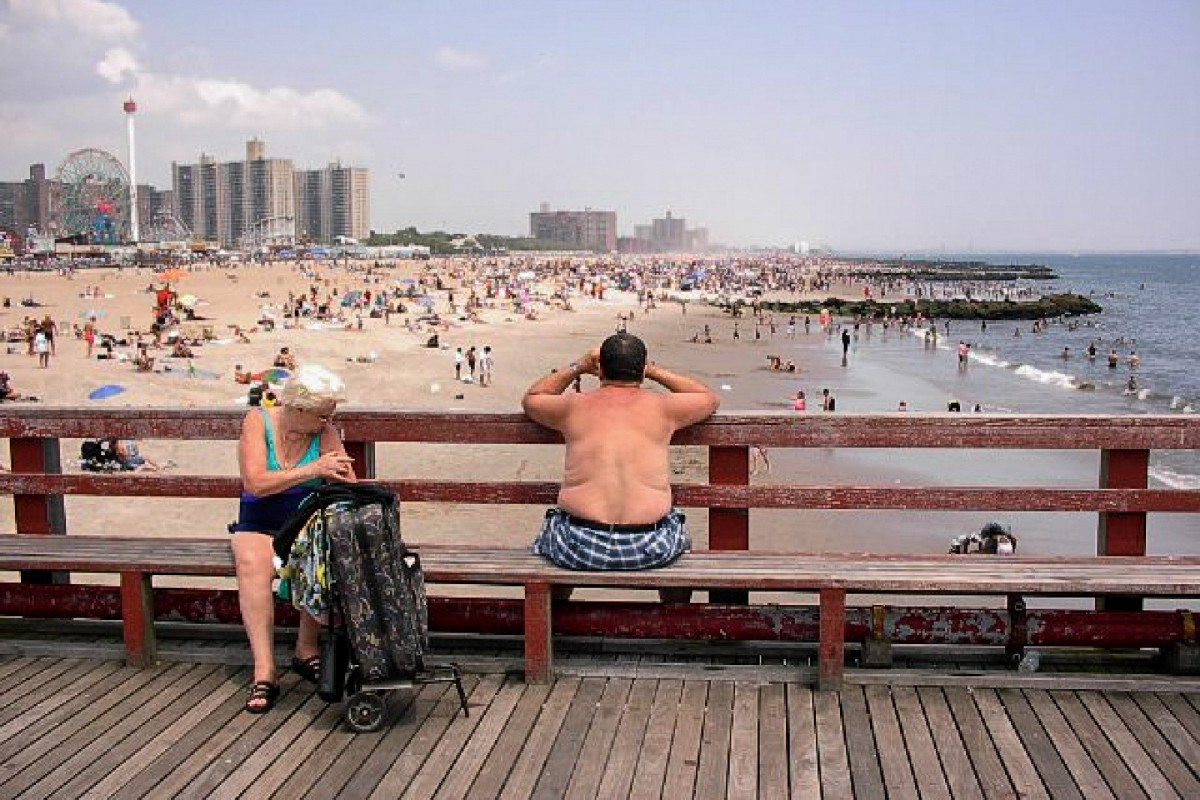
New York City
RONZHEIMER – Wie geht’s, Deutschland?
Regie Folge 1 & 2: Rechtsruck/Migration
jeweils 90min Dokureportage SAT.1
Der mehrfach ausgezeichnete Journalist Paul Ronzheimer blickt in die Seele eines Landes, das aktuell geprägt ist von Unruhe und Sorgen. Rechtsruck, Migration, Armut:
hört den Menschen zu, erlebt ihren Alltag ungefiltert mit und verschafft ihren Standpunkten, Bedenken und Wünschen im politischen Berlin Gehör. Der Reporter geht an die Schmerzpunkte Deutschlands, hinterfragt und will Lösungen finden – für eine bessere Zukunftsperspektive für alle.
ZDF Markus Lanz: Ukraine – Leben mit dem Krieg
Autorin, Regie & 2. Kamera
Erstausstrahlung: 28. November 2023 – 22.45 ZDF
Über Nacht fand sich das Land in einem nun bereits 21 Monate währenden Albtraum wieder. Ein Leben einerseits bestimmt durch Angst, Sorge, Verzweiflung und Entbehrung, aber andererseits zugleich durch Mut, Stärke, Hoffnung und beispiellosem Durchhaltewillen.
In einer eindrücklichen Rundreise durch die Ukraine schildert Markus Lanz, wie die ukrainische Gesellschaft gelernt hat, mit dem Krieg zu leben, Leiden zu ertragen und die Hoffnung auf Frieden und Freiheit nicht aufzugeben. Die Dokumentation führt sie entlang der Städte Lwiw, Kiew, Irpin, Butscha, Mykolajiw, Cherson und Odessa.
Ukraine
Wanderausstellung Instax Mecklenburg Lake District
Moldova & Ukraine
ZDF Markus Lanz: Moldawien ungeschminkt
Autorin, Regie & 2. Kamera
Erstausstrahlung 18.Mai 2023 ZDF 22:15
Markus Lanz reist nach Moldawien, Transnistrien, Gagausien und in den Süden der Ukraine, um mit den Menschen über ihr Leben zwischen den realen und gefühlten Grenzen zu sprechen. Wie wirkt sich der Ukrainekrieg in den Grenzgebieten zwischen Russland und der Republik Moldau aus, dessen Territorium von 1940 bis 1991 zur Sowjetunion gehörte? Und was könnten die politischen und gesellschaftlichen Zukunftsszenarien für diese Region sein? Am Donnerstag, 18. Mai 2023, 22.15 Uhr, beleuchtet diese und weitere Fragen die Dokumentation “Markus Lanz – Moldawien ungeschminkt” in Gesprächen mit den Menschen vor Ort.
Produktionsfirma Gruppe 5 Film
ARD Themenwoche – Wie geht Wir?
Inhaltliche und produktionelle Beratung & Entwicklung
“Wie geht Wir?” Doku: Experiment am Berg
ARD 7.11.2022 Erstausstrahlung
Das Ziel scheint unerreichbar hoch: der 4.017 Meter hohe Weissmies in den Walliser Alpen (Schweiz). Für sechs Menschen ohne Bergerfahrung ist es das Abenteuer ihres Lebens. Eine große Herausforderung für alle, gemeinsam schaffen sie es besser. Im Vorbereitungscamp treffen sie zum ersten Mal aufeinander. Die ARD Themenwoche stellt Konflikte in der Gesellschaft dar und sucht nach Menschen und Möglichkeiten, die für Zusammenhalt in der Gesellschaft sorgen.
Produktionsfirma i&u
ZDF Markus Lanz: Amerika ungeschminkt
Autorin, Regie, 2. Kamera
Die Wahl Joe Bidens zum neuen US-Präsidenten gab vielen Amerikaner*innen neue Hoffnung auf ein besseres Leben. Doch ein Jahr nach seinem Amtsantritt ist die Ernüchterung groß. Dass der „Amerikanische Traum“ nicht wirklich existiert, war bereits vielen US-Bürgern eine schmerzhafte Erkenntnis geworden. Ausgelaugt und müde von den Belastungen einer noch immer nicht kontrollierten Corona-Pandemie, realisieren viele US-Bürger*innen, dass ihnen die größten ökonomischen und gesellschaftlichen Veränderungen noch bevorstehen. Eine Nation, die den Klimawandel lange verdrängt hat, spürt nun die Vorboten.
Nach 2016 und 2017 reist Markus Lanz ein drittes Mal in die USA, in das Post-Trump-Amerika, um mit den Menschen über ihre Wünsche und Träume, über ihre Zukunft und Zukunftsängste zu sprechen.
Erstausstrahlung 4. Januar 2022 , ZDF
Produktion: Gruppe 5 Filmproduktion
Germany: Mecklenburg Lake District
The area is sparsely populated and mainly covered by forests, lakes and marshes. Mecklenburg Lake District is one of the main tourist destinations in Germany, but was deserted during Corona restrictions Spring 2021. We filmed here 2018 for ZDF and it sparked my interest in the region.
Swedish Lapland
Stockholm
ZDF Markus Lanz: Schweden ungeschminkt – Der Sonderweg, der die Welt beschäftigt
Autorin, Regie & 2. Kamera
Erstausstrahlung am 11. März 2021 im ZDF
Das Virus hat auch Schweden im Griff. Zeigt SARS-CoV-2 die Grenzen des „schwedischen Sonderweges“? Die Debatte um den Preis der persönlichen Freiheit spaltet die schwedische Gesellschaft tief. Schweden gilt als Vorreiter in politischen und kulturellen Fragen, die Gesellschaft als offen und liberal. Doch das Selbstbewusstsein der moralischen Supermacht ist angegriffen.
Thematisiert wird in dem Film nicht zuletzt Schwedens Umgang mit der Coronavirus-Pandemie. So spricht Markus Lanz unter anderen mit dem Arzt und Staatsepidemiologen der schwedischen Behörde für öffentliche Gesundheit, Anders Tegnell, dem Architekten der schwedischen Anti-Corona-Strategie, die lange Zeit auf die freiwilligen Maßnahmen der Bevölkerung setzte.
Wird die Corona-Pandemie auch Schweden nachhaltig verändern?
Produktion: Gruppe 5 film GmbH, Köln
Swedish Lapland
Lulea, Pajala, Kiruna
Lapland occupies a happy space in the popular imagination as a winter wonderland, occupied by reindeer, elves and Father Christmas. The real life Lapland, however, is increasingly facing up to the grim reality of global warming. Besides being the name of Swedish and Finnish provinces, Lapland is the English name for a region largely above the Arctic Circle that stretches across the north of Norway, Sweden, Finland and Russia. Nearly a quarter of Sweden’s land area is in Lappland.
Grounded by Corona
Iceland
Reykjavik, Barnafoss, Diamond Beach, Blue Lagoon, Fjaðrárgljúfur Canyon, Thingvellir, Golden Circle, Hraunfossar, Reynisfjara, Seljalandsfoss, Skógafoss, Snæfellsnes Peninsula, Mt. Kirkjufell, Vatnajökull Glacier, Vik, Gullfoss Waterfall
Iceland in December – short winter days in the South and West of Iceland
North India
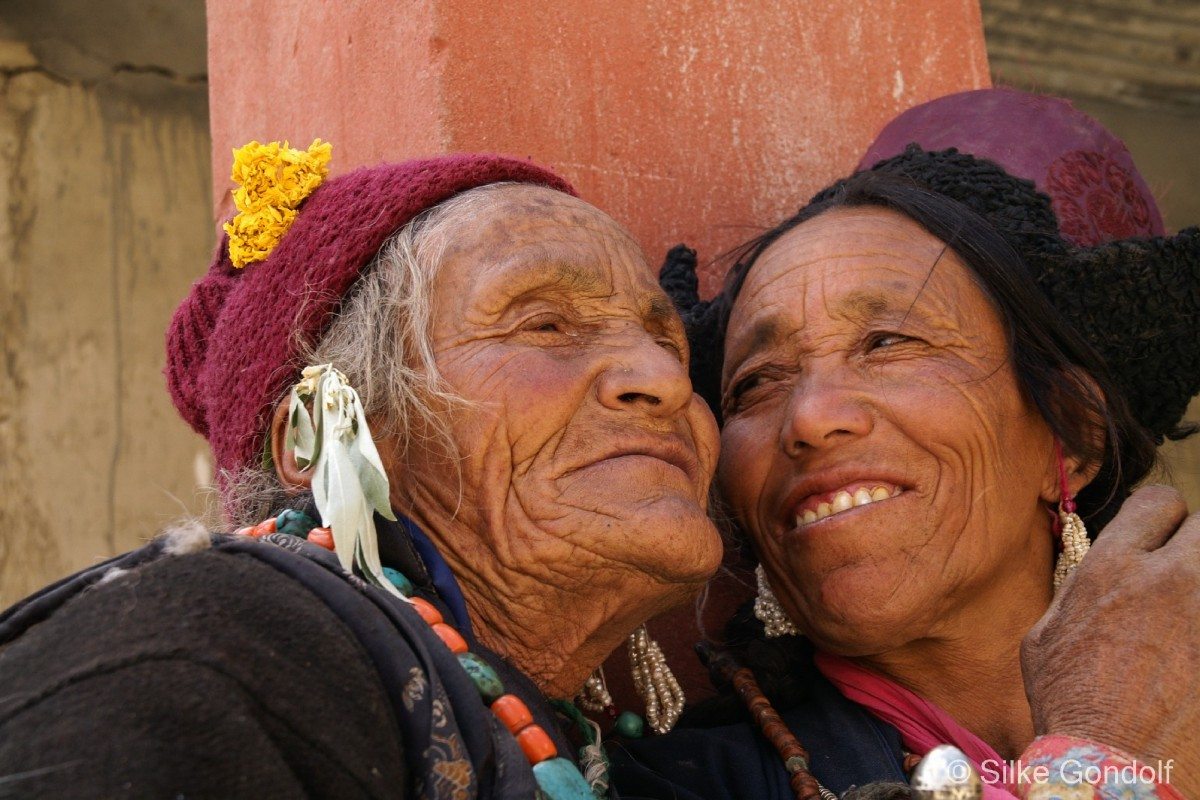
Ladakh: Leh, Matho, Chilling, Likir, Alchi, Lamayuru, Basgo, Rangdum, Padum, Zanskar, Darang Durung Glacier, Parkachik, Nun Kun Mountain Massif, Karsha, Kargil, Dzongkhul monastery, Stod Valley, Mune Gompa, Tsarap River, Zanskar River, Pangong Lake, Tso Moriri, Tso Kar.
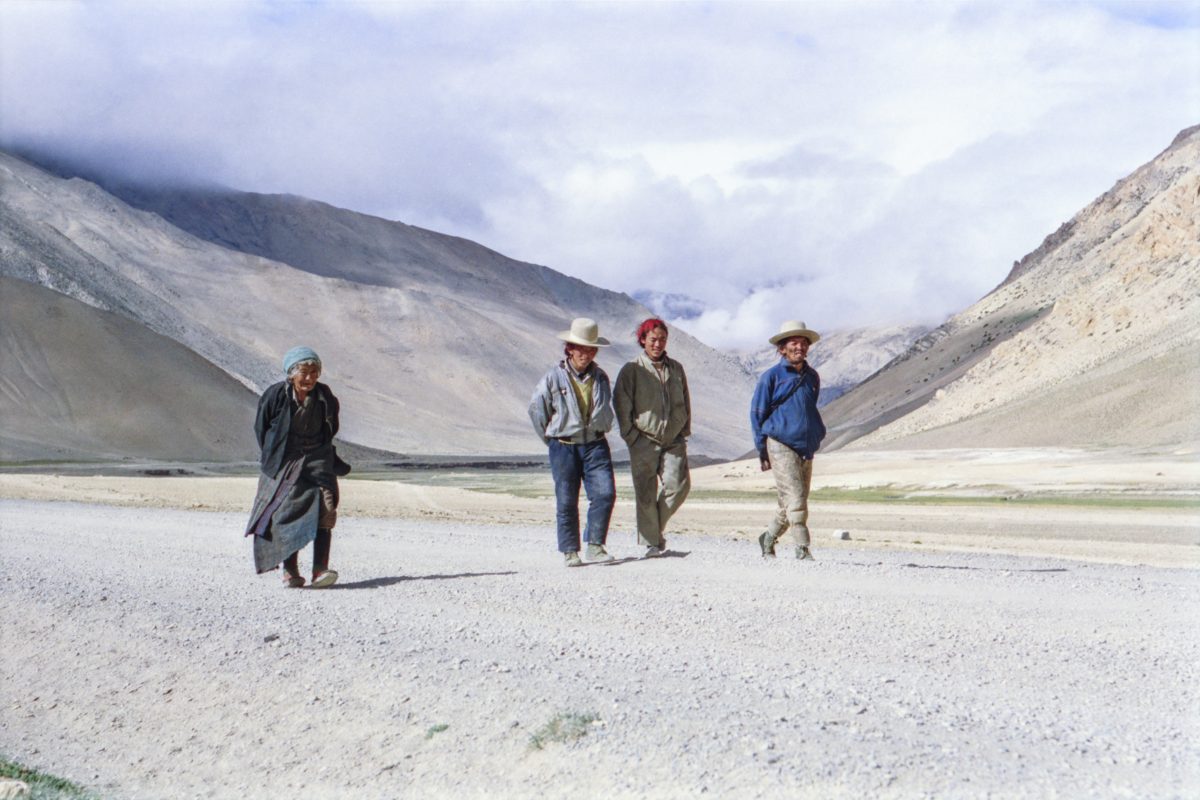
Autumn in North India: most tourists have left Ladakh and Zanskar, the farmers and herders prepare for another long and probably harsh winter in the some of the highest Himalayan region on earth. Kashmir is on security lockdown and Indian Army convoys are moving through the Himalayas to reach Kashmir’s capital, Srinagar. Ladakh became its own union territory on Oct 31st 2019 – with the town of Kargil staying in the middle of the new Kashmir conflict.
2019 Ladakh
2019 Kerala
Kerala: Trivandrum, Varkala & Kovalam Beach, Edava
2019 Kargil
Kargil, portion of the western Ladakh union territory, northwestern India, formerly part of northwestern Jammu and Kashmir state. The sector, centred on the town of Kargil, lies in the Zanskar Range of the Himalayas and shares the line of control between the portions of the Kashmir region administered by India and Pakistan. People in the region have been aghast at New Delhi’s revocation of Kashmir’s special status. Kargil town is a frontier district, during my time of visiting Kashmir was under security lockdown. The people lack facilities such as hospitals, schools, or employment opportunities, they live in the middle of a conflict zone.
2019 Zanskar
Zanskar lies in the eastern half of Ladakh, Northindia. Zanskar has some of the remotest villages and monasteries in the Himalayas. Zanskar, together with the neighbouring region of Ladakh, was briefly a part of the kingdom of Guge in Western Tibet.
ZDF Markus Lanz: England ungeschminkt – Zerreissprobe einer Nation
Autorin, Regie & 2. Kamera: Silke Gondolf
Großbritannien steckt in einer tiefen Krise – nicht erst seit der Brexit-Diskussion. Wer sich fragt, wie es dazu gekommen ist, wird in dieser Reportage die Gründe erfahren:
Die britische Gesellschaft ist seit Jahren zerstritten, die gesellschaftlichen Schichten trennen Welten. Arm gegen reich, jung gegen alt, Stadt gegen Land, Traditionalisten gegen Reformer, europafreundliche gegen europafeindliche. Die Frage „LEAVE“ oder „REMAIN“ wurde zu einer gesellschaftlichen Dynamitstange. Mit Folgen für alle Europäer. Markus Lanz trifft die Sprengmeister. Markus Lanz erlebt ein England, das seine Position im globalen Weltgefüge sucht und Bürger, die ihren Platz in einer multikulturellen Gesellschaft haben wollen.Markus Lanz wird bei der Einordnung der Begegnungen unterstützt von Sir Paul Collier, ein britischer Ökonom an der Universität von Oxford.
Produktionsfirma: Gruppe 5 Filmproduktion GmbH
2019 London
2019 Seoul
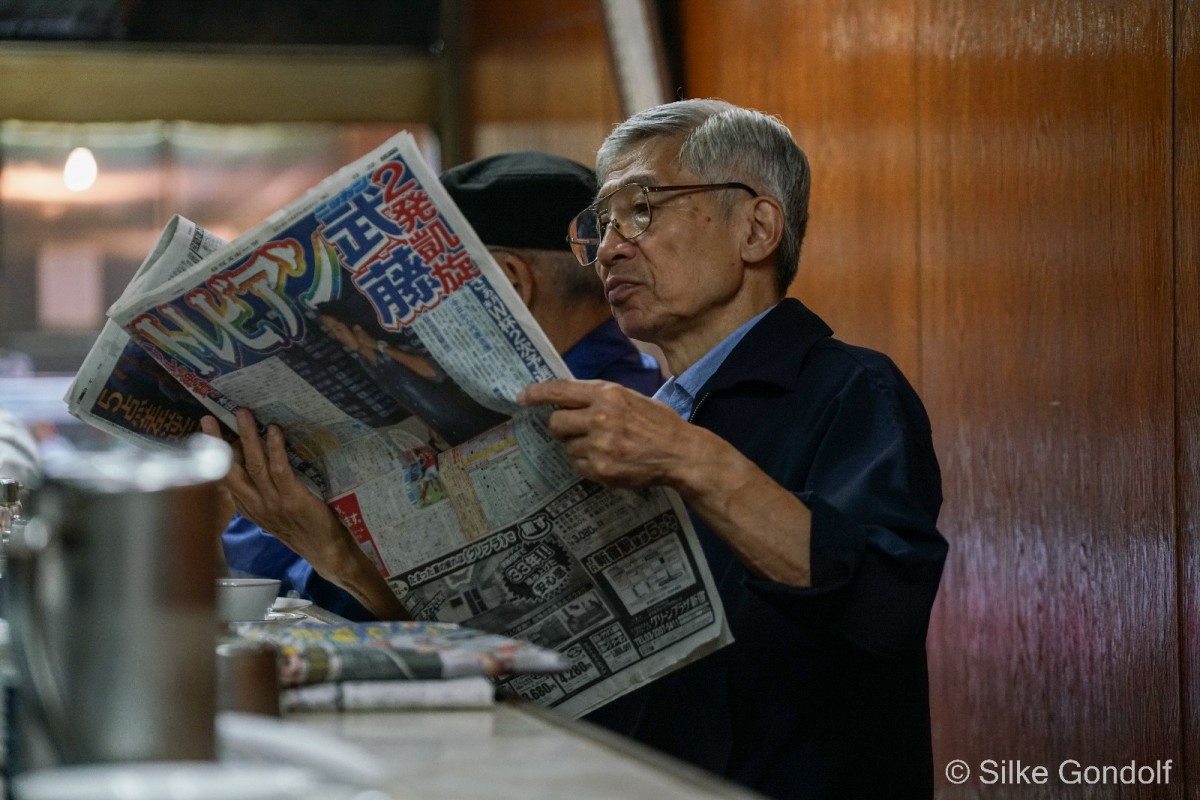
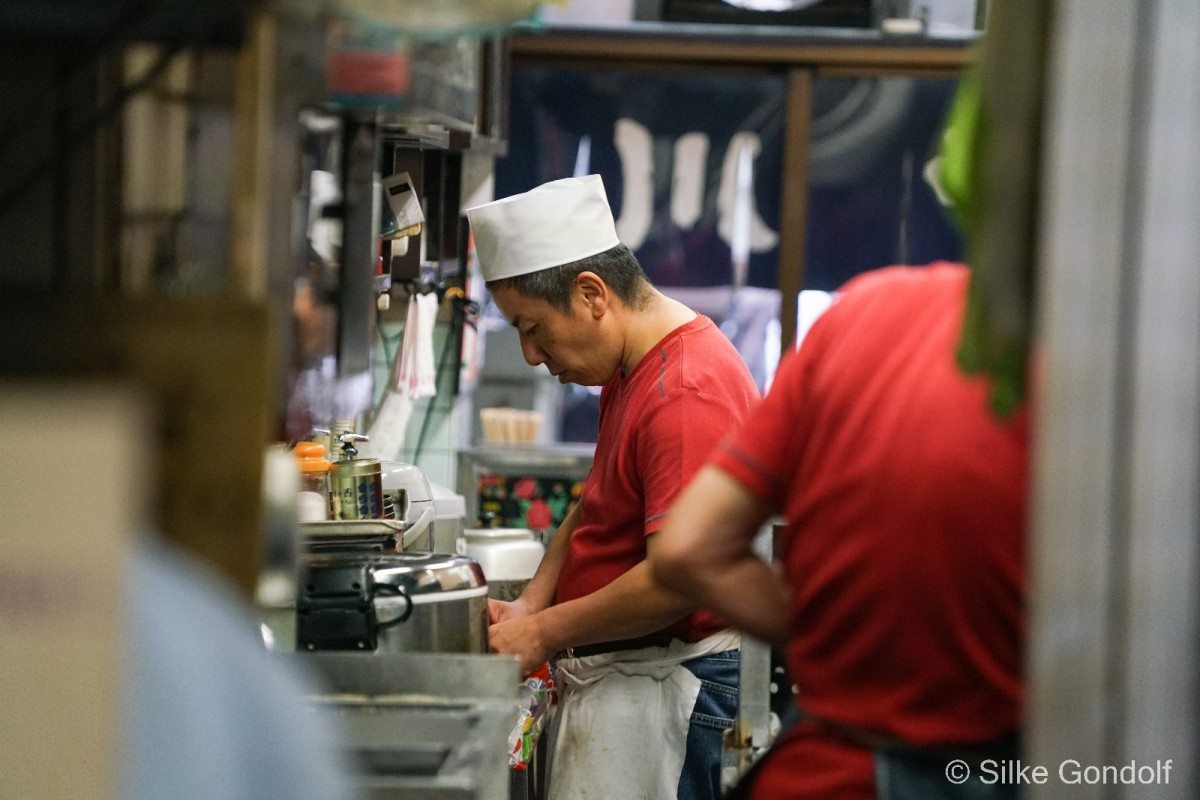
2018 Japan: Hokkaido to Okinawa
ZDF Markus Lanz – DEUTSCHLAND!
Autorin, Regie & 2. Kamera
90 min. ZDF Deutschland Reportage
Erstausstrahlung ZDF 8. November 2018 um 23.15
Globalisierung, Digitalisierung und Wertewandel prägen und verändern unsere Gesellschaft. Berechtigte Sorgen oder übertriebene Angst? Wie erleben die Deutschen ihr Land und vor allem, wie leben sie in ihrem Land? Warum ist der Heimatbegriff plötzlich wieder so aktuell, quer durch viele Parteien? Und was bedeutet Heimat heute überhaupt? Auf seiner Deutschlandreise geht Markus Lanz Fragen wie diesen nach. Dazu besucht er nicht nur unterschiedliche Regionen, sondern auch Menschen mit ganz unterschiedlichen Biographien und Lebenswegen im Ruhrgebiet, in Mecklenburg-Vorpommern, Berlin-Kreuzberg und Oberbayern. So bekommen Themen wie Strukturwandel und Industrieabbau, Migration und Integration, Nationalismus und Parallelgesellschaften genauso ein Gesicht, wie die Fragen nach Tradition und den Chancen für die Zukunft.
2018 Russia
ZDF Markus Lanz – RUSSLAND! Gespräche mit ziemlich fremden Freunden
Autorin, Regie & 2. Kamera
Erstausstrahlung ZDF 14. Juni 2018 23.15
Die russisch-deutschen Beziehungen waren nie einfach und haben sich inzwischen ziemlich abgekühlt – zumindest will man uns das glauben machen.
Sanktionen und Gegen-Sanktionen, Propaganda und viele Klischees haften diesem Verhältnis an.
Aber wie steht es im Jahr 2018 mit der viel zitierten „Seelenverwandtschaft“ und unserer gegenseitigen Wertschätzung. Auch in dieser Reportage sammelt Markus Lanz dazu Ansichten und Einsichten eines breiten Spektrums von Interviewpartnern.
Produktion: Gruppe 5 Filmproduktion GmbH
2017 Japan
2017 Shopaholic
2017 Trump Country
ZDF Markus Lanz – Amerika ungeschminkt – Gespräche ein Jahr nach der Wahl von Donald Trump
2017 ZDF Markus Lanz – Amerika ungeschminkt – Gespräche ein Jahr nach der Wahl von Donald Trump
Autorin, Regie & 2. Kamera
90 Minuten USA Reportage
Erstausstrahlung 9. November 2017 im ZDF um 23.15
Nach der Bestandsaufnahme im ersten Teil seiner Amerika-Dokumentation 2016, geht Markus Lanz diesmal der Frage nach, wie es den Menschen in den USA ein Jahr nach der Wahl geht. “Make America great again!” Für wen erfüllt sich dieses Versprechen? Wer profitiert bislang davon – und wer nicht? Bleibt das Land gespalten? Wo keimt Hoffnung? Donald Trump hat die schlechtesten Umfragewerte seit seinem Amtsantritt. Der Präsident hat große Versprechungen gemacht – wie neue Arbeitsplätze und eine Mauer zu Mexiko. Markus Lanz besucht diesmal den Swing State Ohio, der klar an Trump ging. Er fragt dort in klassischen Arbeiterstädten wie Warren im Trumbull County nach, wie es den Menschen geht. Er besucht Ranger und Rancher an der Grenze von Arizona zu Mexiko, und er sieht sich in Charlottesville um, dem Ort, der zum unfreiwilligen Symbol der “Alt-Right” Bewegung geworden ist. Was denken die Menschen – knapp ein Jahr nach der Wahl – über den Zustand ihres Landes?
2017 Cuba
ZDF Markus Lanz – KUBA!
Autorin, Regie & 2. Kamera
Markus Lanz beschäftigt sich mit dem Alltag der Menschen, ihren Lebensumständen und begleitete sie ein Stück ihres Lebens. So gelingen Innenansichten einer Gesellschaft im Aufbruch. Quer durch alle Gesellschaftsschichten, sortiert sich Kuba langsam aber stetig neu.
2017 Cambodia
The White Building – Phnom Penh
The White Building is one of Phnom Penh’s most notorious apartment buildings, one that many locals consider a slum.
It’s crumbling, it’s rundown and it’s facing demolition – and its home to 2500 tenants, who mostly pay rent and love to live there.
The White Building sits on prime, central Phnom Penh real estate. Designed by Cambodian architect Lu Ban Hap and Russian architect Vladimir Bodiansky in 1963, the White Building comprised of 468 apartments, and was the first attempt to offer modern urban lifestyle to lower income Cambodians.
The White Building is close to an area that is known for prostitution and drugs. Because of this, many PP locals assume that the building must be housing just sex workers and drug users and so it became a no-go zone.
When I walked in – I felt a sense of a friendly community, curiosity and I often met English speaking tenants, all people who manage to survive in the 1.5 million hot-pot of Phnom Penh.
The size of the White Building can be intimidating. It has six huge blocks, kilometers of long and dark corridors and five staircases. Staircase One is a haven for heroin addicts, while staircase Six leads to art galleries.
Having lost its original sparkling white facade, the front of the low complex is a hodgepodge of extensions, hanging plants, clotheslines – all covered with mold. Its backside is the site of a huge dumpster, which is often overflowing with garbage. Garbage bags just fly out the windows, there is no regular removal service. The road is lined with stores, restaurants and some dubious massage and beauty parlors.
The apartment complex of 2,500 residents is a self-contained community with its own school, art space, and archive. The long corridors are used as communal meeting points. No judgments here: sex workers chat with granny’s, school kids with their friends.
While the White Building may no longer physically resemble its former self, the vibrant community carries its architects’ dream of an integrated housing project in the middle of Phnom Penh. The White Building was completed in 1963, 10 years after the country’s independence from France. It was one of a series of buildings designed to re imagine a neighborhood close to the Royal Palace and Wat Langka, one of Phnom Penh’s most important pagodas. The apartment complex has survived a civil war, a foreign occupation, and the merciless drive of redevelopment in modern Phnom Penh. It is one of the most fascinating and resilient buildings in the city.
©Silke Gondolf 2017
2017 Phnom Penh: The White Building
The White Building is one of Phnom Penh’s most notorious apartment buildings, one that many locals consider a slum. It’s crumbling, it’s rundown and it’s facing demolition – and its home to 2500 tenants, who mostly pay rent and love to live there.
ZDF Markus Lanz – Amerika ungeschminkt
Autorin, Regie & 2. Kamera
85 Minuten USA Reportage
Dokumentation Erstausstrahlung ZDF am 27. Oktober 2016 um 23.15
Roadmovie und Bestandsaufnahme zugleich: Gespräche auf einer Reise die von New York über Baltimore nach Philadelphia, von San Francisco bis nach Houston und Texas führt.

Markus Lanz Wall Street NYC
Roadmovie und Bestandsaufnahme
Was macht das Erlebte mit den Menschen dort, und was bedeutet es heute? Wie ist es zu der aktuellen Situation gekommen? Welche Vision haben sie persönlich von ihrem Amerika? Welche Werte machen ihr Land für sie persönlich aus? Ist dieses Land noch ihr Land?
Interviewpartner aus allen Lebensbereichen
Lanz trifft seine Interviewpartner vor Ort in ihrem Lebensalltag. Kwesi, der Taxifahrer aus Baltimore, kommt genauso zu Wort wie der amerikanische Politologe Robert B. Reich, die New Yorker Socialite und Vanderbilt-Erbin in siebter Generation Consuelo Vanderbilt Costin, die Finanzexpertin Sandra Navidi, der ehemalige Sniper Garett Reppenhagen, das Ex-Mittelstands-Ehepaar David und Violet im Trailerpark von Camden und der Texaner David, für den das offene Tragen seiner Waffe zu den verbrieften Grundrechten Amerikas zählt.
Ein Blick in die amerikanische Seele
Markus Lanz: “Die Idee war, kurz vor dieser so ungewöhnlichen Wahl einen Blick in die amerikanische Seele zu wagen. Eine filmische Momentaufnahme, mehr nicht. Und dennoch waren die vielen Gespräche mit Menschen, die ihre Häuser verloren haben, mit schwarzen Ghetto-Bewohnern, Obdachlosen, aber auch New Yorker Superreichen und texanischen Waffen-Lobbyisten nicht nur spannend, sondern oft auch sehr berührend. Auch deshalb, weil der Optimismus, der dieses Land so groß gemacht hat, trotz allem, womit Amerika gerade hadert, immer noch da ist. Nur leiser.”
Produzent: Gruppe 5 Filmproduktion GmbH
Where no one is calling your name
The Gold Forest is an area off limits to everyone not into the gold business. It is a remote stretch of land with its own rules of law.
- Photo Gallery click here.
Preah Mear is one of Cambodia’s biggest illegal gold mining areas. The small, illegal gold digger ventures are cradled into the concessioned land, held by a Chinese company running three mines here, with a depth of up to 500 meters. The Chinese investors aim to harvest 100,000 ounces’ gold per year – 2835 kilogram – every year, for an 8-year minimum.
To do that, they have to process 1.5 million tons of ore per year – and this is done with dynamite blasting and conventional drilling by many cheap local laborers who risk their lives every day and year round. The gold rush orchestra is playing 24/7: while generators and stone grinders give the baseline and the loud ringing bells interrupt the groove.
The ringing bells tell the miners above the shaft to pull up their bucket, filled with ore from the underground. In-between the sound arrangement, antique looking constructions of gold sifting/extracting slides, sediment and metal loaded water dripping out everywhere, and 4-wheel drive SUVs make their way to deliver diesel by the canister for the generators – or to feed the beast. Illegal miners descend into their hand digged pits in plastic barrels, hoisted up and down on pieces of wire or rope.
They have swapped the standard safety helmets in favor of baseball caps. They are driven like gamblers to succeed: one day, maybe tomorrow, they will strike a rich vein. The cohabitation with the big mining operators leads frequently to considerable tension, especially about the remuneration. People disappear not just by collapsing mine shafts.
Only if people have no money to start their own gold mining operation in Preah Mear will they work for the Chinese, says a local miner, who doesn’t want to give his name. He owns a small shelter, a tarpaulin-covered open hut with a stone-crushing machine on one side, next to a small stove that separates his mining equipment from a simple bamboo berth – his bed.
The mining settlement is surrounded by thick forest and steep hills, it is only possible to get there and away with special trucks – or with the help of a local driver. The more fortunate local workers live along the dirt road leading dead end into the mining area. The small villages are a much better choice than living in the mining town. Young miners are tuning their motorbikes, they rebuild the frame into something like a mars vehicle to battle the harsh environment – and to keep their dignity.
One tribal worker I met sleeps next to the shaft of his mine. He doesn’t want to say his name or hometown – but proudly reports that he is producing about 0.2 grams of gold per day. He can only sell to one of three Chinese gold dealers in Preah Mear market, for a price that is dependent on the international markets – and on the mood of the Chinese buyer.
The Chinese run this place, things are happening the way they want it, they have the monopoly in Preah Mear and the power to trade gold. The Khmer police are guarding the Chinese operations, far away from any jurisdiction – and give them the official protection on behalf of the Cambodian government. Technically, all Cambodians could apply for an artisanal mining license from the Ministry of Mines and Energy, but in reality, very few take up this option. They would be registered, required to file quarterly production plans and pay royalties and taxes. Nothing they like.
This area has been unofficially mined for more than 25 years. Every couple of months you read in the papers that the government will stop this gold rush endeavor – but nothing happens. When I was walking around with my camera, miners started to throw stones, because they suspected I would report to the government or environmental NGOs.
Police and government know what is happening here and it is also their business; they generate an extra income with gold – without paying taxes or royalties either. The dense rainforest around the gold mining area was once the hideout and stronghold of the Khmer Rouge. The Khmer Rouge were regularly robbing the gold transporters leaving the mines. The Khmer Rouge kept themselves and their gruesome ruling going with funding from gold and gems – until the early years of the 21st century.
The small shrines along the dirt road pay respect to the lives lost during that long period of Khmer Rouge activities – almost 10 years after the official end of the KR power. Everyday relatives leave fresh water, candies and money in front of the spirit houses along the way. The Chinese investment company Zhong Xin now owns the concession that covers the whole mining area in Mondulkiri. The size of the total concession area of Preah Mear is unknown as the agreement has never been made public, but locals say it is about 45 square kilometers – a place that looks like the aftermath of a nuclear holocaust – in the middle of the rainforest.
Gigantic pools, so called tailings, of toxic water reflect the sunlight with an apocalyptic twist. The mercury, used to separate the gold from the ore, is dumped into the ground after usage. There is no sensitivity for the environment. The mercury levels measured in people, ground water, rivers, fish and earth are extremely high. Cyanide, sodium cyanide, zinc, sulfuric acid – the miners expose themselves constantly to the risks of dust and chemicals used to purify gold. During the rainy season malaria becomes another huge threat. Chinese migrant workers earn $ 2000 a month and local, often tribal or indigenous people earn $ 70 a month – working every day in the Chinese mine. There is tension between the people, intercultural communication poisoned by racist behavior on both sides.
Many miners in the town admit that they hate the place, but none wants to leave. The fatal accident rate among the illegal miners is the highest. After accidents, the Chinese Investment group has difficulty recruiting workers, people are scared to go back into the shafts.
Illegal mining is done secretly miners do not share information. They dig sometimes up to 50 meters deep and then start fanning out with horizontal shafts. When accidents happen, the person stays buried in their shafts and the mining equipment is the gravestone left behind for corrosion.
CCTV International news segments in Europe
Producer
CCTV INTERNATIONAL
News – ranging from headline stories to follow ups, to human interest stories.
Producing for CCTV’s Guy Henderson.
2016 Nepal
2016 New York
2016 Georgia (Country)
2016 Denmark
2016 Austria
ZDF “aussendienst XXL – Was glaubt Ihr denn?” mit Dunja Hayali
Autorin und Regie – 43 Minuten Reportage mit Dunja Hayali.
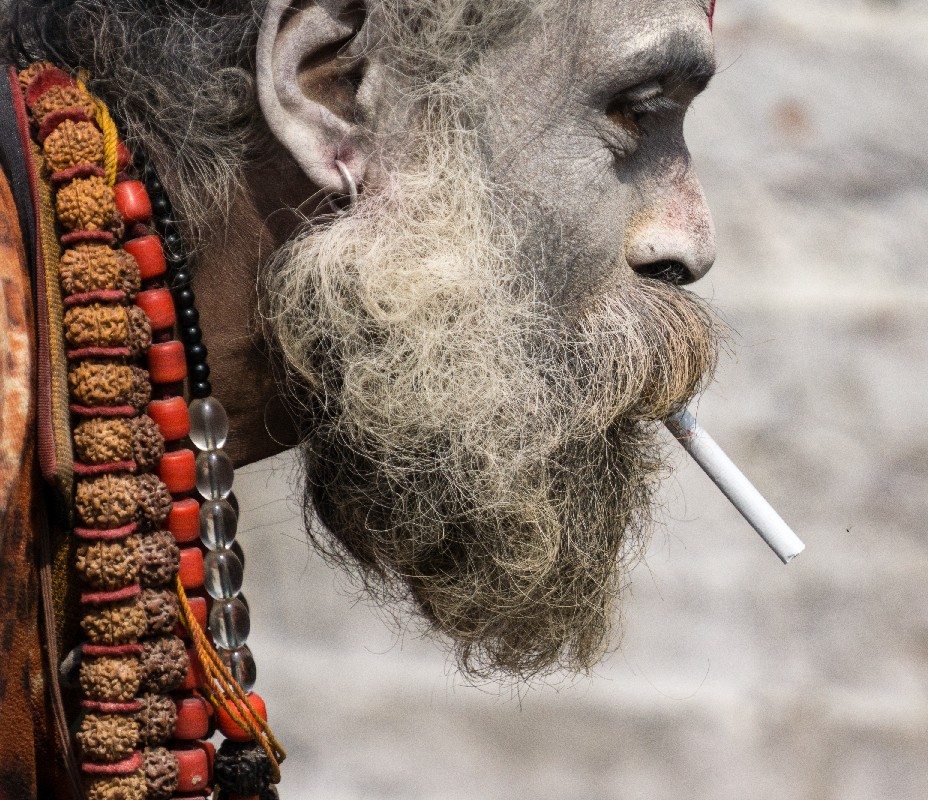
Dunja besucht Menschen, die verschiedenen Glaubensrichtungen angehören – und erlebt mit ihnen den jeweiligen Glauben. Sufis, Christen, Hindus, Juden stellen sich ihrer skeptischen Neugier. Kirchen bleiben leer, Gemeinden überaltern, Traditionen brechen ab. In Europa ist sie auf dem Rückzug, doch in vielen Teilen der Welt entfaltet Religion gerade eine neue Kraft. “Was glaubt ihr denn?”, fragt Dunja Hayali auf ihrer Reise durch die Religionen. Gibt es etwas, das die unterschiedlichsten Ausprägungen des Glaubens eint, wollen wir vielleicht alle dasselbe, ganz gleich ob oder wie wir glauben? Im “außendienst XXL” macht sie unter anderem Station in einem Bergdorf Georgiens, in Kathmandu, New York und Wien. Sie trifft orthodoxe Christen, Juden, Hindus und Moslems, Menschen, die Gott suchen oder ihn bereits gefunden haben. Was bewegt die georgische Mutter Nino, eine 67-jährige Nonne, die allein in einem entlegenen Kloster lebt und in ihrer orthodoxen Kirche im Rang eines “lebenden Engels” steht? Wie geht die jüdisch-chassidische Familie Freier, die Dunja Hayali in Brooklyn zum Sabbatmahl einlädt, mit den strikten Regeln ihres Glaubens um? Welche Kräfte setzt das Hindu-Festival Shivaratri frei, bei dem sich der Glaube zur Ekstase steigert? “Faszinierend ist es für mich, die Hingabe der Menschen an ihren jeweiligen Gott mitzuerleben – eine Hingabe an etwas, das man nicht greifen kann”, so Dunja Hayali. In ihren persönlichen Begegnungen und Selbstversuchen trifft “außendienst”-Reporterin Hayali auf die Kraft, die Glauben auf ganz unterschiedliche Weise entfalten kann: Halt, Glück, Gemeinschaft. Aber sie erlebt auch die Kehrseiten von Religion: Ausgrenzung und Allmacht.
2016 ZDF “aussendienst XXL – What do You believe in?”
Author and director 43 min reportage with ZDF Reporter Dunja Hayali, exploring faith and diverse religious practises of Hindus, Jews, Christians and Sufis around the world. Production: doclights GmbH, Hamburg
The Highlanders of Ratanakiri – Cambodia
The following are my on-location field notes from December 2015. I travelled with a Krung guide into the forest, he introduced me to the highlanders and translated all interviews. 66% of the people in the furthest northeast of Cambodia, called Ratanakiri, are indigenous people: the main tribes are Brao (Krung), Jarai, Tampun.
The “forest people”, also called “highlanders”, “tribal people”, or “minorities” are actually the majority of Ratanakiri, a very rich province. The Khmer Rouge wanted the highlanders to assimilate, they relocated many of them during their rampage years. The Khmer Rouge wanted the tribes to leave their backward system and begin regular field agriculture, to become rice farmers and contribute to society. The indigenous people were also forced to learn and speak Khmer. In the 80ies the local/tribal people moved to the roads and the “city people” moved to the highlands – to do logging, built plantations and do gold and precious stone mining. The land was given away as concessions to people and companies – for exploitation. The ethnic minorities were not allowed to use their land anymore – land conflicts started.
The tribal people count their age in “rice fields” – every 20 years they move their rice fields with slash and burn practice. If you are 2 rice fields old – you are old.
Women take the role of spiritual healers, they speak the language of the spirits and they translate their messages and orders to the villagers. The village people spend half of the year in their “village house” and the other half in their secluded “rice field house”. The village is important for communal rituals and sacrifices.
The men go hunting with poisonous bamboo arrows and self-made bows, made from fruit carrying trees. The boys learn hunting when they are 10 years old. Hunters always go hunting with their dogs. They form a close bond with their hunting dogs. Bow makers have a special role in their village, it takes a full week to make bow, the bow is used for a life span. Every time an animal got killed, the hunter takes blood and hair from the animal and rubs it on the bow, called Kachok. They use a “100 kind of poison” mixture for hunting. The older men remember to hunt elephants and Tigers with their bows. People preserve their meat and fish by drying in the sun or salting it. Since all the forest are taking away from them, the tribes move more and more inside the jungle. They know as soon as there is road building they have no chance to keep their sacred forests much longer.
The tribes value their children – the more children you have the better. They do not know of the concept “bad children/misbehaving children”. Children mean power for them. The young girls when they come into puberty they get their own little hut, so they can have male friends visiting and finally decide on one – and build their own family. The boys also get their boy huts when they start puberty, the parents do not want them in their hut anymore. The girls inherit the “jewelry” from their mothers, the jewelry is made of old aluminum cooking utensils or brass from former ammunition and landmines.
Mountain rice is their main staple food, it is a rice which grows “dry” in the mountains and has a special way of cooking, they steam it in baskets over 2 hours – and the women use the rice water to wash their hair. The fire in their kitchen must be burning always – because if you smell fire, you know there are people – and that is a good sign. Matches are the best presents for them. The sculls of the killed and sacrificed animals are kept near the fire, so are the seeds they collect during harvest and keep dry in the kitchen. Next year’s harvest depends on them.
Women oversee the gathering of greens and flowers and roots from the forest, men do the hunting. While animals are only use for rituals or to make sacrifices. Meat is not a regular staple food. Alcohol and tobacco are the main cause for early death in men and women. They distill the rice and make a very strong Schnapps from it. The tobacco they just dry, roll and smoke it – or they use their typical pipes. People mostly die young at ages 45 to 50. The children start working very early, farming is their main occupation, mostly they do not go to school.
In the city of Banlung, the capital of Ratanakiri, the saying goes “you are Krung” which means, you are “stupid as a tribal Krung”. The stigmatization of tribal people lets people hide their identity when they work in Banlung or elsewhere. The main source of information for the tribes is a two-hour local language radio program– most of them have a radio in their village.
Tribal people do not travel much, a 5-kilometer radius is a lot for them. There was traditionally no need to venture out further, the forest was giving them everything.
The minorities are exploited as cheap labor – or labor without payment. They spend their days digging 12 meters’ shafts into the earth, between the rubber trees and start excavating the hot mud, hoping to find Zirconia or Amethyst stones. The stones they can only sell to the guards of the plantations. One dark stone can earn them 2.5 Dollars and 1 Kilogram will be 15 Dollars. If they do not dig, there is no other source of income for them.
Sometimes the new landowners – often Chinese or “city Khmer” – employ them for 3 Dollars a day to help them harvest in the monoculture plantations. The new land owners leased the land for 99 years, 150 Dollar for one hectare – from the government. The Khmer police is guarding the leased land so tribal people cannot use or cross their land anymore. Their employers stole their land, or more accurate, the Cambodian government sold the tribal land to foreign investors and leave the exploitation open to them. Since the rubber prices are down one fifth, it is better to have people dig for stones. The guards are cheating the miners of their money. The guards are mostly Khmer or Chinese/Vietnamese foreigners.
The land buyers claim officially, that they want to buy land to build rubber plantations – but they are keen to log the hardwood trees and make a fortune with the wood – the rubber trees are justifying the deforestation and land grabbing. The village elders of the tribes are mostly part of the deal, they agree into selling their communal land, because they feel, if they don’t sell it the government will just steel it without paying.
The Cambodian highlander tribes have lost their battle – even though there are Highlander Associations and diverse NGOs trying to do their best. The highlanders say: “first comes the road, then goes the trees” – and if the trees go their time has come as well.
The forests were always sacred to the tribes. They only took from the forest, if they sacrificed something or they asked the forest spirits for permission. It is still called the “sacred forest” in their language. They build signs for the rice spirits at their fields, the build self-made little straw arrangements outside their doors – to honor the spirits. The sacrifices the people make are mostly small animals.
The Krung people have in their village a Banana Tree. That tree is sacred because the banana spirit or God has its home there. If the banana tree is not looking well, then the village is in trouble. The banana tree is mostly situated in the middle of each Krung village and adorned with flowers and offerings. If you need good luck, you meet the banana tree spirit.
Tampun people have a special graveyard in the forest. They build huge individual grave structures with carved wooden guards in front of them. Their grave sculptures are made roughly. The dead body gets to rest in the forest, the grave house will fall apart and no one comes to visit after the burying ceremony. The dead are dead and they have their own spirit home where no living being can / should enter. I needed specially permission by the spirits to take photographs. An elderly Tampun person asked for permission for my entry. The wooden grave guards are always male and female, the female is always pregnant and the male guard is a warrior. The burying ritual asks for raw buffalo meet and lots of schnapps. The relatives bring all the belongings of the deceased – it will be buried together with the person. Sometimes it is a lot, sometime nothing. Children’s graves are very small since children don’t own anything.
When a woman gives birth to a baby, no one is there to look for her or to help. She gets a different little hut in the village, so she can live alone, no one comes and visits her – to protect her and the baby against evil spirts. For the women, this very hard and they say so. Women start to bear children soon after they start their first period, they bear as much children as possible. The more children the better – family planning is unknown. The mothers name is carried to the next generation – not the fathers. This way people try to prevent inbreeding. 6 days after the baby is born people can come to visit mother and child, if the baby survived the first 6 days it will be given a name.
The missionaries from everywhere flock to the tribal villages, build churches and distribute bibles in tribal language – but in Khmer letters. The ethnic minorities do not have a written language, so Khmer letters are used to write down the local language. While a lot of the traditions are still intact, the people are threatened by many different forces.
The tribal people just feel left behind. NGOs tried to teach them a “better”, modern way of living, the new landowners forced them into paid labor, the local Khmer people stigmatize them as stupid and missionaries teach them “morals”.
Ethnic Majority – The Highlanders of Ratanakiri
The highlander tribes in the northeast of Cambodia have lost their battle – even though there are Highlander Associations and diverse NGOs trying to do their best to protect them from land-grabbing.
“First comes the road, then goes the trees” – that’s what they say.
Gem Stone Miners in Cambodia
My way to the gem stone miners of Cambodia brings me past honey sellers. The indigenous people from the Tampuan tribe come to the roads to sell their produce. Banlung, the capital of the province Ratanakiri, has grown rapidly over the last ten years. There is big business to be made with hardwood logging, gem stone mines, gold, cashew nuts, rubber, cassava and pepper.